Innsbruck mountain photography spots Guide
Our 2026 guide to the best Innsbruck mountain photography spots, featuring epic alpine peaks and stunning valley views.
Innsbruck mountain photography spots: The Ultimate Visual Guide
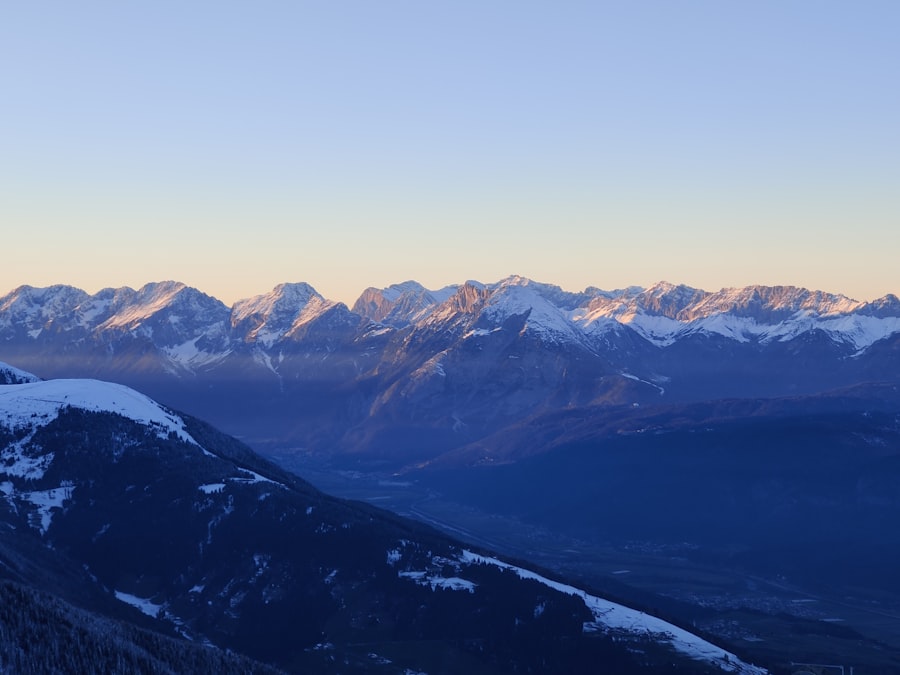
Finding the perfect Innsbruck mountain photography spots is the absolute ultimate dream for any travel photographer looking to capture the raw, dramatic beauty of the Austrian Alps. Nestled deep within a valley surrounded by colossal, jagged peaks, this historic Tyrolean capital offers a unique visual contrast where colorful medieval architecture meets towering, snow-dusted summits. Whether you are a professional landscape photographer carrying a heavy tripod or an enthusiastic smartphone creator seeking that next viral shot, this comprehensive guide will lead you to the most breathtaking viewpoints in and around this alpine gem.
In this guide, we will explore the best elevations, hidden valley perspectives, and urban vantage points. We will discuss the perfect lighting, creative composition techniques, and the exact angles needed to make your portfolio stand out. Get ready to pack your camera gear, adjust your polarizing filters, and embark on a visual journey through the heart of Tyrol.
1. The Classic Nordkette Cable Car Journey
You cannot visit this alpine city without riding the Nordkette Cable Car, designed by the famous architect Zaha Hadid. This futuristic funicular and cable car system transports you from the historic city center to high-alpine terrain in just twenty minutes. As you ascend, the transition from urban streets to rugged limestone cliffs offers endless opportunities for spectacular framing and unique compositions.
Seegrube Station: The Mid-Mountain Perspective
At 1,905 meters above sea level, the Seegrube station offers a sweeping panoramic view of the entire Inn Valley. The vibe here is energetic yet serene. To capture the best shot, position yourself on the viewing platform during the late afternoon. The golden hour light hits the southern mountain ranges across the valley, casting long, dramatic shadows over the winding Inn River below.
For your camera settings, use a mid-range aperture like f/8 or f/11 to ensure sharp focus from the foreground viewing deck to the distant peak of Serles. If you have a telephoto lens, zoom in on the tiny houses in the valley to create a compressed perspective that emphasizes the sheer scale of the mountains towering over human civilization.
Hafelekar Peak: Standing at the Top of Innsbruck
From Seegrube, hop on the final cable car to Hafelekar, sitting at an impressive 2,256 meters. A short, ten-minute walk along a gravel path brings you to the summit cross. The view to the north reveals the untamed, rugged wilderness of the Karwendel Nature Park, while the view to the south shows the bustling city far below. This spot offers some of the most dramatic Innsbruck mountain photography spots perspectives you can find.
- Best Time to Visit: Sunset, to capture the dramatic alpine glow on the limestone peaks.
- Key Composition Element: Use the wooden summit cross as a strong foreground anchor.
- Lens Recommendation: Ultra-wide angle lens (16-35mm) to capture the vast expanse of the Karwendel range.
Pro Photography Tip: Bring a sturdy tripod and a graduated neutral density (GND) filter. The contrast between the bright sky and the dark mountain shadows at sunset can be extreme, and a GND filter will help balance your exposure perfectly without blowing out the highlights.
2. Maria-Theresien-Strasse: Urban Meets Alpine
For the ultimate postcard shot where historic city streets meet towering alpine walls, head directly to Maria-Theresien-Strasse. This wide, bustling pedestrian avenue is the heart of the city's public life. Looking north down this street, the colorful baroque buildings lead your eyes directly toward the massive, snow-covered Nordkette range, which looks like a giant wall rising straight out of the cobblestones.
To capture this classic composition, stand near the famous Column of Saint Anne (Annasaule). This monument provides an excellent mid-ground element to break up the frame. The best lighting occurs during the blue hour, just after sunset, when the streetlights glow with a warm orange hue, contrasting beautifully with the cool, deep blue of the sky and the white snow on the peaks.
For more travel inspiration and central city maps, check out the official TripAdvisor forums for local recommendations on the best times to avoid the shopping crowds.
3. The Colorful Houses of Mariahilf
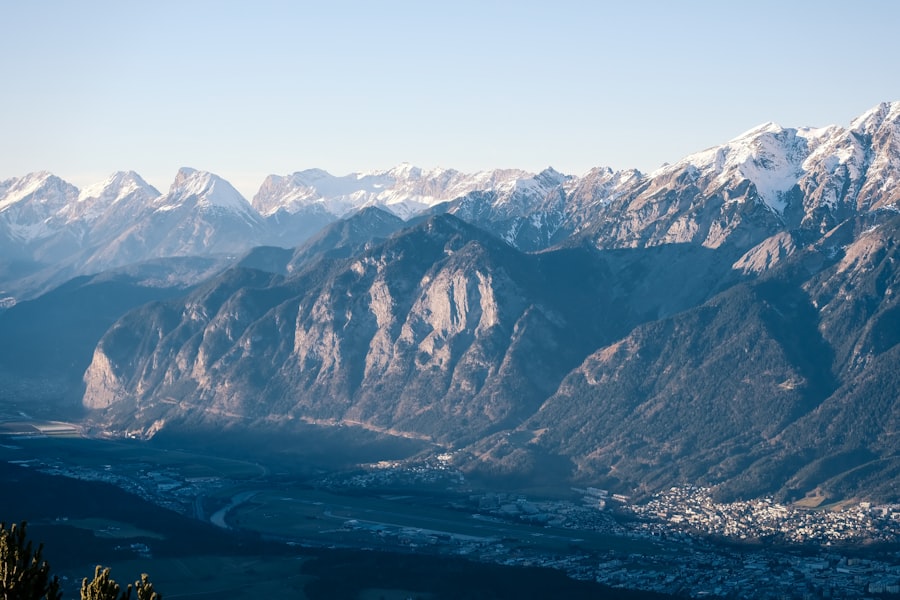
Located along the banks of the Inn River, the historic neighborhood of Mariahilf features a row of wonderfully preserved, pastel-colored houses. This is one of the most photographed locations in the city, but adding the towering mountains in the background elevates it into one of the premier Innsbruck mountain photography spots.
Composition and Framing along the Inn River
To get the perfect shot, walk across the Innbridge (Innbrucke) or stroll along the opposite riverbank path. By using a low angle near the water's edge, you can capture the reflections of the colorful facades in the rushing green waters of the Inn River. Frame your shot so the row of houses occupies the lower third, the river fills the foreground, and the dramatic peaks of the Nordkette dominate the upper half of the frame.
Finding the Perfect Lighting
The best time to photograph Mariahilf is during the early morning. The morning sun rises behind you, illuminating the pastel facades with a soft, warm light while the mountains behind are still cool and shaded. This creates a beautiful color contrast between the warm yellows, pinks, and blues of the buildings and the moody, deep tones of the alpine background.
- Aperture: f/9 for maximum sharpness across the entire frame.
- Shutter Speed: 1/125s or faster to freeze the motion of the rushing river, or 2s with an ND filter to create silky smooth water.
- Vibe: Peaceful, historic, and classic Tyrolean.
4. Patscherkofel: The Southern Sentinel
While the Nordkette offers views looking south, heading to Patscherkofel on the southern side of the valley gives you an incredible view looking north toward the Karwendel range. Known locally as the "home mountain," Patscherkofel offers a completely different vibe, characterized by gentle pine forests, alpine meadows, and wide-open vistas.
The Zirbenweg Trail
Take the Patscherkofel cable car up to the mountain station and hike along the famous Zirbenweg (Stone Pine Trail). This easy panoramic trail winds through one of the oldest stone pine forests in Europe. Along the trail, you will find countless openings in the trees that reveal spectacular views of the valley floor and the entire Nordkette chain opposite you.
Pro Photography Tip: Use the gnarled branches of the ancient stone pine trees to frame your shots of the valley and the distant mountains. This natural framing adds depth, texture, and a rustic alpine feel to your composition.
Plan your hike for the autumn season when the pine needles and surrounding blueberry bushes turn brilliant shades of gold, orange, and red. This pop of autumn color contrasts beautifully with the blue tones of the distant mountains.
5. Bergisel Ski Jump: Modern Architecture and Alpine Vistas
For a unique blend of modern sports architecture and dramatic mountain landscapes, head south of the city center to the Bergisel Ski Jump. Designed by legendary architect Zaha Hadid, this striking tower resembles a sculptural work of art rising above the historic battlesite of Bergisel. It is a key location among the top Innsbruck mountain photography spots for those who love clean lines and geometric shapes.
From the tower's panoramic viewing platform and rooftop cafe, you get a sensational 360-degree view. Looking down the ski jump ramp, you can align your camera to show the launch pad pointing directly toward the city center and the Nordkette mountains in the distance. This perspective creates an intense sense of depth and speed.
For detailed walking routes and tickets to the tower, visit the official Lonely Planet guide to Austria to plan your visit around local sporting events.
6. Nockspitze: The Adventurous Sunrise Hike
If you are willing to lace up your hiking boots and head out in the dark with a headlamp, the summit of Nockspitze (also known as Saile) offers the most rewarding mountain photography experience in the entire region. Rising to 2,404 meters, this peak offers an unobstructed view of the Inn Valley, the Stubai Alps, and the city far below.
The Ascent and Walking Directions
Drive or take public transit to the Axamer Lizum parking lot. From there, follow the well-marked trail climbing steadily through alpine meadows and rocky terrain toward the Birgitzkopfl, and then continue along the ridge to the summit of Nockspitze. The hike takes approximately 2.5 to 3 hours, so plan your departure time carefully to arrive at least 45 minutes before sunrise.
Capturing the Sunrise Magic
As the sun begins to rise over the eastern horizon, the first light hits the jagged limestone peaks of the Kalkkogel range nearby, turning them a brilliant pink and orange. This phenomenon, known as the alpenglow, is a dream to photograph. Use a wide-angle lens to capture the summit cross in the foreground, with the golden peaks and the misty valley below filling the rest of your frame.
- Camera Settings: ISO 100, f/8, shutter speed determined by your camera's light meter (use a tripod!).
- Composition: Use the winding ridges of the mountains to lead the viewer's eye through the image.
- Vibe: Epic, adventurous, and incredibly rewarding.
Whether you are capturing the urban charm of the historic center contrasted against the rocky peaks of the Nordkette, or hiking high into the clouds for a dramatic sunrise on Nockspitze, these magnificent Innsbruck mountain photography spots will ensure you return home with an unforgettable portfolio of alpine imagery.
Frequently Asked Questions
What are the best mountain photography spots in Innsbruck?
The best spots include the Nordkette mountain range, accessible via the Hungerburgbahn, and the Patscherkofel, which offers panoramic views of the valley. Both provide stunning alpine backdrops for dramatic shots.
When is the ideal time of day to photograph the Innsbruck mountains?
Early morning and late evening are best for soft, golden light and fewer crowds. These times enhance textures and produce rich, warm colors on the peaks.
Do I need special equipment for mountain photography in Innsbruck?
A DSLR or mirrorless camera with a wide-angle lens is recommended to capture expansive landscapes. A sturdy tripod and polarizing filter are also helpful for sharp, vibrant images.
Are there any hidden or less-known spots for unique mountain shots?
Yes, the panoramic trails around the Arzler Alm and the dramatic views from Tulfes near the foot of the mountains offer unique perspectives. These locations are quieter and often overlooked by tourists.
How can I capture the mountains in changing weather or seasons?
Embrace overcast or foggy conditions for moody, atmospheric photos, and photograph snowy peaks in winter for striking contrast. Always check weather forecasts and be prepared for sudden changes to ensure safe, explosive shoots.

Oliver Janssen scouts the best photography spots in every destination, from sunrise viewpoints to overlooked angles on famous landmarks. He shares exactly where to stand and when to be there for the shot.
💬 Comments (0)
No comments yet. Be the first!