Queenstown mountain photography spots Guide
Master alpine landscapes in 2026 with our curated guide to the ultimate Queenstown mountain photography spots.
Queenstown mountain photography spots Guide
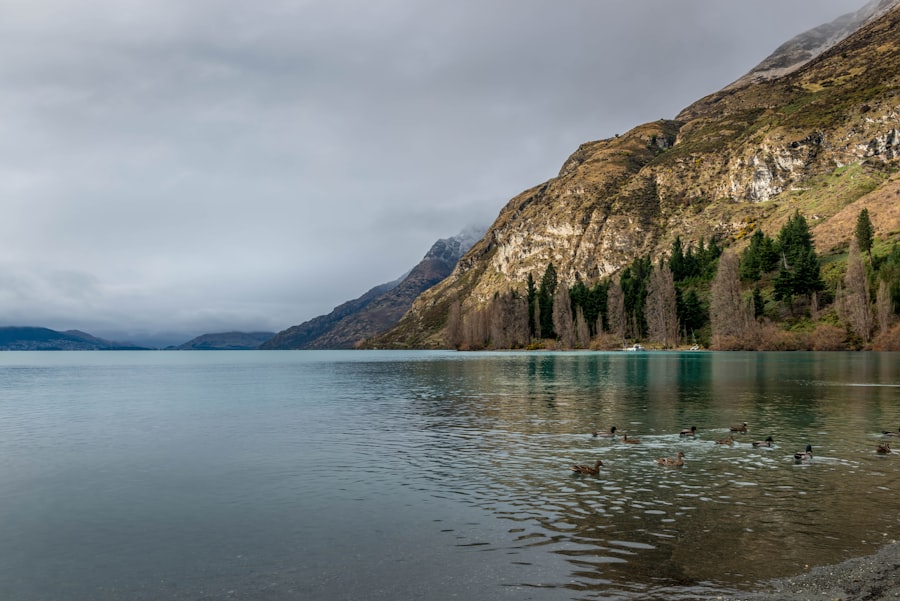
If you are searching for the ultimate alpine paradise, discovering the best Queenstown mountain photography spots will completely transform your portfolio and leave you breathless. Nestled on the shores of the crystal-clear Lake Wakatipu and framed by the dramatic, jagged peaks of the Southern Alps, Queenstown is widely considered the adventure and visual capital of New Zealand. Photographers from all over the globe travel to this magical corner of the South Island to capture the raw, untamed beauty of its elevated landscapes. Whether you are aiming to capture a moody, mist-shrouded peak at dawn or a brilliant golden hour glow reflecting off ancient glacial ice, this comprehensive guide will lead you to the most spectacular viewpoints in the region.
To help you plan your journey, we have gathered insights from local experts and trusted travel authorities like Lonely Planet to ensure you find the absolute best vantage points. From easily accessible roadside lookouts to challenging alpine hikes that require a bit of sweat and determination, Queenstown offers an incredible variety of shooting environments. Pack your wide-angle lenses, grab a sturdy tripod, and prepare to explore the most photogenic alpine scenery in the Southern Hemisphere.
The Majestic Skyline Gondola and Bob's Peak
Rising directly above the bustling town center, Bob's Peak offers one of the most iconic and accessible views in the region. To reach this spectacular vantage point, you can take a scenic ride on the Skyline Gondola or embark on the challenging, steep hike up the Tiki Trail through the towering pine forest. Once you reach the viewing platform at the top, you are treated to a sweeping 220-degree panorama that showcases the entire Queenstown basin, the deep blue waters of Lake Wakatipu, and the magnificent Remarkables mountain range stretching across the horizon.
Composition and Framing at Bob's Peak
When it comes to composition, Bob's Peak provides a perfect balance of natural beauty and human elements. Use the sweeping curve of the Queenstown peninsula to lead the viewer's eye through the frame. The contrast between the organized grid of the town streets below and the wild, jagged peaks of the Remarkables in the background creates a compelling visual story. For a unique framing option, step away from the main concrete viewing deck and explore the dirt walking paths nearby, using the local pine branches to frame your shots of the distant mountains.
The Best Lighting and Camera Settings
This location truly shines during the late afternoon and twilight hours. As the sun begins to dip below the western horizons, the peaks of the Remarkables are painted in vibrant shades of pink, orange, and deep purple. This phenomenon, known locally as the alpine glow, offers the perfect opportunity for long exposure photography. Keep your camera stable on a tripod, set your aperture to f/11 for maximum depth of field, and use a slow shutter speed to smooth out the waters of the lake below and capture the twinkling lights of the town as they begin to turn on.
Pro Photography Tips: To avoid the crowds on the main observation deck, head up about an hour before sunset. Use a circular polarizing filter to cut down on the haze and enhance the rich blue tones of Lake Wakatipu, and bring a graduated neutral density filter to balance the bright sky with the darker shadows of the valley floor.
The Dramatic Heights of The Remarkables Lookout
No trip to this region is complete without visiting the iconic Remarkables mountain range. This is one of the premier Queenstown mountain photography spots because it allows you to easily drive to a high altitude of over 1,600 meters above sea level. The Remarkables ski field access road, while steep and winding, offers multiple gravel pull-offs where you can safely park and capture the vastness of the Wakatipu basin. The road is open during the winter ski season and throughout most of the summer, offering year-round access to alpine terrain.
- The Altitude Vibe: The air is crisp, thin, and incredibly clear, allowing you to capture distant details with razor-sharp clarity.
- Geometric Lines: Use the dramatic, winding curves of the access road below as a powerful leading line to draw attention to the massive scale of the surrounding peaks.
- Snow-Capped Textures: In winter and spring, the jagged rock faces are covered in thick layers of snow, creating high-contrast black and white compositions that look spectacular in print.
For those willing to stretch their legs, a moderate walk from the top ski field car park leads to the pristine, alpine Lake Alta. This glacial cirque lake is surrounded by towering, vertical rock walls that reflect beautifully in the still water. The hike takes about 45 minutes each way and requires sturdy hiking boots, especially in the cooler months when ice and snow cover the trail. It is an absolute paradise for landscape photographers looking for a rugged, wilderness atmosphere without embarking on a multi-day expedition.
The Serene Wilderness of Glenorchy Road
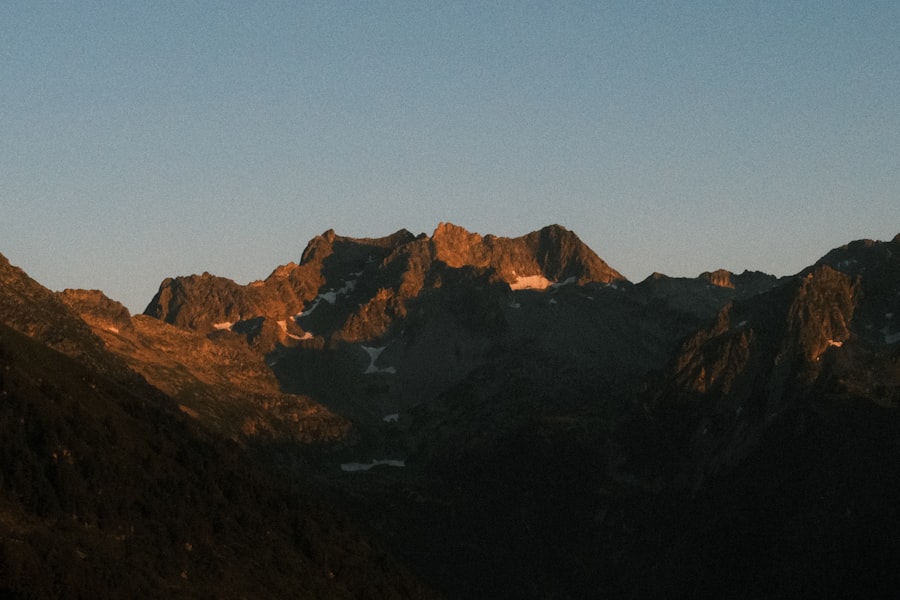
The drive from Queenstown to the small settlement of Glenorchy is widely regarded as one of the most beautiful road trips in the world. Stretching for 46 kilometers along the edge of Lake Wakatipu, this winding road offers endless opportunities to capture the dramatic meeting of water and stone. As you drive further north, the mountains become larger, steeper, and more imposing, culminating in the snow-capped peaks of Mount Aspiring National Park. This route is highly recommended by travel platforms like TripAdvisor for its unmatched scenic beauty and easy roadside access.
Finding the Perfect Reflection at Bennetts Bluff
Bennetts Bluff Lookout is the crown jewel of this scenic drive. Located about halfway to Glenorchy, a newly upgraded viewing platform offers a breathtaking, elevated view looking north up the lake towards the Humboldt Range. The composition here is classic: the sweeping S-curve of the lake shores guides the eye directly toward the massive, snow-draped peak of Mount Alfred. On a calm, windless morning, the entire mountain range reflects perfectly in the glass-like surface of the lake, creating a symmetrical masterpiece.
Capturing the Moody Vibe of the Dart Valley
If you continue past Glenorchy to the start of the Routeburn Track, you will enter the dramatic Dart River valley. The vibe here is completely different from the sunny slopes of Queenstown. Thick beech forests, hanging glaciers, and braided riverbeds create a wild, primeval atmosphere. To capture this moody environment, look for low-hanging clouds wrapping around the forested slopes. Use a telephoto lens to compress the layers of the landscape, highlighting the contrast between the dark green forest canopy and the cold, white glacial ice high above.
Pro Photography Tips: The best time to shoot along the Glenorchy Road is early morning. Not only will you experience the calmest winds for perfect reflections, but you will also avoid the heavy tourist traffic, giving you the freedom to set up your tripod without distraction.
The Rugged Beauty of Coronet Peak
Coronet Peak is another fantastic destination among the top Queenstown mountain photography spots. Located just a short 20-minute drive north of the town center, this peak offers a completely different perspective than the Remarkables. Looking out from the viewing areas, you are treated to a stunning view of the green Arrowtown basin, the shimmering waters of Lake Hayes, and the dramatic entrance to the Skippers Canyon. The rolling, tussock-covered slopes of Coronet Peak provide a soft, golden texture that contrasts beautifully with the sharp rocky ridges in the distance.
- Golden Hour Heaven: The dry tussock grass catches the low-angle light of the setting sun, turning the entire landscape into a sea of glowing gold.
- Layered Mountains: Looking east, you can capture multiple layers of mountain ridges fading into the blue haze of the horizon, perfect for minimalist landscape shots.
- Skippers Canyon Overlook: Just below the main ski field road, you can access the historic Skippers Canyon road lookout, offering dramatic views of sheer cliffs and deep gorges.
During the winter months, Coronet Peak hosts night skiing sessions, which opens up incredible opportunities for night landscape photography. You can capture the glowing ski trails winding down the mountain under a brilliant canopy of stars, with the distant lights of Arrowtown glowing in the valley below. This unique combination of human activity and alpine wilderness makes for incredibly dynamic and modern compositions.
The Majestic Summit of Isthmus Peak
For the truly adventurous photographer, a trip north toward Lake Wanaka to hike Isthmus Peak is an absolute must. While this spot requires a demanding 16-kilometer return hike with over 1,000 meters of elevation gain, the reward at the summit is unmatched. From the narrow ridge at the top, you can look down on two massive glacial lakes simultaneously: Lake Wanaka to the west and Lake Hawea to the east, both framed by towering, rugged mountain peaks.
Mastering the High-Altitude Composition
The key to photographing from the summit of Isthmus Peak is capturing the immense scale of the landscape. Use a wide-angle lens to include the dramatic grassy ridges in the foreground, which help establish a sense of depth. Look for hikers on the trail to use as a human scale element against the massive backdrop of the Southern Alps. The contrast between the deep blue water of the lakes on either side of the narrow ridge creates a striking, balanced composition that is sure to stand out in your portfolio.
Chasing the First Light of Dawn
To capture the absolute best conditions at Isthmus Peak, plan to start your hike in the dark with a reliable headlamp. Reaching the summit just as the first light of dawn begins to paint the eastern sky is an unforgettable experience. The soft, pastel colors of the pre-sunrise sky reflect beautifully on the calm lake waters below, while the surrounding peaks are kissed by the first warm rays of sunlight. Ensure you carry warm, windproof layers, as the summit can be incredibly cold and windy even during the summer months.
The Historic Charm of Arrowtown and Tobins Track
Just a short drive from Queenstown lies the historic gold-mining town of Arrowtown. Nestled at the base of the surrounding hills, this charming settlement offers a different style of mountain photography. During the autumn months of April and May, the hillsides surrounding the town erupt into a brilliant display of gold, orange, and red foliage. This is one of the most famous locations in New Zealand for capturing autumn colors against a dramatic mountain backdrop.
- Tobins Track Viewpoint: A steady 45-minute walk up this historic track brings you to a high plateau offering spectacular views of the Wakatipu Basin and the Crown Range.
- The Crown Range Road: As the highest main road in New Zealand, the lookout points along the Crown Range offer incredible aerial views of the valleys below.
- Charming Heritage: Combine the natural beauty of the mountains with the historic stone cottages and leafy streets of Arrowtown for a classic, cozy winter vibe.
Whether you are exploring the easily accessible roadside lookouts of the Glenorchy Road or hiking to the rugged summits of the region's highest peaks, the incredible variety of Queenstown mountain photography spots ensures that every photographer will find their perfect shot. By planning your shoots around the golden hours of sunrise and sunset, paying close attention to your compositions, and embracing the ever-changing alpine weather, you will return home with a collection of breathtaking images that truly capture the wild, untamed spirit of New Zealand's South Island.
Frequently Asked Questions
What are the best mountain photography spots in Queenstown for sunrise?
Bob's Peak and Ben Lomond offer stunning sunrise views, with golden light hitting the Remarkables. Arrive early to catch the best colors over Lake Wakatipu.
Are there any easy-access mountain photography locations in Queenstown?
The Skyline Gondola takes you to Bob's Peak, providing panoramic views without a strenuous hike—ideal for quick shoots.
What is the best time of year for mountain photography in Queenstown?
Autumn (March-May) offers vibrant foliage and clear skies, while winter (June-August) gives snow-capped peaks and dramatic light.
Do I need a permit for mountain photography in Queenstown?
Most public spots like Bob's Peak or Ben Lomond are free, but some commercial or drone photography may require a permit from the local council.
What gear is recommended for photographing Queenstown's mountains?
A wide-angle lens captures the vast landscapes, and a telephoto lens for isolating peaks. A tripod and polarizing filter help manage bright skies and low light.

Oliver Janssen scouts the best photography spots in every destination, from sunrise viewpoints to overlooked angles on famous landmarks. He shares exactly where to stand and when to be there for the shot.
💬 Comments (0)
No comments yet. Be the first!