Oahu Seascape Photography Spots: A Visual Guide
Our expert guide to the best Oahu seascape photography spots for capturing dramatic Pacific waves in 2026.
If you are a photographer looking to capture the raw power of the Pacific Ocean, exploring the best Oahu seascape photography spots will be the highlight of your creative journey. The island of Oahu offers an incredible variety of coastal landscapes, ranging from serene, turquoise lagoons to explosive blowholes and jagged volcanic cliffs. Whether you are a seasoned professional or a passionate hobbyist, this visual guide will help you navigate the island's most photogenic coastal locations, ensuring you capture the perfect shot every single time.
In this guide, we will dive deep into the specific locations that offer the most dramatic coastal views. We will discuss how to master your composition, what gear you need to pack, and how to read the unique Hawaiian lighting to elevate your portfolio. Grab your camera, pack your tripod, and let's explore the breathtaking coastline of Oahu.
1. Halona Blowhole and Cove: Capturing Raw Ocean Power
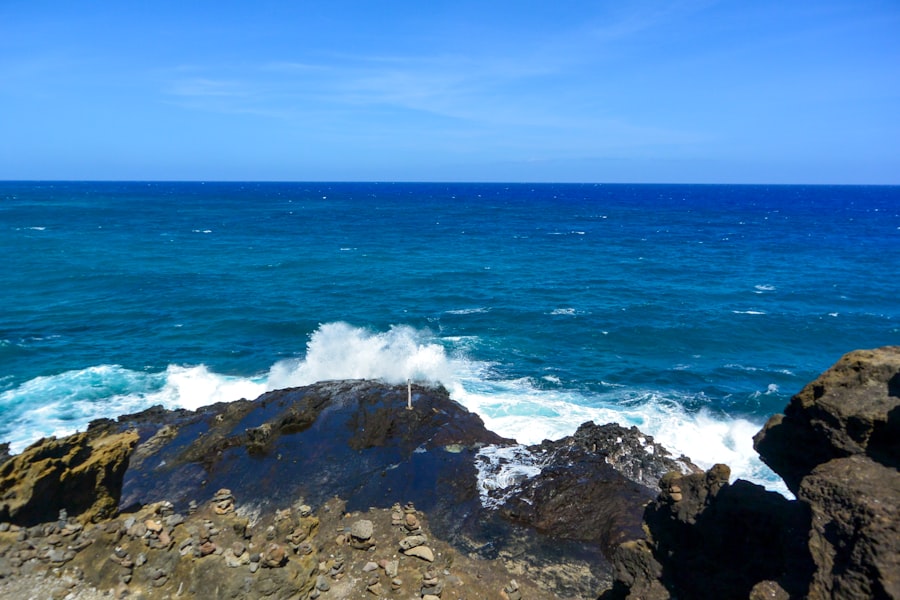
Located on the rugged southeastern coast of Oahu, the Halona Blowhole is a natural wonder formed thousands of years ago by molten lava tubes. When the ocean swells are high, pressure forces water through a narrow fissure in the rock, sending a dramatic geyser of saltwater up to thirty feet into the air. This spot offers an incredible display of nature's power, making it one of the premier Oahu seascape photography spots for action and long-exposure shots.
Best Angles and Composition at Halona
To capture the true scale of the blowhole, set up your tripod on the lookout platform. Use a telephoto lens (70-200mm) to compress the scene and bring the dramatic spray closer to your frame. If you want a more dynamic composition, look down into the adjacent Halona Cove (famously featured in classic cinema). Use the curved rock walls of the cove to create strong leading lines that draw the viewer's eye from the sandy beach out to the crashing waves.
Optimal Lighting and Camera Settings
The lighting at Halona is best during the early morning hours just after sunrise. The morning sun hits the cliffs directly, highlighting the warm, red, and black textures of the volcanic rock. To capture the spray of the blowhole with crystal clarity, use a fast shutter speed of at least 1/1000s. Alternatively, if you want a dreamy, ethereal vibe, use a 6-stop neutral density (ND) filter and slow your shutter down to 2 or 3 seconds to turn the churning ocean into soft, silky mist.
Pro Photography Tip: Keep a microfiber cloth handy at all times. The salty sea spray at Halona is intense, and you will need to wipe your lens element between almost every shot to prevent water spots from ruining your contrast.
2. Makapuu Point: Dramatic Cliffs and Historic Lighthouses
Just a short drive past Halona, you will find Makapuu Point, the easternmost tip of Oahu. This location is famous for its towering dark cliffs, deep blue water, and the iconic red-roofed Makapuu Lighthouse built in 1909. The panoramic views from this vantage point are absolutely unmatched, offering photographers a classic Hawaiian coastal vista.
Framing the Iconic Red-Roofed Lighthouse
To get the best shot of the lighthouse, embark on the paved Makapuu Lighthouse Trail. About three-quarters of the way up, look for safe off-trail clearings that offer an unobstructed view of the lighthouse perched on the cliffside. Use the rugged dark lava rocks in the foreground for framing, and position the lighthouse in the upper-right third of your frame. The contrast between the red roof of the lighthouse, the deep blue of the ocean, and the green offshore islands is striking.
- Vibe: Majestic, windy, and grand.
- Key Elements: The historic lighthouse, Rabbit Island (Manana Island), and sweeping ocean horizons.
- Best Season: Winter months, when massive northern swells create giant waves crashing against the cliffs below.
3. Sandy Beach: The Shorebreak Masterpiece
Known locally as "Broke Neck Beach," Sandy Beach is famous for its notorious shorebreak. It is a legendary bodyboarding spot where massive waves break directly on the shallow sand. While it is highly dangerous for inexperienced swimmers, it is an absolute paradise for shorebreak and action water photographers.
Mastering the Shorebreak Composition
To photograph the waves at Sandy Beach, you want to get low. Crouching near the wet sand allows you to look up into the barrels of the waves as they fold over. Use a wide-angle lens (16-35mm) to capture the entire sweep of the wave, the sandy shore, and the sky above. This perspective emphasizes the height and power of the shorebreak, giving your viewer a front-row seat to the action.
Essential Gear for Water Photography
If you plan on getting close to the water, a dedicated underwater housing is highly recommended. For those staying dry on the beach, a fast telephoto zoom lens will allow you to capture the expressions of bodyboarders as they navigate the heavy surf. Keep your shutter speed high (1/2000s) to freeze the individual droplets of water thrown off by the wind.
Pro Photography Tip: Pay attention to the backwash. When a wave recedes, it creates a reflective mirror effect on the wet sand. Use this brief window to capture stunning reflections of the sky and the next incoming wave.
4. Lanikai Beach: Turquoise Waters and the Mokulua Islands
Moving over to the windward side of the island, Lanikai Beach is globally renowned for its powdery white sand and calm, glowing turquoise waters. What makes this one of the most sought-after Oahu seascape photography spots is the presence of the twin offshore islands, known as the Mokulua Islands (or "The Mokes"). According to travel guides on Lonely Planet, the windward coast offers some of the most postcard-perfect tropical scenery in the entire Pacific.
Capturing the Perfect Sunrise
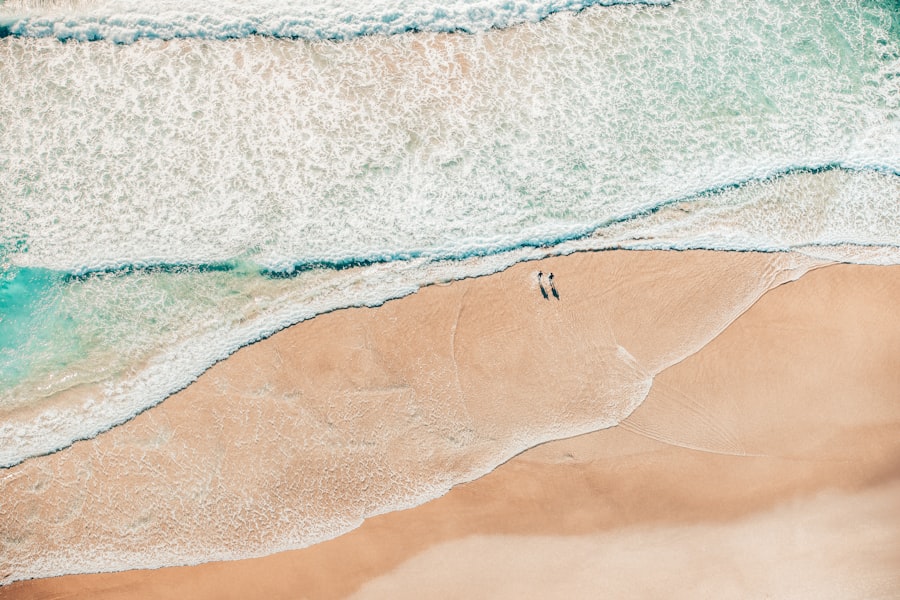
Unlike the south shore, Lanikai faces directly east, making it the ultimate location for sunrise photography. Arrive at least thirty minutes before the sun breaks the horizon to capture the pastel pinks, purples, and blues of the civil twilight. The calm waters of the reef-protected lagoon act as a giant mirror, reflecting the colorful sky and framing the twin islands perfectly in the center of your shot.
- Composition: Use the swaying palm trees lining the beach to frame the Mokulua Islands.
- Lighting: Soft, warm, directional morning light that illuminates the white sand from the side.
- Vibe: Peaceful, serene, and quintessentially tropical.
5. Shark's Cove: Volcanic Tide Pools and Golden Hour Reflections
Located on the legendary North Shore of Oahu, Shark's Cove is a rocky bay filled with intricate lava formations, tide pools, and diverse marine life. It is highly rated on platforms like TripAdvisor for snorkeling in the summer, but for photographers, the volcanic shelves offer endless opportunities for creative compositions during the golden hour.
Exploring the Tide Pool Reflections
When the tide goes out, the lava flatlands at Shark's Cove trap water in shallow pools. These pools become perfectly still, creating flawless natural mirrors. Position your camera just inches above the water level of a tide pool. This ultra-low angle will allow you to capture a perfect double image of the dramatic North Shore sunset and the rugged clouds above.
Navigating the Volcanic Terrain Safely
The lava rock at Shark's Cove is incredibly sharp and can be very slippery. Always wear sturdy, closed-toe water shoes when exploring this area. Never turn your back on the ocean, as unexpected rogue waves can wash over the ledge, potentially damaging your gear or putting your safety at risk.
6. Spitting Cave: Dramatic Cliffs and Deep Blue Abyss
Hidden away in a quiet residential neighborhood in Portlock, Spitting Cave is a dramatic, sheer cliff formation that drops straight down into the deep blue ocean. The cave gets its name from the action of the waves; as swell enters the submerged cave, the air pressure compresses and violently "spits" the water back out in a massive burst of white foam.
The Scale of the Sea Cliffs
The sheer height of the cliffs at Spitting Cave provides an incredible sense of scale. To emphasize this, include a human element in your frame (such as a friend sitting safely away from the edge) to show just how massive the volcanic walls are. The deep, rich blue of the ocean here is unlike anywhere else on the island, contrasting beautifully with the warm, layered sediment of the cliffs.
- Best Angle: Look left along the coastline to capture the layered patterns of the rock shelves as they meet the water.
- Camera Settings: Use a circular polarizer filter to cut through the surface glare of the ocean, revealing the deep turquoise depths near the cliff edge.
- Safety Note: There are no guardrails here. Keep a safe distance from the edge, especially during high surf events.
Conclusion: Planning Your Oahu Seascape Adventure
Photographing the diverse coastlines of Oahu is an unforgettable experience. From the explosive action at the Halona Blowhole to the tranquil, glowing sunrises of Lanikai Beach, the island offers an endless array of visual stories waiting to be told. When planning your route to these incredible Oahu seascape photography spots, always check the local tide tables, surf reports, and weather forecasts. By understanding the unique relationship between the island's volcanic geography, ocean swells, and golden light, you will return home with a stunning collection of images that truly capture the spirit of Hawaii.
Frequently Asked Questions
What are the best Oahu seascape photography spots for beginners?
Sandy Beach Park and Lanikai Beach offer easy access and dramatic waves, making them ideal for beginners. Both provide stunning backdrops with minimal hiking required.
When is the best time of day to photograph seascapes on Oahu?
Golden hours—just after sunrise and before sunset—provide soft, warm light that enhances textures and colors. Midday sun can create harsh shadows and overexposed highlights.
Are there any hidden or less-crowded seascape spots on Oahu?
Yes, spots like Makapuu Tide Pools and Kaena Point offer secluded views with unique rock formations. These require a bit of a hike but reward with pristine, uncrowded scenes.
What camera settings are recommended for capturing Oahu's ocean motion?
Use a fast shutter speed (1/500s or faster) to freeze waves, or a slow shutter (1-2 seconds) with a tripod for silky water effects. Adjust ISO and aperture to maintain proper exposure.
Do I need special permits to photograph seascapes on Oahu?
Most public beaches and parks are free to photograph, but some areas like Hanauma Bay require entry fees or permits. Always check local regulations, especially for commercial shoots.

Oliver Janssen scouts the best photography spots in every destination, from sunrise viewpoints to overlooked angles on famous landmarks. He shares exactly where to stand and when to be there for the shot.
💬 Comments (0)
No comments yet. Be the first!