Best Monterey coastal photography spots
Explore the ultimate Monterey coastal photography spots in 2026 to capture rugged California cliffs and ocean views.
Best Monterey coastal photography spots
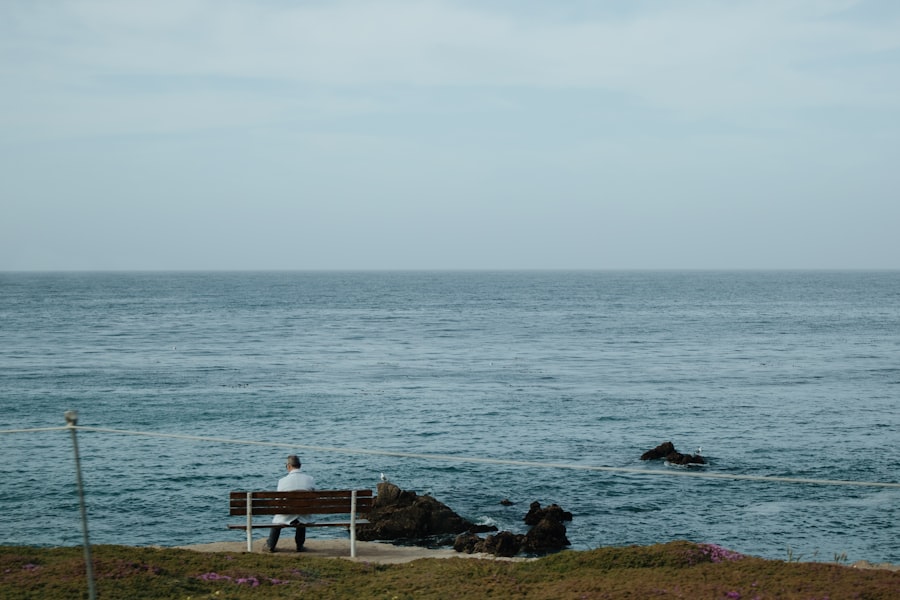
When you pack your camera gear for a trip to the rugged California edge, finding the best Monterey coastal photography spots becomes your ultimate creative mission. There is a distinct magic to this stretch of the Pacific coast. The air smells of rich saltwater and damp cypress pine, and the heavy marine layer constantly shifts, painting the landscape in moody blues and warm, golden highlights. Whether you are a seasoned professional with a bag full of neutral density filters or an enthusiastic smartphone shooter looking for that perfect frame, the Monterey Peninsula offers an incredible variety of dramatic seascapes, ancient trees, and abundant marine wildlife.
Capturing the essence of this wild coastline requires more than just pointing and shooting. It demands an understanding of how the Pacific light interacts with the jagged granite cliffs, how the tide pools reflect the changing sky, and how the local microclimates can transform a scene in a matter of minutes. In this comprehensive guide, we will explore the absolute finest locations along this legendary shoreline, complete with technical advice, compositional ideas, and historical context to help you capture breathtaking images.
1. The Dramatic Cliffs of Point Lobos State Natural Reserve
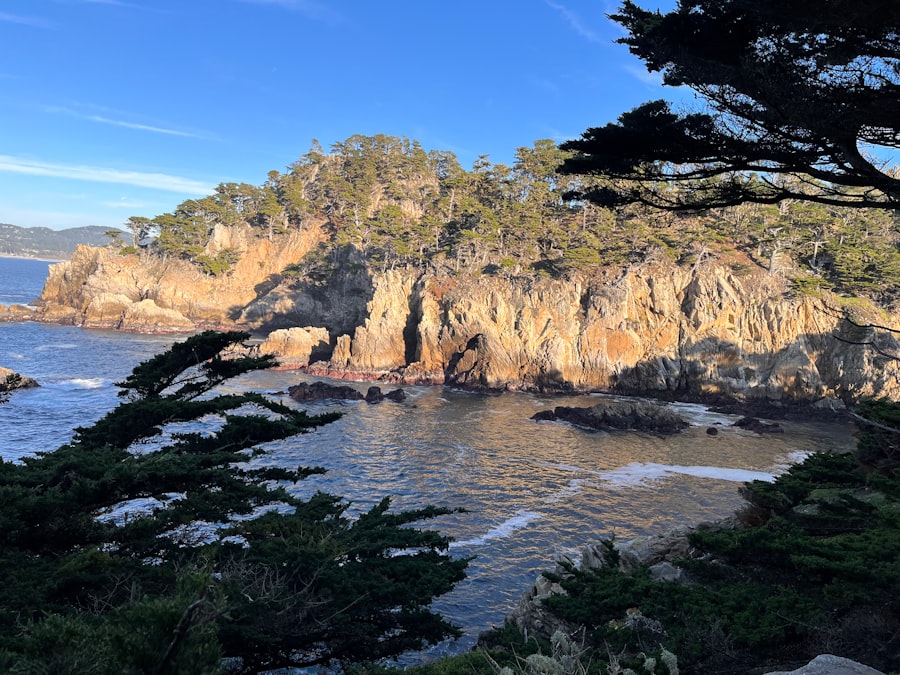
Often referred to as the crown jewel of the California state park system, Point Lobos is an absolute paradise for landscape photographers. The reserve features a series of jagged headlands, hidden coves, and ancient Monterey cypress trees that cling precariously to the rocky cliffs. The sheer geological variety here provides endless opportunities to practice your framing and composition. Historically, this area was used for whaling and coal mining in the 19th century, but today it stands as a pristine sanctuary where nature reigns supreme. The energy here is raw, wild, and deeply inspiring.
Best Angles and Composition at Cypress Cove
Cypress Cove is famous for its gnarled, orange-tinted cypress trees that frame the deep turquoise waters below. To capture the ultimate shot, use a wide-angle lens and position yourself low to the ground. Use the twisting roots of the cypress trees as natural leading lines that guide the viewer’s eye from the foreground directly to the crashing waves in the background. The contrast between the warm, orange algae growing on the bark and the cool blues of the ocean creates a stunning color harmony that pops in any portfolio.
Mastering the Lighting at Bird Island Lookout
Bird Island Lookout offers a spectacular view of a white sand beach and a rocky island teeming with nesting seabirds. The lighting here is highly dynamic. During the late afternoon, the sun sinks low, casting long, dramatic shadows across the sandy cove and illuminating the mist kicked up by the crashing surf. If you visit on an overcast day, do not despair; the flat, diffused light is actually perfect for capturing the deep emerald tones of the water without harsh, distracting highlights.
Pro Photography Tips: When shooting at Point Lobos, bring a sturdy tripod and a circular polarizer. The polarizer is essential for cutting through the glare on the water surface, allowing you to capture the vibrant colors of the submerged kelp forests and tide pools below the cliffs.
- Best Time to Visit: Early morning for quiet trails and soft mist, or late afternoon for golden hour glow.
- Key Gear: Polarizing filter, mid-range zoom lens, and sturdy tripod.
- Walking Directions: Park at the main reserve lot and follow the Cypress Grove Trail for an easy 0.8-mile loop that leads directly to the cliff edges.
2. The Windswept Beauty of Lovers Point Park
Located in the charming town of Pacific Grove, Lovers Point Park has been a popular gathering place for over a century. This east-facing peninsula is unique because it is one of the very few spots on the West Coast where you can actually watch the sun rise over the water. The vibe here is incredibly peaceful, with manicured green lawns giving way to red granite boulders and small sandy beaches. It is an ideal spot for capturing the softer side of the Monterey shoreline, where the water is often calmer and the colors are extraordinarily pastel.
For photographers, the main attraction is the dramatic rock outcroppings that jut into the bay. These rocks are constantly battered by gentle waves, making them perfect for long-exposure photography. By using a neutral density filter, you can flatten the movement of the water, turning the incoming waves into a dreamy, ethereal mist that wraps around the red rocks. This technique emphasizes the timeless, serene quality of the Pacific Grove coastline.
To plan your journey along this beautiful coastline, you can find helpful travel tips and local accommodation guides on popular travel resources like TripAdvisor.
3. The Iconic Lone Cypress along 17-Mile Drive
No list of Monterey coastal photography spots would be complete without mentioning the legendary Lone Cypress. Perched precariously on a granite hillside overlooking the Pacific Ocean, this iconic tree has withstood the fierce elements for over 250 years. It serves as a symbol of resilience and natural beauty, drawing visitors from all over the world. The composition here is classic, but capturing a unique perspective requires careful attention to detail and timing.
Framing the Perfect Shot at Sunset
Because the tree is fenced off for its own protection, your framing options are somewhat locked into the designated viewing platforms. To make your shot stand out, focus on the sky and the surrounding ocean. Sunset is the absolute prime time to shoot the Lone Cypress. As the sun dips below the horizon, the sky behind the tree often erupts in brilliant shades of pink, orange, and purple. Try using a telephoto lens to compress the scene, bringing the distant waves and the colorful sky closer to the silhouette of the tree.
Managing High Contrast and Exposure
The bright sky and dark silhouette of the tree can present a challenging dynamic range for your camera sensor. To combat this, utilize bracketed exposures. Take one shot exposed for the highlights in the sky, and another exposed for the details in the rocky cliffs. You can easily blend these images later in editing software to create a perfectly balanced, high-dynamic-range masterpiece that looks exactly as your eyes saw it.
Pro Photography Tips: Use a split gradient neutral density filter to darken the sky while keeping the rocky foreground bright and detailed. This keeps your exposure balanced in-camera and saves you valuable time during post-processing.
- Best Time to Visit: 30 minutes before sunset through the blue hour.
- Key Gear: Telephoto lens (70-200mm) and a graduate ND filter.
- Walking Directions: Enter the 17-Mile Drive gate, follow the coastal road signs to Stop Number 16, and park in the dedicated Lone Cypress parking lot. The viewing platform is just steps from your car.
4. The Rugged Splendor of Asilomar State Beach
Asilomar State Beach is a wild, sandy, and rocky stretch of coast that perfectly embodies the untamed spirit of Northern California. The name "Asilomar" translates to "a refuge by the sea," which is exactly the vibe you feel the moment your boots hit the sand. This beach is famous for its sweeping dunes, complex tide pools, and massive waves that crash against the offshore reefs. It offers a much more open, expansive feel than the enclosed coves of Point Lobos.
When photographing Asilomar, focus on the grand scale of the landscape. The wooden boardwalks that wind through the restored sand dunes provide fantastic leading lines for wide-angle compositions. In the spring, the dunes are covered in vibrant pink ice plants and yellow wildflowers, adding a brilliant splash of color to your foreground. As the tide goes out, explore the exposed rocky shelves to find perfect reflections in the calm tide pools, capturing the dramatic sky mirrored at your feet.
If you are looking to expand your itinerary beyond the coastal spots, check out detailed region overviews on trusted travel platforms like Lonely Planet to discover more hidden gems in the area.
5. Historical Charm at the Old Coast Guard Pier
Located near the bustling Monterey Bay Aquarium and Cannery Row, the Old Coast Guard Pier offers a fantastic blend of historical architecture and wildlife photography. The pier itself stretches out into the calm waters of the harbor, providing a unique vantage point looking back at the Monterey harbor skyline. The weathered wooden pilings, rusted metal chains, and historic boats moored in the harbor give this location a very rustic, nautical vibe.
Capturing Marine Wildlife in Action
This pier is one of the best Monterey coastal photography spots for wildlife enthusiasts. It is home to a massive colony of California sea lions, harbor seals, and Southern sea otters. The animals love to sun themselves on the rocks lining the jetty and the wooden platforms under the pier. To capture these quick-moving creatures without disturbing them, you will need a telephoto lens of at least 300mm. Look for moments of interaction, such as sea lions barking at one another or otters grooming themselves in the kelp.
Using Creative Angles on the Jetty
Instead of just shooting from the top of the pier, walk down toward the rocky breakwater. This lower angle puts you at eye level with the water and the wildlife, creating a much more intimate and engaging perspective. Be sure to watch your footing on the wet, slippery rocks, and always keep an eye on the incoming swells to ensure your safety while capturing the action.
- Best Time to Visit: Mid-morning when the sea lions are most active and the harbor fog begins to burn off.
- Key Gear: Telephoto zoom lens and fast shutter speeds to freeze wildlife movement.
- Walking Directions: Park at the Cannery Row parking garage and walk down to the harbor spit next to San Carlos Beach. The pier is fully accessible to the public.
6. The Moody Atmosphere of Garrapata State Park
Located just a few miles south of Monterey on the northern edge of the Big Sur coast, Garrapata State Park is a dream location for photographers who love moody, dramatic landscapes. This park is characterized by steep, towering cliffs that plunge directly into the roaring Pacific Ocean, deep redwood canyons, and coastal bluffs that are blanketed in thick fog during the summer months. The vibe here is completely wild and isolated, offering a stark contrast to the more manicured areas of the peninsula.
The best composition spots at Garrapata are found along the bluff-top trails. Here, you can frame the massive ocean swells as they collide with the sheer rock faces, sending white spray high into the air. During the spring, the coastal valleys are filled with thousands of wild calla lilies, creating a surreal scene where delicate white flowers bloom right next to the crashing waves. To capture this unique contrast, use a low angle to position the lilies in the foreground, using a small aperture like f/16 to keep both the flowers and the distant ocean cliffs in sharp focus.
Frequently Asked Questions
What are the best spots for capturing Monterey's rugged coastline?
The best spots include Point Lobos State Natural Reserve, Garrapata State Park, and Big Sur's overlooks, which offer dramatic cliffs and ocean views.
When is the best time of day to photograph the Monterey coast?
Golden hours around sunrise and sunset provide the most dramatic lighting, while mornings often have calmer water and fewer crowds.
What equipment is essential for photographing Monterey's coast?
A wide-angle lens for sweeping seascapes, a sturdy tripod for long exposures, and a polarizing filter to reduce glare on water.
Are there any hidden photography gems not on typical tourist routes?
Yes, spots like Carmel River State Beach, Moss Landing's harbor, and Jacks Peak County Park offer unique perspectives with fewer people.
What should I know about tides and weather for coastal shooting?
Always check tide charts and weather forecasts, as low tides reveal tide pools and rock formations, and fog can add moody atmosphere.

Oliver Janssen scouts the best photography spots in every destination, from sunrise viewpoints to overlooked angles on famous landmarks. He shares exactly where to stand and when to be there for the shot.
💬 Comments (0)
No comments yet. Be the first!