Lyon Traboules Photo Spots: Secret Alley Guide
Discover the best Lyon traboules photo spots in 2026. Master low-light framing inside these secret renaissance passageways.
Lyon Traboules Photo Spots: Secret Alley Guide
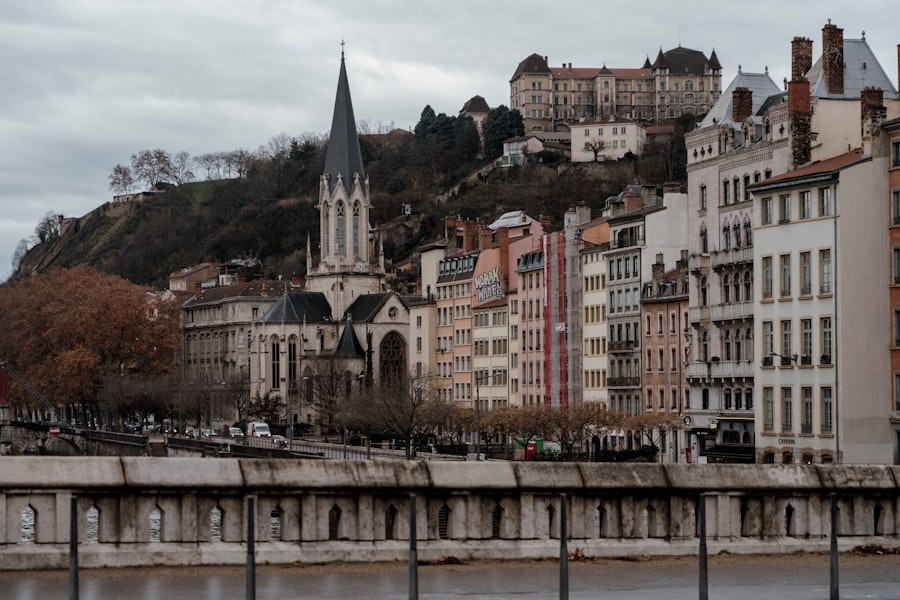
Finding the perfect Lyon traboules photo spots is like stepping into a living, breathing time machine made of stone, spiral staircases, and hidden courtyards. These secret passageways, unique to the historic heart of Lyon, France, were originally built in the fourth century to help silk weavers transport their precious fabrics safely from the hills of Croix-Rousse to the merchants down below. Today, they serve as a dream playground for travel photographers looking to capture the ultimate moody, architectural aesthetic. If you want to elevate your photography game, this guide will take you through the most photogenic, secret, and historic corners of Lyon.
The Magic of Lyon Hidden Passageways
The traboules are not just simple corridors; they are architectural marvels that weave beneath residential buildings, connecting parallel streets through beautiful internal courtyards. Walking through them feels like uncovering a medieval secret. For photographers, these spaces offer a masterclass in light and shadow. The way the sun filters down from a tiny patch of sky several stories above creates a dramatic, high-contrast vibe that you cannot replicate on open streets.
Because these passages are still located within active residential properties, they possess a quiet, reverent atmosphere. As you explore, you will find textured pastel walls, ancient wooden doors, and sweeping stone arches that frame your shots perfectly. It is an immersive visual experience that requires patience, a keen eye for detail, and a deep respect for the locals who call these historic buildings home.
La Longue Traboule: The Ultimate Architectural Tunnel
As the longest and most famous passageway in the Vieux Lyon district, La Longue Traboule is a must-visit location for any visual creator. This incredible corridor cuts through four distinct buildings and connects Rue du Boeuf to Rue Saint-Jean. The journey through this passage feels like navigating a beautiful, stony labyrinth.
Capturing the Depth and Symmetry
The sheer length of La Longue Traboule offers incredible opportunities to play with vanishing points and leading lines. When you stand at one end of the tunnel, the repeating stone arches create a natural framing effect that draws the viewer's eye deep into the center of the image. To capture this scale, use a wide-angle lens and set your camera to a low aperture to keep the entire length of the tunnel in sharp focus.
Mastering the Low Light Vibe
Because this passageway is mostly covered, the natural illumination is highly directional. The areas directly beneath the open-air skylights will be bright, while the connecting tunnels remain cast in deep shadow. This extreme contrast requires careful exposure management. According to Lonely Planet travel experts, visiting early in the morning is the best way to avoid crowds and capture the quiet, moody essence of these historic stone corridors without unwanted subjects in your frame.
Pro Photography Tips: Set your camera to Aperture Priority mode and keep your ISO slightly elevated (around 800 to 1600) to compensate for the dark interiors. Keep your camera level to prevent the vertical lines of the historic columns from distorting in your final composition.
Cour des Voraces: The Silk Weavers Monumental Staircase
Located on the slopes of the Croix-Rousse hill, the Cour des Voraces is perhaps the most visually striking of all the Lyon traboules photo spots. This location is famous for its massive, six-story open-air stone staircase that crisscrosses across a towering courtyard wall. It has a gritty, industrial, and historic vibe that stands in stark contrast to the softer, Renaissance-style passages of the old town.
- Location: Access from 9 Place Colbert or 14-16 Rue Imbert-Colier.
- Historical Significance: This site was a central hub during the Canut silk workers revolts of the 19th century.
- Key Visual Elements: Geometric concrete stair flights, weathered orange plaster, and soaring vertical lines.
To photograph the Cour des Voraces, you want to stand at the very bottom of the courtyard and look straight up. This extreme low-angle perspective emphasizes the dizzying height of the staircase and creates a powerful, graphic composition. The geometric angles of the stairs cut across the frame, dividing the background into beautiful segments of light and shadow.
Maison du Crible and the Pink Tower
If you are searching for a fairytale aesthetic, the Tour Rose (Pink Tower) located inside the Maison du Crible courtyard is your dream destination. Tucked away behind an unassuming door on Rue du Boeuf, this Renaissance-era courtyard features a striking circular tower painted in a soft, warm pastel pink. A sweeping spiral staircase winds up the interior of the tower, visible through open arched windows.
Finding the Perfect Framing
The best way to photograph the Pink Tower is to use the surrounding Renaissance archways as a natural frame. By positioning yourself in the darker entry corridor, you can shoot outward into the sunlit courtyard. This technique, known as framing within a frame, adds immense depth to your photograph and makes the pastel pink tower pop against the darker foreground elements.
Chasing the Golden Hour Lighting
The stucco walls of the Tour Rose glow with incredible warmth when the sun is low in the sky. Late afternoon lighting reflects off the warm plaster, creating a soft, dreamy ambiance that is perfect for portraiture or architectural detail shots. As recommended by travelers on TripAdvisor, the courtyard can get busy with tour groups, so planning your shoot for mid-morning or late afternoon ensures you get the quiet, magical atmosphere needed for clean shots.
Pro Photography Tips: Use a polarising filter to manage the reflections on the old glass windows of the tower and to bring out the rich, saturated tones of the pink ochre plaster. If you are shooting on a smartphone, tap on the brightest part of the tower to ensure your highlights are not blown out.
Secret Passages of Rue Saint-Jean
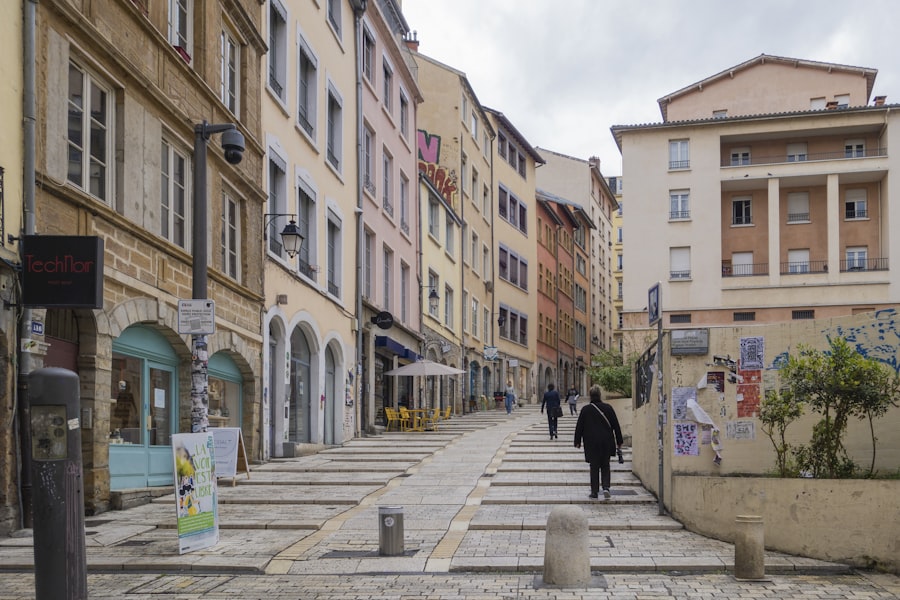
Rue Saint-Jean is the bustling main artery of the old town, but behind its lively storefronts lie some of the most serene Lyon traboules photo spots. These passages are characterized by quiet, domestic courtyards filled with winding stone steps, hanging green ivy, and beautiful old wooden doors with brass fixtures.
- 27 Rue Saint-Jean: Features a gorgeous courtyard with twin spiral staircases and beautiful Gothic architectural details.
- 54 Rue Saint-Jean: A long, winding passage that opens up into a spectacular gallery-style courtyard with wooden overhead beams.
- 10 Rue Lainerie: A nearby hidden gem boasting a spectacular spiral staircase made of dark, weathered stone that looks like something out of a fantasy film.
When exploring these locations, look for the smaller details. Close-up shots of iron door handles, ancient keyholes, and moss growing in the cracks of the stone steps add texture and narrative to your travel gallery. These smaller, intimate details help tell the complete story of Lyon's hidden architectural heritage.
Essential Gear and Camera Settings for Interior Passages
Photographing these hidden corridors presents unique challenges due to the tight spaces and highly variable lighting conditions. Having the right gear and knowing how to configure your settings will make a massive difference in the quality of your images.
First, a wide-angle zoom lens (such as a 16-35mm on a full-frame sensor) is absolutely essential. The courtyards are incredibly tight, and a standard lens will not allow you to capture the full height of the staircases or the sweeping lines of the tunnels. Additionally, because tripods are often impractical and discouraged in these narrow residential pathways, you will need to rely on hand-held shooting.
- Aperture: Use f/4 or f/5.6 to keep your architectural details sharp while letting in enough light.
- Shutter Speed: Keep your shutter speed at a minimum of 1/125s to avoid camera shake when shooting hand-held.
- Focusing: Use single-point autofocus to target specific architectural elements, like a decorative column or a window frame, ensuring your main subject is perfectly sharp.
- HDR Mode: Turn on High Dynamic Range (HDR) to help balance the bright sky above the courtyards with the deep shadows of the ground-level tunnels.
Respectful Photography in Private Spaces
It is important to remember that many of the best Lyon traboules photo spots are located on private residential property. The local residents generously allow visitors to pass through their historic courtyards, but this access is a privilege that can be revoked if visitors are disruptive.
Always keep your voice down to a whisper as you explore these enclaves. Avoid taking direct photos through the ground-floor windows of private apartments, and never block the staircases or doorways with your camera gear. By being a respectful photographer, you help ensure that these beautiful, historic secret passages remain open for future visual creators to discover and document.
Frequently Asked Questions
What are the best Lyon traboules photo spots for beginners?
Start with the Cour des Voraces and the Traboule de la Tour Rose, as they are easily accessible and offer dramatic staircases and colorful walls. These spots are well-lit and less crowded during weekday mornings.
Are Lyon traboules free to visit and photograph?
Yes, all traboules are free and open to the public, but respect the privacy of residents and avoid using flash inside. Most are accessible during daylight hours, but some private courtyards may close at certain times.
What is the best time of day to photograph traboules?
Late morning or early afternoon provides the best natural light filtering through skylights and windows, highlighting textures and shadows. Avoid midday harsh light and late evening when doors may be locked.
How do I find hidden traboules that are less touristy?
Look for unmarked doors in Vieux Lyon and Croix-Rousse, and use a detailed traboule map or app to locate lesser-known ones like the Traboule de la Cour des Fantasques. Exploring side streets and asking local shopkeepers can reveal secret passages.
What camera settings work best for shooting inside traboules?
Use a wide-angle lens with a low ISO and a tripod for sharp, long exposures in dim light. If handholding, set a wide aperture (f/2.8 or lower) and increase ISO to 800-1600 to avoid blur.

Sophie Lefebvre writes about the most photogenic places to visit, pairing stunning locations with the practical details of getting there. She helps travellers find the views worth planning a whole trip around.
💬 Comments (0)
No comments yet. Be the first!