10 Best Jaipur Pink City Photo Spots
Explore the best Jaipur pink city photo spots in 2026, from symmetrical ancient stepwells to iconic peach-hued palace facades.
10 Best Jaipur Pink City Photo Spots
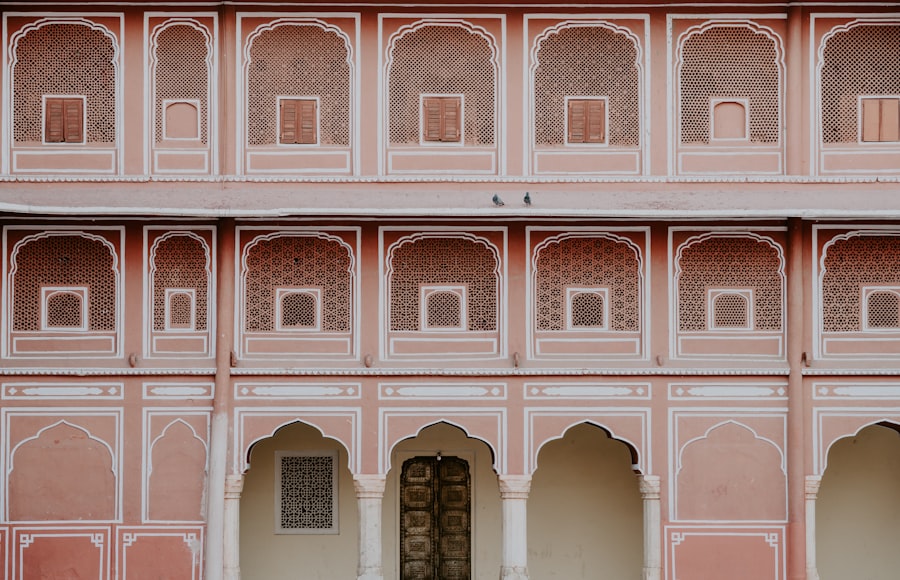
If you are looking to capture the ultimate royal aesthetic for your travel portfolio, finding the absolute best Jaipur pink city photo spots is the perfect place to start your creative journey. Known worldwide for its dusty-rose terracotta facades, symmetrical arches, and opulent Rajput architecture, the capital of Rajasthan is a dream come true for visual creators. From the glowing morning light reflecting off intricate jali screens to the dramatic silhouettes of ancient fortresses at sunset, Jaipur offers an endless playground of color and geometry. In this comprehensive guide, we will explore the most iconic, photogenic locations in the Pink City, detailing exactly how to frame your shots, when to visit for the best natural lighting, and how to capture the majestic vibe of this historic destination.
1. The Iconic Hawa Mahal (Palace of Winds)
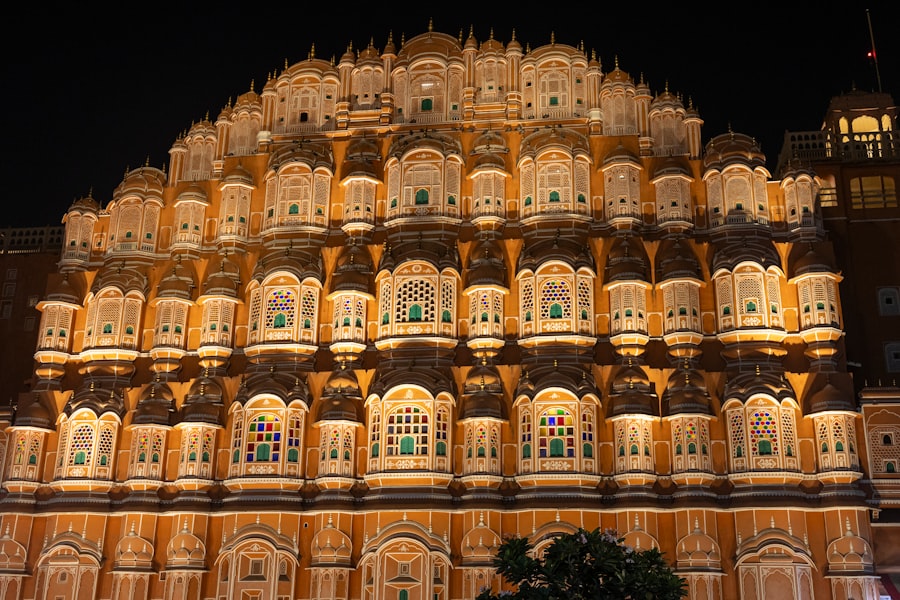
No trip to Rajasthan is complete without photographing the crown jewel of the old city. Built in 1799 by Maharaja Sawai Pratap Singh, this five-story palace features 953 small casements designed to allow royal ladies to observe everyday street life without being seen. The exterior resembles the crown of Lord Krishna and is a masterpiece of red and pink sandstone.
Best Angle and Composition at Hawa Mahal
To capture the entire facade of this architectural marvel, head directly across the street. The best framing is achieved from the rooftop cafes located opposite the palace, such as the Wind View Cafe or Tattoo Cafe. Use a wide-angle lens to capture the towering structure, or zoom in on the repetitive pattern of the tiny dome-topped windows to create a mesmerizing, symmetrical composition.
Optimal Lighting and Timing
The golden hour of early morning is the absolute best time to shoot here. As the sun rises in the east, it casts a warm, direct glow on the front facade of the Hawa Mahal, making the pink sandstone look incredibly vibrant. Arrive by 7:30 AM to beat the chaotic street traffic and secure a prime spot on the cafe balconies before the crowds arrive.
Pro Photography Tips: Use a polarizing filter to make the blue sky pop against the warm terracotta tones of the palace. For a dreamy human-element shot, position your subject on the edge of the rooftop cafe terrace looking out toward the monument, using the colorful local traffic below as a blurred background.
2. Patrika Gate at Jawahar Circle
While newer than the historic forts, the Patrika Gate has quickly become one of the most famous Jaipur pink city photo spots due to its breathtaking rainbow corridor. Serving as the monumental entrance to Jawahar Circle Garden, this gate features a series of majestic archways, each hand-painted with intricate murals depicting the history, culture, and rulers of Rajasthan.
- The Vibe: An explosion of pastel pinks, royal blues, rich yellows, and traditional Rajasthani artwork.
- Key Details: Look up to capture the incredibly detailed ceiling murals and floral patterns.
- Walking Directions: Located on the way to the airport, it is best reached by taking a local auto-rickshaw or taxi down Jawahar Circle road.
To capture the perfect depth-of-field shot, stand at one end of the long corridor and shoot straight down the center. The repeating arches create a natural framing effect that draws the viewer's eye deep into the photograph. Keep your camera level to maintain straight vertical lines and prevent architectural distortion.
3. City Palace and the Famous Peacock Gate
The City Palace lies at the heart of the old city, serving as a grand residence that blends traditional Rajput and Mughal architectural styles. While the entire complex is filled with photographic potential, the inner courtyard known as Pritam Niwas Chowk is the main attraction for photographers. This courtyard features four beautiful gates, each representing a different season and dedicated to a Hindu deity.
Photographing the Four Seasons Gates
The Peacock Gate, representing autumn, is the most celebrated gate due to its spectacular, three-dimensional mosaic of sparkling blue and green peacocks. The Lotus Gate, representing summer, features a stunning pattern of radiating flower petals. To shoot these gates, use a portrait lens with a wide aperture (such as f/1.8 or f/2.8) to blur the background slightly while keeping the intricate glasswork razor-sharp.
Navigating the Royal Courtyards
To explore more of this royal residence, you can book a special ticket to access the Chandra Mahal, the private living quarters of the royal family. Inside, you will find the iconic blue-and-white painted room, which offers a serene, luxurious vibe that contrasts beautifully with the warm pink tones found throughout the rest of the city. Check out the official visitor guidelines on TripAdvisor to plan your ticket purchases in advance.
4. The Symmetrical Beauty of Panna Meena Ka Kund
Located near the base of the mighty Amber Fort, Panna Meena Ka Kund is an ancient, eight-story stepwell dating back to the 16th century. This architectural wonder was designed to collect rainwater during the monsoon season and served as a social gathering place for the local community. Today, it stands as a monument to ancient engineering and geometric beauty.
Mastering the Geometric Composition
The stepwell is a masterpiece of symmetry, featuring crisscrossing yellow-plastered staircases that cascade down to a central pool of green water. The best composition is a head-on, symmetrical shot from the top edge of the well. Use the repeating triangular patterns of the stairs to lead the viewer’s eye through the frame. Play with shadows by visiting when the sun is at an angle, which casts dramatic, high-contrast shapes across the steps.
Pro Photography Tips: Please note that walking down onto the steps is often restricted by local guards to protect the structure. Respect the rules and focus on capturing creative, high-angle shots from the surrounding viewing platforms, utilizing a model standing at the top corner to show the grand scale of the well.
5. Amer Fort (Amber Palace)
Perched high on a hill overlooking Maota Lake, the Amer Fort is a massive, sand-colored fortress that should be at the top of every travel photographer's list. Built by Raja Man Singh I, the fort features grand courtyards, ornamental gardens, and the world-famous Sheesh Mahal (Mirror Palace), where the walls are adorned with thousands of tiny, imported convex mirrors that glitter like stars under candlelight.
- S Ganesh Pol: The main entry gateway decorated with beautiful fresco paintings and delicate mosaic work.
- Sheesh Mahal: Capture close-ups of the mirror reflections by using a manual focus setting to pinpoint the glittering details.
- Jaleb Chowk: The vast main courtyard where you can capture sweeping wide-angle landscape shots of the fort ramparts.
For a truly magical perspective, walk along the stone pathways overlooking the lake during the late afternoon. The warm sunlight hitting the golden fort walls contrasts beautifully with the cool shadows of the surrounding Aravalli Hills, creating a classic Rajasthani travel vibe. You can read more about the historical significance of this UNESCO World Heritage site on Lonely Planet.
6. Jal Mahal (The Water Palace)
Rising like a mirage from the center of Man Sagar Lake, the Jal Mahal is a captivating low-rise palace that appears to float on the water. Constructed from light pink sandstone, four stories of this five-story palace actually remain submerged when the lake is full. While visitors are not allowed inside the palace itself, the lakeside promenade offers some of the most scenic views in Jaipur.
Capturing the Floating Palace
To photograph this unique landmark, walk along the paved lakeside path lined with decorative stone railings and traditional street lamps. A telephoto lens is highly recommended here, as it allows you to compress the distance and pull the floating palace closer to your camera, highlighting the delicate arches and rooftop chhatris (dome-shaped pavilions).
Reflections and Golden Hour Magic
The best time to photograph Jal Mahal is during the sunrise or sunset when the lake water is calmest. On a windless morning, the lake acts as a perfect mirror, reflecting the soft pink hues of the palace and the pastel colors of the sky. For an artistic touch, include the local birds flying across the lake or frame your shot using the hanging branches of the lakeside trees.
7. Nahargarh Fort Sunset Viewpoint
To capture the ultimate panoramic view of the entire city layout, make your way up the winding mountain roads to Nahargarh Fort. Situated on the edge of the Aravalli Hills, this fort was built in 1734 to defend the city of Jaipur. Today, it is the premier spot for both locals and travelers to watch the sun dip below the horizon, painting the entire valley in shades of gold, orange, and deep purple.
Framing the City Skyline
Walk along the extensive fort walls and find a secure spot near the ramparts. Use a wide-angle lens to capture the vast expanse of the city grid below, showcasing how the old walled city stands out against the modern sprawl. If you have a zoom lens, search for recognizable landmarks like the Hawa Mahal or the City Palace rising above the surrounding rooftops.
Safety and Light Trails
As the sun sets and the city lights begin to flicker on, use a tripod to experiment with long-exposure photography. You can capture the winding mountain roads leading up to the fort illuminated by the light trails of ascending vehicles. Ensure you head back down before it gets too dark, as the mountain roads can be challenging to navigate at night.
8. Albert Hall Museum (Central Museum)
The Albert Hall Museum is the oldest museum in the state of Rajasthan, boasting a stunning example of Indo-Saracenic architecture. Designed by Sir Samuel Swinton Jacob, the building features incredibly detailed stone ornamentation, towering domes, and elegant archways that look spectacular from any angle.
- Daytime Photography: Capture the grand exterior with hundreds of pigeons flying around the courtyards.
- Nighttime Photography: The building is illuminated with vibrant, color-changing LED lights after dark.
- Composition Tip: Use a fast shutter speed (at least 1/1000s) to freeze the motion of the pigeons as they take flight in front of the museum.
The vibrant energy of this location is unmatched. By visiting in the late afternoon, you can capture the perfect blend of architectural grandeur, local street life, and the dynamic movement of the birds against the warm sandstone background.
9. The Vibrant Streets and Bazaars of the Walled City
To truly capture the authentic, bustling vibe of Jaipur, you must venture deep into the historic bazaars of the walled city, such as Johari Bazaar, Bapu Bazaar, and Tripolia Bazaar. These markets are lined with uniform pink-painted shops selling everything from colorful textiles and glittering bangles to traditional leather shoes and brass ornaments.
Documenting Street Life and Colors
This is the perfect place for candid street photography. Keep your camera gear minimal—a single prime lens like a 35mm or 50mm is ideal for moving quickly through the crowds. Look for visual contrasts, such as a local merchant dressed in a bright orange turban sitting inside a pastel-pink shopfront, or the colorful textiles hanging from the ceilings creating a natural frame around the busy shoppers.
Tips for Ethical Street Photography
When photographing local people, artisans, or shopkeepers, always ask for permission first with a friendly smile or a polite nod. Engaging with the locals not only leads to more intimate and expressive portraits but also enriches your overall travel experience in this historic city.
10. Galtaji Temple (The Monkey Temple)
Tucked away in a narrow mountain pass east of Jaipur, Galtaji is a historic Hindu pilgrimage site built around a series of natural freshwater springs. The temple complex is famous for its beautiful pink stone pavilions, carved pillars, and the large tribe of rhesus macaque monkeys that inhabit the ruins, earning it the nickname "The Monkey Temple."
Capturing the Sacred Pools and Architecture
The main temple building is nestled between two dramatic cliffs, creating an incredible sense of scale and adventure. Photograph the sacred water tanks (kunds) where pilgrims bathe against the backdrop of the crumbling, elegant pink pavilions. The natural light filtering through the gorge during the late afternoon creates a mysterious, ethereal atmosphere that is perfect for moody travel portraits.
Photographing the Wildlife responsibly
The monkeys are highly accustomed to human presence, making them fantastic subjects for wildlife portraiture. Use a lens with a long focal length to capture their expressions from a safe distance without disturbing them. Keep your camera straps secure and avoid carrying loose items or food, as the monkeys can be quite mischievous.
Frequently Asked Questions
When is the best time to photograph Jaipur's pink city?
Golden hour, just after sunrise or before sunset, provides the most flattering natural light and fewer crowds at major spots.
Are there any less-crowded photo spots besides Hawa Mahal?
Try the narrow lanes around Johari Bazaar or the steps at Panna Meena Ka Kund for unique shots with fewer tourists.
Do I need permission to take photos at these spots?
Most outdoor locations are free, but some palaces or museums may require a photography ticket or prohibit tripods.
What camera gear is recommended for Jaipur photography?
A wide-angle lens is useful for architecture, and a zoom lens helps capture candid street life from a distance.
Can I visit all top photo spots in one day?
It's possible but rushed; focusing on 4-5 nearby spots like Hawa Mahal, City Palace, and Jantar Mantar works well in a single day.

Sophie Lefebvre writes about the most photogenic places to visit, pairing stunning locations with the practical details of getting there. She helps travellers find the views worth planning a whole trip around.
💬 Comments (0)
No comments yet. Be the first!