Cornwall Coastal Photography Spots Guide
Explore Cornwall coastal photography spots in 2026. Capture dramatic cliffs, hidden coves, and breathtaking Atlantic swells.
Cornwall Coastal Photography Spots Guide
If you are searching for the ultimate Cornwall coastal photography spots, you have come to the right place to plan your next creative adventure. The rugged southwestern peninsula of England is a dramatic masterpiece of nature, carved by the relentless Atlantic Ocean and bathed in a luminous, painterly light that has attracted artists for centuries. From towering granite cliffs and mysterious sea caves to sweeping sandy bays and historic tin mine ruins clinging to the edge of the world, Cornwall offers an endless playground for visual creators. Whether you are a seasoned professional with a bag full of neutral density filters or an enthusiastic smartphone shooter, this guide will help you capture the true spirit of the Cornish coast.
The Dramatic Ruins of Botallack Mine
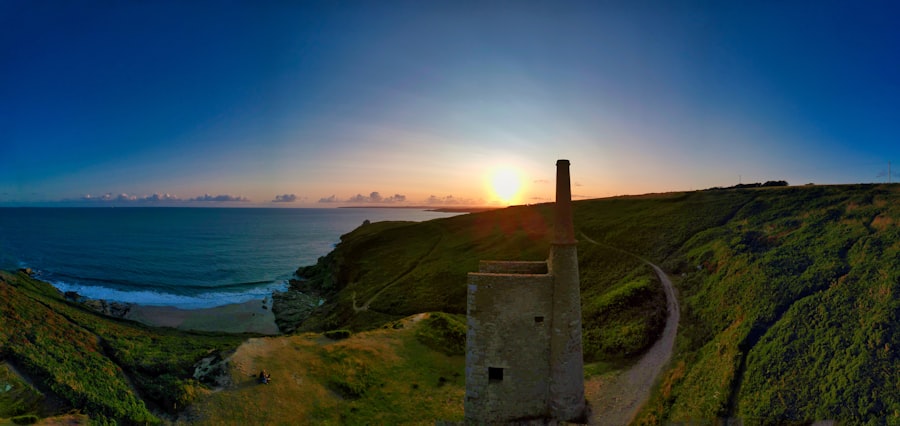
Nestled within the wild St Just mining district, the Crown Engine Houses at Botallack offer one of the most striking industrial landscapes in the world. Built directly onto the sheer cliff face in the mid-nineteenth century, these stone structures once housed steam engines that pumped water from mines stretching far beneath the seabed. Today, they stand as silent, weathered sentinels defying the crashing waves below, offering a hauntingly beautiful vibe that blends human history with raw natural power.
Composition and Framing at the Crowns
To capture the scale of this extraordinary location, walk along the coastal path heading north to gain an elevated perspective. Use the winding dirt path as a leading line to draw your viewer's eye toward the twin engine houses. Frame your shot so the deep blue of the Atlantic occupies the upper third of the frame, contrasting sharply with the warm, earthy tones of the gorse-covered cliffs. A wide-angle lens is essential here to capture both the dramatic plunging cliffs and the expansive sky.
Optimal Lighting and Camera Settings
This western-facing location comes alive during the golden hour. As the sun dips toward the ocean, the granite stones of the engine houses glow with a warm, fiery orange hue. To master the exposure, try these settings:
- Aperture: f/11 to f/16 for a deep depth of field, ensuring both the foreground rocks and distant horizon remain razor-sharp.
- ISO: 100 to minimize digital noise and maximize dynamic range.
- Shutter Speed: Use a neutral density (ND) filter and a exposure of 2 to 5 seconds to silky-smooth the churning white foam of the waves below.
Pro Photography Tips: Watch your footing on the steep paths. The best compositions require you to get low to the ground to emphasize the dramatic height of the cliffs, but the slate can be incredibly slippery when wet.
The Mystical Tidal Island of St Michaels Mount
Rising majestically out of the waters of Mounts Bay, St Michaels Mount is a historic jewel that looks like something straight out of a fantasy novel. This medieval castle and church, sitting atop a granite crag, is connected to the town of Marazion by a historic cobblestone causeway that disappears completely beneath the waves twice a day. The changing tides offer two entirely different photographic opportunities in a single day, making it one of the most versatile Cornwall coastal photography spots.
According to local folklore, the mount was built by a giant named Cormoran, but its documented history as a monastic site dates back to the eleventh century. Today, it presents a perfect harmony of medieval architecture and maritime beauty.
Capturing the Causeway Reflection
The most iconic shot is taken from the Marazion shoreline just as the tide is receding. As the water clears the ancient cobblestones, a thin sheen of water remains on the causeway, acting as a perfect mirror. Crouch down low to the wet sand to capture the perfect symmetry of the castle reflected in the foreground puddle. According to travel guides on Lonely Planet, timing your visit with the tides is crucial for safety and securing the best visual conditions.
Angles and Composition from the Beach
Explore different angles along the sandy beach of Marazion. Look for weathered wooden groynes, green sea moss-covered rocks, or resting fishing boats to use as foreground interest. By placing these elements in the lower third of your frame, you create a three-dimensional sense of depth that leads the viewer directly to the island castle towering in the background.
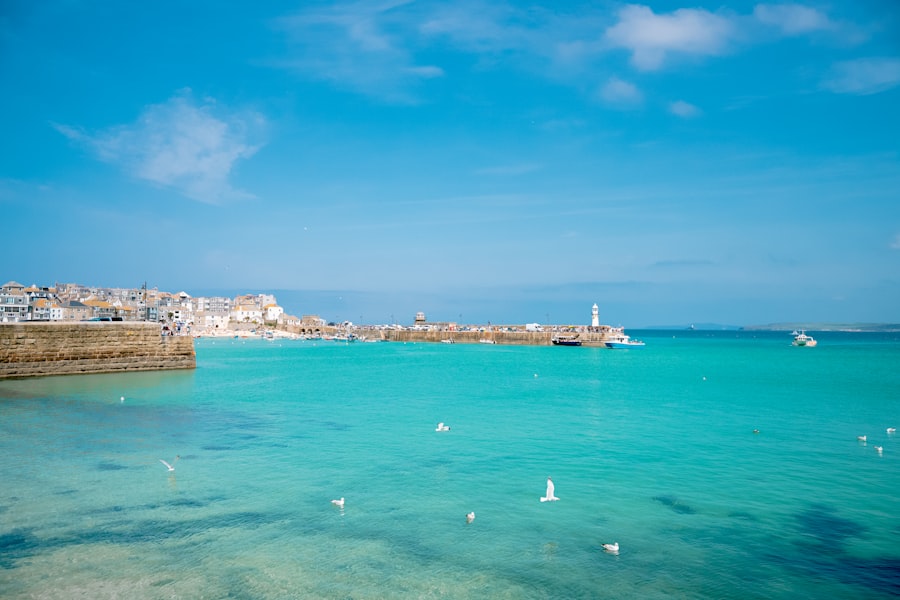
The Rugged Beauty of Lands End and Sennen Cove
As the most westerly point of mainland England, Lands End is legendary for its raw, untamed atmosphere. The granite cliffs here rise over two hundred feet above the Atlantic, constantly battered by massive swells. Just a short walk along the coastal path lies Sennen Cove, a gorgeous crescent of white sand that offers a softer, more tranquil contrast to the brutal rocks of the headland.
Walking Directions and Vantage Points
Park at the Sennen Cove harbor car park and join the South West Coast Path heading south toward Lands End. The walk is about one mile and offers spectacular, uninterrupted views of the ocean. Along the way, you will pass the old lookout station and several dramatic rock formations, including the famous Irish Lady rock. Look out for the shipwreck of the RMS Mulheim in Castle Zawn, which provides a dramatic, industrial contrast to the natural granite cliffs.
Pro Photography Tips: Bring a sturdy tripod and a telephoto lens (70-200mm) to Sennen Cove. This allows you to zoom in on the brave surfers catching waves against the backdrop of the rugged cliffs, compression-effecting the massive scale of the swells.
The Dramatic Geology of Bedruthan Steps
According to legend, the giant Bedruthan used the massive stone stacks that rise from the beach as stepping stones to cross the bay. In reality, these colossal dark slate pillars are the result of thousands of years of marine erosion. The contrast between the dark, jagged rocks and the pale golden sand makes this one of the most visually striking Cornwall coastal photography spots for landscape enthusiasts.
The viewpoint from the clifftops offers a breathtaking panoramic vista of the coastline stretching north toward Trevose Head. The sheer scale of the beach below, dotted with towering stacks like Queen Elizabeth Rock, is guaranteed to leave you in awe.
Framing the Sea Stacks
To capture the sheer scale of the Bedruthan Steps, use the clifftop flora to frame your shot. In spring and summer, the cliffs are covered in pink thrift and yellow gorse, which provide a beautiful frame of color at the bottom and sides of your viewfinder. Utilize a wide-angle lens to capture the curve of the bay, the towering stacks, and the dramatic sky above.
Understanding the Tide for Safety
Always check local tide tables before attempting to explore this area. The tide comes in incredibly fast here, and visitors can easily become cut off against the steep cliffs. Even from the safety of the clifftops, the high tide creates dramatic action shots as the waves crash violently against the bases of the stone giants, sending white spray high into the air. For more safety tips and local trail conditions, consult resources on TripAdvisor.
The Golden Sands of Kynance Cove
Located on the Lizard Peninsula, Kynance Cove is famous for its brilliant turquoise water, white sand, and unique red and green serpentine rock formations. At low tide, a beautiful spit of sand connects the mainland to Asparagus Island, creating a visual paradise that looks more like the Caribbean than the United Kingdom. The vibe here is tropical, exotic, and absolutely captivating for any photographer.
Best Spots for Shooting Kynance Cove
- The Eastern Overlook: Walk along the cliff path from the National Trust car park to capture the classic postcard view of the cove, showcasing the contrast between the green cliffs and the turquoise sea.
- The Sandy Spit: Walk down to the beach at low tide to shoot looking back at the towering serpentine stack known as The Bishop.
- The Sea Caves: Explore the smooth, polished interiors of the caves at the base of the cliffs for unique framing opportunities looking out toward the ocean.
Settings for Turquoise Water
To emphasize the incredible clarity and color of the water at Kynance Cove, use a circular polarizing filter. This essential tool cuts through the surface glare of the water, revealing the golden sand and dark rocks beneath the shallows, while simultaneously deepening the blue of the sky. Shoot during the late morning or early afternoon when the sun is high to get the most vibrant colors from the water.
The Historic Charm of Mousehole Harbor
For a change of pace from wild cliffs, head to the picturesque fishing village of Mousehole. Pronounced "Mowzel", this historic port features a maze of narrow streets lined with yellow lichen-covered granite cottages that crowd around a beautiful, protected harbor. The two sturdy stone breakwaters have protected local fishing boats from winter storms since the sixteenth century, creating a cozy, timeless vibe.
Capturing the Harbor at Twilight
The best time to photograph Mousehole is during the blue hour, just after the sun has set. The sky turns a deep, rich indigo, which contrasts beautifully with the warm, golden lights glowing from the cottage windows and reflecting on the calm harbor water. Use a medium focal length (35mm to 50mm) to compress the scene, making the colorful boats docked in the harbor feel snugly enclosed by the historic stone walls.
Walking and Parking Tips
The streets of Mousehole are extremely narrow and parking inside the village is very limited. It is best to park in one of the designated car parks on the outskirts of the village and enjoy the scenic stroll along the seafront. This walk gives you a fantastic opportunity to shoot looking back at the village, capturing the entire harbor sweeping along the edge of Mounts Bay.
Frequently Asked Questions
What are the best Cornwall coastal photography spots?
Top spots include Bedruthan Steps, Porthcurno, St. Ives, Land's End, and Lizard Point.
When is the best time to photograph the Cornish coast?
Golden hours at sunrise and sunset offer the most dramatic lighting.
Do I need a permit for drone photography in Cornwall?
Yes, check National Trust rules and avoid nesting birds or crowded areas.
What photography equipment should I bring?
A wide-angle lens, tripod, and neutral density filters for long exposures.
Are there any hidden gem photography spots in Cornwall?
Mullion Cove and Poldhu Cove offer secluded cliffs and dramatic rock formations.

Sophie Lefebvre writes about the most photogenic places to visit, pairing stunning locations with the practical details of getting there. She helps travellers find the views worth planning a whole trip around.
💬 Comments (0)
No comments yet. Be the first!