Cartagena Historic Photo Spots Guide
Explore the ultimate Cartagena historic photo spots in 2026, featuring vibrant colonial facades and hidden stone plazas.
Cartagena Historic Photo Spots Guide
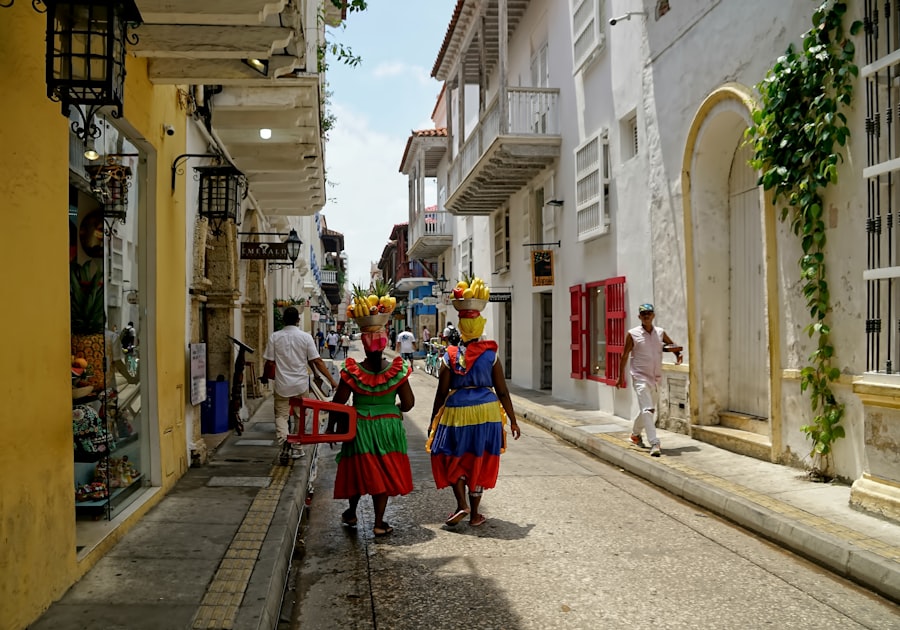
If you are searching for the ultimate Cartagena historic photo spots, you have arrived at the perfect destination to plan your next creative adventure. Cartagena de Indias, located on the Caribbean coast of Colombia, is a visual masterpiece where Spanish colonial architecture, massive stone fortresses, and brilliant tropical colors collide. Every street corner tells a story of pirates, treasure, and empire. As a photographer, capturing this magical city requires more than just pointing and shooting; it demands an understanding of light, timing, and historical context. Whether you are using a professional DSLR or a smartphone, this guide will help you navigate the most photogenic locations in this UNESCO World Heritage site.
1. The Iconic Streets of San Diego Neighborhood
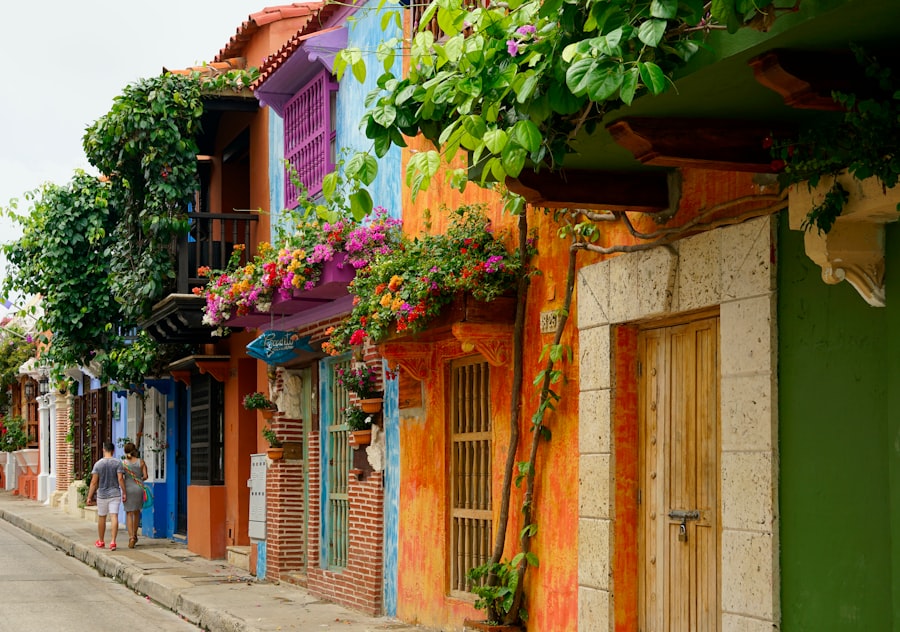
The San Diego neighborhood is often considered the artistic heart of the walled city. Unlike the busier commercial zones, San Diego retains a quiet, residential charm that is perfect for street photography and architectural portraits. The houses here are painted in pastel pinks, deep ochres, and vibrant blues, draped in cascading purple bougainvillea.
Calle de la Chicheria
This narrow, winding street is famous for its overhanging wooden balconies and dramatic perspective. To capture the best composition, stand at the southern end of the street and use a medium telephoto lens (around 50mm to 85mm) to compress the depth of the street. This technique brings the distant balconies closer together, creating a lush, layered framing effect. The best lighting occurs in the mid-afternoon when the sun strikes one side of the street, leaving the other in soft shadow, creating high-contrast visual drama.
Plaza de San Diego
This bustling square is surrounded by outdoor cafes, historical buildings, and the famous fine arts school. For a great composition, position yourself near the central fountain and use a wide-angle lens. Frame your shot to include the old convent walls in the background while capturing the local street performers or artists in the foreground. The vibe here is bohemian and energetic, especially during the golden hour just before sunset when the warm light reflects off the yellow stucco walls.
Pro Photography Tips: When shooting in narrow colonial streets, look up! Use the architectural lines of the balconies as leading lines that direct the viewer's eye toward the sky. Adjust your white balance to "shade" or "cloudy" to enhance the warm, golden tones of the historic plaster walls.
2. The Majestic Walls of Baluarte de Santo Domingo
Construction on the massive stone walls surrounding Cartagena began in the late 16th century to protect the city from pirate attacks. Today, these ramparts serve as the ultimate sunset viewing platform and one of the premier Cartagena historic photo spots for panoramic ocean views.
When planning your shoot at the ramparts, keep these key elements in mind:
- Golden Hour Timing: Arrive at least 45 minutes before sunset to secure a clean shooting spot on the stone platform.
- The Silhouette Effect: Position your subject directly in front of the setting sun to capture dramatic, high-contrast silhouettes against the orange sky.
- Foreground Elements: Use the historic iron cannons to add depth and historical context to your coastal landscape shots.
The vibe at Santo Domingo is lively and romantic. As the sun dips below the Caribbean horizon, the ancient yellow sandstone walls begin to glow with a deep, fiery amber color. For the best camera settings, switch to aperture priority mode, set your aperture to f/8 or f/11 for maximum sharpness across the frame, and slightly underexpose the image by one stop to preserve the rich colors of the sunset sky.
3. Portal de los Dulces and Plaza de los Coches
Located just inside the main Clock Tower entrance, Plaza de los Coches was once the main trading hub of colonial Cartagena. Today, it is famous for the Portal de los Dulces, a sweeping arcade of colonial arches home to traditional sweet vendors. This location offers some of the most dynamic street photography opportunities in the entire city.
The Arches of Portal de los Dulces
The repetitive geometry of the yellow stone arches provides a spectacular opportunity for framing and perspective play. Walk inside the shaded gallery and shoot outward toward the sunlit plaza. By doing this, you create a natural frame-within-a-frame composition. The contrast between the dark, shaded interior of the arcade and the bright, sun-drenched square outside creates a classic cinematic look. For inspiration on how to capture historic cityscapes, you can check out travel guides on Lonely Planet.
The Yellow Clock Tower Portal
The Puerta del Reloj is the iconic symbol of Cartagena. To photograph this massive gateway, walk across the street toward the park outside the walls. Use a wide-angle lens to capture the full scale of the yellow tower rising against the sky. The best time to shoot this spot is during the blue hour, just after the sun has set, when the tower is artificially illuminated and the sky turns a deep indigo blue.
Pro Photography Tips: To capture the motion of the horse-drawn carriages passing through the plaza, mount your camera on a tripod or hold it steady against a wall. Set your shutter speed to 1/15th of a second. This will blur the moving carriage while keeping the historic stone architecture perfectly sharp, conveying a sense of timeless motion.
4. Sanctuary of San Pedro Claver
The San Pedro Claver church and monastery, built in the early 17th century, is an architectural masterpiece of the Jesuit order. Its dark stone facade stands in stark contrast to the bright pastel buildings that surround it, making it one of the most unique Cartagena historic photo spots for dramatic, high-contrast photography.
To capture the true essence of this historic sanctuary, focus on these compositional angles:
- The Low-Angle Portrait: Stand in the center of the plaza and tilt your camera upward to make the massive stone dome of the church tower over your frame.
- The Courtyard Oasis: Step inside the monastery museum to photograph the lush, green courtyard garden framed by two tiers of stone arches.
- Shadow Play: Visit the plaza in the early morning when the long shadows of the church facade stretch across the brick pavement.
Inside the monastery, the vibe is incredibly peaceful and contemplative. The quiet stone corridors, filled with historical artifacts and religious art, offer soft, diffused natural light coming from the open courtyard. Keep your ISO around 800 to 1600 to compensate for the indoor shadows without introducing too much noise to your images.
5. Getsemani Street Art and Historic Plazas
Just outside the city walls lies Getsemani, a historic neighborhood that has transformed from a gritty suburb into a vibrant cultural hotspot. This area is famous for its narrow alleys, colorful murals, hanging umbrellas, and authentic local life. It offers a raw, energetic contrast to the pristine streets of the walled city.
Calle de las Sombrillas (Umbrella Street)
Calle de la Magdalena, widely known as Umbrella Street, is adorned with hundreds of colorful umbrellas suspended overhead. This spot is highly popular, so you must arrive before 8:00 AM if you want a clean shot without crowds. Stand in the center of the street, use a low angle, and point your camera upward to capture the vibrant canopy of umbrellas framing the blue sky. The colorful shadows cast on the pavement below add an extra layer of visual interest to your composition.
Plaza de la Trinidad
This historic square is dominated by the yellow Holy Trinity Church, built in the mid-17th century. In the evening, the plaza comes alive as locals gather to socialize, eat street food, and play music. The vibe here is warm, authentic, and festive. To capture the spirit of Getsemani, use a fast prime lens (like a 35mm f/1.8) to take candid portraits of people chatting in front of the church, utilizing the ambient streetlights for a warm, moody glow. You can find more traveler reviews and local tips on TripAdvisor.
6. Castillo de San Felipe de Barajas
No photography tour of Cartagena is complete without visiting the Castillo de San Felipe de Barajas, the greatest fortress built by the Spanish in their colonies. Situated on the Hill of San Lazaro, this massive stone structure dominates the landward approach to the city and offers incredible panoramic views of both the old town and the modern skyline of Bocagrande.
When exploring this massive fortress, look for these specific photographic compositions:
- The Zig-Zag Rampways: Use the diagonal lines of the stone ramps to create strong leading lines that draw the viewer through the frame.
- The Sentry Boxes: Frame the modern skyscrapers of Cartagena through the small windows of the historic stone sentry boxes for a dramatic past-meets-present contrast.
- The Underground Tunnels: Capture the eerie, atmospheric lighting inside the vast network of subterranean tunnels using a wide-aperture lens and high ISO settings.
Because the fortress is entirely exposed to the elements, the mid-day sun can be incredibly harsh and hot. The best strategy is to visit during the late afternoon. This timing ensures that the stone structures are illuminated by warm, directional light, which accentuates the rough texture of the ancient brickwork and creates deep, dramatic shadows that highlight the fortress's complex geometry.
By exploring these extraordinary Cartagena historic photo spots, you will not only capture stunning images for your portfolio, but you will also experience the rich history and vibrant soul of one of South America's most beautiful coastal treasures.
Frequently Asked Questions
What are the best historic photo spots in Cartagena for capturing colonial architecture?
The walled city's colorful colonial streets, like Calle del Sargento Mayor and Plaza de la Aduana, offer stunning backdrops with vibrant facades and balconies.
Where can I find iconic spots to photograph Cartagena's city walls and sunset?
The Batería de San Ignacio and the top of the Puerta del Reloj provide panoramic views of the sea and the old city, perfect for golden hour shots.
Are there any hidden or less crowded historic photo locations in Cartagena?
Yes, the quiet alleyways near the Convento de la Popa and the Plaza de San Diego offer charming, less-touristed corners with historic charm.
What is the best time of day to photograph Cartagena's historic sites?
Early morning (7-9 AM) and late afternoon (4-6 PM) provide soft, warm light and fewer crowds, ideal for capturing the historic atmosphere.
Can I take professional photos at Cartagena's historic landmarks without a permit?
For personal photography, no permit is needed, but commercial or professional shoots may require a permit from the city's tourism office, so check ahead.

Sophie Lefebvre writes about the most photogenic places to visit, pairing stunning locations with the practical details of getting there. She helps travellers find the views worth planning a whole trip around.
💬 Comments (0)
No comments yet. Be the first!