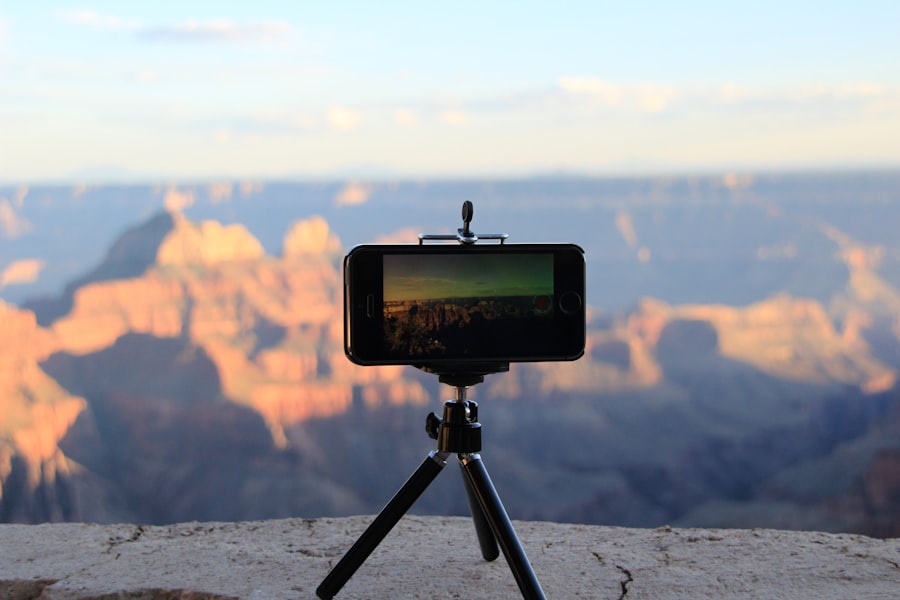
Wadi Rum desert photography 2026 Guide
Discover key tips for your Wadi Rum desert photography 2026 trip, from capturing red sand dunes to mastering starry night skies.
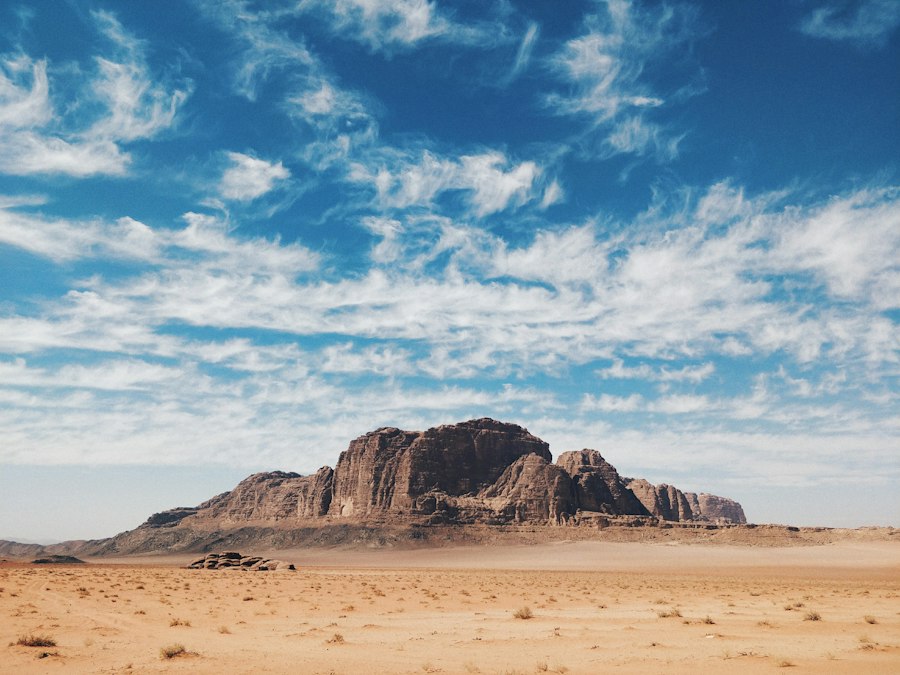
If you want to capture the raw, otherworldly beauty of Jordan, mastering Wadi Rum desert photography 2026 is your ultimate ticket to stunning, portfolio-worthy images this year.
I still remember my first trip to this red-sand wonderland. I woke up at 4:30 AM, climbed a towering sandstone dome, and waited for the sun to paint the landscape. When the light hit, I pressed the shutter, expecting magic. Instead, I got a washed-out, lifeless image. My highlights were completely blown out, and the beautiful red dunes looked like pale, dusty cardboard. I had made a classic mistake: relying on my camera's automatic settings in one of the most extreme lighting environments on earth.
But do not worry! I learned from those mistakes, and in this guide, I am going to coach you through everything you need to know to get perfect shots. Whether you are aiming to capture towering cliffs, rolling dunes, or the star-studded night sky, your photos will look professional, dramatic, and absolutely breathtaking.
Understanding the Basics of Desert Light
First, let's look at how light behaves in the desert. The sand acts like a giant, warm reflector, which can easily trick your camera's internal light meter. To take control of your images, you must move away from Auto mode and understand a few key photography concepts.
The secret is mastering three main settings: ISO, aperture, and shutter speed. ISO controls your camera's sensitivity to light. A low ISO (like ISO 100) keeps your images clean and sharp, while a high ISO (like ISO 3200) helps you shoot in low light but introduces digital noise or grain. For daytime desert shots, always keep your ISO as low as possible.
We also need to talk about RAW vs JPEG. Always shoot in RAW format. A JPEG is a compressed file where the camera decides the colors and contrast for you. A RAW file saves all the uncompressed data from your camera's sensor. In the extreme contrast of Wadi Rum, shooting in RAW gives you the dynamic range needed to recover details in both the bright sunlit sands and the dark rock shadows during editing.
Essential Gear for Wadi Rum Desert Photography 2026
Before you pack your bags, you need to make sure you have the right tools. The desert is a harsh environment, and protecting your gear is just as important as knowing how to use it.
Must-Have Gear List
- A sturdy tripod: Essential for sharp landscape photos during the golden hour and absolutely mandatory for astrophotography.
- A polarizing filter: This cuts down on glare from the sand and makes the blue desert sky pop against the red rocks.
- A blower brush and cleaning cloths: Dust is the ultimate enemy. Never change your lenses in the open wind.
- A reliable camera body: Full-frame sensors, like those found on the Canon EOS series or Sony Alpha lineup, offer superior dynamic range for harsh desert contrasts.
The Golden Rule of Desert Photography: Protect your gear at all costs. Dust can ruin your sensor. Use a plastic bag or a dedicated camera wrap to cover your camera when walking between spots, and never change lenses while facing the wind.
Step-by-Step Guide to Capturing the Perfect Dune Shot
Now try this step-by-step workflow when you find a pristine sand dune during your Wadi Rum desert photography 2026 adventure.
Step 1: Compose Using the Rule of Thirds
Do not just point and shoot. Imagine your frame divided into a nine-box grid. Place the horizon on the upper or lower third line rather than right in the middle. Place a prominent rock or a lone camel at the intersection of these lines to create a strong focal point that draws the viewer in.
Step 2: Set Your Aperture for Maximum Sharpness
To get the entire landscape in sharp focus, set your camera to Aperture Priority mode and select an aperture between f/8 and f/11. This ensures a deep depth of field. Avoid going to f/22, as lens diffraction can actually make your image softer.
Step 3: Use Exposure Compensation to Save Your Highlights
Because the bright sand can trick your camera into underexposing the scene, you need to take control. Use your Exposure Compensation dial (the little +/- button) to adjust the brightness. In the bright midday sun, you might need to dial it down by -0.3 or -0.7 to keep the bright sand from blowing out.
Mastering Composition and Depth
The secret to great landscape photography is creating a sense of depth. In a vast place like Wadi Rum, a flat photo fails to convey the scale of the desert. To fix this, look for leading lines, such as the ridges of sand dunes or tire tracks from Bedouin jeeps, to guide the eye from the foreground into the background.
You can also experiment with Bokeh. This jargon word simply refers to the out-of-focus, blurry background created by using a wide aperture (like f/1.8 or f/2.8). While landscape shots usually need everything in focus, shooting a close-up of desert desert plants or colorful Bedouin fabrics with a wide aperture will create a beautiful, smooth background blur that makes your subject pop.
For more detailed tutorials on managing depth of field and mastering these manual settings, you can check out the learning resources on DPReview.
Before and After: The Power of Technique
Let's look at a quick comparison to see how applying these rules changes your results when practicing Wadi Rum desert photography 2026.
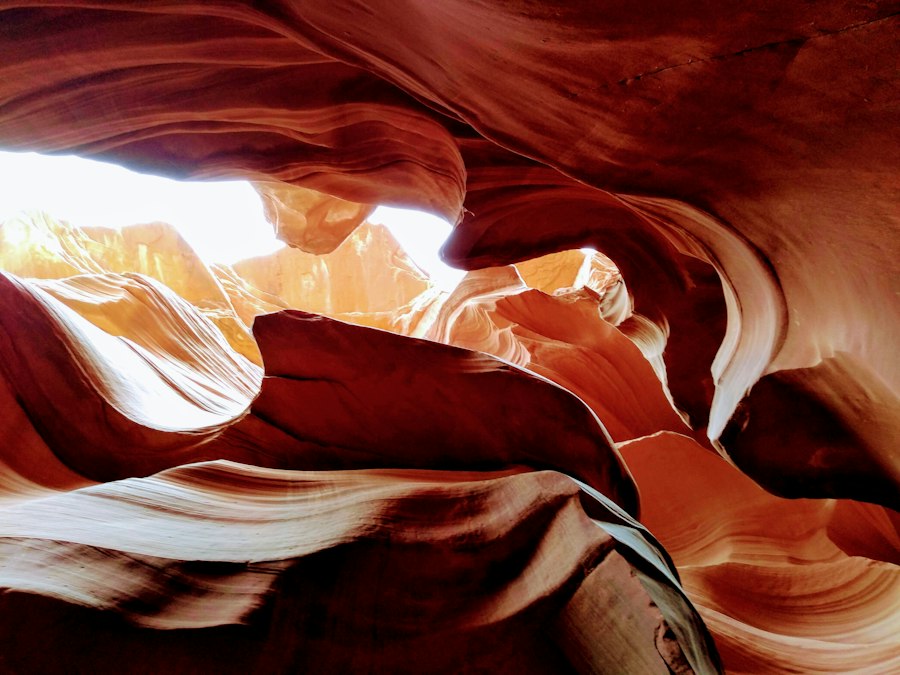
The Before Scenario: You arrive at a beautiful canyon. You shoot in JPEG on Auto mode at noon. The camera gets confused by the bright sky, making the canyon walls look pitch black. The sky is a blinding white sheet, and the sand looks yellow and washed out. There is no depth, and the photo feels flat.
The After Scenario: You switch to RAW format and Manual mode. You shoot during the golden hour, just before sunset. You use a sturdy tripod, set your ISO to 100, and choose an aperture of f/9. You use Exposure Compensation to keep the sky colorful while retaining the rich shadow details in the red rocks. During a quick edit in Adobe Lightroom, you easily bring out the warm orange tones of the sand and the deep blues of the evening sky. The final image is dramatic, sharp, and full of life.
Recommended Settings for Different Times of Day
To make your Wadi Rum desert photography 2026 trip as successful as possible, print out or screenshot this quick settings checklist.
- Golden Hour (Sunrise/Sunset): Mode: Aperture Priority | ISO: 100 | Aperture: f/8 to f/11 | White Balance: Cloudy (to enhance warm tones) | Format: RAW.
- Midday Harsh Sun: Mode: Manual | ISO: 100 | Aperture: f/11 | Shutter Speed: 1/500s or faster | Filter: Circular Polarizer.
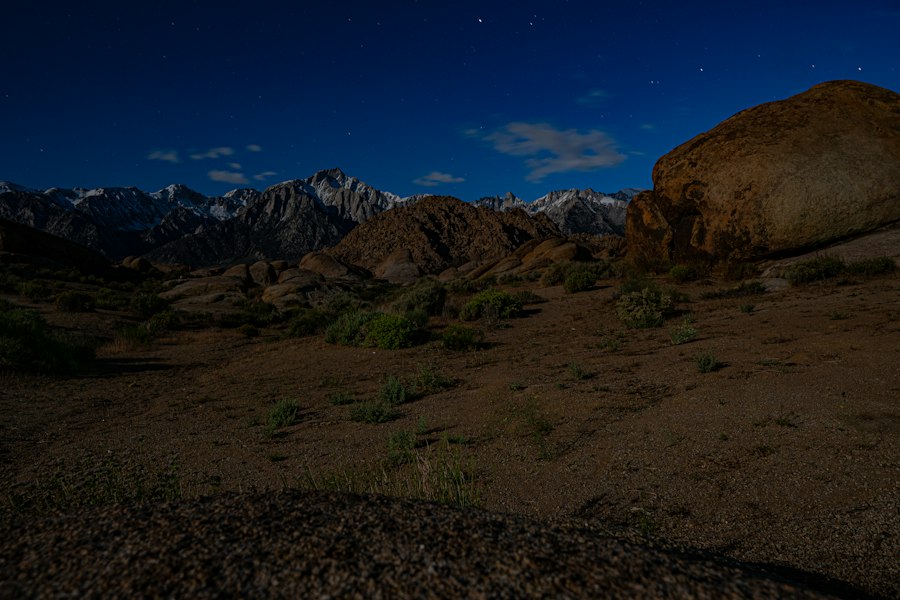
- Astrophotography (Night Sky): Mode: Manual | ISO: 3200 to 6400 | Aperture: f/2.8 (or widest possible) | Shutter Speed: 15 to 20 seconds | Focus: Manual (set to infinity).
Your Turn to Capture the Magic
Don't forget to practice before you go. You do not want to be figuring out your camera buttons in the middle of a windy desert. Spend some time learning how to quickly adjust your ISO, change your focusing points, and read your histogram at home.
Wadi Rum is a timeless landscape, but with the right techniques, your Wadi Rum desert photography 2026 images will stand out from the crowd. Grab your camera, pack your favorite lenses, and get ready to capture the adventure of a lifetime. You've got this!
Frequently Asked Questions
What is the best time of year for Wadi Rum desert photography in 2026?
Spring (March to May) and autumn (September to November) offer mild temperatures and clear skies. Avoid summer heat and winter cold for comfortable shooting.
What camera gear should I bring for a Wadi Rum photography trip?
Pack a wide-angle lens for landscapes, a telephoto for distant rock formations, and a sturdy tripod for low-light shots. Bring extra batteries and sensor cleaning supplies due to dust.
How do I protect my camera from sand and dust in Wadi Rum?
Use a rain cover or plastic bag with a lens hole, and avoid changing lenses in windy conditions. Keep a microfiber cloth and blower handy for gentle cleaning.
When is the best light for photographing Wadi Rum's desert landscapes?
Shoot during the golden hour shortly after sunrise or before sunset for warm tones and long shadows. Midday light is harsh, but can work for high-contrast black-and-white images.
Do I need a permit or guide for desert photography in Wadi Rum?
Yes, you need a permit from the Aqaba Special Economic Zone Authority, and a local Bedouin guide is highly recommended. Guides help with access, safety, and finding the best locations.
Matthias Weber digs into the craft of travel photography, from camera settings to editing. He explains the technical side in plain language so you can spend less time fiddling with dials and more time shooting.
💬 Comments (0)
No comments yet. Be the first!