Vancouver urban photography 2026: Pro Guide
Learn how to elevate your Vancouver urban photography 2026 shots with expert tips on reflection, framing, and camera gear.
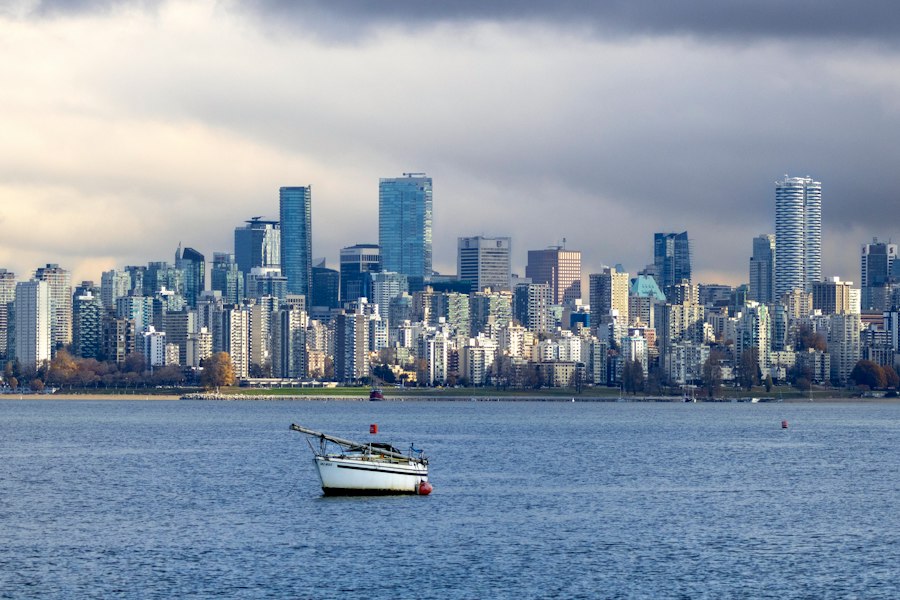
Mastering Vancouver urban photography 2026 requires a mix of technical skill, patience, and an eye for the dramatic contrast between modern glass architecture and raw Pacific Northwest nature. I will show you how to capture this incredible city like a seasoned local. Whether you are aiming your lens at the towering skyscrapers of Coal Harbour or the historic brick alleys of Gastown, this guide will elevate your street and architectural images to a professional level this year.
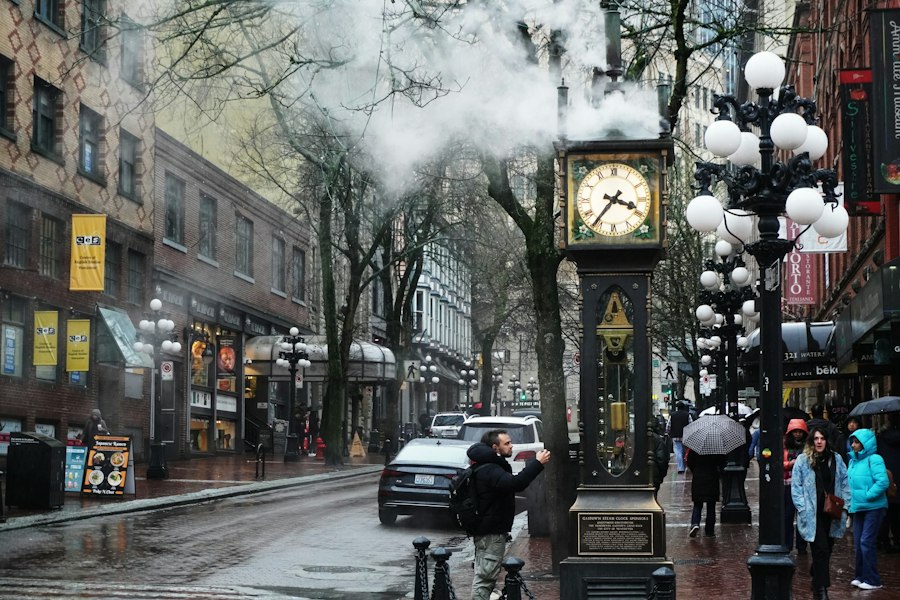
Vancouver is a unique canvas. One minute you are shooting sleek, futuristic reflections on a high-rise, and the next, you are framing a historic steam clock shrouded in moody coastal fog. As your coach, my goal is to help you navigate these diverse scenes with confidence. We will unlock the secrets of light, camera settings, and composition so your photos will look polished, professional, and ready for print.
The Gear and Settings You Need for Vancouver Urban Photography 2026
Before we head out into the rain-slicked streets, let us talk about the gear in your bag. You do not need the most expensive camera on the market, but you do need to understand how to use your equipment to its fullest potential. The secret is knowing how to adapt your gear to Vancouver's rapidly changing coastal weather.
Must-Have Gear for the Urban Explorer
- A Wide-Angle Zoom Lens: A 16-35mm or 24-70mm lens is perfect for capturing those massive glass towers and tight alleyways.
- A Sturdy Lightweight Tripod: Essential for those blue hour reflections along the False Creek seawall.
- A Circular Polarizer: This is your secret weapon to control reflections on glass skyscrapers and wet pavement.
- Weather Sealing: Vancouver gets plenty of rain; a simple camera rain cover will keep you shooting through the drizzle.
Recommended Settings for Crispy Cityscapes
- Image Format: Always shoot in RAW vs JPEG. RAW files preserve all the details in your shadows and highlights, which is crucial when editing moody, high-contrast city scenes. You can learn more about this on the Adobe Tutorials platform.
- ISO: Keep your ISO as low as possible (ISO 100 to 400) to avoid digital noise, especially when shooting on a tripod.
- Aperture: Use f/8 to f/11 for sharp, deep depth of field in your architectural shots. Drop to f/1.8 or f/2.8 if you want a blurry background.
- Exposure Compensation: When shooting bright glass buildings or white snow on the distant North Shore mountains, dial this to +0.3 or +0.7 to keep your images bright.
Pro Cheat Sheet: When shooting Gastown at night, set your white balance to Tungsten or Kelvin (around 3200K) to cool down the yellow streetlights and give your Vancouver urban photography 2026 images a cinematic, moody blue-and-gold tone.
Composition Secrets: Making Glass and Rain Work for You
First, let us look at composition. Many beginner photographers stand right in front of a building and shoot straight ahead. This often results in flat, boring images. Instead, try using the Rule of Thirds. Imagine your frame is divided into a nine-grid block. Place your main subject, like the Vancouver Lookout or a lone pedestrian, along those grid lines or at their intersections to create balance and tension.
Another classic technique is creating beautiful Bokeh. Bokeh is that lovely, out-of-focus background blur you get when you use a wide aperture like f/1.8. In a city like Vancouver, wet streets reflect the neon signs of Granville Street. By focusing on a single raindrop on a windowpane with a wide aperture, you can turn those background streetlights into gorgeous, glowing soft circles.
Now try this: look down. Vancouver urban photography 2026 is all about finding beauty in the reflections. The frequent rain creates giant puddles on the sidewalks of Yaletown. Get your camera low, almost touching the water, and use the puddle as a mirror to reflect the towering architecture above. Your photos will look instantly more dynamic and artistic.
A Tale of Two Shoots: How I Saved a Ruined Gastown Photo
I want to share a quick story about a mistake I made during a rainy evening shoot in Gastown. I wanted to capture the iconic Steam Clock with car light trails swirling around it. I set up my tripod, set my camera to a long exposure of 5 seconds, and pressed the shutter.
The result? A blurry, washed-out mess. The headlights from a passing transit bus completely overexposed the image, and my lens was covered in tiny, unnoticed raindrops that turned every light source into a messy smudge.
Here is how I fixed it. First, I wiped my lens clean and put on a lens hood to shield the glass from the falling drizzle. Second, I switched my camera to manual mode and adjusted my Exposure Compensation. Instead of one long 5-second exposure, I took three shorter 2-second exposures when the traffic was moving at a steady pace. Later, I blended those clean RAW files together in post-processing. The before-and-after difference was night and day, turning a ruined, blurry shot into a sharp, professional portfolio piece.
Step-by-Step Guide to Shooting the Vancouver Skyline at Blue Hour
To help you get the best possible results, let us walk through a step-by-step routine for capturing the perfect skyline shot from Olympic Village, overlooking Science World and the downtown core.
Step 1: Arrive Early and Scout Your Spot
Do not show up right when the sun goes down. Arrive at least 45 minutes before sunset. This gives you time to set up your tripod, check your compositions, and watch how the changing light hits the buildings.
Step 2: Lock Down Your Camera and Settings
Mount your camera securely on your tripod. Turn off Image Stabilization on your lens (as keeping it on while on a tripod can actually cause tiny vibrations). Switch your camera to Manual mode, set your ISO to 100, and choose an aperture of f/9 for maximum sharpness. If you are using a modern mirrorless system, check the official specs on sites like DPReview to see your sensor's native ISO for the cleanest output.
Step 3: Master the Exposure and Trigger
Because you are shooting in low light, your shutter speed will be slow (likely between 2 to 15 seconds). To prevent camera shake when you press the shutter button, use a 2-second self-timer or a remote shutter release. Watch your histogram to ensure your highlights (the city lights) are not clipping and your shadows still hold rich detail. This precise control is what makes Vancouver urban photography 2026 stand out in a crowded digital landscape.
Elevate Your Vancouver Urban Photography 2026
The beauty of Vancouver urban photography 2026 lies in its endless variety. From the sleek glass facades reflecting the Pacific Ocean to the historic charm of brick alleyways, this city offers a visual feast for photographers who know how to look for it. Don't forget to experiment with different angles, embrace the rainy weather, and always shoot in RAW to give yourself the most creative freedom during editing.
Now it is your turn to get out there. Grab your camera, head down to the seawall, and start capturing the incredible energy of this coastal metropolis. With these tips and techniques in your creative toolkit, your images will capture the true spirit of Vancouver.
Frequently Asked Questions
What are the best neighbourhoods in Vancouver for urban photography in 2026?
Gastown, Mount Pleasant, and the False Creek Flats offer the richest mix of heritage architecture, murals, and new development. Chinatown and Yaletown also provide strong contrasts of old and new.
When is the best light to shoot Vancouver's skyline and streets?
Blue hour and the hour after sunrise give the softest light and fewest crowds. Rainy overcast days can add useful reflections and mood for street work.
Do I need a permit to shoot commercially in Vancouver in 2026?
Yes, commercial photography or filming in public spaces generally requires a Film or Special Event permit from the City of Vancouver. Check current 2026 rules on the city's website before your shoot.
How should I handle Vancouver's rain and wet conditions with my gear?
Use a rain cover or plastic bag, keep a microfibre cloth handy, and carry silica gel packets in your bag. A waterproof backpack or hard case is worth the investment for coastal weather.
What legal or ethical limits should I respect when photographing people in downtown Vancouver?
In public spaces you can generally photograph people, but avoid harassment and be cautious with private property and transit platforms. For commercial use or recognizable faces, get written model releases.
Camille Bernard shares travel photography tips for every kind of traveller, from phone snapshots to full kits. She breaks down light, composition and timing so you come home with photos that actually capture how a place felt.
💬 Comments (0)
No comments yet. Be the first!