Valencia Architecture Photography 2026 Tips
Master Valencia architecture photography 2026 with pro tips on framing futuristic structures and reflection pools during golden hour.
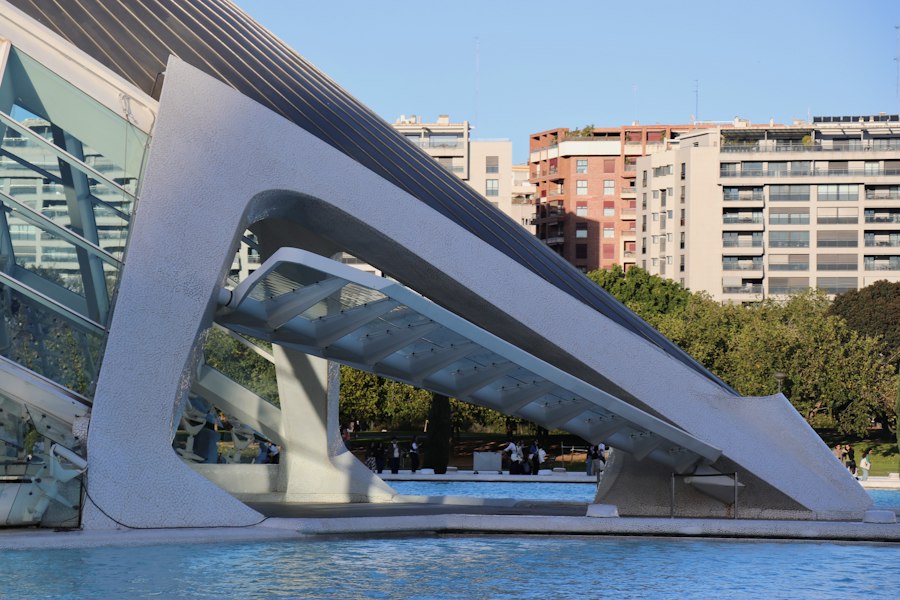
Mastering Valencia architecture photography 2026 style requires a blend of sharp technical skills, proper timing, and an eye for futuristic structures. As a travel photographer who has spent years exploring Spain, I will show you how to capture this breathtaking city like an absolute professional. From the sleek curves of the City of Arts and Sciences to the historic gothic towers in the old town, your photos will look stunning with just a few simple adjustments.
Essential Camera Gear and Recommended Settings for Valencia Architecture Photography 2026
Before we step out into the Mediterranean sun, let us talk about the gear and camera settings that will set you up for success. You do not need the most expensive kit on the market, but knowing how to use your equipment correctly makes all the difference.
Must-have Gear for Cityscapes
- Wide-Angle Lens: A focal length between 14mm and 24mm is ideal for capturing massive buildings without stepping back into a canal.
- Sturdy Tripod: Essential for sharp long-exposure shots during the blue hour when light levels drop.
- Circular Polarizer (CPL): Cuts reflections off glass surfaces and deepens the blue hues of the Spanish sky.
- Lens Cloths: The ocean breeze brings salt spray that easily smudges your front element.
First, let us look at how to configure your camera for maximum detail. Architecture demands crisp lines and sharp details from edge to edge. The secret is to avoid shot-ruining camera shake and unwanted distortion.
Recommended Settings for Crisp Architectural Shots
- File Format: Always shoot in RAW vs JPEG. Shooting RAW saves uncompressed image data, giving you massive dynamic range to recover shadows and highlights later in editing. Check out this Adobe tutorial on RAW vs JPEG benefits to see why it matters for high-contrast scenes.
- Aperture: Set your lens between f/8 and f/11. This sweet spot delivers edge-to-edge sharpness across the entire frame.
- ISO: Keep your ISO at 100 to eliminate digital noise. Raise it only if you are shooting handheld in low light.
- Exposure Compensation: Dial in minus 0.3 or minus 0.7 Exposure Compensation to protect bright white concrete from blowing out under heavy sunlight.
My Biggest Framing Mistake in Valencia and How I Fixed It
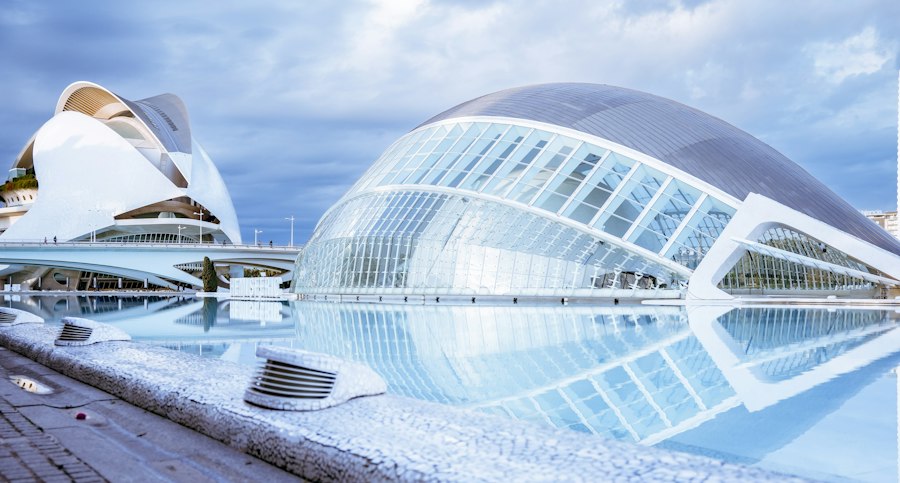
A few years ago, I stood in front of the Hemisferic building just as the golden light hit its majestic white arches. I rushed the shot, shooting handheld at f/2.8 while standing too close. When I got back to my hotel room and opened the files, I was crushed.
Because I used such a wide aperture, I had a very shallow depth of field. The center of the building was sharp, but the background was blurry with unwanted Bokeh. To make matters worse, my horizon line was slanted, and the vertical pillars leaned backward due to perspective distortion. It looked chaotic rather than clean.
Now try this fix that saved my portfolio the next morning: I returned with a tripod, leveled my camera using the internal digital level, and set my aperture to f/9. I stepped back to use the lower third of my grid lines, applying the Rule of Thirds to place the reflection pool along the bottom third and the building along the upper two-thirds. The resulting frame was super crisp, balanced, and ready for publication.
Golden Rule Cheat Sheet: When practicing Valencia architecture photography 2026 techniques, always keep your camera sensor parallel to the face of the building to eliminate converging vertical lines.
Step-by-Step Guide: Capturing Modern vs Historic Landmarks
Valencia offers a fascinating visual contrast between high-tech futuristic structures and centuries-old stone masonry. Let us break down how to shoot both style variations step-by-step.
Step-by-Step: Shooting Modern Masterpieces
Modern structures feature long curves, smooth white concrete, and giant glass panels. To make these pop in your frame, follow these simple steps:
1. Arrive During Blue Hour: Plan your shoot for thirty minutes after sunset. The cool blue sky balances perfectly with warm interior building lights.
2. Compose for Symmetry: Place the central axis of the building right down the middle of your frame to emphasize grand design lines.
3. Manage High Contrast: Use Exposure Compensation to keep the bright white structures from losing detail under strong spotlights.
4. Look for Reflective Surfaces: Position your camera low to the water basins to catch perfect mirror reflections of the architecture.
Step-by-Step: Capturing Historic Old Town Texture
Historic places like the Silk Exchange or the Serranos Towers present different challenges, mainly tight streets and harsh sun shadows.
1. Use Shadow and Light: Shoot early in the morning when low morning light carves through narrow alleys, highlighting intricate stone textures.
2. Isolate Details with Bokeh: Switch to a mid-range lens set to f/2.8 to create a blurred background (Bokeh) behind ornate door handles or carved gargoyles.
3. Correct Distortion in Post: If you must tilt your lens upward to capture high towers, use geometry panels in editing software to straighten your vertical lines later.
Pro Lighting Strategies for Valencia Architecture Photography 2026
Lighting can make or break your travel photos. Valencia enjoys over 300 days of sunshine a year, which means bright sun, high contrast, and deep shadows are standard conditions.
The secret is working with the sun rather than fighting it. Midday sun is usually tough for landscape artists, but for modern buildings, strong overhead sun creates dramatic geometric shadows. Look for repeating patterns created by ribs, louvers, and arches as sunlight passes through them.
Don't forget to check your camera sensor specs before your trip. Modern mirrorless sensors featured on current models—such as those highlighted on the Sony official specs site—offer incredible dynamic range that lets you lift deep shadows without introducing nasty grain.
To pull off impressive Valencia architecture photography 2026 shots, try using long exposure filters during the day. Placing a 10-stop Neutral Density (ND) filter over your lens allows you to smooth out ripple waves in decorative pools and turn moving clouds into soft, streaky lines across the sky. This simple trick elevates a basic tourist snapshot into a polished fine-art photograph.
Elevate Your Travel Portfolio This Year
Capturing high-impact Valencia architecture photography 2026 images comes down to patience, proper framing, and mastering your camera settings. Remember to keep your camera parallel to structural walls, shoot in RAW format for maximum editing latitude, and use smart composition tools like leading lines and reflections to guide the viewer eye.
Now grab your gear, head out into the vibrant streets of Valencia, and start capturing photos you will be proud to display on your wall. Happy shooting!

Camille Bernard shares travel photography tips for every kind of traveller, from phone snapshots to full kits. She breaks down light, composition and timing so you come home with photos that actually capture how a place felt.
💬 Comments (0)
No comments yet. Be the first!