Burg Eltz historic photography 2026 guide
Learn how to master Burg Eltz historic photography 2026 with pro camera gear, misty morning advice, and ideal bridge angles.
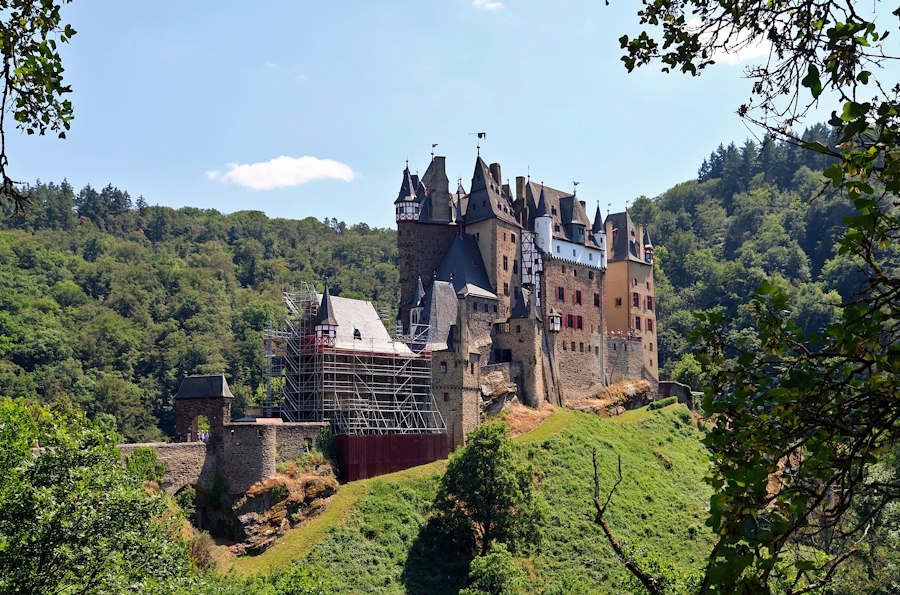
Welcome to my complete Burg Eltz historic photography 2026 guide, where I will show you how to capture one of Germany's most beautiful medieval castles like an absolute professional.
Tucked deep inside a lush valley along the Elzbach River, Burg Eltz looks like it emerged straight out of a fairy tale. I still remember my very first trip to this location years ago. I arrived late in the morning, snapped a quick JPEG shot with my camera set to full auto, and went home excited. When I opened the file on my computer, I was crushed. The bright sky was completely washed out, the stone walls were dark and muddy, and tourists crowded every corner of the frame. It was a total failure. But that mistake taught me exactly how to master Burg Eltz historic photography 2026 techniques, and today I am passing all those lessons directly to you.
Essential Equipment for Burg Eltz Historic Photography 2026
Before you pack your bag for your 2026 travel adventure, let us talk about the gear that will make or break your images. You do not need the most expensive camera on the market, but having the right tools makes capturing those ancient, atmospheric stone archways much easier.
First, let us look at the fundamental equipment list you should bring along:
- A modern camera body: A mirrorless or DSLR camera that supports full manual controls will give you complete creative freedom.
- A versatile wide-angle lens: A focal length between 16mm and 35mm lets you capture the entire castle soaring into the mist.
- A sturdy, lightweight tripod: Essential for low-light morning shots when your shutter speed needs to stay open longer.
- A circular polarizer filter: This cuts down glare on wet leaves and dark slate roofs while boosting color saturation in the surrounding forest.
- Extra batteries and fast memory cards: Cold German mornings can drain battery life quickly, so always carry spares in an inside pocket.
If you are deciding on a camera system, check out the official specifications on Canon or inspect the full-frame mirrorless performance lineup at DPReview to ensure your setup handles dynamic range well.
Understanding Photography Jargon and Camera Settings
To get the most out of your camera, you need to step away from auto mode. Do not worry if technical terms sound intimidating, because I will explain them simply.
The secret is understanding the balance between three main elements: ISO, aperture, and shutter speed. ISO controls your camera sensor's sensitivity to light. A low value like ISO 100 gives you the sharpest, cleanest picture, while high values like ISO 3200 allow you to shoot in dark woods at the cost of adding digital noise or graininess.
Aperture determines your depth of field, which controls how much of the scene stays sharp. A wide aperture like f/2.8 creates Bokeh, which is that soft, blurry background effect that makes a subject pop out. However, for sweeping architectural landscapes, you want a narrow aperture like f/8 or f/11 so the entire stone structure remains pin-sharp from edge to edge.
Golden Rule Cheat Sheet: Always shoot in RAW format instead of JPEG. RAW saves all the uncompressed image data captured by your sensor, allowing you to recover dark shadows and bright skies during editing without destroying picture quality.
When dealing with harsh sunlight on bright stone walls, use Exposure Compensation. This handy dial allows you to quickly darken or brighten your photo in semi-automatic modes, preventing high-contrast areas from blowing out to plain white.
Step-by-Step Guide to Framing the Perfect Shot
Step 1: Timing Your Arrival for Golden Hour
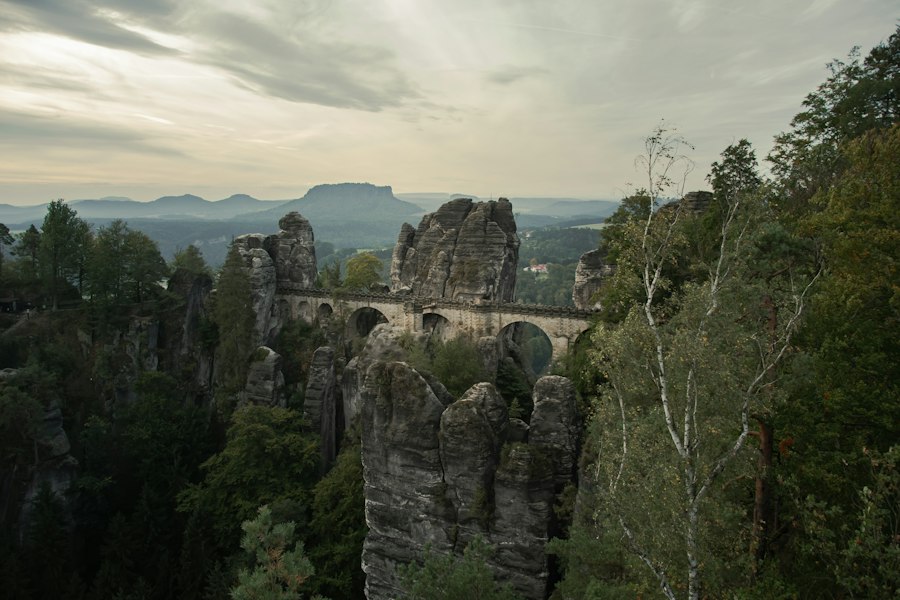
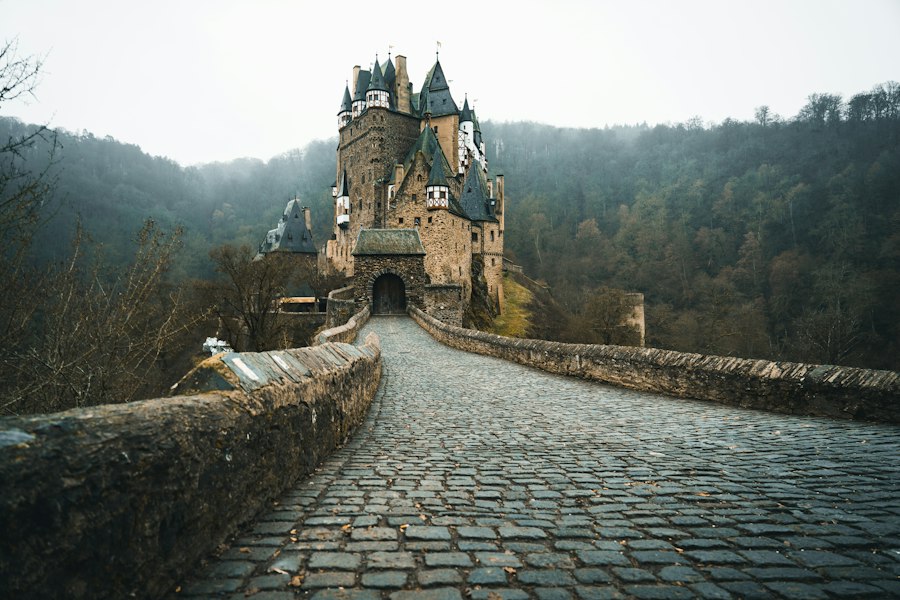
First, plan to arrive at the stone bridge before sunrise. The soft morning light eliminates harsh glares and often brings atmospheric fog rolling through the valley trees. This light creates a moody, timeless look that fits historic architecture perfectly.
Step 2: Applying the Rule of Thirds
Now try this classic compositional technique. Divide your frame into an imaginary three-by-three grid. Instead of placing the main castle tower directly in the dead center, place it along one of the vertical grid lines. Align the bottom bridge along the lower horizontal line. This instantly creates a balanced, dynamic image that draws the viewer's eye through the entire frame.
Step 3: Mastering the Before & After Composition
The secret to dramatic improvement lies in small adjustments. Let us look at a real Before & After scenario to see how small changes alter your final output:
- Before Scenario: You stand on the main asphalt path at noon, shooting straight ahead at eye level in JPEG mode. The sky is white, tourists are everywhere, and the shot feels flat and chaotic.
- After Scenario: You crouch down low near the start of the cobblestone bridge at sunrise, shooting in RAW with an aperture of f/8 and ISO 100. The leading lines of the cobblestones pull the eye straight toward the castle towers, framed by soft green trees and bathed in warm, golden light.
Don't forget to look for secondary angles as well. Walk down along the side trails near the stream to capture the castle towering high above the tree canopy for a truly epic sense of scale.
Recommended Camera Settings for Burg Eltz Historic Photography 2026
To help you set up your camera quickly on location, here is a handy cheat list you can save for your trip:
- File Format: RAW (Uncompressed)
- Shooting Mode: Aperture Priority or Full Manual
- ISO: 100 to 200 for maximum clarity

Matthias Weber digs into the craft of travel photography, from camera settings to editing. He explains the technical side in plain language so you can spend less time fiddling with dials and more time shooting.
💬 Comments (0)
No comments yet. Be the first!