Bastei Bridge Landscape Photography 2026
Master Bastei Bridge landscape photography 2026 with key camera settings, tripod tips, and sunrise shooting angles.
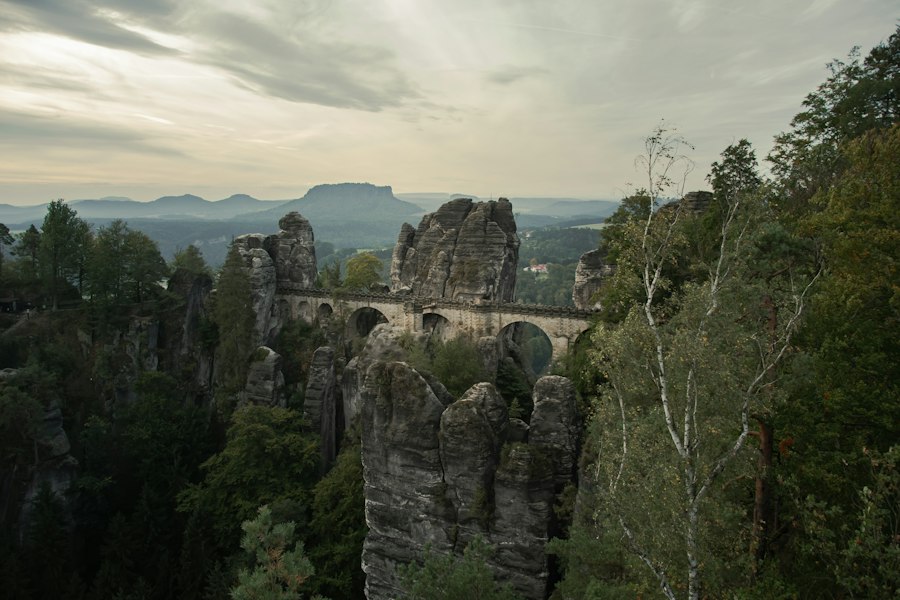
Mastering Bastei Bridge landscape photography 2026 is one of the most rewarding adventures you can take as a travel photographer this year. Rising high above the Elbe River in Saxon Switzerland, Germany, these majestic sandstone rock formations offer dramatic gaps, deep gorges, and sweeping views. I will show you how to capture this iconic location like a seasoned professional, whether you are shooting through autumn mist or under the bright glare of sunrise.
Why Bastei Bridge Landscape Photography 2026 Belongs on Your Bucket List
Every photographer dreams of framing a scene that feels completely timeless. When you stand on the platform overlooking the stone bridge, carved right into the jagged pinnacles of rock, you step straight into a fairytale. But taking a photograph that truly does this landscape justice requires more than just pointing your phone and clicking. Bastei Bridge landscape photography 2026 demands a solid understanding of light, timing, and camera settings.
The secret is knowing how to manage high dynamic range. Saxon Switzerland is famous for bright skies paired with deeply shadowed valleys. If you set your camera to automatic mode, you will likely end up with a sky that is completely blown out or shadows that are pitch black. By taking control of your gear manually, your photos will look rich, balanced, and vibrant.
Essential Photography Jargon Simplified
Before we dive into composition and location tips, let us demystify the core terms you need to know to elevate your skills:
- ISO: This controls your camera sensor sensitivity to light. A low ISO such as 100 provides the cleanest image with zero visual noise. A high ISO like 3200 brightens dark scenes but introduces grainy artifacts.
- Bokeh: Pronounced boh-kay, this refers to the pleasing, out-of-focus background blur created when using a wide aperture like f/2.8. While great for portraits, we usually minimize it in landscape work to keep everything sharp.
- Rule of Thirds: A classic composition rule where you divide your frame into a 3x3 grid. Placing your main subject, like the bridge towers, along these lines or grid intersections creates a balanced composition.
- Exposure Compensation: A quick dial on your camera that lets you tell the system to make an image intentionally brighter (+ EV) or darker (- EV) than the light meter suggests.
- RAW vs JPEG: A JPEG file compresses your image inside the camera, tossing out extra data. A RAW file keeps every drop of light information captured by your sensor, giving you maximum freedom when editing later in programs like Adobe Lightroom.
My Failed Bastei Shoot and How I Fixed It
Let me share a quick story from my early days. The first time I visited Saxon Switzerland, I hiked up to the main viewpoint right at mid-afternoon. The sun was beating down directly over the stone arches. I shot in JPEG mode, relied on my camera auto focus, and ignored my histogram.
When I got back to my computer, the results were devastating. The sky was pure white with zero detail, and the stone textures looked completely flat. The magic I had seen with my eyes was nowhere to be found in my file. I felt completely defeated.
Now try this solution that completely turned my work around on my return trip: I switched my camera to RAW format, attached a circular polarizer filter to cut down haze, and waited for the golden hour when the sun sits low on the horizon. The difference was night and day. The textures of the ancient rocks sprang to life, the golden light bathed the valley in warmth, and shooting in RAW allowed me to recover the subtle colors in the clouds. This simple shift transformed my Bastei Bridge landscape photography 2026 technique forever.
Golden Rule of Landscape Photography: Always shoot in RAW format during golden hour, keep your ISO at its native base of 100, and use a sturdy tripod to allow small apertures like f/8 or f/11 for edge-to-edge sharpness.
Must-Have Gear for Bastei Bridge Landscape Photography 2026
First, let us look at the gear setup that will set you up for success on the trails:
- Full-Frame or APS-C Camera Body: Modern mirrorless systems like those detailed in the Sony Alpha specifications provide incredible dynamic range for high-contrast mountain light.
- Wide-Angle Lens (16-35mm): Essential for squeezing the vast rock pillars and the historic bridge into a single, breathtaking frame.
- Telephoto Lens (70-200mm): Perfect for zooming in on isolated rock spires, distant trees, or misty valley pockets.
- Carbon Fiber Tripod: Lightweight for long hikes, yet rigid enough to keep your camera rock solid during slow shutter speed exposures at dawn.
- Neutral Density (ND) Filters: These dark glass filters act like sunglasses for your lens, letting you smooth out moving clouds or river water below.
Step-by-Step Guide to Shooting Bastei Bridge in 2026
Step 1: Check the Weather and Time Your Arrival
Don't forget to check local fog predictions the night before. Bastei Bridge landscape photography 2026 relies heavily on atmospheric conditions. The absolute best photos happen when morning fog rolls through the Elbe River valley, leaving the rock peaks floating like islands in a sea of white mist. Plan to arrive at least 45 minutes before sunrise to claim your spot on the main viewing platform.
Step 2: Dial In Your Recommended Camera Settings
Set your camera mode to Manual or Aperture Priority. Set your aperture to f/8 or f/11. This sweet spot ensures that both the foreground foliage and the distant sandstone cliffs remain in crisp focus. Keep your ISO set to 100 to avoid unwanted digital noise. If the morning light is faint, let your shutter speed drop longer, using a tripod or remote shutter release to avoid camera shake.
Step 3: Compose with Intention Using the Rule of Thirds
Instead of placing the bridge dead center in your frame, line up the prominent arches along the lower horizontal line of your grid. Use the towering rock formations as natural framing elements on the left or right edge. The secret is finding a strong lead-in line, such as a wooden railing or a stone path, that draws the viewer eye directly into the depth of the valley.
Step 4: Check Your Exposure and Histogram
Avoid relying solely on your camera screen, as it can trick your eyes in dark or bright environments. Open your digital histogram display. If the graph bumps up hard against the right wall, your highlights are overexposed. Use negative Exposure Compensation to pull the light level down until the highlight peak stays safely inside the frame boundary.
Advanced Tips for Peak Bastei Bridge Landscape Photography 2026
If you want your portfolio to stand out from thousands of standard travel snaps, you need to think creatively about light and depth. For those looking to master camera performance, checking detailed hardware tests on sites like DPReview can help you understand your sensor limits in low-light situations.
During autumn in 2026, the contrast between green pines, golden yellow beech leaves, and dark gray sandstone creates incredible natural color harmonies. Try mounting a Circular Polarizer (CPL) filter onto your wide-angle lens. Rotating the filter cuts reflected glare off damp leaves and stone surfaces, instantly boosting color saturation right inside the camera.
Finally, do not leave immediately after the sun pops over the horizon. The angle of light changes rapidly between sunrise and mid-morning. As the sun rises higher, dramatic side-lighting casts long, sculpted shadows across the deep canyons below the bridge, offering endless opportunities for detailed, abstract telephoto shots.
Final Thoughts: Ready for Your Bastei Adventure?
Taking world-class Bastei Bridge landscape photography 2026 comes down to patience, preparation, and knowing your gear inside out. By waking up early, mastering your RAW camera settings, and composing thoughtfully around the dramatic landscape, you are guaranteed to bring home wall-worthy images from Saxon Switzerland. Pack your tripod, double-check your batteries, and go capture the magic!
Matthias Weber digs into the craft of travel photography, from camera settings to editing. He explains the technical side in plain language so you can spend less time fiddling with dials and more time shooting.
💬 Comments (0)
No comments yet. Be the first!