Etretat Coastal Photography 2026
Master chalk arches with our Etretat coastal photography 2026 guide. Learn pro shutter speeds and composition tips for travel.
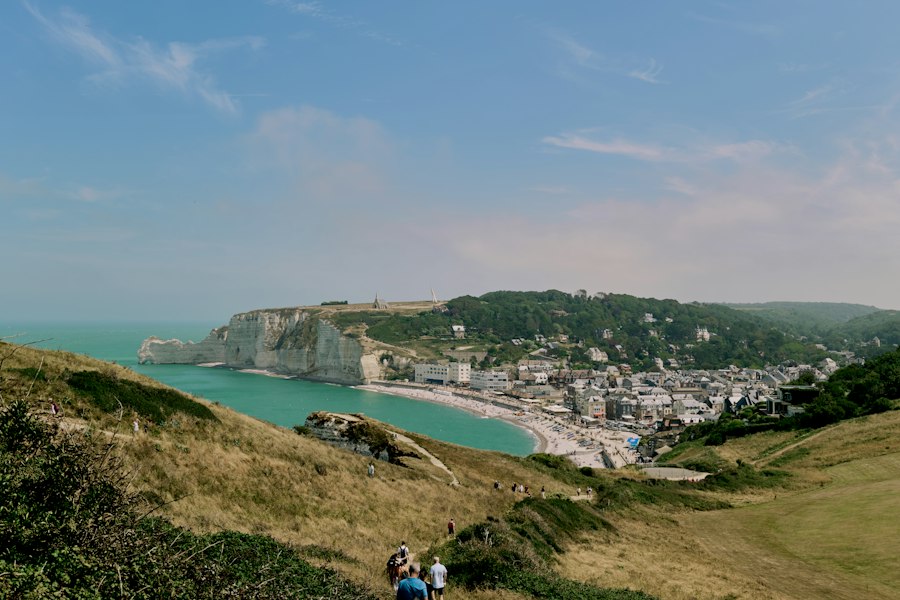
Welcome to your ultimate guide to Etretat coastal photography 2026, where we will unlock the secrets to capturing France's most iconic dramatic chalk cliffs and natural arches.
I still remember my very first trip to the Alabaster Coast years ago. I arrived at the famous Falaise d Aval just as the morning mist rolled in. Excited, I pointed my camera, snapped a few frames, and looked at the screen. What a disappointment! The sky was completely washed out, the dark rocks had zero detail, and the ocean looked like flat gray mud. My light meter had been tricked by the bright sea spray, causing severe underexposure on the cliffs. I had failed to adjust my camera settings properly for contrast. It was a tough lesson, but it forced me to master high-dynamic-range landscapes. Today, I am going to share everything I learned so you can avoid those rookie mistakes on your next journey.
Why Etretat Coastal Photography 2026 is a Photographer's Dream
The stark white cliffs, deep turquoise water, and famous needle rocks make Normandy a playground for visual storytellers. Whether you are aiming for high-contrast dramatic monochrome shots or soft, pastel sunrises, mastering Etretat coastal photography 2026 will elevate your entire travel portfolio. The secret is knowing how to handle the rapidly changing coastal light and unpredictable tide movements.
First, let us look at how light interacts with the limestone. Because white chalk reflects massive amounts of sunlight, your camera can easily get confused. This is where basic exposure theory becomes your best friend.
Essential Camera Concepts Simplified
Before we dive into the locations, let us quickly break down the technical terms you need to master. Do not let the jargon intimidate you; these are just tools to unlock your creativity!
Understanding the Core Camera Settings
- ISO: Think of ISO as your sensor sensitivity to light. A low value like ISO 100 gives you the crispest images with zero noise, perfect for bright daytime landscape work.
- Bokeh: This describes the soft, out-of-focus background area in an image. While portrait photographers love creamy bokeh, landscape photographers usually want everything sharp from front to back.
- Rule of Thirds: Imagine breaking your image down into nine equal rectangles. Placing the Etretat needle rock along these gridlines or at their intersections creates a far more dynamic image than sticking it right in the center.
- Exposure Compensation: This handy button lets you force your camera to make an image brighter (+) or darker (-). When shooting bright chalk cliffs, dialing in +0.7 exposure compensation stops your camera from turning the white rocks into dull gray.
- RAW vs JPEG: Always shoot in RAW format! A JPEG compresses file data and throws away image information. RAW files save every detail captured by your sensor, giving you maximum freedom to recover shadows and highlights later in editing software like Adobe Lightroom.
Golden Rule of Coastal Photography: Always expose for the brightest highlights on the white cliffs. You can easily lift dark shadow details in editing, but blown-out white pixels are lost forever!
Must-Have Gear and Recommended Settings
You do not need tens of thousands of dollars in equipment, but a few key pieces will dramatically improve your results when practicing Etretat coastal photography 2026.
Must-Have Gear List
- Sturdy Tripod: Coastal wind along the cliff tops can be fierce. A heavy-duty carbon fiber tripod keeps your camera rock steady during long exposures.
- Neutral Density (ND) Filters: These act like sunglasses for your lens, allowing you to use slow shutter speeds in bright daylight to smooth out churning ocean waves.
- Circular Polarizer (CPL): Cuts through water glare, revealing hidden rocks beneath the waves and making the blue ocean colors pop.
- Wide-Angle Lens (16-35mm): Essential for capturing the sheer scale of the massive chalk arches. Check out current lens reviews on DPReview to find the sharpest glass for your camera system.
Step-by-Step Guide: Capturing the Perfect Sunset Shot
Now try this step-by-step workflow next time you stand on the pebble beach facing the Falaise d Amont.
Step 1: Set Up Early and Frame Your Composition
Arrive at least 45 minutes before golden hour. Frame your scene using the rule of thirds. Place the ocean along the bottom third, the dramatic cliff along the right vertical line, and leave the top two-thirds for the dramatic sky.
Step 2: Lock Down Your Base Settings
Mount your camera on your tripod. Set your camera mode to Manual. Select ISO 100 for maximum clean resolution. Set your aperture to f/8 or f/11. This is the sweet spot for most modern lenses, providing maximum sharpness without causing diffraction blur.
Step 3: Dial in the Shutter Speed
If you want crisp water action, set your shutter speed to 1/250s or faster. If you prefer a dreamy, silky sea, screw on your ND filter and drop the shutter speed down to 2 seconds or longer. Watch how the waves turn into soft mist around the base of the needle rock!
Step 4: Check Your Histogram
Take a test shot. Do not just look at the screen on the back of your camera, as bright sunlight can deceive your eyes. Look at the histogram graph. Ensure the graph curve is not smashed against the extreme right edge, which indicates overexposed highlights on the bright chalk cliffs.
Before & After: Fixing Common Coastal Composition Mistakes
Let us compare a classic amateur attempt with an upgraded professional shot of the famous arches.
The Before Scenario: You stand on the beach at noon, shooting hand-held in JPEG mode at ISO 400. You point the lens straight ahead with the horizon cut right through the middle of the frame. The resulting image shows flat, harsh light, a crooked horizon, murky gray water, and completely white, featureless skies.
The After Scenario: You plan your trip using Etretat coastal photography 2026 tide charts to shoot during low tide at sunset. You crouch low to the ground to include smooth wet beach stones in the foreground, leading the viewer's eye toward the arch. Your camera is on a tripod at ISO 100, f/11, shooting in RAW with a 3-stop ND filter. The result? A breathtaking fine-art image featuring silky smooth turquoise ocean currents, glowing orange limestone cliffs, and rich detail retained in both deep shadows and bright clouds.
Final Pro Tips for 2026 Visitors
Don't forget to pack a dedicated lens cleaning cloth! Ocean spray leaves tiny salt spots on your front lens element faster than you think. Inspect your glass frequently between shots. Also, double-check your camera manufacturer specifications on official brand portals like Sony, Canon, or Nikon to verify the weather-sealing limits of your gear before shooting close to salty waves.
With these practical techniques in your camera bag, your Etretat coastal photography 2026 adventures will yield stunning, frame-worthy photos that truly capture the wild beauty of Normandy. Now charge those batteries, check the tide schedules, get out there, and start creating!

Matthias Weber digs into the craft of travel photography, from camera settings to editing. He explains the technical side in plain language so you can spend less time fiddling with dials and more time shooting.
💬 Comments (0)
No comments yet. Be the first!