Maui waterfall photography 2026 Guide
Master Maui waterfall photography 2026 with our expert guide to shutter speeds, polarizer filters, and hidden tropical spots.
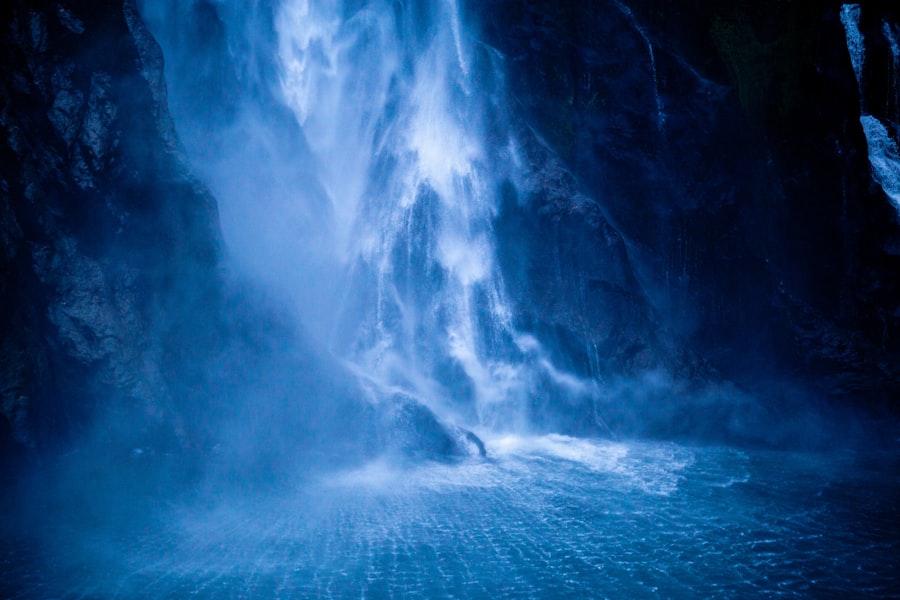
Mastering Maui waterfall photography 2026 is one of the most rewarding adventures you can undertake as a landscape photographer this year.
Maui is a paradise of lush rainforests, volcanic cliffs, and cascading waters. But if you have ever tried to photograph a waterfall, you know that capturing that silky, dreamlike water while keeping the surrounding jungle sharp is harder than it looks. Your camera can easily get confused by the bright white water and dark green foliage. In this comprehensive guide, I will coach you through the exact techniques, gear, and camera settings you need to create gallery-worthy images in 2026.
The Magic of Water in Motion: Shutter Speed Explained
The secret to stunning waterfall photos lies in how you control time. When you look at professional waterfall images, you usually see two styles. The first is the classic silky, misty water look. The second is a frozen, powerful splash. Both are beautiful, but they require very different settings.
To get that smooth, ethereal water, you need a slow shutter speed (typically between 1/2 second and 2 seconds). This allows the water to blur as it moves through the frame. If you want to freeze the action and show the raw power of a crashing wave at the pool of the waterfall, you need a fast shutter speed (like 1/500th of a second or faster). As your coach, I encourage you to try both styles at every location to see which story your photo tells best.
Essential Gear for Maui Waterfall Photography 2026
You do not need the most expensive camera on the market to capture incredible images, but you do need a few specific tools to handle the unique Hawaiian environment. The tropical canopy can be dark, yet the waterfalls themselves can be blindingly bright.
Before you head out onto the Road to Hana, make sure your camera bag has these essential items:
- A Sturdy Tripod: You cannot shoot long exposures by hand. Any camera shake will ruin the sharpness of your photo.
- A Circular Polarizer (CPL): This filter is your secret weapon. It cuts down on the glare from wet rocks and leaves, making the green foliage pop.
- Neutral Density (ND) Filters: These act like sunglasses for your lens, allowing you to use slow shutter speeds even in bright daylight.
- Rain Covers and Lens Cloths: Maui waterfalls create a lot of mist, and tropical rain showers can start in seconds. Protection is key.
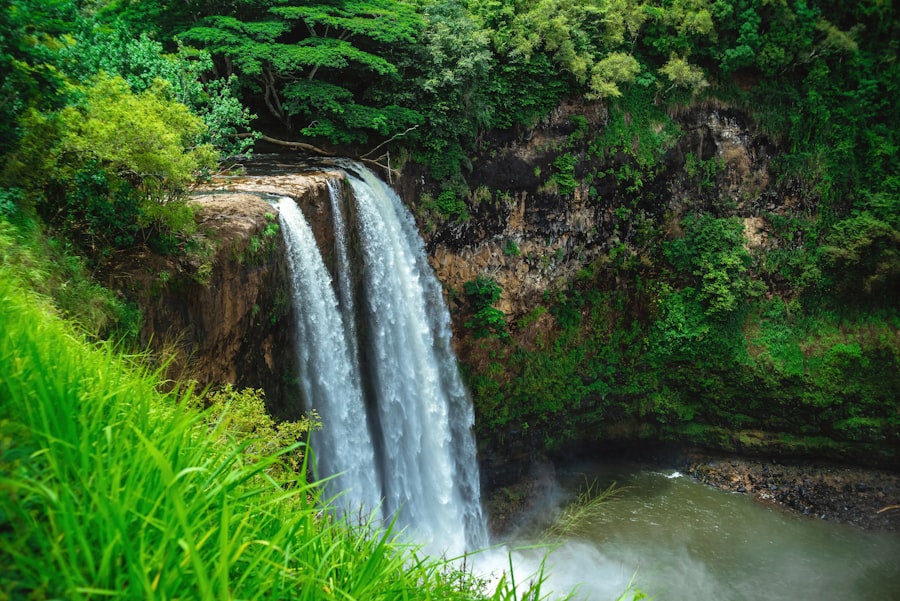
My Biggest Mistake: A Personal Story of Failure and Redemption
Let me share a quick story about a massive failure I had a few years ago. I hiked for two hours to reach a hidden waterfall deep in the bamboo forest. I was so excited that I immediately set up my tripod, dialed in a 2-second exposure, and started shooting. The images looked amazing on my small camera screen.
When I got back to my computer, however, I was devastated. The white water was completely blown out, meaning it was a solid block of pure, unrecoverable white with zero detail. Even worse, the wind had blown the tree branches during my 2-second exposure, making the entire forest look blurry and messy. I had failed to balance my shutter speed with the environment.
I fixed this on my next trip by doing two things. First, I used a faster shutter speed of 1/2 second to keep the leaves relatively still. Second, I used a technique called exposure compensation to darken the image slightly, saving the details in the white water. This is why learning the technical side of Maui waterfall photography 2026 is so important before you stand in front of the lens.
Step-by-Step Guide to Shooting Your First Waterfall
Step 1: Compose Using the Rule of Thirds
First, let's look at how to frame your shot. Do not just place the waterfall dead center in the middle of your frame. Use the Rule of Thirds. Imagine your screen is divided into a nine-box grid. Place the main flow of the waterfall along one of the vertical grid lines, and position the pool at the bottom where the horizontal lines meet. This creates a much more dynamic and pleasing composition.
Step 2: Choose RAW over JPEG
The secret is always to shoot in RAW vs JPEG. A JPEG is a compressed file where the camera decides the colors and contrast for you. A RAW file saves all the data your camera sensor captures. This gives you the power to rescue dark shadows under the jungle canopy and tone down bright highlights in the water during editing. You can learn more about how sensors handle this data on technical sites like DPReview.
Step 3: Set Your ISO and Aperture
Now try this: Set your camera to Manual mode. Keep your ISO as low as possible, ideally at ISO 100. A low ISO ensures your image has no digital noise or grain. Next, set your aperture (the f-stop) to around f/8 or f/11. This sweet spot ensures that both the foreground rocks and the background waterfall stay sharp. It also creates a pleasing depth of field without causing lens diffraction.
The Golden Rule: Always check your histogram after taking a shot. If the graph is touching the far right edge, your waterfall is overexposed. Use exposure compensation to dial it down!
Step 4: Use Exposure Compensation to Balance the Light
Because waterfalls are bright white and jungles are dark green, your camera's light meter will often get confused. It will try to make the dark jungle brighter, which overexposes the water. Don't forget to use your Exposure Compensation button (the little +/- icon). Dial it down to -0.7 or -1.0. This tells your camera to keep the image slightly darker, protecting those beautiful water details.
Step 5: Create a Beautiful Bokeh in the Foreground
To make your images look professional, try shooting through some wet leaves or tropical flowers close to your lens. By using a slightly wider aperture like f/4, you can create a soft, blurry background or foreground effect known as Bokeh. This adds depth and frames the waterfall beautifully, making the viewer feel like they are peeking through a secret jungle portal.
Recommended Camera Settings
When practicing Maui waterfall photography 2026, you want to have a solid starting point before you adjust for local light conditions. Use these settings as your baseline:
- Image Format: RAW (for maximum editing flexibility)
- Shooting Mode: Manual or Aperture Priority
- ISO: 100 (keeps the image clean and sharp)
- Aperture: f/8 to f/11 (for maximum sharpness throughout the frame)
- Shutter Speed: 1/2 second to 1 second (adjust based on water flow speed)
- Focus Mode: Manual focus (auto-focus can get confused by moving water)
Advanced Tips for 2026 Landscape Photographers
If you want to take your Maui waterfall photography 2026 skills to the absolute limit, you must think about the weather and timing. The best time to photograph waterfalls is on an overcast, cloudy day. Bright, direct sunlight creates harsh shadows and blinding highlights that are almost impossible to balance. A cloudy sky acts like a massive softbox, spreading even, gentle light over the entire jungle.
Also, don't be afraid to experiment with your white balance. Waterfalls in the deep shade can often look very blue and cold. Setting your white balance to "Cloudy" or "Shade" will instantly warm up the image, making the greens look richer and the water look clean and inviting. If you are using modern mirrorless systems from major brands, you can find detailed setup guides on the official Canon or Sony support pages to customize your custom buttons for quick access to these settings.
Go Out and Capture the Flow
Now you have the knowledge, the settings, and the techniques to master Maui waterfall photography 2026. Remember, photography is a journey of patience and practice. If your first few shots don't look perfect, don't get discouraged. Adjust your shutter speed, check your histogram, and keep experimenting with different angles. Get out there, explore the beautiful valleys of Maui, and capture something extraordinary!
Frequently Asked Questions
What permits are required for Maui waterfall photography in 2026?
As of 2026, a free Access & Use permit from the Department of Land and Natural Resources is required for commercial shoots; recreational photographers need no permit unless using drones or accessing restricted trails.
What is the best time to photograph Maui waterfalls in 2026?
Early morning between 6-8 a.m. offers soft light and fewer crowds; avoid midday sun to prevent harsh shadows, and check seasonal rainfall for optimal flow.
Which Maui waterfall is best for beginner photographers in 2026?
'Iao Valley State Monument features 'Iao Needle, with easy accessible pools and stairs 0.6 miles from the parking lot, perfect for stable shots with wide-angle lenses.
Are drones allowed for waterfall photography in Maui in 2026?
Drones are prohibited in most state parks and wilderness preserves; you must obtain a separate inter-island drone permit from DLNR for strictly commercial use limited to 100 acres with 20 days notice.
What lens should I use for capturing light at Haleakalā waterfall spots in 2026?
A wide-angle zoom (16-35mm) is essential for dramatic close-ups of the 400-foot Waimoku Falls; add a polarizing filter to cut glare and saturate greens, especially after winter rains enhance the Wailua River basin.

Camille Bernard shares travel photography tips for every kind of traveller, from phone snapshots to full kits. She breaks down light, composition and timing so you come home with photos that actually capture how a place felt.
💬 Comments (0)
No comments yet. Be the first!