La Jolla Sunset Photography 2026 Guide
Learn La Jolla sunset photography 2026 with our expert guide to capturing golden hour colors and tides.
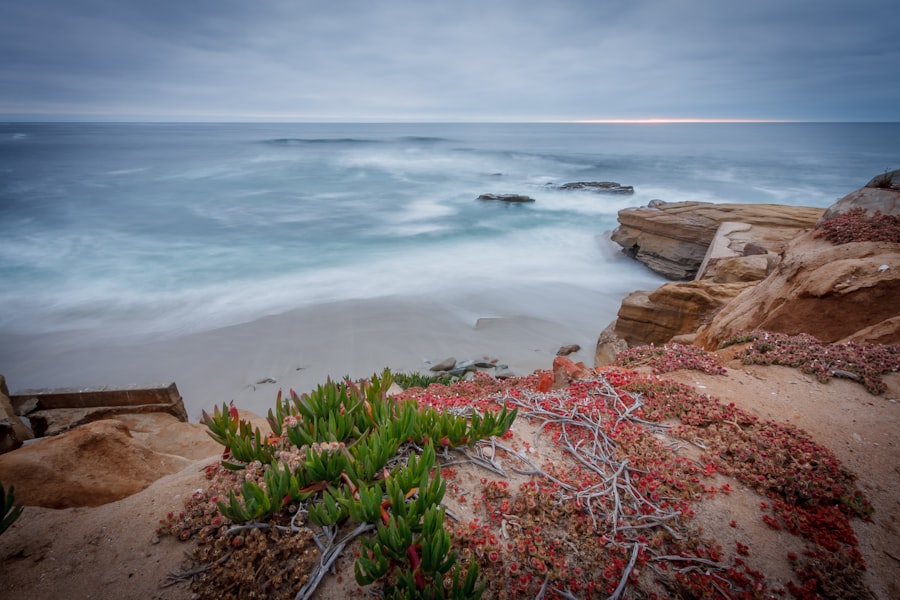
If you want to capture the ultimate coastal shot this year, mastering La Jolla sunset photography 2026 is the absolute best place to start. There is something truly magical about the way the Southern California sun dips below the Pacific horizon, painting the sandstone cliffs of San Diego in hues of fiery orange and deep purple. But as any photographer who has visited Scripps Pier or Windansea Beach will tell you, capturing that magic on sensor is harder than it looks. That is where I come in. As your photography coach, I am going to guide you through the exact techniques, gear choices, and secret spots you need to make your 2026 coastal images absolutely sing.
The Magic of La Jolla Sunset Photography 2026
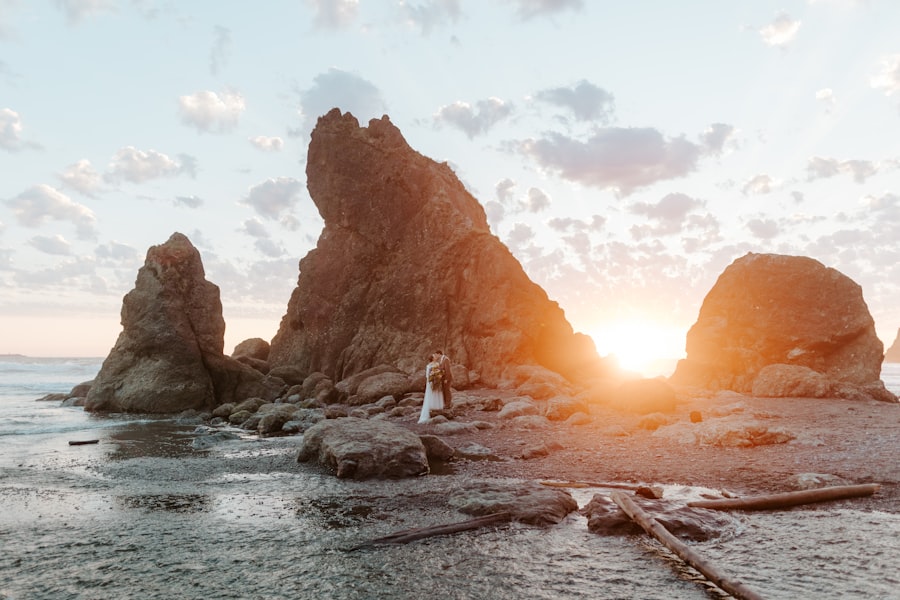
First, let's look at why this specific stretch of coastline is a global photographer's paradise. La Jolla offers a unique combination of dramatic geology, rich marine life, and westward-facing beaches that catch the clean Pacific light perfectly. In 2026, coastal environmental patterns are shifting, bringing unique marine layer dynamics that can either make or break your shoot.
The secret is learning how to read the sky and prepare your camera system to handle extreme dynamic range. When you master La Jolla sunset photography 2026, you are not just taking a picture; you are telling a story of the land meeting the sea. Whether you are shooting the iconic mossy rocks at Hospital Reef or the architectural symmetry of Scripps Pier, having a solid game plan is your ticket to portfolio-worthy images.
The Golden Rule of Coastal Light: Never pack up your camera gear the moment the sun slips below the horizon. The civil twilight period, which occurs 15 to 25 minutes after sunset, often produces the most dramatic pink and pastel tones of the entire evening.
My Biggest Sunset Failure (And How I Fixed It)
I will never forget my first attempt at shooting a sunset at Windansea Beach. I set up my tripod, pointed my lens at the beautiful sandstone cliffs, and clicked the shutter. The result? A complete disaster. The sky was a washed-out, blinding white mess, and the beautiful rocks in the foreground were pitch black. I had made the classic mistake of letting my camera auto-expose for the dark rocks, which completely ruined the sky.
To fix this, I had to learn how to use Exposure Compensation. This is a handy camera setting that tells your camera to make the image darker or brighter than what its internal meter thinks is correct. By dialing my exposure compensation down to -1 or -2, I preserved all the rich orange and red colors in the sky. Now try this yourself next time you face a high-contrast sunset: dial down your exposure to save the highlights, and watch your images instantly transform from amateur snapshots to professional masterpieces.
Essential Gear for La Jolla Sunset Photography 2026
To get the most out of your coastal shoot, you do not need the most expensive camera on the market, but you do need the right tools. Here is the ultimate gear checklist to pack in your camera bag before heading out to the cliffs.
- A Sturdy Tripod: The coastal winds in San Diego can be fierce, and you will need absolute stability for long exposure shots.
- Circular Polarizer (CPL): This filter helps cut down on unwanted glare on the wet rocks and boosts the saturation of the sky and ocean.
- Neutral Density (ND) Filters: Essential for slowing down your shutter speed to get that silky, smooth water effect.
- A Microfiber Cloth: Sea spray is your worst enemy; keep a clean cloth in your pocket to wipe your lens element between shots.
- High-Quality Camera Body: Modern mirrorless systems like the Sony Alpha Series or Canon EOS R Series offer the incredible dynamic range needed for these high-contrast scenes.
Your Step-by-Step Guide to the Perfect Sunset Shot
Now that you have your gear ready, let us walk through the exact process of setting up and executing your shot. Your photos will look ten times better if you follow these disciplined steps.
Step 1: Choose Your File Format and Focus
Before you even frame your shot, check your camera menu. Always shoot in RAW vs JPEG. While a JPEG is a finished, compressed file, a RAW file saves all the uncompressed data from your camera sensor. This gives you maximum flexibility when editing your shadows and highlights in post-processing. Next, switch your lens to manual focus if you are shooting through sea spray, or use a single spot autofocus point placed directly on a high-contrast edge of your foreground subject, like a jagged rock.
Step 2: Dial in the Exposure Settings
Keep your ISO as low as possible, ideally at ISO 100. This ensures your image is clean and free of digital noise. Choose an aperture between f/8 and f/16 to keep the entire scene, from the foreground pebbles to the distant horizon, in sharp focus. If you want to create beautiful background blur, also known as Bokeh, you can open your aperture to f/2.8, but this is best reserved for close-up portraits of sea shells or tide pool critters rather than wide landscapes.
Step 3: Compose Using Creative Guidelines
Do not just place the horizon line dead center in your frame. Use the Rule of Thirds to create a balanced composition. Imagine your screen is divided into a nine-box grid. Place the horizon along the bottom third line if the sky is spectacular, or along the top third line if the foreground rocks and rushing water are the main attraction. Look for leading lines, like the curve of the shoreline or the pillars of Scripps Pier, to draw the viewer's eye through the frame.
Recommended Camera Settings for Coastal Sunsets
If you are feeling overwhelmed by all the manual controls, use this quick-reference guide to set up your camera. These settings are designed to give you a perfect starting baseline for La Jolla sunset photography 2026.
- Exposure Mode: Manual (M) or Aperture Priority (A/Av)
- ISO: 100 (for maximum image quality and dynamic range)
- Aperture: f/11 (for deep depth of field and sharpness)
- Shutter Speed: 1/2 second to 5 seconds (to capture motion blur in the waves)
- White Balance: Cloudy or Shade (to warm up the golden hour colors)
- Drive Mode: 2-second self-timer (to prevent camera shake from your finger pressing the button)
Before and After: The Power of Technique
Let us compare two different scenarios to see how these techniques translate to real-world results. Imagine you are standing at the La Jolla Cove tide pools at 5:45 PM.
The Before Scenario: You point your camera on Auto Mode, shoot in JPEG, and press the shutter hand-held. The camera gets confused by the bright sun, underexposes the entire foreground, and uses a fast shutter speed of 1/500th of a second. The ocean waves look frozen and messy, the rocks are a black silhouette with no detail, and the sky is a generic yellow stripe.
The After Scenario: You mount your camera on a tripod, switch to RAW, and select Manual Mode. You set your ISO to 100, aperture to f/11, and use an ND filter to slow your shutter speed to 2 full seconds. You apply a touch of negative Exposure Compensation to preserve the deep magenta clouds. The resulting image features silky, ethereal water flowing around highly detailed, moss-covered rocks, topped with a vibrant, dramatic sky. That is the power of mastering La Jolla sunset photography 2026.
Taking Your Skills to the Next Level
Don't forget to experiment with your height and angles. Many photographers stand at eye level, which makes every photo look the same. Try getting down low, just inches above the wet sand, to make the incoming waves look massive and powerful. If you want to dive deeper into the technical mechanics of sensor performance and lens sharpness for these challenging conditions, check out the comprehensive camera reviews on DPReview or read through the digital imaging workflows on Adobe Tutorials.
With these professional tips in your creative toolkit, you are fully equipped to capture the most breathtaking coastal landscapes of the year. Grab your gear, check the tide charts, and head out to the San Diego coast to create your own stunning portfolio of La Jolla sunset photography 2026. Happy shooting!
Frequently Asked Questions
What is the best time to photograph La Jolla sunsets in 2026?
The golden hour typically occurs 30–60 minutes before sunset; check local sunset times for your specific date.
Where are the top sunset photography spots in La Jolla?
Popular spots include La Jolla Cove, Windansea Beach, Cave Store stairway, and Torrey Pines Gliderport overlook.
What camera settings work best for sunset photos?
Use a low ISO (100–400), aperture f/8–f/11, and manual white balance around 5500K for warm tones; bracket exposures for high dynamic range.
Do I need any special gear for La Jolla sunset photography?
A wide-angle lens and tripod are recommended. Use ND graduated filters to balance sky and foreground exposures.
Are there any photography permits required in La Jolla?
No special permits are needed for personal photography, but commercial shoots may require a city permit.

Camille Bernard shares travel photography tips for every kind of traveller, from phone snapshots to full kits. She breaks down light, composition and timing so you come home with photos that actually capture how a place felt.
💬 Comments (0)
No comments yet. Be the first!