Singapore Orchid Macro Photography Guide
Our 2026 guide reveals how to master Singapore orchid macro photography at the spectacular National Orchid Garden.
Singapore Orchid Macro Photography Guide
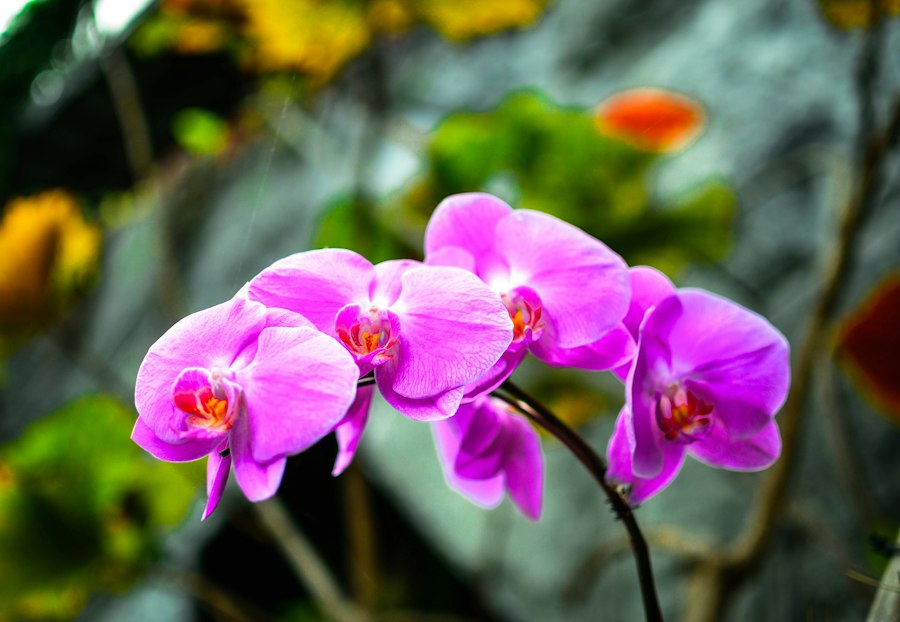
Welcome to the ultimate Singapore orchid macro photography playbook, your complete visual roadmap to capturing the island nation's most exquisite and delicate floral treasures. If you have ever wanted to freeze the intricate, velvet-like textures of a rare Vanda Miss Joaquim or document the otherworldly patterns of a tiger orchid, you have landed in the perfect place. Singapore is famously known as a City in a Nature, and for close-up photographers, it is nothing short of a tropical paradise. Armed with your macro lens, you are about to embark on a visual journey where tiny water droplets transform into crystal magnifying glasses and delicate petals become vast landscapes of vibrant color.
In this comprehensive guide, we will explore the absolute best spots across Singapore to capture these botanical wonders. We will dive deep into the essential gear, the master camera settings, and the exact physical routes you need to take to find the most photogenic blooms. From the humid, mist-filled glass domes of Marina Bay to the historic, sprawling grounds of the national gardens, get ready to elevate your portfolio with stunning, professional-grade floral imagery.
1. Master the Gear and Camera Settings for Tiny Blooms
Before you step foot into the humid tropical air of Singapore, you need to ensure your camera rig is perfectly dialed in for extreme close-up work. Macro photography is a game of millimeters. The tiniest breath of wind or a micro-movement of your hand can throw your entire subject out of focus. To capture the true essence of Singapore orchid macro photography, you must understand how to balance your exposure while maintaining a razor-sharp depth of field.
The Best Lens and Camera Choices
While a standard zoom lens with a close-focusing distance can yield decent results, nothing compares to a dedicated prime macro lens. A focal length between 90mm and 105mm is the absolute sweet spot. This range gives you a comfortable working distance, meaning you do not have to press your lens glass directly against the fragile petals, which could cast unwanted shadows or damage the flower. If you are shooting with a mirrorless or DSLR camera, pair your lens with a sturdy monopod or a flexible tabletop tripod. However, keep in mind that many formal gardens in Singapore have strict rules regarding large tripods blocking public pathways, so a compact monopod is often your best bet for keeping your rig stable.
Nailing the Perfect Depth of Field
When you are working at a 1:1 magnification ratio, your depth of field is incredibly thin. If you shoot wide open at f/2.8, only a fraction of an orchid column or anther cap will be in focus, leaving the rest of the gorgeous petal structure lost in a blurry haze. To capture the complex geometric symmetry of these flowers, step down your aperture to between f/8 and f/16. This provides enough depth to keep the critical reproductive organs and the immediate surrounding petals sharp, while still rendering the distant background into a soft, creamy blur that makes your main subject pop beautifully.
Pro Photography Tips: When shooting in the tropical breeze, switch your camera to continuous autofocus (AF-C or AI Servo) and use a single, movable focus point. Place this point directly on the most detailed part of the orchid, such as the colorful lip or column, and use a fast shutter speed of at least 1/250s to counteract any sudden, wind-induced movements.
2. The Crown Jewel: National Orchid Garden
Nestled within the sprawling, UNESCO World Heritage-listed Singapore Botanic Gardens, the National Orchid Garden is the undisputed mecca for flower enthusiasts. This historic site, which opened its current iteration in 1995, houses the world's largest display of orchids, boasting over 1,000 species and 2,000 hybrids. As you step through the ornate iron gates, you are instantly enveloped in a lush, green sanctuary where every turn reveals a new burst of color. The vibe here is deeply serene, filled with the gentle hum of trickling water fountains and the rich, earthy scent of damp soil.
How to Navigate and Find the Best Spots
To reach this photographic wonderland, take the MRT (Mass Rapid Transit) to the Botanic Gardens Station (CC19/DT9). From the station exit, follow the clearly marked walking paths southward through the main gardens for about 15 minutes until you reach the central hilltop. Once inside the National Orchid Garden, head straight for the Tan Hoon Siang Mist House. This specialized enclosure mimics a cool, humid mountain environment, providing the perfect habitat for rare, fragrant orchid varieties. The misting systems here create a dreamlike atmosphere, naturally coating the petals in tiny, glistening water droplets that look spectacular when magnified through a macro lens.
Capturing Unique Angles and Lighting
Because the National Orchid Garden is incredibly popular, you will want to arrive right when the gates open at 8:30 AM. The early morning sun filters softly through the canopy of mature heritage trees, creating a warm, diffused glow that eliminates harsh, distracting shadows. When framing your shot, try to look for unique angles. Instead of shooting the orchid straight-on at eye level, get down low and shoot upward toward the sky. This perspective utilizes the bright canopy as a natural backlighting source, illuminating the semi-translucent petals of the orchids and revealing their intricate, hidden vein structures.
- Must-Shoot Species: Look out for the gold-spotted Tiger Orchid (Grammatophyllum speciosum), the world's largest orchid species.
- Top Composition Trick: Use the dark, wet leaves of surrounding tropical foliage as a natural frame to isolate your brightly colored orchid subject.
- Best Time to Visit: Weekday mornings between 8:30 AM and 10:30 AM to avoid the heavy tourist crowds and capture the best natural light.
3. Future-Forward Blooms at Gardens by the Bay
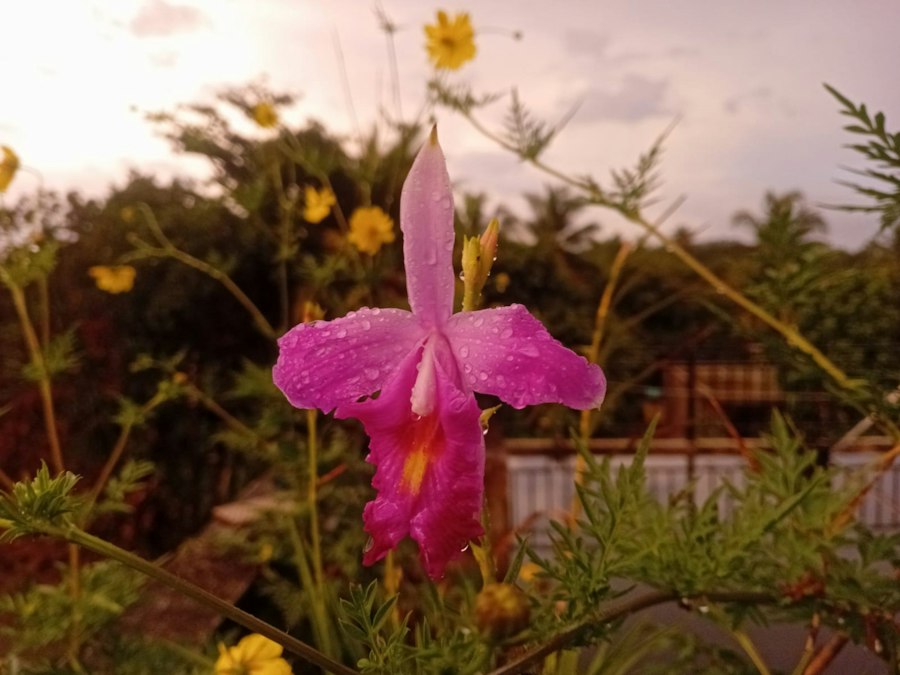
For a completely different, futuristic take on floral portraiture, head over to the iconic Gardens by the Bay. This massive, award-winning horticultural destination is famous for its towering Supertrees and massive glass biomes. Inside the Cloud Forest conservatory, you will find a breathtaking, 35-meter-high man-made mountain covered in lush, moisture-loving vegetation, including some of the rarest high-altitude orchids on earth. The atmosphere here is misty, cool, and cinematic, offering an entirely different creative vibe for your portfolio.
To get there, take the MRT to the Gardens by the Bay Station (TE22) or Bayfront Station (CE1/DT16) and follow the underground links directly to the conservatories. Once inside the Cloud Forest, make your way up the soaring Cloud Walk. Along this elevated, misty pathway, you will find specialized orchid displays tucked into the mossy mountain walls. These high-altitude specimens thrive in the cool, constant breeze generated by the conservatory's advanced climate control systems, making them look incredibly vibrant and healthy.
Pro Photography Tips: The glass dome of the Cloud Forest diffuses the intense Singapore sun, acting as a giant, overhead softbox. However, the misty environment can quickly fog up your lens glass. Keep a clean, dry microfiber cloth handy in your pocket and allow your camera gear to acclimate to the cooler indoor temperature for about ten minutes before you start shooting.
4. Sian Chay Art Gallery and the VIP Orchid Garden
Tucked away within the larger National Orchid Garden complex lies a highly prestigious sanctuary known as the VIP Orchid Garden. Since 1956, the Singapore government has promoted a unique form of "orchid diplomacy," naming its finest, newly cultivated hybrid orchids after visiting heads of state, royalty, and international dignitaries. This exclusive enclosure is a treasure trove of botanical history, displaying beautiful blooms named after historical figures and modern leaders alike.
Walking through this manicured garden feels like taking a walk through a living, breathing diplomatic archive. The paths are lined with elegant stone plinths displaying the names of the VIPs alongside their namesake flowers. The composition opportunities here are endless. Because these hybrids are meticulously groomed and cared for by master horticulturists, you will find some of the most structurally flawless petals in the entire country, completely free of insect damage or natural wear.
- Vanda William Catherine: A striking, elegant white hybrid named in honor of the Prince and Princess of Wales, perfect for high-key, clean photography.
- Dendrobium Barack Obama: A vibrant, curly-petaled hybrid featuring deep purple tones that contrast beautifully against green backgrounds.
- Framing Idea: Position your camera to capture the engraved nameplate softly blurred in the background while the sharp, detailed VIP orchid dominates the foreground.
5. Exploring Wild Orchids at MacRitchie Reservoir
If you want to step away from manicured tourist gardens and experience orchids in their raw, natural habitat, pack your gear and head to the MacRitchie Reservoir Park. As Singapore's oldest reservoir, this pristine nature reserve is a hotspot for native biodiversity. Here, wild epiphytic orchids grow high up on the trunks of ancient rain trees or cling to damp rock faces along the forest trails. The vibe here is wild, untamed, and adventurous, requiring a keen eye and a patient approach to find your subjects.
Hiking the Trails for Native Species
To access the best wild spots, start your journey at the MacRitchie Reservoir carpark off Lornie Road. Take the main boardwalk trail that hugs the edge of the scenic water reservoir. As you hike deeper into the secondary rainforest toward the famous TreeTop Walk, keep your eyes trained on the tree forks and low-hanging branches. You are searching for native Singapore orchids like the Pigeon Orchid (Dendrobium crumenatum), which bursts into sweet-smelling white blooms precisely nine days after a sudden drop in temperature, usually triggered by a heavy tropical rainstorm.
Dealing with Challenging Forest Lighting
Shooting wild Singapore orchid macro photography deep within a rainforest canopy presents unique lighting challenges. The thick forest ceiling creates patchy, high-contrast light that can easily blow out the highlights of your flower while leaving the background in deep shadow. To counter this, look for orchids growing in fully shaded areas and use a small, hand-held white reflector or a diffuser panel to bounce soft, natural light back onto the flower. This gentle, indirect light will beautifully fill in the shadows and highlight the delicate textures of the wild petals without looking artificial.
6. Key Tips for Stunning Orchid Close-Ups
To truly elevate your floral images from simple snapshots to breathtaking works of art, you must pay close attention to the fine details of your scene. Orchids are highly complex structures, and capturing their beauty requires a thoughtful, artistic approach to every single frame.
For more inspiration on planning your trip and exploring Singapore's iconic green spaces, check out the official TripAdvisor Singapore Guide to find nearby dining and accommodation, or consult the Lonely Planet Singapore Destination Portal for expert travel tips and cultural insights. When you are ready to shoot, keep these essential composition and lighting principles in mind:
- Watch the Background: A cluttered background of messy twigs, bright dirt patches, or tourist clothing will instantly ruin a macro shot. Always scan the edges of your viewfinder before pressing the shutter. If the background is distracting, gently adjust your shooting angle by an inch or two to place a solid, dark green leaf behind your subject.
- Use Creative Backlighting: Positioning yourself so that the sun shines through the back of the orchid petals can reveal stunning translucent patterns and glowing colors that are completely invisible under front-on lighting.
- Inject Clean Water: Carry a small, travel-sized spray bottle filled with clean water. A light, fine mist sprayed onto the orchid petals right before you shoot adds instant drama, freshness, and a beautiful sense of life to your macro images.
Frequently Asked Questions
What is the best time of day for orchid macro photography in Singapore?
Early morning from 7 to 9 am offers soft light, low wind, and active pollinators. The National Orchid Garden also stays quieter right at opening.
Which camera gear do I need for shooting orchids up close?
A macro lens around 90 to 100mm plus a tripod or monopod gives sharp, stable close-ups. A small reflector helps fill shadows on backlit blooms.
Where can I find orchids to photograph in Singapore?
The National Orchid Garden, Gardens by the Bay, and Botanic Gardens offer reliable collections year-round. MacRitchie and Bukit Timah trails reveal wild native species too.
How should I set my camera for orchid close-ups?
Use f/8 to f/16 for greater depth of field and keep ISO low with a tripod. Focus on the lip or column of the flower rather than the outer petals.
What humidity and weather challenges should I expect outdoors?
Singapore's humidity fogs lenses fast, so bring a microfiber cloth and let gear adjust before shooting. Shoot after rain for jewel-like droplets but watch for slippery paths.

Sophie Lefebvre writes about the most photogenic places to visit, pairing stunning locations with the practical details of getting there. She helps travellers find the views worth planning a whole trip around.
💬 Comments (0)
No comments yet. Be the first!