Playa de las Catedrales photo spots Guide
Master your coastal shots with our guide to Playa de las Catedrales photo spots, featuring dramatic stone arches.
Playa de las Catedrales photo spots: The Ultimate Photographer Guide
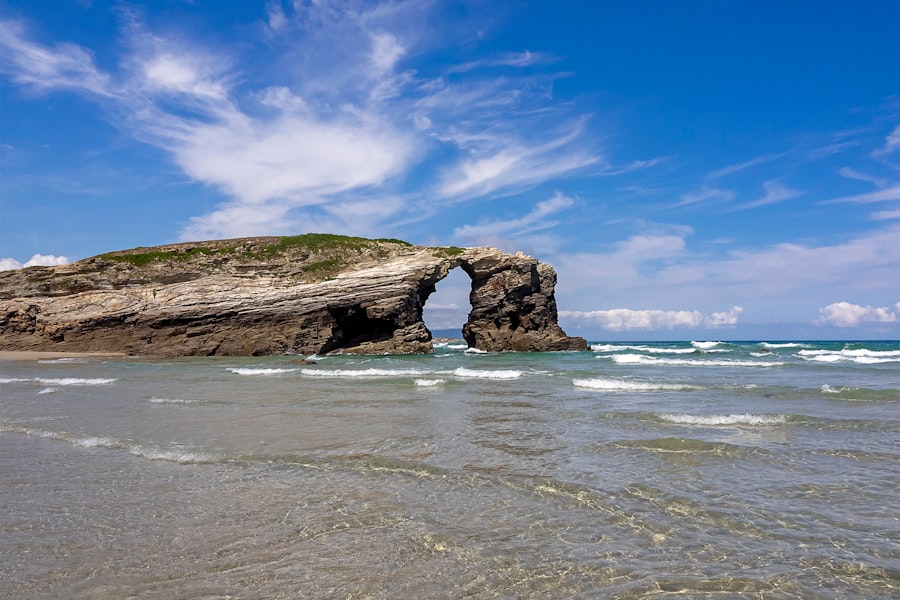
If you are searching for the ultimate Playa de las Catedrales photo spots, you have come to the right place to plan your next coastal photography adventure. Located along the rugged coastline of Galicia in northwestern Spain, near the town of Ribadeo, this natural wonder is officially known as Praia das Catedrais. Over millions of years, the relentless Atlantic Ocean has carved the dark slate and schist cliffs into magnificent arches, deep caves, and towering spires that resemble the Gothic cathedrals of Europe. Capturing this dramatic landscape requires careful planning, an understanding of the tides, and a keen eye for visual storytelling.
Photographing this coastal masterpiece is a dream for landscape enthusiasts. The way the wet sand reflects the sky, the dramatic scale of the rock formations against the human element, and the constant play of light and shadow inside the stone chambers offer endless creative possibilities. In this comprehensive guide, we will explore the absolute best locations to set up your tripod, the technical settings you need to master, and the essential safety tips to ensure you make the most of your photographic journey to this Iberian gem.
Understanding the Magic of Playa de las Catedrales
Before you pack your camera gear, it is crucial to understand the unique geology and natural forces that make this beach so spectacular. The cliffs here are composed of ancient sedimentary rocks that have been folded, fractured, and eroded by the powerful waves of the Cantabrian Sea. This continuous geological battle has created a series of monumental natural arches that stand up to thirty meters high, alongside deep, dark sea caves that stretch far into the cliffs.
Because of its immense popularity and ecological vulnerability, local authorities restrict access during peak seasons, such as summer and Easter. You will need to secure a free entry authorization ticket online beforehand. Furthermore, the entire beach completely disappears under the high tide twice a day. This means your shooting window is strictly limited to a few hours around low tide. To check the local tide charts and plan your entry times, you can consult helpful travel planning resources on TripAdvisor.
The Absolute Best Playa de las Catedrales photo spots
To help you navigate the sandy shores and towering cliffs, we have mapped out the most photogenic locations on the beach. Each spot offers a unique perspective, requiring different approaches to composition, framing, and light management.
The Triple Archway Portal
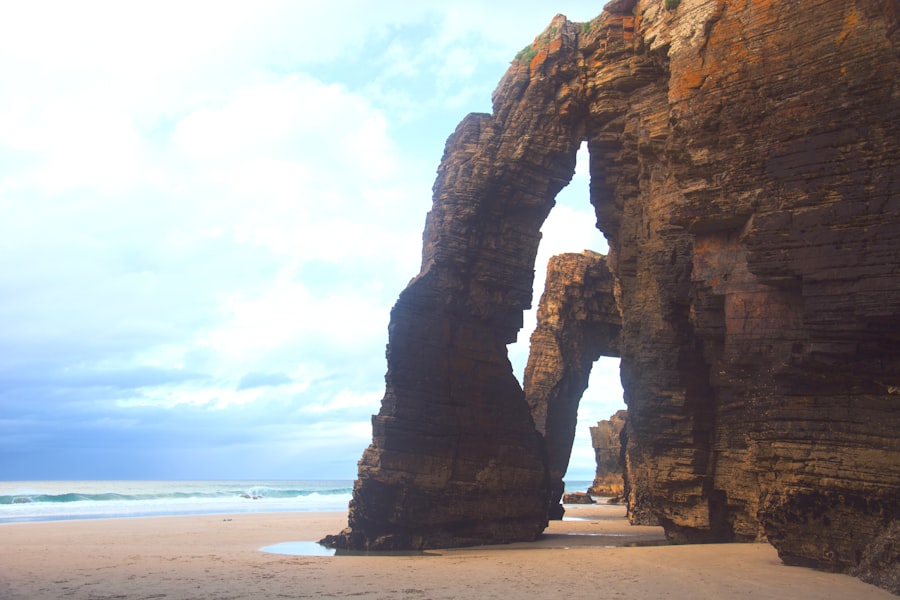
This is the iconic postcard image of the beach. A series of three massive stone arches stand in perfect alignment, creating a natural perspective tunnel that draws the eye deep into the frame. When the tide retreats, it leaves behind a thin, glassy sheet of water on the sand, which acts as a perfect mirror.
- Vibe: Majestic, grand, and ancient.
- Best Time: Early morning low tide, just as the sun begins to illuminate the outer edges of the stone arches.
- Camera Settings: Use a wide-angle lens (14mm to 24mm) to capture the full scale of the arches. Shoot at f/11 for maximum depth of field, keeping both the foreground sand textures and the distant cliffs sharp.
Pro Photography Tip: To emphasize the monumental scale of the Triple Archway, place a person wearing a bright red or yellow jacket inside the second arch. This creates a powerful focal point and gives the viewer a true sense of the immense size of these natural structures.
The Cathedral Dome Cave
Located deep within the cliffside, this massive sea cave features a towering, vaulted ceiling that closely resembles the interior of a Gothic cathedral. Sunlight filters through narrow cracks in the rock, casting dramatic, directional beams of light into the dark, damp interior.
- Angles: Shoot from a low angle looking straight up toward the ceiling openings to capture the towering vertical lines of the rock walls.
- Composition: Use the dark cave entrance to frame the bright, sunlit beach outside, creating a high-contrast "frame within a frame" composition.
- Lighting: This spot is highly dynamic. You will need to bracket your exposures (taking three to five shots at different exposure levels) to capture both the deep shadows of the cave interior and the bright highlights of the sky outside.
The Sea Needle Spire
Standing isolated on the sandy flat, this sharp, vertical rock stack rises defiantly against the horizon. It represents the final stage of coastal erosion, where a former arch has collapsed, leaving only a solitary pillar behind.
When photographing the Sea Needle, focus on capturing the motion of the retreating tide around its base. By using a neutral density (ND) filter, you can slow down your shutter speed to one or two seconds, turning the swirling sea foam into silky, ethereal white lines that lead the viewer's eye directly to the spire.
Mastering the Elements: Lighting, Angles, and Composition
Great photography at this location relies heavily on how you interact with the natural elements. The damp coastal air, the reflective wet sand, and the steep rock faces all present unique challenges and opportunities for visual storytellers.
The Power of Reflections
The wet, flat sand of the beach acts as a giant mirror. To maximize this effect, position your camera as close to the ground as possible. Using a tripod that allows you to shoot just inches above the wet sand will double the visual impact of the towering stone arches by reflecting them perfectly in the lower half of your frame.
Chasing the Golden Hour
The warm, soft light of sunrise and sunset completely transforms the dark slate cliffs, painting them in rich shades of orange, gold, and deep purple. If the low tide aligns with the golden hour, you will experience the most magical shooting conditions possible. The low angle of the sun casts long, dramatic shadows across the beach, adding incredible depth and texture to your images.
Essential Gear and Camera Settings for Coastal Photography
Taking stunning photos at these famous coastal locations requires the right equipment and technical preparation. The marine environment can be harsh on camera gear, so protection is just as important as creativity.
- Wide-Angle Zoom Lens: A 16-35mm lens is the workhorse for this location, allowing you to capture the sweeping vistas and massive heights of the arches.
- Sturdy Tripod: The wind along the Galician coast can be intense, and you will need a stable platform for long exposures and low-angle shots.
- Circular Polarizer: This filter is essential for reducing glare on wet rocks and wet sand, while simultaneously boosting the saturation of the blue sky and green moss.
- Lens Cleaning Cloths: Sea spray will constantly mist your lens. Keep several dry microfiber cloths handy to wipe your glass between shots.
Pro Photography Tip: When shooting long exposures of the waves moving through the arches, set your camera to manual focus. The moving water and shifting light can cause your autofocus to hunt, resulting in soft images. Lock your focus on a solid rock face before inserting your ND filter.
Practical Information and Travel Planning Tips
To ensure a successful and safe photography trip, you must plan your logistics carefully. This is not a beach where you can simply show up at any time of day and expect to walk along the sand.
Always consult the official tide tables daily. You should aim to arrive on the beach at least two hours before the absolute lowest tide. This gives you plenty of time to explore the caves and arches before the water begins to rise again. Be extremely mindful of the incoming tide, as it can rise rapidly and trap unwary photographers in the deeper caves. For comprehensive safety guidelines and regional travel tips, you can explore the detailed guides available on Lonely Planet.
Getting to the Beach
The beach is easily accessible by car from the nearby town of Ribadeo via the N-634 highway. There are large, well-marked parking lots located near the cliffs. From the parking area, a network of wooden boardwalks leads you safely down to the sandy shoreline. During the busy summer months, local shuttle buses also run regularly from the center of Ribadeo directly to the beach entry point.
Respecting the Natural Environment
Playa de las Catedrales is a protected natural monument. It is vital to stay on designated paths when walking along the clifftops to prevent erosion. Never attempt to climb on the fragile arch formations, as the slate rock can be loose and slippery. By respecting the local conservation rules, we ensure that this breathtaking natural wonder remains preserved for future generations of photographers to capture and enjoy.
Frequently Asked Questions
When is the best time to photograph Playa de las Catedrales?
Low tide is essential, as it reveals the arches and corridors that make this beach unique. Go early morning or late afternoon for softer light and fewer crowds.
Where are the most iconic photo spots at Playa de las Catedrales?
The main east and west-facing arches, particularly near the staircase areas, are must-shoot spots. The long sandy corridor between them offers sweeping with dramatic vistas.
Are there any composition tips for photographing the arches?
Stand inside an arch and shoot outward for a natural frame, or shoot from below near the sand to exaggerate their height. Including a small silhouette for scale works great.
What equipment should I bring for photos there?
A wide-angle lens is great for capturing the grandeur of the arches, plus a polarizing filter to cut glare on wet sand and reveals subtle rock details.
Can I take drone photos at Playa de las Catedrales?
Yes, consumer drones are allowed with restrictions and a permit, and flying at low tide overlooks the beaches offers breathtaking aerial views of sinuous rock formations.

Sophie Lefebvre writes about the most photogenic places to visit, pairing stunning locations with the practical details of getting there. She helps travellers find the views worth planning a whole trip around.
💬 Comments (0)
No comments yet. Be the first!