Madeira Fanal forest photo spots: A Misty Guide
Explore the ancient, misty laurel trees of Madeira Fanal forest photo spots with our expert 2026 composition guide.
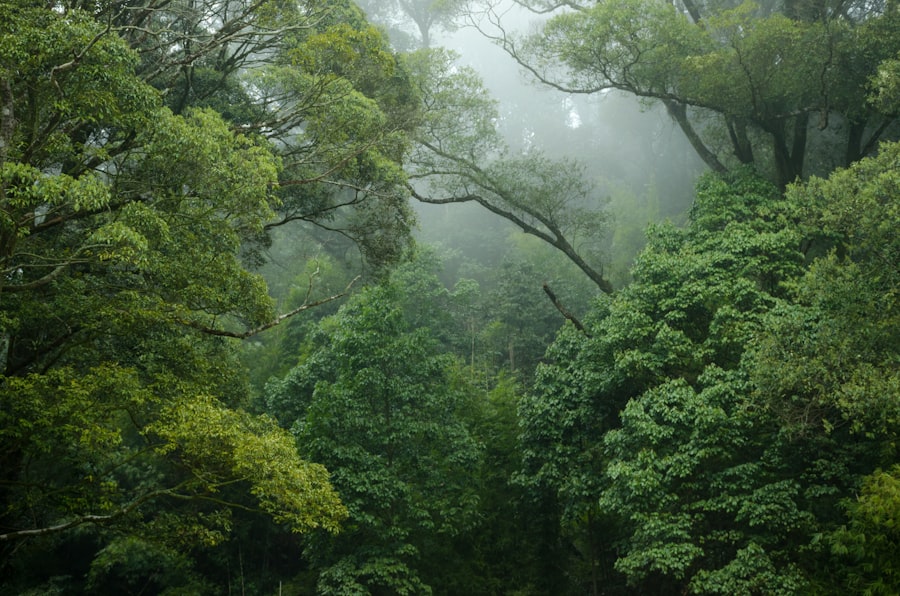
When you step into the ancient laurel groves of Madeira, you feel as though you have walked directly into a dark fantasy novel. If you are searching for the ultimate Madeira Fanal forest photo spots to capture this otherworldly landscape, you must prepare yourself for a sensory adventure where mist, light, and centuries-old trees collide. Located in the northwest part of the island, this high-altitude plateau is home to the Til trees (Ocotea foetens), some of which have been clinging to these volcanic slopes for over five hundred years. This guide will walk you through the most photogenic locations, camera settings, and compositional secrets to help you capture the hauntingly beautiful vibe of this UNESCO World Heritage site.
The Magic and History of the Ancient Fanal Forest
To truly capture the essence of these Madeira Fanal forest photo spots, it helps to understand the deep history of this ecological wonder. The Fanal area is part of the larger Laurisilva forest, which once covered most of Southern Europe millions of years ago. Today, Madeira preserves one of the largest surviving areas of this ancient ecosystem.
The gnarled, twisted shapes of the trees are not random; they have been sculpted over centuries by the relentless Atlantic winds and heavy moisture that rolls over the Paul da Serra plateau. When you stand among these giants, the silence is palpable, broken only by the distant chime of cowbells and the whispering wind. For photographers, this creates a moody, ethereal vibe that cannot be replicated anywhere else on earth. According to travel authorities like Lonely Planet, the unique microclimate of this region is what makes it one of the most visually striking natural wonders in the world.
1. The Iconic Sentinel Tree (The Twisted Guardian)
This is arguably the most famous tree in the entire forest, often featured on travel brochures and social media feeds. It stands majestically on a gentle slope, its massive trunk twisting upward like a frozen dancer, with long, moss-covered branches reaching out into the fog.
Best Angles and Composition
To capture the grandeur of the Sentinel Tree, you want to position yourself at a low angle. This makes the tree look even more imposing and dramatic against the misty backdrop. Use a wide-angle lens (16mm to 24mm on a full-frame sensor) to include the sweeping curves of its branches. Try to frame the tree so that its main trunk occupies the left or right third of your frame, using the rule of thirds to create a balanced yet dynamic composition. If the fog is thick, use the white space of the mist as a minimalist background to isolate the intricate textures of the dark bark.
Camera Settings for the Perfect Shot
Because the mist acts as a giant softbox, the lighting in Fanal is incredibly diffused, but it can also trick your camera meter into underexposing the image. Here is a starting point for your settings:
- Aperture: f/8 to f/11 to ensure sharp details from the mossy foreground to the branches.
- ISO: 100 to 400, depending on how dark the fog makes the forest.
- Shutter Speed: Keep it fast enough to hand-hold your camera, or use a sturdy tripod to allow for longer exposures if you want to capture the movement of the drifting fog.
- Exposure Compensation: Overexpose by +0.3 or +0.7 to keep the fog looking bright and white rather than a dull gray.
Pro Photography Tip: Use a circular polarizer filter to cut through the wet glare on the moss and leaves. This simple tool will instantly boost the saturation of the deep greens and rich browns, making your images pop even in heavy fog.
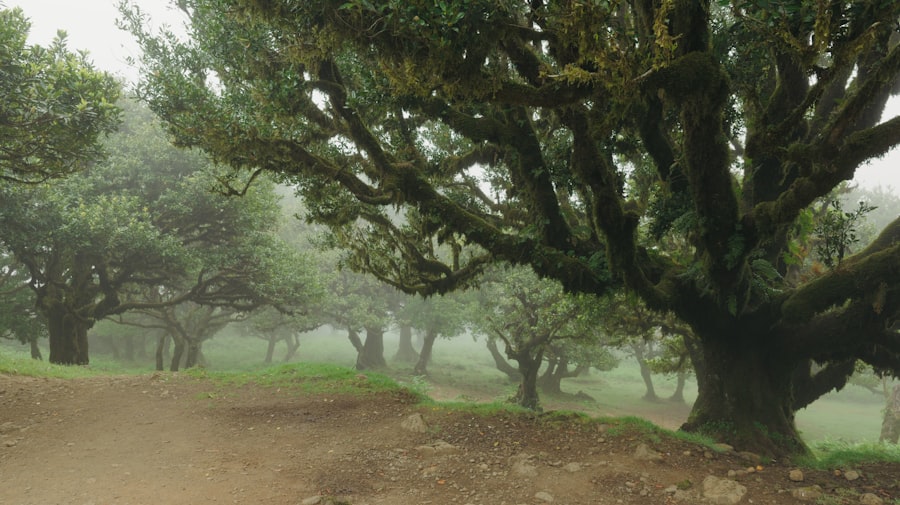
2. The Foggy Ridge and the Walking Path
As you wander away from the main parking area, you will find a ridge line where the trees line up along a gentle slope. This area offers some of the most dynamic Madeira Fanal forest photo spots because the fog constantly rolls up from the valley below, creating a shifting canvas of light and shadow.
Finding the Best Light and Vibe
The vibe along the ridge is constantly changing. One minute you are enveloped in a thick white blanket, and the next, a sudden break in the clouds allows dramatic beams of sunlight to pierce through the damp air. This is known as the "God ray" effect, and it is highly sought after by landscape photographers. Keep your camera on a tripod and be ready to shoot the moment the sun breaks through the mist, as these light shows often last only a few seconds.
Walking Directions and Logistics
To reach this spot, park your car at the main Fanal Forest parking lot (Posto Florestal do Fanal). Head south toward the open pasture land. Follow the worn dirt paths that lead up the grassy hills. Within a five-minute walk, you will see the ridge line. Be careful when walking off-trail, as the grass can be incredibly slippery when wet, and the volcanic soil is fragile.
3. The Enchanted Meadow of Grazing Cows
One of the most charming elements of Fanal is the local livestock. The cows here roam completely free, acting as natural lawnmowers that keep the grass perfectly manicured. They are incredibly accustomed to humans and often pose cooperatively among the ancient trees.
Framing and Scale
Using a cow in your composition is a fantastic way to add a sense of scale to the massive Til trees. Frame your shot with a cow resting at the base of a giant trunk, using a medium telephoto lens (such as a 70-200mm) to compress the perspective. This compression makes the trees look closer and larger behind the subject, enhancing the dreamlike, fairytale vibe of the scene.
Safety and Respectful Photography
- Never approach the cows too closely or make sudden movements; they are peaceful but wild animals.
- Do not use flash photography, as this can startle them and ruin the natural mood of the ambient light.
- Watch your step! The meadows are filled with muddy patches and cow dung, so sturdy waterproof hiking boots are an absolute must.
Pro Photography Tip: Switch your camera to manual focus if the fog becomes too dense. Autofocus systems often struggle to find contrast in heavy mist, which can result in blurry, out-of-focus images.
4. The Hidden Volcano Crater Lake
During the rainy winter months, a beautiful seasonal lake forms in the volcanic crater basin near the Fanal picnic area. This temporary body of water offers a stunning mirror-like surface that reflects the gnarled silhouettes of the surrounding trees.
Capturing Reflections
To get the best reflection shots, you need a windless day so the water remains perfectly still. Get your camera as close to the water level as possible to maximize the symmetry of your composition. If you are lucky enough to visit when the lake is full and the fog is low, you can create abstract, minimalist images where the boundary between the water and the sky completely disappears.
How to Access the Crater Lake
From the main parking lot, walk past the forest ranger station (Casa do Fanal) and head down into the natural depression to your right. During the dry summer months, this area is just a grassy bowl, but from November to April, it frequently fills with rainwater, creating a magical oasis that is highly recommended by photography communities on TripAdvisor.
Essential Gear and Tips for Shooting in the Mist
To make the most of your trip to these incredible Madeira Fanal forest photo spots, you must protect your gear from the elements. The very mist that makes this place so magical is also incredibly wet, constantly depositing fine droplets of water on your camera body and lens elements.
- Weather Sealing: Use a weather-sealed camera body and lens if possible. If not, invest in a cheap plastic rain sleeve to protect your setup.
- Lens Wipes: Bring plenty of dry, high-quality microfiber cloths. You will find yourself wiping your lens element every two minutes to clear off the condensation.
- Warm Layers: Fanal is located at an altitude of about 1,150 meters. Even if it is warm and sunny on the coast, it can be cold, windy, and damp up in the forest. Dress in layers and wear a windproof, waterproof jacket.
Planning Your Visit to Fanal Forest
Timing is everything when visiting this magical location. Many travelers make the mistake of visiting on a perfectly clear, sunny day. While the forest is still beautiful in the sunshine, it loses the eerie, mysterious vibe that makes it so famous. The best time to visit is during a day when the weather forecast predicts low clouds or light rain on the northern coast of the island. This almost guarantees that the plateau will be blanketed in the thick, rolling fog that makes these Madeira Fanal forest photo spots so legendary. Plan to arrive early in the morning to beat the tour buses, allowing you to experience and photograph this ancient woodland in peaceful, silent isolation.
Frequently Asked Questions
What is the best time to photograph Fanal forest?
The best time is early morning when mist is most likely, just after sunrise.
Where is the classic 'magical tree' photo spot located?
Near the main dirt road at the coordinates 32.8139, -17.1452.
Do I need a tripod for Fanal forest?
Yes, because low-light conditions often require long exposures for sharp misty shots.
Are there any entry fees or permissions required to photograph here?
No, access to the forest is free and open to everyone, but park responsibly.
What lens is recommended for capturing the trees?
A wide-angle lens (16-24mm) helps capture the grandeur of the ancient trees and mist.

Oliver Janssen scouts the best photography spots in every destination, from sunrise viewpoints to overlooked angles on famous landmarks. He shares exactly where to stand and when to be there for the shot.
💬 Comments (0)
No comments yet. Be the first!