Skye Landscape Photography: Top 7 Spots
Master Skye landscape photography with our visual guide to the most dramatic Scottish Highland lookouts in 2026.
Skye Landscape Photography: Top 7 Spots
For any passionate photographer, embarking on a journey to the Isle of Skye is like stepping into a mythical realm where earth, water, and dramatic weather collide to create the ultimate canvas. Mastering skye landscape photography requires more than just a camera; it demands an understanding of the island's moody atmosphere, its shifting light, and its rugged geography. In this comprehensive guide, we will explore the seven most spectacular locations on the island, helping you capture the raw, untamed beauty of this Scottish paradise through your lens.
Whether you are a seasoned professional or an enthusiastic amateur, Skye offers endless opportunities to play with composition, framing, and light. Let us dive into the details of these legendary spots, complete with practical directions, historical context, and technical advice to ensure your portfolio stands out.
1. The Old Man of Storr: Icon of the Trotternish Peninsula
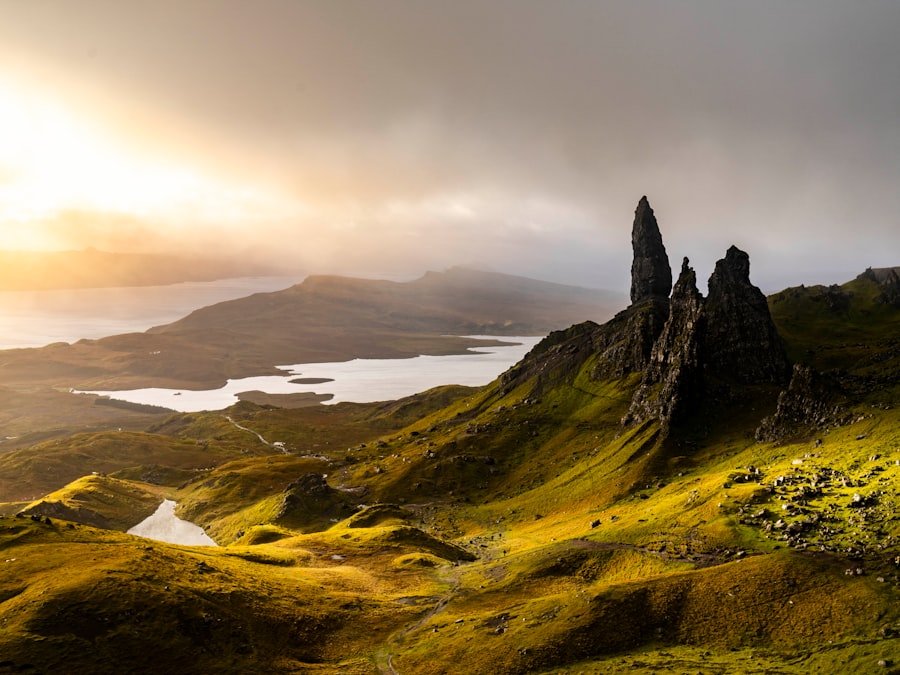
The towering basalt pinnacles of the Old Man of Storr are perhaps the most recognizable landmark in Scotland. Carved out of ancient landslips millions of years ago, this geological masterpiece dominates the skyline of the Trotternish Peninsula. For photographers, this location offers a majestic, otherworldly vibe that changes constantly with the passing clouds.
Best Angles and Composition
To capture the scale of the Storr, position yourself on the grassy hillocks slightly to the northeast of the main pinnacle. This vantage point allows you to use the sweeping coastline of the Sound of Raasay as a stunning background. Look for natural leading lines in the rocky paths to guide the viewer's eye up toward the jagged peaks.
Lighting and Camera Settings
Sunrise is the absolute best time to shoot here. As the sun rises over the mainland, it bathes the eastern face of the rocks in a warm, golden glow. Use a wide-angle lens (16-35mm) to capture the vastness of the scene. Set your aperture to f/11 for a deep depth of field, and use a medium graduated neutral density filter to balance the bright sky with the dark, shadow-filled valleys.
Pro Photography Tips: Arrive at least an hour before sunrise. The hike is steep, and you will want plenty of time to catch your breath, scout your framing, and set up your tripod in the blue hour before the first light hits the stone.
2. The Fairy Pools: Crystal Clear Waters of Glen Brittle
Nestled at the foot of the dramatic Black Cuillin mountains, the Fairy Pools are a series of cold, crystal-clear rock pools and waterfalls. The water here is so incredibly blue and transparent that it feels almost magical. This spot is perfect for practicing long-exposure techniques and playing with natural reflections.
Walking Directions and Access
To reach the pools, park at the forest parking lot in Glen Brittle, which is well-documented on travel platforms like TripAdvisor. From the parking area, follow the clear, gravel footpath down into the valley. The walk is relatively easy, taking about twenty to thirty minutes to reach the first major pool. As you walk further up the trail, you will find several smaller, less crowded pools that offer fantastic intimate landscape shots.
Framing and Creative Composition
- Use a circular polarizer to eliminate glare on the water's surface, revealing the colorful pebbles at the bottom of the pools.
- Incorporate the jagged peaks of the Black Cuillins in the background to add a sense of scale and drama to your composition.
- Get low to the water level, using the rushing streams in the foreground to create dynamic leading lines that lead to the waterfalls.
3. Neist Point Lighthouse: The Edge of the Western World
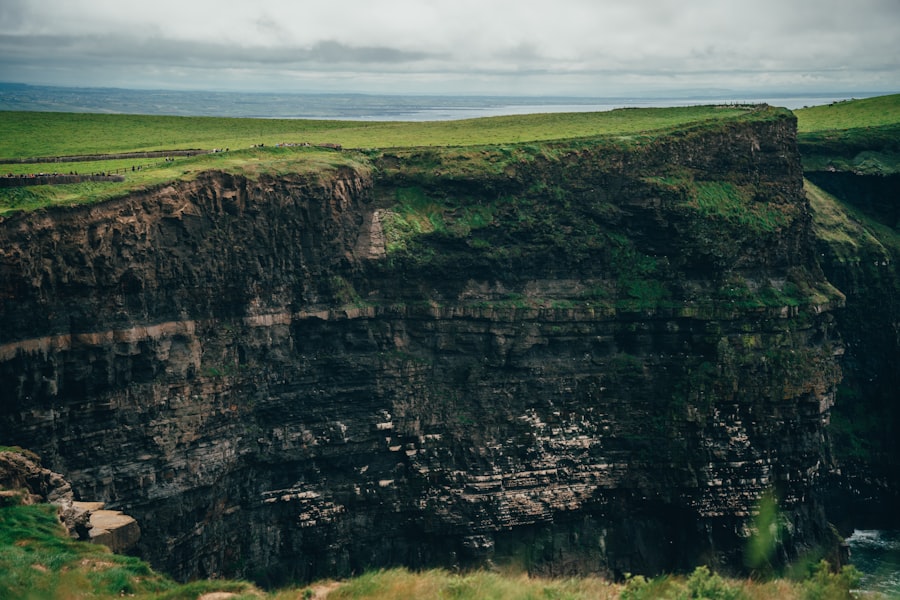
Located at the most westerly point of Skye, Neist Point Lighthouse is a dream location for capturing dramatic coastal cliffs and crashing ocean waves. The lighthouse itself, built in 1909 by Alan Stevenson, sits dramatically on a low-lying cliff edge, surrounded by towering basalt formations that plunge straight into the Minch.
This location is all about scale and raw coastal energy. The vibe here is lonely, wild, and incredibly powerful, especially when a storm is brewing over the Outer Hebrides in the distance.
Perfecting Your Composition
Rather than walking all the way down to the lighthouse itself, the best photographic angles are found along the high cliff edges near the parking area. From here, you can frame the lighthouse as a small, solitary beacon against the massive, repeating patterns of the basalt cliffs. This perspective emphasizes the vulnerability of human structures against the might of nature.
The Best Time to Shoot
Unlike the Storr, Neist Point is a prime sunset location. As the sun sinks into the Atlantic Ocean, it casts a long, warm light across the cliffs, highlighting the textures of the stone. If you are lucky, you might even spot whales or basking sharks in the water below, adding an element of wildlife to your landscape frames.
4. The Quiraing: A Geologist's Dream Come True
The Quiraing is a massive landslip on the northernmost summit of the Trotternish Ridge. The entire area is a chaotic wonderland of cliffs, hidden plateaus, and bizarre rock pinnacles with names like the Needle, the Table, and the Prison. It is a location that demands patience, as the weather here can change from bright sunshine to thick fog in a matter of minutes.
Hiking and Navigation
The main path starts from the single-track road connecting Staffin and Uig. The path can be narrow and slippery, so sturdy boots are essential. For the classic shot, you do not need to hike the entire loop. A fifteen-minute walk along the main trail will bring you to a high viewpoint looking south, where the winding road below snakes through the dramatic landscape.
Capturing the Moody Vibe
While bright, sunny days are pleasant, the Quiraing looks its absolute best under stormy, overcast skies. The dark clouds add a sense of drama that is essential for authentic skye landscape photography. Use a telephoto lens to zoom in on the textures of the cliffs and the tiny sheep grazing on the distant slopes.
Pro Photography Tips: Embrace the bad weather. Some of the most award-winning images of the Quiraing are taken during fleeting moments when the sun breaks through heavy storm clouds, creating dramatic spotlights on the green valley floor.
5. Elgol and the Cuillin Hills: Coastal Drama
The small fishing village of Elgol, located on the Strathaird peninsula, offers one of the most magnificent views in Scotland. Looking across the dark waters of Loch Scavaig, you are treated to a panoramic view of the Black Cuillin mountain range rising directly out of the sea.
Creative Framing on the Shoreline
The beach at Elgol is covered in massive, honeycombed sandstone boulders that have been sculpted by the sea. These rocks provide incredible foreground interest. You can use these unique geological formations to frame the distant mountains, creating a sense of depth and three-dimensional texture in your images.
Camera Settings for Water Movement
- Use a neutral density (ND) filter to slow down your shutter speed to between 1 and 5 seconds. This blurs the crashing waves into a soft, ethereal mist while keeping the rocks perfectly sharp.
- Keep your tripod low to the ground and secure it against the incoming tide.
- Shoot during the golden hour just before sunset, when the wet rocks reflect the warm colors of the sky.
6. Sligachan Old Bridge: History and Legend
The old stone bridge at Sligachan is rich in local folklore and history. Built in the early 19th century by Thomas Telford, the bridge spans the rushing waters of the River Sligachan, with the imposing peaks of Marsco and the Red Cuillins serving as a breathtaking backdrop. According to local legend, the waters beneath the bridge grant eternal beauty to anyone who dips their face into them.
Composition and Lighting
To capture this scene, walk down to the riverbank just below the modern road bridge. From this low angle, you can use the elegant arches of the old bridge to frame the massive mountains behind it. The contrast between the smooth, man-made stone and the rugged, natural peaks makes for a compelling visual story.
LSI Keywords and Atmospheric Conditions
This spot is highly accessible, making it a great option for days when the weather prevents high-altitude hiking. The rushing river provides excellent opportunities for shutter speed experimentation, allowing you to capture the dynamic flow of the water against the static, timeless beauty of the Scottish highlands.
7. Talisker Bay: Dark Sands and Sea Stacks
Talisker Bay is a hidden gem located on the west coast of Skye, near the village of Carbost. Known for its dark, volcanic sand beach, towering sea cliffs, and an impressive waterfall that drops directly onto the shore, this bay offers a peaceful and moody atmosphere far away from the busier tourist spots.
Walking Directions
Drive to the end of the road past the famous Talisker Distillery, which is a popular stop recommended on Lonely Planet. Park in the small designated area and follow the flat, easy track through the estate for about twenty minutes. The path leads directly to the pebble and sand beach.
Compositional Elements
At the northern end of the bay, a massive vertical sea stack rises from the ocean. At low tide, the retreating water leaves reflective wet sand, which acts as a perfect mirror for the sky. Walk close to the cliffs to capture the waterfall as it is blown sideways by the strong Atlantic winds, creating a truly wild and dynamic image.
Frequently Asked Questions
What is the best time of year for Skye landscape photography?
Late spring and early autumn offer mild weather, fewer crowds, and dramatic light, though winter provides moody conditions.
Are there any iconic rock formations for photography on Skye?
Yes, the Old Man of Storr and the Quiraing are iconic, offering towering rock spires and surreal plateau landscapes.
Do I need a permit for landscape photography on Skye?
No, permits are not required for casual photography on publicly accessible land and trails.
What camera settings work best for Skye's variable weather?
A versatile zoom lens (e.g., 24-70mm) and fast shutter speed help capture sudden changes; use a tripod for long exposures.
Where can I photograph sunsets and sunrises on Skye?
Neist Point Lighthouse is famous for dramatic sunsets, while sunrise at the Old Man of Storr offers brilliant golden light.

Oliver Janssen scouts the best photography spots in every destination, from sunrise viewpoints to overlooked angles on famous landmarks. He shares exactly where to stand and when to be there for the shot.
💬 Comments (0)
No comments yet. Be the first!