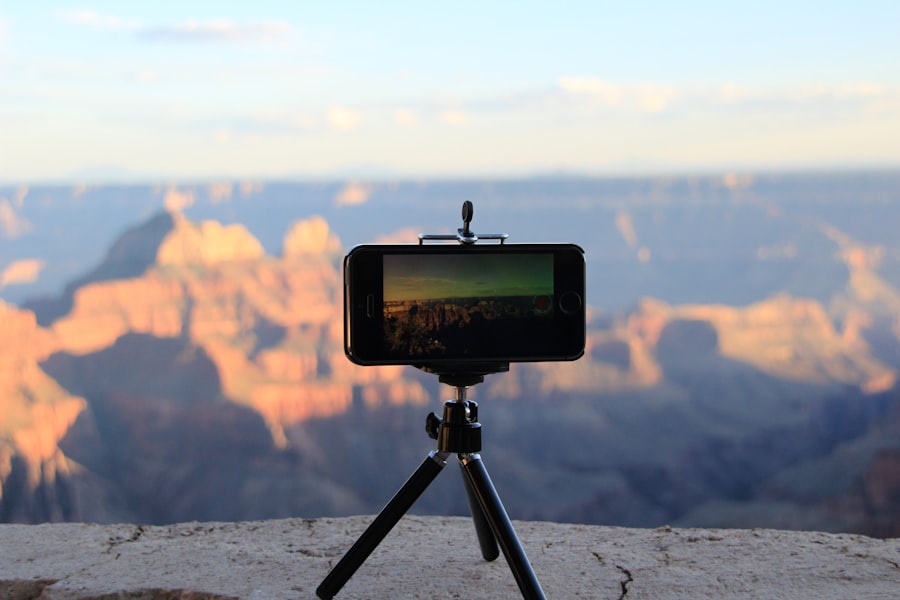
Lofoten Islands Landscape Photography Guide
Master the dramatic Arctic light with our essential Lofoten Islands landscape photography guide for 2026 mountain adventurers.
Lofoten Islands Landscape Photography Guide
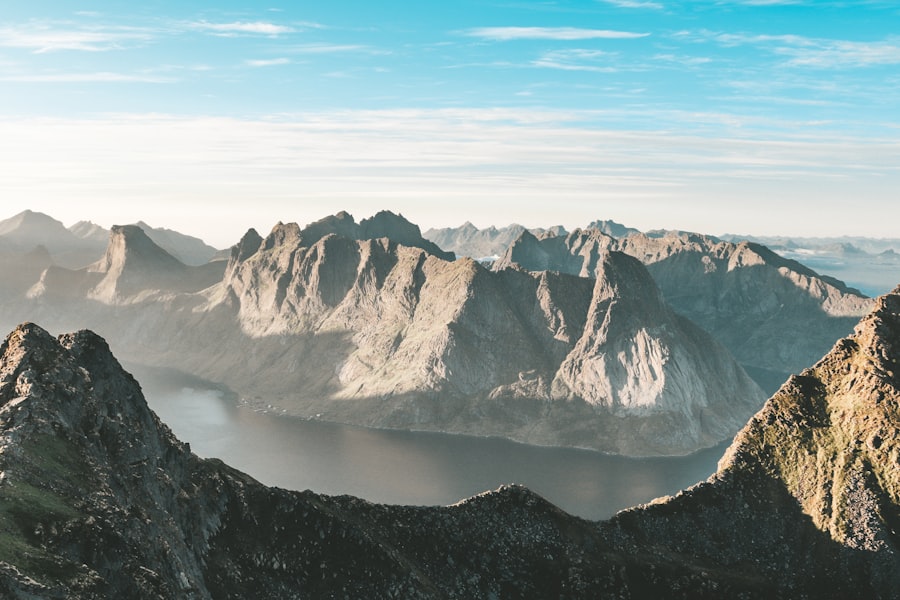
Mastering the art of Lofoten Islands landscape photography requires more than just a camera; it demands a deep connection with the volatile, dramatic, and ethereal Arctic environment. This archipelago, situated within the Arctic Circle off the coast of northern Norway, is a dreamscape of jagged granite peaks rising directly from the churning turquoise waters of the Norwegian Sea. When you stand on the shoreline at dusk, watching the golden light bleed across the snow-dusted mountains, you will understand why photographers from across the globe consider this destination the holy grail of landscape imagery.
Understanding the Arctic Light and Climate
To capture the essence of this region, you must first respect the light. During the summer months, the midnight sun provides a near-infinite window of soft, warm glow, while the winter months offer the elusive aurora borealis and the moody, low-angle light of the polar day. The vibe here is perpetually dramatic, shifting from tranquil stillness to tempestuous storms in a matter of minutes.
Mastering Exposure for High-Contrast Scenes
Because the mountains are dark and the snow or water can be intensely bright, you need to be proficient with your histogram. Always shoot in RAW to retain data in the shadows and highlights. For these jagged peaks, I recommend using a graduated neutral density filter to balance the sky against the dark, rugged foregrounds.
Seasonal Considerations for Photographers
- June and July: Experience the midnight sun, perfect for long exposure water shots that blur the motion of the tides.
- September and October: Ideal for the first dusting of snow on the peaks and the onset of the northern lights.
- January and February: The blue hour lasts for hours, providing a moody, cinematic aesthetic that is perfect for portfolio work.
Iconic Locations You Cannot Miss
Lofoten is a collection of islands connected by bridges, making it a dream for road-trippers. Whether you are aiming for the perfect reflection in a mirror-like lake or the raw power of the Atlantic crashing against rocks, these spots are essential.
Reine and the View from Reinebringen
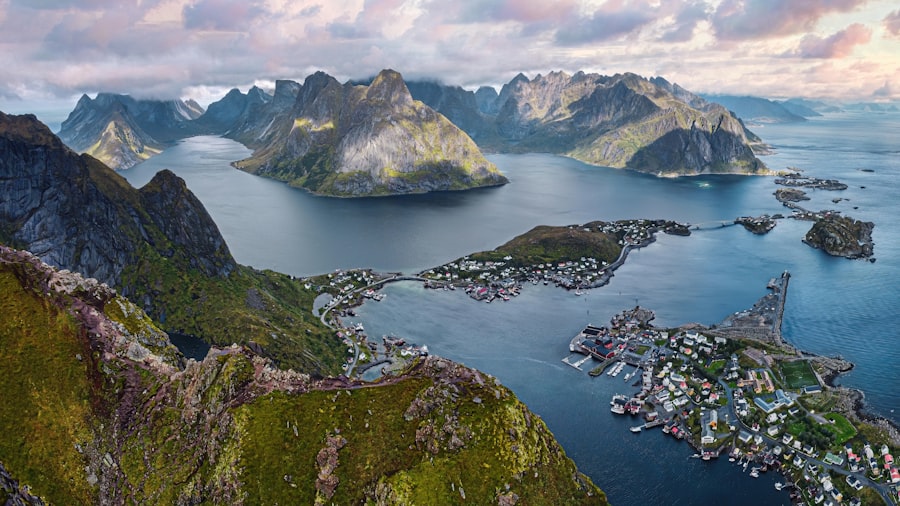
Reine is often called the most beautiful village in Norway. Its composition is defined by the red wooden fishing cabins, known as rorbuer, set against the backdrop of massive, looming mountains. To get the classic shot, hike the stone steps up to Reinebringen. The trail is steep and demanding, but the view is unrivaled. From the top, you gain a perspective that makes the entire village look like a miniature model floating in the deep blue fjord.
Pro Photography Tips: When shooting from Reinebringen, use a wider aperture to capture the scale of the landscape, but stop down to f/11 if you want to keep the sharp edges of the mountain peaks in focus across the entire frame.
Hamnoy Bridge for Classic Framing
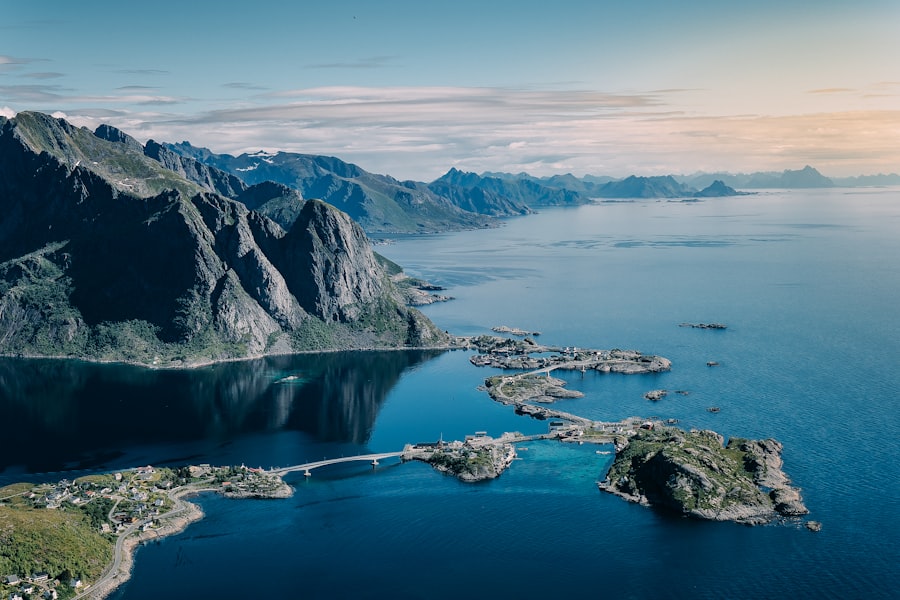
The bridge at Hamnoy offers one of the most famous vantage points in the world. As you stand on the bridge, the composition naturally draws the eye toward the cluster of cabins nestled at the base of the cliffs. The lighting here is magical during the blue hour, as the warm interior lights of the cabins provide a striking contrast against the cold, blue tones of the ice-cold sea.
Essential Gear for Arctic Conditions
Your equipment needs to be rugged. High-quality Lofoten Islands landscape photography involves exposure to moisture, salt spray, and extreme cold. If your gear fails, you miss the shot. Ensure you have a weather-sealed body and lens combination.
The Must-Have Kit List
- Sturdy Tripod: The wind in Lofoten can reach gale force. If your tripod is flimsy, your long exposures will be ruined.
- Lens Variety: A 16-35mm lens is essential for the vast vistas, while a 70-200mm lens helps in compressing the mountain ranges, making them appear closer and more imposing.
- Microfiber Cloths: You will be dealing with constant sea spray. Carry at least five clean cloths to keep your glass pristine.
The Art of Composition in the Arctic
Beyond the gear, the secret to world-class Lofoten Islands landscape photography is how you frame your subjects. Use the leading lines of the wooden piers to guide the viewer toward the mountains. Look for natural frames, such as cave openings or the arch of a bridge, to add depth to your images.
Using Foreground Interest
Do not simply point your camera at the horizon. Find a cluster of rocks covered in seaweed or a patch of arctic wildflowers to anchor your composition. This creates a sense of scale and gives the viewer a visual entry point into the photograph.
Safety and Logistics for Photographers
While the beauty of these islands is undeniable, the terrain is treacherous. Always check the weather reports before heading out on a hike. The islands are popular, and you can find updated travel advice and trail conditions on platforms like TripAdvisor and Lonely Planet, which offer great insights into current road closures and seasonal warnings.
Navigating the Islands
Renting a car is essential for serious Lofoten Islands landscape photography. You will need the flexibility to pull over at a moment's notice when the light changes. Keep your camera on the passenger seat, battery fully charged, and ready for action. The weather changes so rapidly that the perfect shot might only exist for thirty seconds.
Pro Photography Tips: When the clouds break and a shaft of sunlight hits a mountain peak, don't wait for the perfect composition—take the photo immediately. You can crop and adjust the alignment in post-processing, but you cannot recreate the transient dance of light on granite.
Final Thoughts on Your Creative Journey
The Lofoten Islands landscape photography experience is as much about patience as it is about technical skill. You will spend hours waiting for the wind to drop or the clouds to part. When it happens, the result is pure magic. Focus on the vibe of the location—is it serene, chaotic, or melancholic? Let that emotion guide your shutter speed and your editing style. By focusing on these specific techniques and respecting the environment, you will walk away with a portfolio that truly captures the soul of the Arctic.
Remember that the best photos often come from exploring the quiet, hidden beaches like Haukland or Uttakleiv. These places offer a raw, untouched aesthetic that feels worlds away from the busier tourist hubs. Take your time, breathe in the crisp air, and let the landscape dictate the pace of your creative work.
Frequently Asked Questions
What is the best time of year for Lofoten landscape photography?
The best times are late May to early June for the midnight sun, and September to October for colorful autumn skies.
What camera gear is recommended for shooting Lofoten?s dramatic landscapes?
A wide-angle lens is essential for framing fjords and mountains, along with a sturdy tripod for long exposures during golden hour.
Where are the top photo spots in the Lofoten Islands?
Key locations include Reine, Hamn?y, and the beach at Uttakleiv, each offering iconic peaks and sea views.
How do I capture the northern lights in Lofoten?
Use a fast wide lens (f/2.8 or wider), set ISO around 800-1600, and try long exposures of 5-15 seconds on clear nights from September to March.
What time of day offers the best light for Lofoten photos?
Golden hour just after sunrise and before sunset provides soft, warm light; in summer, midnight sun gives all-night golden tones.

Oliver Janssen scouts the best photography spots in every destination, from sunrise viewpoints to overlooked angles on famous landmarks. He shares exactly where to stand and when to be there for the shot.
💬 Comments (0)
No comments yet. Be the first!