Best La Palma Astrophotography Spots
A complete visual guide to the top La Palma astrophotography spots for capturing the cosmic Milky Way arch in 2026.
Best La Palma Astrophotography Spots: The Ultimate Guide to Shooting the Stars
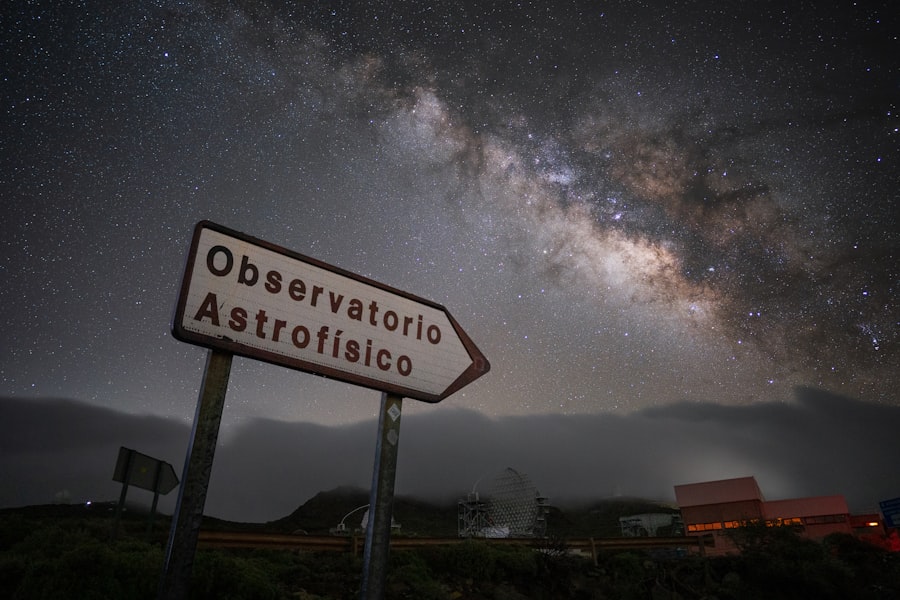
If you are searching for the absolute best La Palma astrophotography spots, you have arrived at the ultimate playground for night sky photography. Floating in the Atlantic Ocean, the Canary Island of La Palma is a certified Starlight Reserve, protected by strict local laws that minimize light pollution. For photographers, this means looking up at a night sky so pristine, dense, and brilliant that the Milky Way looks three-dimensional. Whether you are aiming to capture dramatic volcanic ridges, ancient pine silhouettes, or the futuristic domes of world-class observatories, this island offers unmatched cosmic views.
In this comprehensive guide, we will explore the most breathtaking locations on the island, dive deep into technical camera setups, and share professional secrets to help you capture the universe in all its glory. Pack your sturdiest tripod, your fastest wide-angle lenses, and prepare to elevate your night sky portfolio to a whole new dimension.
1. Roque de los Muchachos: The Crown Jewel of the Canary Skies
Rising over 2,400 meters above sea level, Roque de los Muchachos is not just the highest point on La Palma; it is one of the premier astronomical locations on Earth. At this altitude, you are almost always standing far above the sea of clouds, which acts as a natural barrier filtering out any residual light pollution from the coastal towns below. The air here is incredibly thin, dry, and exceptionally stable, creating the perfect conditions for pinpoint-sharp star captures.
Historically, this peak has drawn scientists from all over the globe, leading to the establishment of the Roque de los Muchachos Observatory. As a photographer, the vibe up here is deeply spiritual and humbling. You are standing on the edge of a massive volcanic caldera, looking out at a universe that feels close enough to touch.
Getting to Roque de los Muchachos
Reaching the peak requires navigating the LP-4 highway, a winding mountain road with sharp hairpin turns. From the capital city of Santa Cruz de la Palma, the drive takes approximately one hour and fifteen minutes. Drive slowly, as rabbits and local wildlife frequently cross the road after dark. There are several dedicated parking areas near the visitor center and the main viewpoints, but space can fill up quickly during peak Milky Way season from May to September. Always pack extra warm layers, as temperatures at this altitude can drop below freezing, even during the summer months.
Composition and Framing at the Peak
When framing your shots at Roque de los Muchachos, you want to utilize the dramatic rock formations known as "The Roques" to create a powerful sense of scale. Use a ultra-wide-angle lens (14mm to 20mm) to capture both the sweeping arc of the Milky Way core and the jagged volcanic spires in a single exposure. For a compelling composition, position your tripod low to the ground, using the textured basalt rocks in the immediate foreground to lead the viewer's eye upward into the glowing galactic center.
Pro Photography Tips: When shooting at Roque de los Muchachos, watch out for the wind. The high-altitude gusts can introduce micro-vibrations to your tripod, ruining long exposures. Hang your camera bag from the center column of your tripod to weigh it down, and turn off image stabilization on your lens when mounted on a solid support.
2. Llanos del Jable: Volcanic Ash and Pine Silhouettes
Located in the central highlands of the island, Llanos del Jable is a vast, surreal plain covered in dark volcanic ash and dotted with resilient Canary Island pines. This location offers a completely different vibe compared to the rocky peaks. The contrast between the deep black volcanic sand, the vibrant green pines, and the glittering canopy of stars creates an eerie, otherworldly atmosphere that is perfect for creative night photography.
This spot is highly accessible and sits at an altitude of around 1,200 meters, making it significantly warmer than the high peaks of the caldera. It is a favorite among local astrophotographers who want to capture clean compositions without embarking on grueling mountain hikes.
Step-by-Step Directions to Llanos del Jable
- From the town of El Paso, take the LP-301 road heading toward Refugio de El Pilar.
- Drive for approximately 10 to 12 minutes through the winding pine forests.
- Look for the clearly marked "Mirador de Llano del Jable" parking lot on your left.
- Park your vehicle and walk just a few yards onto the open black ash plains to set up your gear.
Angles and Lighting for the Volcanic Plains
The key to mastering this location lies in how you utilize the silhouette of the pine trees. Instead of shooting in complete pitch blackness, try arriving during the late blue hour. This timing allows you to capture some soft, ambient lighting on the volcanic landscape while the first stars begin to pop. When night falls completely, use a low-level lighting device or a highly diffused headlamp to gently paint the bark of a nearby pine tree, adding depth and color contrast to your foreground.
3. Mirador de la Muralla: Coastal Dramatic Cliffs
For those who want to combine the majesty of the night sky with the raw power of the Atlantic Ocean, Mirador de la Muralla in the northwest region of Tijarafe is one of the premier La Palma astrophotography spots. Perched on a dramatic cliffside, this viewpoint overlooks the rugged coastline and offers an unobstructed western horizon, making it an exceptional location for capturing setting constellations and the late-season Milky Way dipping into the sea.
The history of this viewpoint is tied to the agricultural heritage of Tijarafe, where steep cliffs made coastal access incredibly difficult for early settlers. Today, it serves as a peaceful lookout point where the sounds of crashing waves far below provide a soothing soundtrack to your long-exposure sessions.
Framing the Coastline and Sea
To capture the true essence of Mirador de la Muralla, you must balance your exposure to show the boundary where the ocean meets the sky. Use a sturdy tripod to handle the coastal breezes and aim your camera downward slightly to capture the white sea foam of the crashing waves. This technique creates a beautiful, dynamic leading line that guides the eye from the dark ocean waters up to the brilliant star fields above.
Pro Photography Tips: To get the best results at coastal viewpoints, use a medium-to-long exposure (around 20 to 25 seconds) to smooth out the ocean water into a dreamy, ethereal mist. This soft texture contrasts beautifully with the sharp, pinpoint stars in the sky.
4. Los Canarios and the Teneguia Volcano: The Volcanic South
Heading to the southernmost tip of La Palma brings you to the municipality of Fuencaliente, home to the young Teneguia volcano, which last erupted in 1971. The landscape here is stark, raw, and incredibly dark. Because you are far away from the major municipal centers, the light pollution is virtually nonexistent, offering some of the darkest skies on the entire island.
The contrast of the dark red and black volcanic soils against the cold blue of the night sky creates a dramatic, high-contrast palette that is highly prized by landscape photographers looking for unique, moody imagery.
How to Access the Southern Volcanic Zone
- Take the main LP-2 highway south toward the town of Los Canarios.
- From Los Canarios, follow the signs leading down toward the San Antonio visitor center and the Teneguia volcano paths.
- Park in the designated gravel lots near the trailheads.
- Always carry a reliable flashlight, as the terrain consists of loose volcanic gravel and uneven paths.
Composition Techniques for Volcanic Craters
The unique topography of the south allows for incredible framing opportunities. Try positioning yourself so that the rim of the San Antonio or Teneguia crater forms a massive, dark diagonal line across your frame. By aligning the Milky Way core so that it appears to rise directly out of the volcanic crater, you create a powerful visual metaphor of the Earth connecting with the cosmos. Keep your camera angles low to emphasize the height and drama of the volcanic slopes.
5. Poris de Candelaria: The Hidden Cave of Light
Poris de Candelaria is perhaps one of the most unique and visually stunning locations on La Palma. It is a tiny, historic fishing village built inside a gigantic natural sea cave located in Tijarafe. The white-painted cottages tucked under the massive rock overhang present a striking architectural contrast to the wild natural elements surrounding them.
While shooting from inside the cave at night requires careful planning and a bit of physical effort, the reward is a truly unmatched composition that few photographers in the world have in their portfolios.
Navigating the Descent to the Cave
Reaching this spot requires driving down a very steep, narrow, and winding road from the town of Tijarafe. There is a small parking area at the end of the road, followed by a 10-minute walk along a paved coastal path built into the cliffside. Because this spot is enclosed by towering rock walls, you must plan your shoot for when the galactic core aligns perfectly with the mouth of the cave, which typically occurs during the mid-summer months.
Creative Framing and Exposure Blending
The extreme dynamic range of this location presents a fun challenge. The interior of the cave will be incredibly dark, while the sky outside will be bright with starlight. To capture this scene successfully, you will need to utilize exposure blending. Take one long, low-ISO exposure during the late blue hour to capture the fine details of the white cottages and the textures of the cave ceiling, then capture a second exposure tracked or optimized for the stars, blending them seamlessly in post-processing.
6. Recommended Camera Equipment and Settings
To make the most of your journey through these incredible La Palma astrophotography spots, having the right gear and knowing how to configure it is absolutely essential. The island's dark skies will reward high-quality optics and proper manual camera control.
Essential Gear Checklist
- Camera: A full-frame DSLR or mirrorless camera with excellent high-ISO performance.
- Lenses: Fast prime or zoom lenses with an aperture of f/2.8 or wider (f/1.8 or f/1.4 is ideal).
- Tripod: A heavy, stable carbon fiber or aluminum tripod to withstand high-altitude winds.
- Intervalometer: For shooting star trails or time-lapses without touching the camera body.
- Headlamp: A light with a red-light mode to preserve your night vision and that of other observers.
Recommended Exposure Settings
When setting up your camera, switch to fully manual mode. Start with an aperture of f/2.8 (or your lens's widest setting), an ISO between 3200 and 6400, and a shutter speed calculated using the "NPF rule" or the "500 rule" to avoid star trailing. For most wide-angle lenses, a shutter speed of 15 to 20 seconds will yield tack-sharp stars. Ensure your white balance is set manually to a cool temperature, around 3800K to 4000K, to capture the natural, deep blue tones of the night sky.
For more travel inspiration, planning tools, and detailed maps of the island's many scenic lookouts, be sure to check out helpful guides on TripAdvisor and explore the comprehensive route planning tips available on Lonely Planet to make your photography expedition to La Palma an unforgettable success.
Frequently Asked Questions
What makes La Palma ideal for astrophotography?
La Palma has some of the darkest skies in the world and strict light pollution laws.
What is the best spot for beginners?
Roque de los Muchachos Observatory offers accessible viewing platforms and clear horizons.
Where can I capture the Milky Way near the coast?
Puerto de Tazacorte provides sea-level views with minimal light interference.
Are there any volcanic landscapes for unique foregrounds?
Volcán San Antonio offers stark lava flows that contrast beautifully with star trails.
Which spot requires advanced equipment?
Pico Bejenado demands hiking and wide-angle lenses due to its remote high-altitude location.

Oliver Janssen scouts the best photography spots in every destination, from sunrise viewpoints to overlooked angles on famous landmarks. He shares exactly where to stand and when to be there for the shot.
💬 Comments (0)
No comments yet. Be the first!