Kirstenbosch portrait spots: Visual Guide
Explore Kirstenbosch portrait spots for your 2026 Cape Town shoot. Find lush backdrops and canopy views.
Kirstenbosch portrait spots: Visual Guide
Finding the perfect Kirstenbosch portrait spots is like stepping into a living, breathing gallery of natural wonders. Nestled right against the eastern slopes of Cape Towns iconic Table Mountain, the Kirstenbosch National Botanical Garden is globally celebrated as one of the most magnificent botanical gardens on earth. Established in 1913 to preserve the unique flora of South Africa, this sprawling 528 hectare estate offers an incredible playground for portrait photographers. Whether you are aiming for a moody, cinematic look or a bright, sun drenched aesthetic, the diverse microclimates and dramatic topography here provide endless opportunities to elevate your portfolio.
In this comprehensive visual guide, we will explore the absolute best locations within the garden to capture stunning portraits. We will dive deep into the specific lighting conditions, compositional strategies, and camera settings that will help you turn a simple portrait session into a work of art. Grab your camera, put on your walking shoes, and let us embark on a visual journey through this South African paradise.
1. The Canopy Walkway (The Boomslang)
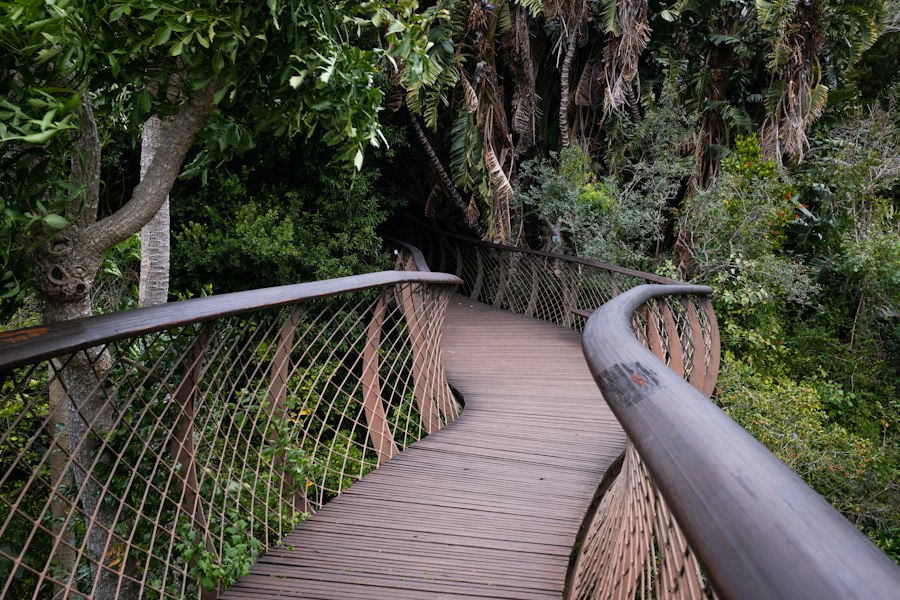
The Centenary Tree Canopy Walkway, affectionately known as The Boomslang (tree snake), is arguably the most famous architectural marvel in the garden. This steel and timber bridge snakes its way through and above the canopy of the arboretum, offering panoramic views of the surrounding mountains and flats. For portrait photographers, this spot is pure magic, offering a distinct elevated perspective that is hard to find anywhere else in Cape Town.
Best Angles and Composition on the Walkway
To make the most of this structure, use a wide angle lens (around 24mm to 35mm) to capture the sweeping curves of the walkway as leading lines directing the eye toward your subject. Position your model at one of the wider viewing bends. By shooting from a low angle, you can frame your subject against the towering peaks of Table Mountain, creating a powerful sense of scale. Alternatively, use a fast prime lens like an 85mm f1.4 to shoot down the length of the wooden planks, compressing the perspective and turning the distant foliage into a creamy, soft background blur.
Ideal Lighting and Vibe
The vibe here is adventurous yet serene. Because the walkway is elevated, it receives direct sunlight for most of the day, which can cause harsh shadows on your subjects face. To counter this, schedule your shoot for the late afternoon during the golden hour. As the sun dips behind the mountain, the light becomes incredibly soft and warm, casting a golden glow over the wooden slats and the treetops. If you are shooting on an overcast day, the diffused light creates a moody, jungle like atmosphere that is equally beautiful.
Pro Photography Tip: To avoid tourists in your frame, enter the garden as soon as the gates open in the morning. Use an aperture of f2.8 or wider to isolate your subject from the structural details of the bridge, and use a circular polarizer to cut down on any glare from the metal railings.
2. The Cycad Amphitheatre
For a prehistoric, dramatic, and slightly mysterious vibe, head directly to the Cycad Amphitheatre. This section of the garden houses an ancient collection of cycads, which are gymnosperms that have survived for over 340 million years. The thick, structured fronds of these plants look like giant green feathers, providing an incredibly textured backdrop that adds depth and character to any portrait.
Walking Directions and Historical Context
To reach the Cycad Amphitheatre from the main Visitors Centre (Gate 1), follow the paved main path heading uphill toward the mountain. Turn right at the intersection marked for the Cycads. You will feel the air grow slightly cooler as you enter this densely planted, terraced area. The stone pathways winding through the giant plants offer excellent staging areas for your model.
- Focal Length: 50mm or 85mm prime lenses work best here to compress the textured background.
- Color Palette: Deep forest greens, charcoal grays from the stone paths, and warm skin tones.
- Camera Settings: ISO 200 to 400 (due to the dense canopy), shutter speed of 1/160s, and an aperture of f2.0 to keep the background soft yet recognizable.
3. The Colonel Bird Bath and Dell
The Dell is the oldest part of the garden, centered around a spring fed pool known as Colonel Birds Bath. Built in the early 1800s, this bird shaped bath is surrounded by giant, ancient tree ferns and lush ground cover. This is one of the most enchanting Kirstenbosch portrait spots for fine art, fantasy, or romantic portraiture.
The lighting here is heavily filtered by the dense overhead canopy of tree ferns. This creates a natural softbox effect, casting a gentle, even light across your subjects face without any harsh highlights. The framing opportunities are endless; you can shoot through the delicate fronds of the ferns to create a natural, soft green border around your subject. This technique adds a beautiful layer of depth and intimacy to the composition.
To plan your journey and check seasonal opening times, you can consult helpful traveler resources on TripAdvisor to see how other photographers navigate the park during different times of the year.
4. The Matthews Rockery
Named after the gardens first curator, J.W. Matthews, this sprawling rockery is constructed from local sandstone and is home to a spectacular collection of succulents, aloes, and euphorbias. If you are looking for a rugged, textured, and desert inspired aesthetic, this is the ultimate location within Kirstenbosch.
Framing and Composition with Succulents
The terraced rock formations allow you to play with different heights and levels. Position your camera at a lower level and look up at your subject, who can be seated on one of the large sandstone boulders. This angle emphasizes the dramatic, sculptural shapes of the aloes pointing toward the sky. Use the colorful blooms of the succulents in the foreground to add a pop of orange, red, or yellow to your composition, blurring them slightly to create a beautiful foreground bokeh.
Pro Photography Tip: The rocks absorb and reflect a lot of warmth. Use a custom white balance setting (around 5600K) to preserve the rich, natural earthy tones of the sandstone without letting the image look overly orange or washed out.
Best Time for Creative Portraits
The Matthews Rockery is highly exposed to the elements, making midday shoots challenging due to harsh shadows. The absolute best time to shoot here is during the blue hour, just after the sun has set behind Table Mountain. The sky turns a deep, cool blue, which contrasts beautifully with the warm sandstone rocks and the fiery orange flowers of the blooming aloes.
5. The Protea Garden
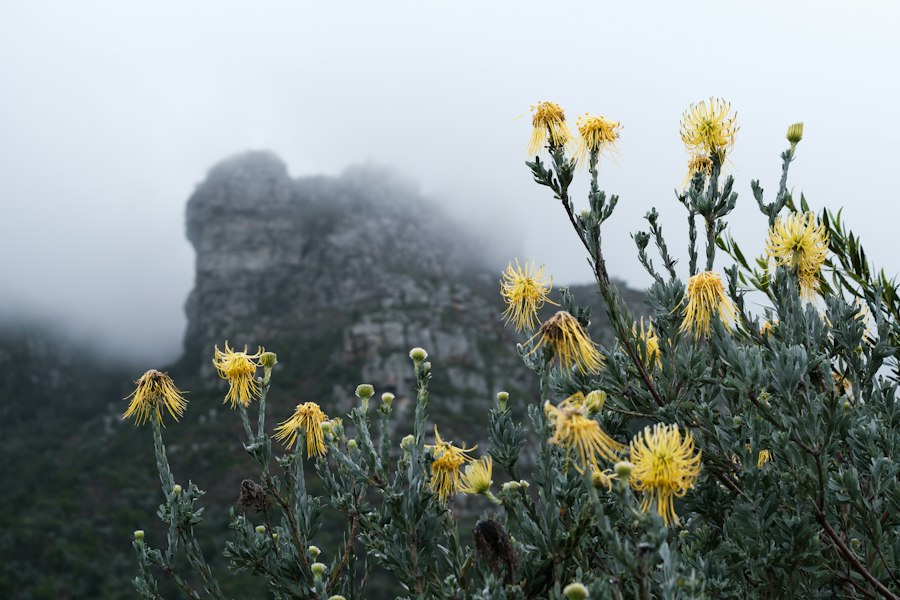
No trip to Kirstenbosch is complete without visiting the Protea Garden, situated on the higher slopes of the estate. The Protea is South Africas national flower, and during the winter and spring months (June to October), these slopes burst into a vibrant display of pinks, reds, and creams. This location offers a classic, romantic, and distinctly South African backdrop for your portrait sessions.
Navigating the Slopes for the Perfect Shot
To reach this area, prepare for a moderate uphill walk from the main entrance. Follow the signs pointing toward the Protea Section. The effort is well worth it, as the elevation provides an unobstructed view of the back of Table Mountain and the surrounding suburbs of Cape Town. This is one of the premier Kirstenbosch portrait spots because it combines spectacular floral close ups with dramatic mountain landscapes.
- Composition Tip: Have your subject stand gently among the protea bushes (always staying on the designated pathways to protect the plants). Use a telephoto lens, such as a 70-200mm f2.8, zoomed in to 135mm or higher. This compresses the distance between the flowers, your subject, and the mountain, making the background feel massive and close.
- Vibe: Airy, organic, elegant, and deeply connected to nature.
- Recommended Wardrobe: Neutral, earthy tones or solid white outfits contrast beautifully with the vibrant pinks of the proteas and the green foliage.
For more detailed maps of the garden layout and to identify specific protea species currently in bloom, you can refer to the official guides on Lonely Planet to help coordinate your walking route before you arrive.
6. The Camphor Avenue
For a classic, symmetry driven portrait, the historic Camphor Avenue is unmatched. Planted by Cecil John Rhodes in the late 1890s, these towering camphor trees line a wide, straight gravel path. The giant, interlocking branches overhead create a natural, cathedral like archway that is perfect for wide, atmospheric portraits.
Symmetry and Leading Lines
Place your subject directly in the center of the gravel pathway to take full advantage of the perfect symmetry created by the rows of trees. This classic composition immediately draws the viewers eye straight to your subject. To enhance this effect, shoot from a low angle with a 50mm lens. This perspective makes the ancient trunks appear even more massive and imposing, adding a timeless, cinematic quality to your portrait.
Summary of Best Practices for Kirstenbosch Portrait Spots
To ensure your portrait session at these incredible Kirstenbosch portrait spots is a resounding success, keep this quick reference checklist in mind:
- Permits: Always check if you need a commercial photography permit if you are shooting professional clients or models.
- Respect Nature: Never step off the paved paths or designated lawn areas into the flowerbeds. The conservation of these unique plant species is paramount.
- Timing: Arrive early in the morning for quiet paths and soft light, or late in the afternoon to capture the golden glow as the sun sets behind the towering mountain peaks.
- Gear: Bring a versatile zoom lens like a 24-70mm for landscape integrated portraits, and a fast prime lens like an 85mm for stunning close up beauty shots with soft backgrounds.
Frequently Asked Questions
What are the best portrait spots in Kirstenbosch?
The Boomslang canopy walkway and the Dell offer stunning backdrops. The Protea Garden and Concert Lawn are also popular for portraits.
Do I need a permit for portrait photography at Kirstenbosch?
Yes, professional or commercial portrait shoots require a permit from SANBI. Amateur photography with a small camera is generally allowed without one.
What is the best time of day for portraits at Kirstenbosch?
Early morning or late afternoon provides soft, golden light ideal for portraits. Midday sun can create harsh shadows in open areas.
Are there shaded spots for portraits on sunny days?
Yes, the Dell and the forested areas near the Boomslang offer natural shade. These spots work well for even lighting in bright conditions.
Can I bring props or change outfits during a portrait session?
Yes, but keep setups small and avoid blocking pathways for other visitors. For larger shoots, check permit conditions with Kirstenbosch management.

Sophie Lefebvre writes about the most photogenic places to visit, pairing stunning locations with the practical details of getting there. She helps travellers find the views worth planning a whole trip around.
💬 Comments (0)
No comments yet. Be the first!