Portland Urban Forest Photography Guide
Elevate your Portland urban forest photography with our guide to finding the best misty trails and moody spots in 2026.
Portland Urban Forest Photography Guide
If you are a visual storyteller looking to capture the perfect blend of wild nature and Pacific Northwest culture, then mastering Portland urban forest photography is your ultimate creative ticket. Portland is famous for its seamless integration of dense, mossy wilderness right within its municipal borders. In this comprehensive guide, we will explore the absolute best locations, camera settings, and creative compositions to help you capture the moody, ethereal, and breathtaking green spaces of the Rose City.
Why Portland's Greenery is a Photographer's Dream
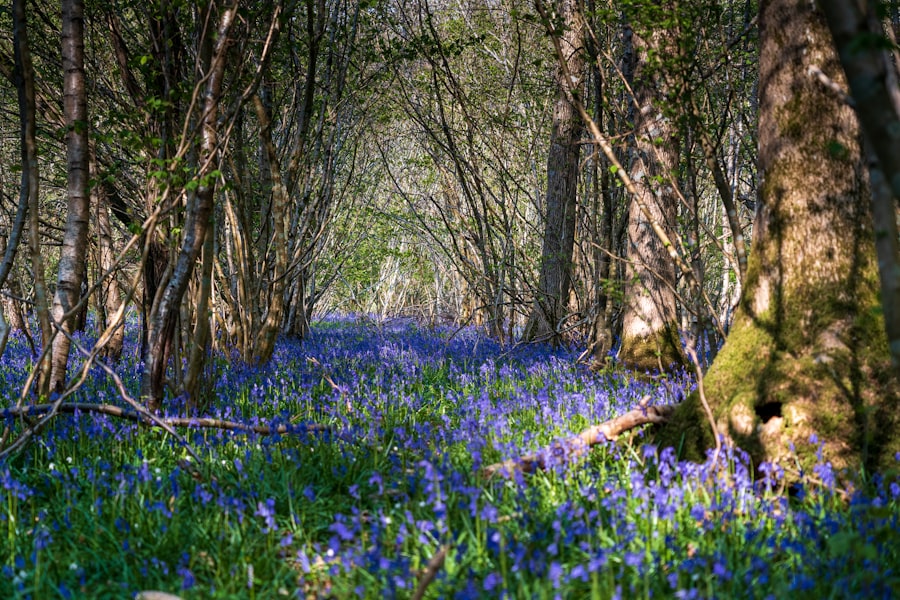
Few places on earth offer the unique microclimates and ancient tree canopies that you will find in Oregon. The city's unique geography allows damp Pacific weather systems to roll in, trapping moisture against the West Hills and creating a lush, temperate rainforest environment just minutes from downtown skyscrapers.
For photographers, this translates to a constant, moody vibe. You do not need to drive hours into the Cascade Mountains to capture towering Douglas firs, cascading waterfalls, and carpets of deep green sword ferns. The proximity of these dense woods to urban infrastructure creates a fascinating contrast that is perfect for fine-art landscape photography and environmental portraiture alike.
Pro Photography Tips: Embrace the overcast days. While sunny weather is great for exploring, a thick blanket of gray clouds acts as a giant natural softbox. This diffuses the light, eliminates harsh shadows, and makes the deep greens and rich browns of the forest pop with incredible saturation.
Forest Park: The Crown Jewel of Urban Wilderness
Spanning over 5,200 acres, Forest Park is one of the largest urban forest reserves in the United States. It serves as the primary canvas for anyone diving into Portland urban forest photography. The park features more than 80 miles of trails, offering endless opportunities to capture the raw, untamed spirit of the Pacific Northwest.
The Witch's Castle (Stone House)
Located just a short hike from the Upper Macleay Parking Lot, the Stone House—colloquially known as the Witch's Castle—is a ruined stone structure built in the mid-1930s. Over the decades, nature has slowly reclaimed this stone pavilion, covering it in thick green moss and surrounding it with towering trees.
- Vibe: Dark, gothic, and ancient. It feels like a location straight out of a fantasy novel.
- Framing: Use the surrounding bigleaf maple branches to frame the stone structure, drawing the eye naturally toward the dark arched doorways.
- Lighting: Best shot during the early morning on a foggy day, when mist hangs low in the canyon and filters through the canopy.
Wildwood Trail Canopy
The Wildwood Trail stretches for 30 miles through the entire length of the park. To capture the scale of this urban jungle, focus your lens on the towering Douglas firs that line the trail. Look for spots where the trail curves gently, creating a natural leading line that guides the viewer's eye deep into the frame.
The Portland Japanese Garden: Sculpting Nature with Light
Nestled in the scenic Washington Park, the Portland Japanese Garden is widely considered one of the most authentic Japanese gardens outside of Japan. It offers a highly stylized, immaculate approach to Portland urban forest photography, where every stream, stone, and leaf is placed with artistic intention.
The Famous Japanese Maple
This iconic tree is world-renowned among landscape photographers. Its sweeping, serpentine branches drape gracefully toward the ground, creating a magnificent dome of delicate leaves that turn vibrant shades of orange, red, and gold in the autumn months.
- Composition: Get low to the ground and shoot looking upward through the inner branches. This perspective emphasizes the dramatic, twisting architecture of the trunk.
- Angles: Use a wide-angle lens (around 16mm to 24mm) to capture the full spread of the canopy while maintaining a sharp focus from the foreground to the background.
- Exposure: Under-expose slightly to preserve the rich, saturated colors of the leaves and prevent the highlights in the background from blowing out.
Heavenly Falls and Stone Bridges
The garden also features beautiful, cascading water elements. Heavenly Falls provides a stunning backdrop for slow-shutter water photography. Position your tripod on the wooden pathways, using the handrails or stone lanterns as natural foreground elements to add depth and context to your image.
Hoyt Arboretum: A Living Museum of Global Trees
Right next door to the Japanese Garden lies the Hoyt Arboretum, home to over 2,300 species of trees from around the world. This location is a treasure trove for photographers who want to capture diverse textures, heights, and foliage patterns within a relatively small, accessible area.
Pro Photography Tips: When shooting in dense tree collections like the redwood deck, use a polarizing filter. This simple tool cuts down on the reflective glare from wet leaves and bark, instantly deepening the color saturation and revealing the true, rich textures of the forest.
To get the best shots, follow these recommended walking routes:
- The Redwood Trail: A relatively flat, easy walk that takes you directly through a grove of majestic Coastal Redwoods and giant Sequoias.
- The Spruce Trail: This path offers a darker, moodier atmosphere, with dense conifer branches that filter the sunlight into dramatic, dusty rays.
- The Magnolia Trail: Perfect for springtime photography, when the explosive pink and white blooms contrast brilliantly against the dark evergreen background.
Essential Gear and Camera Settings for Forest Photography
To truly master Portland urban forest photography, you need to be prepared for low-light conditions and high contrast. The deep canyons and thick tree canopies of Portland significantly reduce the amount of ambient light reaching your camera sensor, making proper gear selection crucial.
First and foremost, a sturdy, lightweight tripod is non-negotiable. Because you will often be shooting at slow shutter speeds to keep your ISO low, any camera shake will ruin the crisp details of the pine needles and bark. Additionally, a weather-sealed camera body and lens are essential, as Portland's signature drizzle can start at any moment.
When it comes to camera settings, start with these baseline configurations:
- ISO: Keep it as low as possible (ISO 100 to 400) to minimize digital noise in the dark shadow areas of the forest floor.
- Aperture: Use an aperture of f/8 to f/11 for landscape shots to ensure a deep depth of field, keeping both the foreground ferns and background trees sharp. Use f/2.8 or wider if you want to isolate a single leaf or branch.
- Shutter Speed: Let the shutter speed fall where it needs to based on your aperture and ISO. If you are capturing moving water or swaying branches, experiment with long exposures (1 to 5 seconds) to create a soft, ethereal motion blur.
Post-Processing Secrets for the Pacific Northwest Aesthetic
The magic of Portland urban forest photography does not end when you click the shutter; it continues in the digital darkroom. The Pacific Northwest style is defined by cool, moody tones, rich forest greens, and deep, mysterious shadows that draw the viewer into the frame.
When editing your images, try pulling down the highlights slightly to recover details in the overcast sky filtering through the trees. Boost the shadows gently to reveal the intricate textures of the moss-covered logs and damp soil. To get that signature Northwest vibe, shift the green hues slightly toward blue-green, and desaturate the yellow tones to prevent the foliage from looking too bright or unnatural.
For more inspiration on planning your trip and navigating these beautiful public spaces, check out the comprehensive travel guides on TripAdvisor and explore the scenic recommendations provided by Lonely Planet. With the right gear, a bit of patience, and an eye for natural framing, you will capture stunning imagery that showcases the wild, untamed beauty of Portland's urban canopy.
Frequently Asked Questions
What are the best locations in Portland for urban forest photography?
Forest Park and the Hoyt Arboretum are top spots, offering diverse tree species and dense canopies. Try the Wildwood Trail for dramatic light through tall evergreens.
When is the ideal time of year to photograph Portland's urban forest?
Autumn brings vibrant fall colors and misty mornings that enhance the forest atmosphere. Spring is also excellent for fresh greens and blooming undergrowth.
What camera settings work best for capturing forest scenes in Portland?
Use a narrow aperture (f/8–f/16) for depth of field and a tripod for sharp low-light shots. Increase ISO only when necessary to keep noise minimal.
How can I compose photos to make Portland's urban forest stand out?
Include leading lines from trails or tree trunks, and use textured foliage to frame your subjects. Look for layers—foreground roots to canopy—to add depth.
Are there permits or restrictions for photography in Portland's forests?
Most parks allow personal photography without permits, but commercial shoots need city permits. Respect trail closures and stay on marked paths to protect fragile ecosystems.

Oliver Janssen scouts the best photography spots in every destination, from sunrise viewpoints to overlooked angles on famous landmarks. He shares exactly where to stand and when to be there for the shot.
💬 Comments (0)
No comments yet. Be the first!