6 Costa Rica macro photography spots
Explore the ultimate Costa Rica macro photography spots in 2026 to capture incredible, vivid close-up wildlife details.
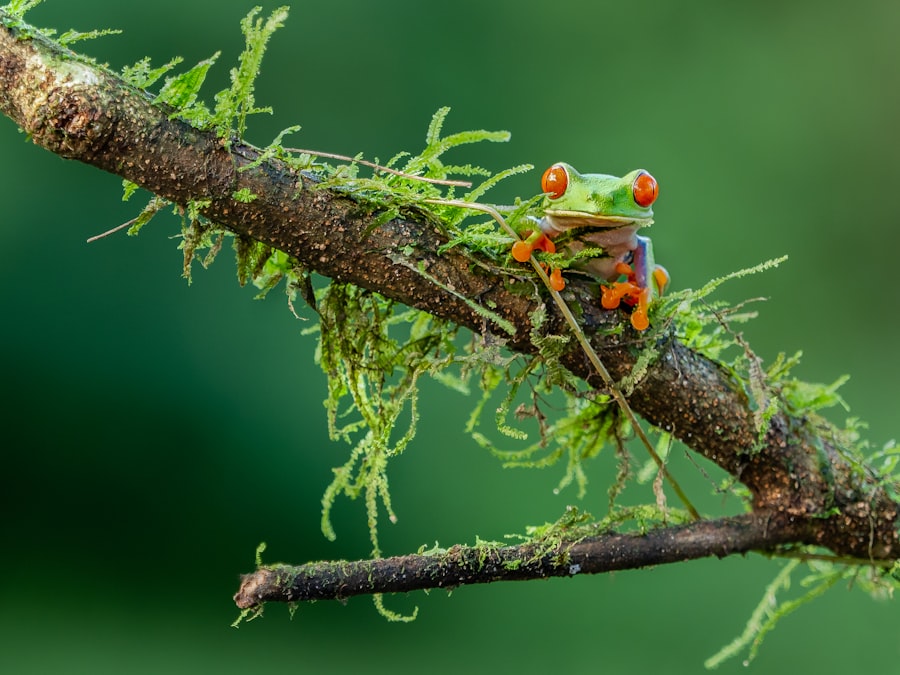
If you are a photographer who loves capturing the hidden details of the natural world, then packing your gear for Central America is a must. Finding the absolute best Costa Rica macro photography spots will transform your portfolio from ordinary wildlife shots into breathtaking, intimate portraits of a miniature universe. In this guide, we will explore six incredible locations where you can point your macro lens at neon-colored frogs, shimmering metallic beetles, and delicate orchids. From misty cloud forests to humid lowland jungles, these destinations offer endless inspiration for photographers who want to master their lighting and composition in the wild.
1. Monteverde Cloud Forest Biological Reserve
Established in 1972, the Monteverde Cloud Forest Biological Reserve is legendary among scientists and nature photographers alike. The constant mist and high humidity create a lush, emerald-green vibe that is perfect for close-up photography. Because the canopy blocks out much of the harsh direct sunlight, you get beautiful, naturally diffused lighting throughout the day. This soft light helps eliminate harsh shadows on your tiny subjects, making it much easier to capture the intricate details of mosses, lichens, and tiny insects.
Navigating the Trails for Macro Opportunities
To reach the best spots, enter the reserve main gate and head straight onto the Sendero Camino trail. Walk slowly for about fifteen minutes until you reach the intersection with the Sendero Wilford Guindon. Here, the dense undergrowth is teeming with life. Keep your eyes locked on the undersides of large ferns. This is where you will find tiny glass frogs and sleeping katydids. Focus on your framing by using the natural curves of the fern fronds to lead the eye of your viewer directly to the subject.
Camera Settings for the Misty Canopy
- Aperture: f/8 to f/11 to maintain a sharp depth of field on tiny subjects.
- ISO: 800 to 1600 due to the dark, shaded environment under the trees.
- Shutter Speed: 1/160s or faster, especially if you are shooting handheld.
- Flash: A dedicated macro ring light with a diffuser to mimic natural, soft forest light.
Pro Photography Tips: When shooting in Monteverde, always bring a high-quality rain cover for your camera body and lens. The moisture in the air can condense rapidly, ruining your electronics. Use a circular polarizer to cut down on the glare from wet leaves, which will instantly boost the color saturation in your final image.
2. Manuel Antonio National Park
While many tourists flock to Manuel Antonio National Park for its white-sand beaches and playful monkeys, it is also one of the premier Costa Rica macro photography spots for coastal invertebrates and colorful reptiles. The park offers a very different vibe compared to the highlands, characterized by warm, humid coastal rainforests. According to guides on TripAdvisor, visiting early in the morning is crucial to beat the crowds and find active wildlife before the heat of the day sets in.
Exploring the Sloth Trail
After entering the park, bypass the main beach path and head directly onto the Perezoso Trail (Sloth Trail). This elevated wooden boardwalk keeps you elevated above the muddy forest floor, giving you unique eye-level angles on tree trunks and low-hanging branches. Look closely at the bark of the trees to spot masterfully camouflaged stick insects and colorful jumping spiders. Use the surrounding green foliage for creative framing, leaving a soft, out-of-focus background that makes your main subject pop.
3. Tortuguero National Park
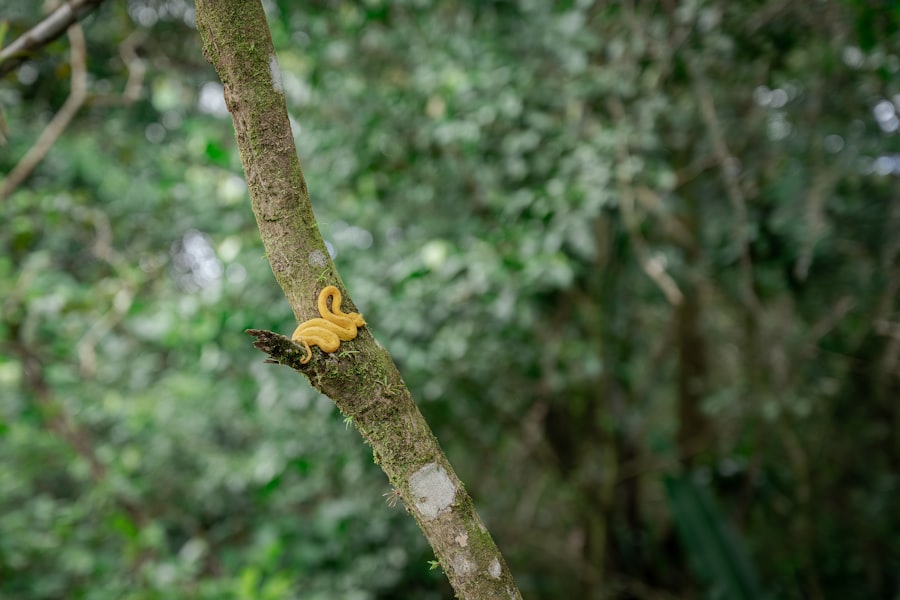
Located on the Caribbean coast, Tortuguero National Park is a maze of dark water canals and dense swamp forests. It is a remote wilderness accessible only by boat or small plane. The sheer density of biodiversity here makes it one of the most exciting locations for macro enthusiasts. The humid, tropical vibe is home to thousands of colorful insect species, including the famous blue morpho butterfly and various species of colorful poison dart frogs.
Walking the Gavilan Trail
To find your macro subjects, take the Gavilan Trail, which starts near the park headquarters. This flat, loop trail winds through secondary forest where the humidity is incredibly high. Scan the low-lying heliconia flowers. The bright red and yellow bracts of these flowers often harbor tiny colorful spiders and beetles. Experiment with different composition angles by shooting from a low perspective, looking up at the insects to give them a grand, heroic presence in your frame.
Techniques for Tropical Humidity
- Use a sturdy monopod for stability on the muddy trails.
- Pack silica gel packets in your camera bag to absorb excess moisture.
- Clean your lens element frequently with a microfiber cloth to prevent fogging.
Pro Photography Tips: In the dark understory of Tortuguero, artificial lighting is your best friend. Use a small, off-camera flash mounted on a flexible arm. By angling the light from the side rather than directly from the front, you will highlight the incredible textures on the exoskeletons of beetles and the skin of amphibians.
4. Corcovado National Park
Often described as one of the most biologically intense places on Earth, Corcovado National Park is a dream come true for adventurous photographers. Located on the wild Osa Peninsula, this park protects ancient primary rainforests. It is an unmatched destination among Costa Rica macro photography spots due to the sheer variety of rare species that call this pristine wilderness home. For planning your journey to this remote gem, resources like Lonely Planet offer invaluable advice on local guides and park permits.
The Sirena Station Trails
The area surrounding the Sirena Ranger Station is the ultimate hotspot. From the station, take the Sendero Espaveles trail. This path winds through towering trees with massive buttress roots. In the deep crevices of these roots, you can find unique whip spiders, colorful land crabs, and fascinating fungi. Because the forest floor is very dark, you will need to rely on precise lighting techniques, such as using a small LED panel to gently illuminate your subject without scaring it away.
Mastering Composition on the Forest Floor
When shooting at ground level, getting down dirty is essential. Lay flat on a ground mat to get your lens at the exact eye level of your subject. This creative choice creates a beautiful foreground blur and a smooth background bokeh, isolating your subject perfectly. Keep your depth of field shallow to emphasize the eyes of the insects or the delicate gills of a wild mushroom.
5. La Selva Biological Station
La Selva Biological Station is a world-renowned research facility located in the northern lowlands. Because it is dedicated to scientific study, the trail system is meticulously maintained, allowing photographers easy access to pristine habitats. The vibe here is academic and highly focused on conservation, making it an excellent place to learn about the species you are photographing from the resident researchers.
The Research Trail Network
Start your walk on the paved STR trail (Sendero Tres Rios), which is accessible directly from the main reception area. The paved surface makes it easy to carry heavy tripod setups. Look along the edges of the paved path where the sunlight breaks through the canopy. This transition zone is a favorite hangout for colorful dragonflies and metallic sweat bees. Pay close attention to your composition, ensuring that distracting twigs or bright spots of light in the background do not pull attention away from your main subject.
Essential Gear for La Selva
- A 90mm to 105mm macro lens for a comfortable working distance.
- A diffuser dome for your speedlight to create soft, even illumination.
- A small reflector to bounce natural sunlight into dark shadows.
6. Arenal Volcano National Park
While famous for its dramatic volcanic cone, the forests surrounding the base of Arenal Volcano are rich with macro life. The volcanic soil is incredibly fertile, supporting a vast array of flowering plants that attract countless pollinators. This unique geological history makes it one of the most diverse Costa Rica macro photography spots in the country, offering a mix of secondary forest, open gardens, and lava flow habitats.
The Peninsula Trail Experience
For the best close-up photography, head to the Peninsula sector of the park and walk the Sendero Peninsula. This trail offers stunning views of Lake Arenal, but your eyes should be focused on the flowering shrubs along the path. Here, you can easily spot colorful caterpillars, passion flower butterflies, and tiny orchids growing wild on the tree trunks. The bright, open spaces along this trail provide excellent natural lighting, allowing you to use faster shutter speeds and lower ISO settings for clean, noise-free images.
Finding the Perfect Angle
With abundant natural light, you can play with backlighting. Position yourself so the sun is behind your subject, such as a translucent butterfly wing or a delicate leaf. This technique highlights the internal structures and veins of your subject, creating a glowing, magical effect that will make your macro photographs truly stand out from the crowd.
Frequently Asked Questions
What camera settings are best for macro photography in Costa Rica's rainforests?
Use a fast shutter speed (1/250s or higher) to freeze movement, a small aperture like f/8–f/16 for depth, and ISO up to 800 to compensate for low light without noise.
Do I need a special lens for macro photography in Costa Rica, or can I use my kit lens?
A dedicated macro lens (e.g., 60mm–100mm) is recommended for true 1:1 magnified detail, but a kit lens can work with added extension tubes or close-up filters for sharp, highly magnified shots.
When is the best time of day for photographing insects and spiders in Costa Rica?
Early morning (6–9 a.m.) is ideal as insects are slower due to cool dew, but late afternoon around 4–6 p.m. offers warm side lighting and increased activity right before rain.
Are there any safety considerations for macro photography in rainforest trails?
Stick to clear trails, watch for snakes or ants near the ground, and use rain protection for your gear since sudden showers can occur, plus avoid standing directly under heavy-leaf areas.
What commonly photographed subjects can be found at popular spots like Monteverde or Osa Peninsula?
Expect poison-dart frogs, red-eyed tree frogs, hummingbirds, orb-weaver spiders, and vivid leaf mimics like mantises or stick insects, plus hundreds of beetle and butterfly species.

Oliver Janssen scouts the best photography spots in every destination, from sunrise viewpoints to overlooked angles on famous landmarks. He shares exactly where to stand and when to be there for the shot.
💬 Comments (0)
No comments yet. Be the first!