Cannon Beach Seascape Photography Spots
Capture moody Oregon Coast vibes with our guide to the ultimate Cannon Beach seascape photography spots in 2026.
Cannon Beach Seascape Photography Spots
When you first step onto the cool, damp sands of the Oregon coast, you are immediately greeted by a dramatic symphony of crashing waves, towering sea stacks, and rolling Pacific fog. For anyone passionate about capturing the raw beauty of the Pacific Northwest, finding the ultimate Cannon Beach seascape photography spots is the key to transforming a simple vacation photo into a museum-quality masterpiece. The coastline here is incredibly dynamic, offering dramatic changes with every tide, sunset, and season. Whether you are aiming to capture the moody atmospheric vibes of a misty morning or the fiery glow of a golden hour sunset, this coastal haven offers endless opportunities for visual storytelling.
The Iconic Majesty of Haystack Rock
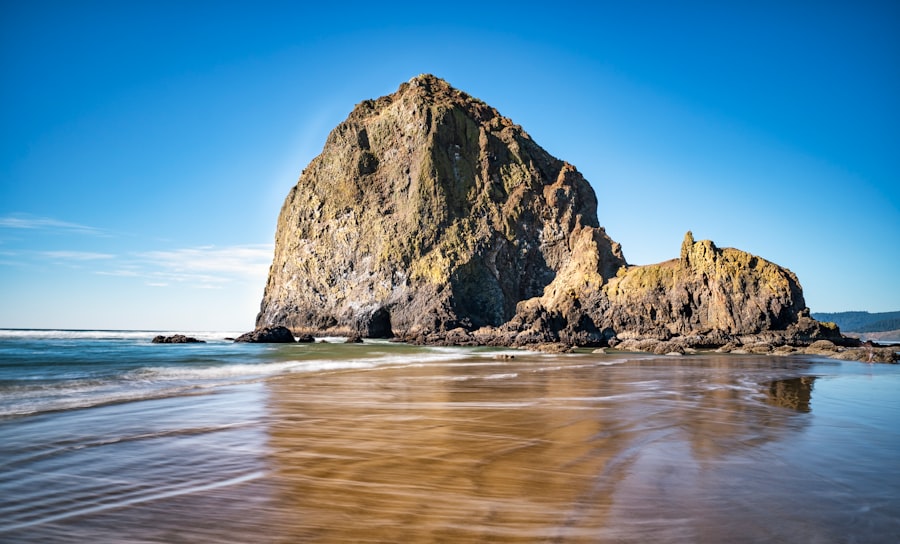
Rising 235 feet from the edge of the shoreline, Haystack Rock is the undisputed crown jewel of the Oregon coast. This massive basalt structure, formed millions of years ago by ancient lava flows, dominates the horizon and serves as the ultimate anchor for your coastal compositions. The sheer scale of this geological wonder provides an incredible sense of drama, especially when framed against the vastness of the Pacific Ocean. When photographing this landmark, your primary goal is to capture its immense scale while playing with the unique textures of the surrounding wet sand, which acts as a giant natural mirror.
Composition and Framing at the Monolith
To create a truly compelling image of Haystack Rock, you must think beyond the standard postcard shot. Try using the smaller, surrounding needle rocks to create a natural sense of depth and layers in your frame. By positioning yourself at a low camera angle, you can utilize the receding tide to capture perfect, glassy reflections of the monolith on the wet sand. This technique effectively doubles your visual impact, creating a symmetrical balance that draws the viewer directly into the heart of the image. Look for small tidal pools in the foreground to add organic shapes and vibrant colors, such as green anemones and bright orange starfish, which offer a brilliant contrast to the dark basalt.
Optimal Lighting and Golden Hour Magic
While Haystack Rock is beautiful at any time of day, the real magic happens during the golden hour. As the sun dips toward the horizon, the wet sand glows with warm hues of orange, pink, and gold, while the rock itself casts a dramatic, elongated shadow across the beach. For a moody, ethereal vibe, try shooting during the blue hour immediately after sunset. The ambient cool light softens the harsh contrast, allowing you to capture the glowing lights of the town in the distance against the deep blue of the sky and ocean.
Pro Photography Tip: To get the most out of your golden hour shoot, use a circular polarizer to control the glare on the wet sand and enhance the saturation of the sky. Pair this with a medium neutral density (ND) filter to slow your shutter speed to around 1 to 2 seconds. This shutter speed is the sweet spot for turning the rushing tide into silky, textured paths of white water that lead the viewer's eye straight toward Haystack Rock.
Ecola State Park and Crescent Beach
Perched on the cliffs just north of the main town, Ecola State Park offers some of the most breathtaking elevated perspectives of the entire coastline. Entering this park feels like stepping into a temperate rainforest, with towering Sitka spruces draped in moss framing your view of the ocean below. The park provides access to several distinct viewpoints, each offering a completely different perspective on the classic Oregon coast landscape.
- Ecola Point Viewpoint: This easily accessible overlook offers a sweeping panoramic view looking south toward Haystack Rock and the distant headlands. It is the perfect spot for wide-angle landscape shots that capture the meeting of the forest and the sea.
- Crescent Beach Trail: For the adventurous photographer, this steep trail leads down through the lush forest to a secluded, crescent-shaped cove. Here, you can shoot unique angles of sea caves, sandstone cliffs, and isolated sea stacks away from the crowds.
- Indian Beach: A popular spot for local surfers, this cove features dramatic rock formations, tide pools, and a more rugged, wild atmosphere that is perfect for action shots and moody seascapes.
Chasing the Fog in the Sitka Spruce Forest
The microclimate around Ecola State Park is famous for its sudden, rolling sea fog. Instead of packing up your gear when the mist rolls in, embrace it. The fog acts as a massive softbox, diffusing the light and creating a mysterious, cinematic vibe. Position your camera along the cliffside trails to shoot through the mossy branches of the Sitka spruces, using the dark green foliage as a natural vignette to frame the misty ocean and distant sea stacks below.
The Hidden Treasures of Hug Point State Recreation Site
Located just five miles south of the main beach, Hug Point is an absolute playground for landscape photographers. This spot is packed with unique geological features, including hand-carved stagecoach trails in the sandstone cliffs, sea caves, and a seasonal waterfall that spills directly onto the sandy beach. Because of its complex geography, Hug Point offers an incredible variety of textures and leading lines that you won't find anywhere else along this stretch of coast.
Mastering the Hug Point Waterfall Composition
The seasonal waterfall at Hug Point is one of the rare places where you can photograph fresh water cascading directly onto a saltwater beach. To capture this scene successfully, you need to pay close attention to your framing and composition. Set up your tripod low to the ground and use a wide-angle lens to capture both the waterfall in the mid-ground and the sweeping curves of the sandstone cliffs in the background. The contrast between the dark, wet rocks and the white, rushing water creates a powerful visual draw.
Navigating the Tide Pools and Sea Caves Safely
At low tide, Hug Point reveals a labyrinth of sea caves and rich tide pools teeming with marine life. The caves offer fantastic opportunities for interior-to-exterior framing, where you can use the dark, jagged mouth of a cave to frame the bright ocean outside. However, photographing this area requires careful planning. Always consult a local tide table before heading out, as high tide can completely cut off access to the caves and create dangerous situations against the sheer cliffs.
Pro Photography Tip: When shooting inside the sea caves, dynamic range can be a major challenge. To capture the rich textures of the dark cave walls as well as the bright sea and sky outside, shoot a series of bracketed exposures (typically three to five shots spaced 1 EV apart) and merge them later using HDR software for a natural, balanced final image.
Silver Point and the Southern Headlands
As you continue south along Highway 101, you will encounter Silver Point, a dramatic overlook and beach area characterized by its rugged rock formations and sweeping views. This is one of the best Cannon Beach seascape photography spots for capturing the immense power of the Pacific Ocean waves as they collide with the offshore reefs. The vibe here is much wilder and less manicured than the main beach area, making it ideal for photographers looking to capture the untamed spirit of the Oregon coast.
Capturing Wave Action and Motion Blur
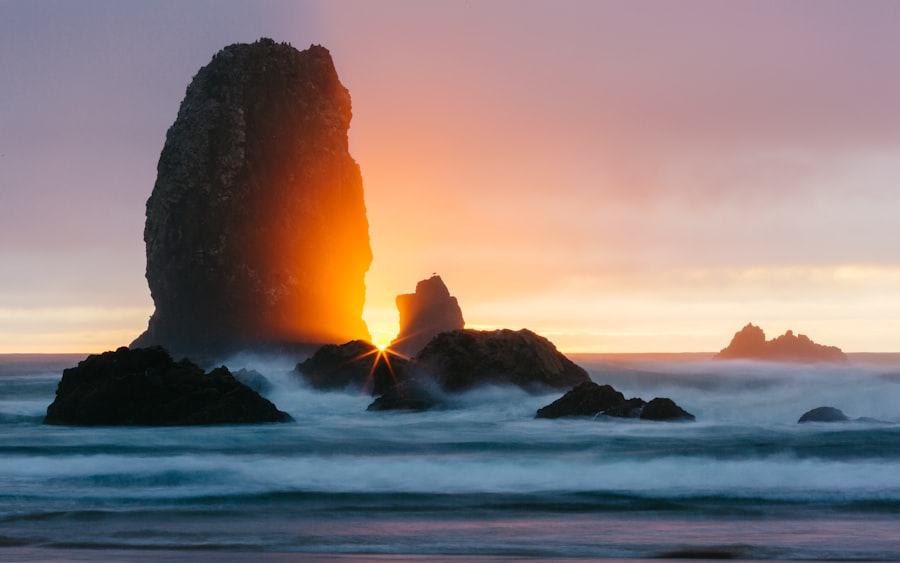
The unique offshore rock arrangements at Silver Point create spectacular wave action, especially during the autumn and winter storms. To capture the energy of the sea, experiment with different shutter speeds. A fast shutter speed of 1/1000th of a second will freeze the crashing waves into dramatic, explosive droplets of water. Conversely, a longer exposure of several seconds will smooth the chaotic water into a dreamy, ethereal mist, emphasizing the permanent, solid nature of the ancient sea stacks.
Essential Gear and Settings for Coastal Seascapes
To make the most of your photographic journey along the Oregon coast, you need to be prepared for the elements. The marine environment can be harsh on camera gear, with salt spray, blowing sand, and frequent rain showers. Having the right equipment and knowing how to protect it is just as important as mastering your camera settings.
- Sturdy Tripod: The strong coastal winds and shifting wet sand require a heavy, stable tripod. Look for one with spiked feet to grip the wet sand firmly, and always hang your camera bag from the center column for extra stability.
- Lens Cleaning Kit: Salt spray will inevitably find its way onto your lens element. Keep a plentiful supply of microfiber cloths and specialized lens cleaning solution in your pocket for quick, frequent wipes between shots.
- Neutral Density Filters: A selection of ND filters (such as a 3-stop, 6-stop, and 10-stop) is essential for controlling your shutter speed and capturing beautiful motion blur in the water and clouds.
- Weather Sealing: Use a dedicated rain cover for your camera body and lens, even on dry days, to protect your delicate electronics from the corrosive effects of salt air and blowing sand.
Recommended Camera Settings for Pristine Seascapes
For the sharpest possible images, always shoot in RAW format to retain the maximum amount of detail in the highlights and shadows. Set your camera to its native ISO (usually ISO 100) to minimize digital noise. Use an aperture between f/11 and f/16 to ensure a deep depth of field, keeping everything from the foreground pebbles to the distant sea stacks in sharp focus. When composing your shot, use manual focus and utilize your camera's live view zoom to focus precisely on your main subject, ensuring tack-sharp details throughout the frame.
Planning Your Photographic Adventure
Timing is everything when it comes to coastal photography. The appearance of these stunning locations changes dramatically depending on the seasons and the daily tides. Summer offers the most reliable weather and comfortable temperatures, but it also brings the largest crowds. Spring and autumn offer a fantastic balance of moody weather, dramatic clouds, and fewer tourists, while winter brings powerful storms that create the most dramatic wave action of the year.
Before you pack your camera bag, be sure to check the local weather forecasts and tide charts. Many of the best angles and safety paths are only accessible during low tide. For more information on planning your visit, exploring local accommodation, and understanding beach safety guidelines, check out the helpful resources on TripAdvisor and explore the comprehensive travel guides on Lonely Planet. By combining careful planning with creative composition, you will walk away with a stunning portfolio of images that capture the timeless, breathtaking spirit of the Oregon coast.
Frequently Asked Questions
What is the best time of day to photograph Cannon Beach seascapes?
Sunrise offers soft, golden light with fewer crowds, while sunset provides dramatic colors—both are ideal for long exposures.
Where is the closest parking to Haystack Rock for photography?
The main Cannon Beach parking lot on Hemlock Street is a short 5-minute walk to the beach, but for earliest access, use the pullout near the Tolovana Beach State Recreation Site.
Are there any hidden photography spots beyond the main beach?
Yes, Hug Point to the north offers sea stacks and tide pools, and Indian Beach in Ecola State Park provides a more rugged, forest-framed seascape.
What camera settings work best for shooting silky waves at Cannon Beach?
Use a shutter speed of 1-4 seconds with ISO 50-100 and an aperture around f/11-f/16, and a sturdy tripod to avoid camera shake.
What tide conditions are optimal for seascape photography here?
Shoot during negative low tides to expose tide pools and exposed sand patterns, but high tides can create dramatic reflections of Haystack Rock in shallow water.

Oliver Janssen scouts the best photography spots in every destination, from sunrise viewpoints to overlooked angles on famous landmarks. He shares exactly where to stand and when to be there for the shot.
💬 Comments (0)
No comments yet. Be the first!