6 Hallerbos bluebell forest photo spots
Discover the magical Hallerbos bluebell forest photo spots in 2026 with our guide to capturing Belgium’s purple wonderland.
6 Hallerbos bluebell forest photo spots
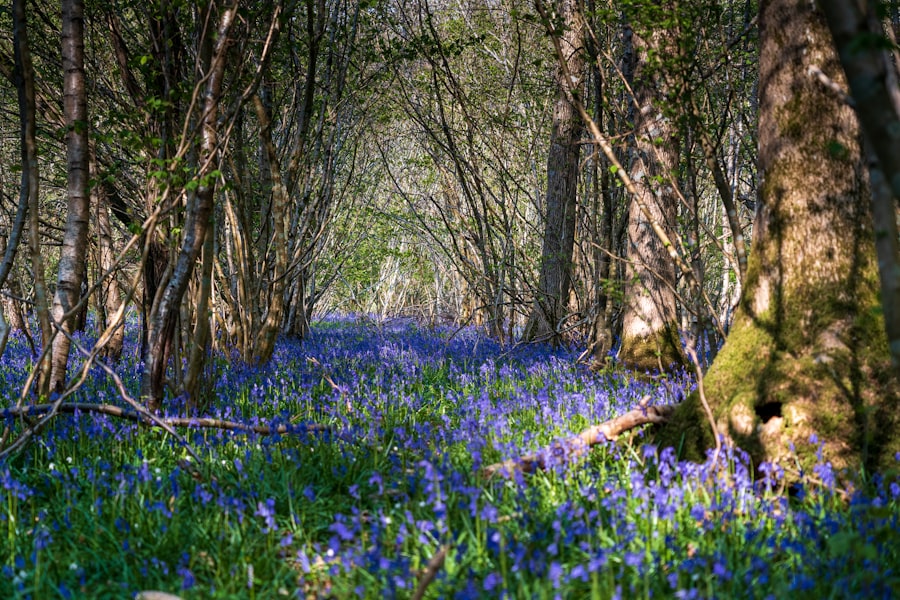
Every spring, a magical transformation occurs just south of Brussels. The forest floor of the Hallerbos, also known as the Blue Forest, bursts into a vibrant violet-blue carpet of millions of wild hyacinths. If you are looking for the absolute best Hallerbos bluebell forest photo spots, you have come to the right place. Capturing this ethereal purple haze requires more than just showing up with a camera; you need to know exactly where to go, how to read the light, and how to frame your shots to avoid trampling the delicate blooms.
In this comprehensive guide, we will explore the six most photogenic locations within this ancient woodland. We will cover the ideal camera settings, precise walking directions, and composition secrets to help you capture the dreamiest photos of your life. Before you pack your gear, be sure to check the official Lonely Planet guides for Belgium travel tips, and review visitor experiences on TripAdvisor to plan your perfect spring itinerary.
1. The Classic S-Curve Path near Plateau Tranchoit
This is arguably the most iconic location in the entire forest. Here, a winding dirt path snakes gracefully through a dense sea of purple flowers, creating a natural leading line that draws the viewer's eye deep into the woodland. The contrast between the dark, textured tree trunks, the bright green beech leaves, and the purple carpet is absolutely breathtaking.
Best Composition and Angles
To make the most of this spot, set your tripod low to the ground. A low-angle shot emphasizes the height of the beech trees and makes the bluebell carpet look much denser. Use a telephoto lens (70-200mm) to compress the perspective. This compression technique makes the flowers appear packed tightly together, eliminating any unsightly bare patches of dirt.
Lighting and Vibe
The vibe here is pure fairy tale. The best lighting occurs during the golden hour, just after sunrise. As the sun peeks over the horizon, rays of golden light filter through the fresh spring canopy, creating dramatic shadows and highlighting the morning mist rising from the damp forest floor.
Pro Photography Tips: Avoid using a wide-angle lens at this spot unless you are right up against a dense patch. Wide lenses tend to capture too much sky and empty path, which dilutes the intense purple color of the forest floor.
2. The Beech Cathedral of Achterste Netzak
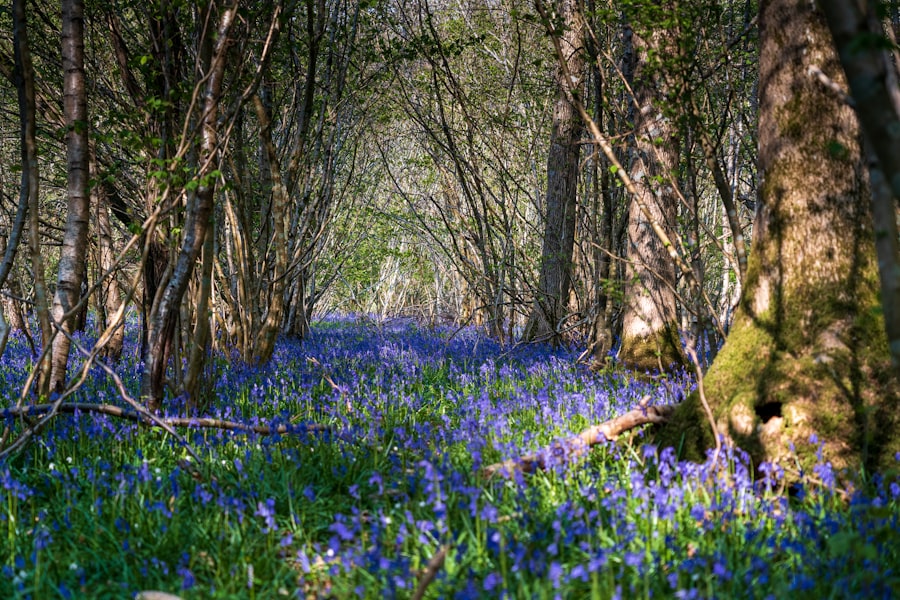
This location is famous for its towering, slender beech trees that look like the pillars of a Gothic cathedral. The canopy here is incredibly high, allowing beautiful, dappled light to filter down onto a completely uninterrupted sea of bluebells. Because there are fewer marked paths cutting directly through this section, the carpet of flowers looks pristine and untouched.
Finding the Perfect Framing
- Look for two prominent trees to frame your shot, creating a natural window into the forest.
- Use a circular polarizer filter to cut the glare on the wet leaves and boost the natural saturation of the purple petals.
- Keep your horizon line in the upper third of the frame to emphasize the vastness of the floral carpet.
When shooting at the Beech Cathedral, patience is key. Wait for a light breeze to stop so your long exposures do not suffer from motion blur in the flowers. Alternatively, embrace the movement for a creative, painterly effect.
3. The Misty Valley of the Kapelleblok
If you want to capture a moody, mysterious atmosphere, head to the lower valley area known as Kapelleblok. Because this spot sits in a natural depression, it traps moisture, making it the absolute best place in the forest to capture early morning mist and fog. It is one of the most rewarding Hallerbos bluebell forest photo spots for photographers who love atmospheric landscapes.
Camera Settings for Foggy Scenes
Fog acts as a giant softbox, diffusing the light and reducing contrast. To prevent your camera's light meter from underexposing the scene, overexpose by +0.5 or +1.0 stop. Keep your ISO low (around 100 or 200) to maintain maximum detail, and use a mid-range aperture like f/8 or f/11 to keep both the foreground flowers and the misty background trees in sharp focus.
4. The Sunrise Ridge near Roebuck Walk
For those willing to wake up before dawn, the ridge along the Roebuck Walk (Reeënpad) offers unparalleled sunrise views. As the sun rises, it shines directly through the trees on this east-facing slope, creating spectacular sunbursts and long, dramatic shadows that stretch across the purple landscape.
Capturing Sunbursts
To capture a crisp sunburst effect, set your aperture to a high f-number, such as f/14 or f/16. Position yourself so that the sun is partially blocked by a tree trunk. As you gently nudge your camera to let a tiny sliver of the sun peek out from behind the bark, press the shutter. The small aperture will turn that sliver of light into a beautiful starburst.
Walking Directions and Logistics
- Park at Forest Museum (P8) and follow the yellow posts marking the Roebuck Walk.
- Walk approximately 1.2 kilometers eastward until the terrain begins to slope upward.
- Arrive at least 45 minutes before sunrise to set up your tripod in the dark.
5. The Larch Tree Intersection
While the Hallerbos is famous for its beech trees, this unique spot features a stand of larch trees mixed with the traditional hardwoods. The light green, needle-like leaves of the larches offer a completely different texture and color contrast compared to the rest of the forest. This is one of the lesser-known Hallerbos bluebell forest photo spots, meaning you will have fewer crowds to contend with.
Creating Depth with Layers
The key to a great photo here is layering. Use the bright green larch needles in the upper third of your frame, the dark, rugged tree trunks in the middle, and the soft, violet-blue flowers in the bottom third. This three-tier color palette creates incredible depth and visual interest.
Pro Photography Tips: Shoot on an overcast day to get the most accurate color representation. Bright, direct midday sunlight can wash out the delicate purples and turn them into a pale gray in your camera sensor.
6. The Quiet Edge of the Springwood
Most visitors stick to the center of the forest, but the outer edges of the Hallerbos offer beautiful opportunities where the bluebell fields meet the open agricultural fields of Flanders. Here, you can capture the contrast between the wild, untamed purple forest and the neat, rolling green hills of the Belgian countryside.
Composition and Leading Lines
Use the edge of the tree line as a diagonal leading line cutting across your frame. This composition style creates a sense of scale and showcases the transition between different landscapes. It is a fantastic spot for sunset photography, as the open sky allows the warm evening colors to illuminate the forest edge.
- Look for lone trees standing at the forest boundary to serve as strong focal points.
- Use a gradient neutral density (GND) filter to balance the bright sky with the darker forest floor.
- Experiment with portrait orientation to emphasize the height of the boundary trees.
Essential Gear and Etiquette for Hallerbos Photography
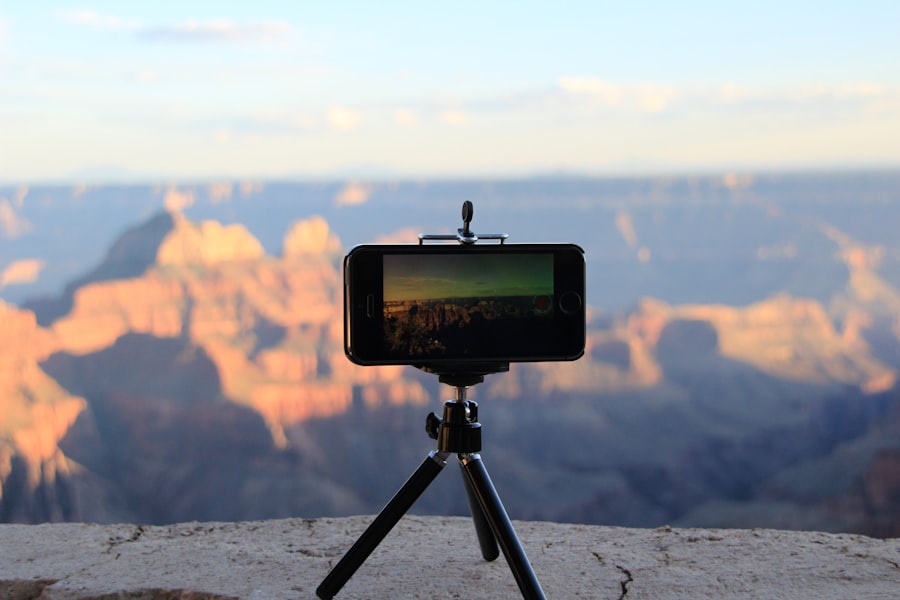
To get the most out of your visit to the Hallerbos bluebell forest photo spots, you must come prepared. A sturdy tripod is non-negotiable, as the dense canopy blocks a significant amount of light, requiring slower shutter speeds. Bring a telephoto zoom lens to compress your compositions, and a macro lens if you want to capture close-up shots of individual dew-covered petals.
Most importantly, respect the rules of the forest. The wild hyacinths are incredibly fragile; once trampled, the bulbs are damaged, and they will not grow back the following year. Strictly stay on the designated paths at all times. With clever framing and a telephoto lens, you can easily make it look like you are standing in the middle of a field of flowers while keeping your feet firmly on the dirt path. Happy shooting!
Frequently Asked Questions
What is the best time to visit Hallerbos for bluebell photos?
Visit between mid-April and early May when the bluebells are in full bloom, ideally on a weekday morning for fewer crowds and softer light.
Where is the most iconic spot in Hallerbos for bluebell photos?
The beech avenue near the main entrance with its towering trees and rolling bluebell carpet is the most photographed location.
Are there any hidden quieter spots in Hallerbos for capturing bluebells?
Explore the smaller side trails towards the eastern edge, where dense bluebell patches often go unnoticed by tourists.
What photography tips work best for Hallerbos bluebell photos?
Use a low angle with a wide aperture to create depth, and include silhouetted tree trunks for contrasting compositions.
Can I take tripod photography in Hallerbos bluebell forest?
Yes, tripods are allowed, but arrive early before 9 AM to avoid path congestion and protect the delicate bluebells.

Sophie Lefebvre writes about the most photogenic places to visit, pairing stunning locations with the practical details of getting there. She helps travellers find the views worth planning a whole trip around.
💬 Comments (0)
No comments yet. Be the first!