Cordoba patio photography spots: A 2026 Guide
Explore the dreamiest Cordoba patio photography spots in 2026. Master your floral compositions with our expert guide.
Cordoba patio photography spots: A 2026 Guide
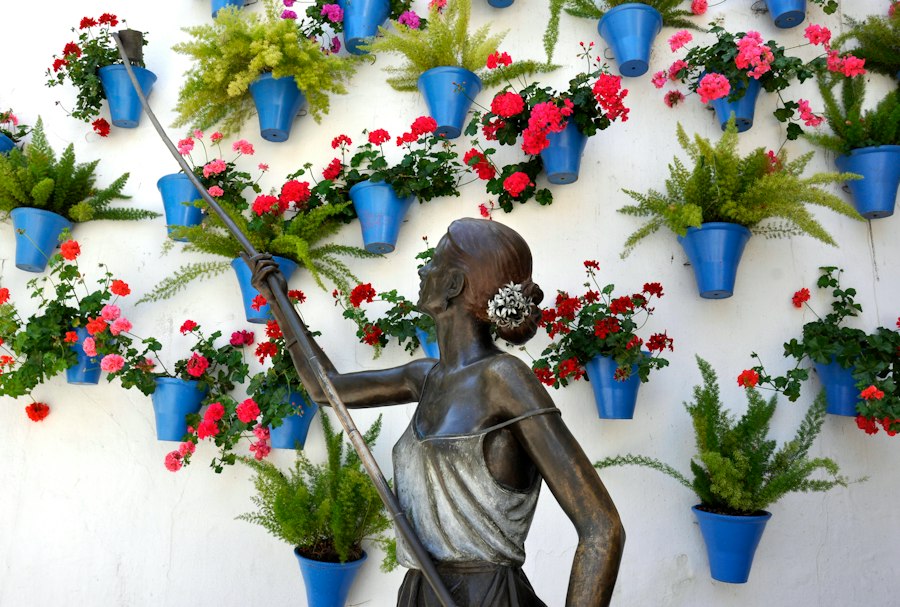
If you are searching for the ultimate Cordoba patio photography spots to capture the soul of Andalusian heritage, you have come to the right place. There is a specific magic that happens when the warm southern Spanish sun filters through whitewashed stone archways, casting soft shadows over hundreds of brilliant blue flower pots overflowing with pink geraniums. For centuries, the residents of Cordoba have cultivated these hidden sanctuary courtyards, transforming private residential spaces into breathtaking living art galleries. In this definitive 2026 guide, we will explore the absolute best locations, camera settings, and creative compositions to help you capture these award-winning architectural gems like a seasoned professional photographer.
1. The Majestic Courtyards of Palacio de Viana
Often referred to as the museum of courtyards, the Palacio de Viana is a sprawling 15th-century manor house that boasts twelve distinct patios, each offering a completely unique aesthetic vibe. From the formal, symmetrical hedges of the Renaissance-style gardens to the rustic, intimate corners of the working-class service areas, this estate is an absolute dream for travel photographers looking to build a diverse portfolio in a single afternoon.
The Patio de las Columnas (Patio of Columns)
This spacious, grand courtyard features classical arches and elegant stone columns that frame the open sky. To capture the grand scale of this location, use a wide-angle lens (around 16mm to 24mm on a full-frame sensor). Position your tripod low to the ground to emphasize the height of the pillars and create a dramatic, sweeping perspective that draws the viewer's eye upward toward the canopy of leaves.
The Patio de la Madama (Patio of the Madam)
Centered around a neoclassical stone statue enveloped in a perfectly manicured ring of cypress trees, this spot offers a highly symmetrical and intimate composition. The soft, diffuse lighting that filters through the dense foliage makes it the perfect place for moody, romantic close-up shots. Focus on the contrast between the cold gray stone of the statue and the deep, vibrant green of the surrounding leaves.
Pro Photography Tips: When shooting inside the Palacio de Viana, pay close attention to your white balance. The bright white walls can easily trick your camera's light meter into underexposing the image. Manually dial in your exposure compensation to +0.7 or +1.0 to keep the stucco walls looking crisp, bright, and clean without blowing out the highlights on the flowers.
2. The Historic District of San Basilio
To capture the authentic, lived-in essence of local culture, head straight to the San Basilio neighborhood. This is the historic heart of the famous annual patio festival, where local residents open up their private homes to the public. The patios here are characterized by their intensely crowded walls of blue ceramic pots, dark wooden doors, and decorative wellheads that have served families for generations.
- Calle San Basilio 44: Famous for its dramatic central staircase wrapped in lush green vines, offering incredible opportunities for leading lines.
- Calle Martin de Roa 7: Features a stunning contrast between ancient stone walls and a dense, colorful tapestry of red, pink, and purple blossoms.
- Calle Duartas 2: A smaller, highly intimate space that is ideal for capturing macro details of individual petals and rustic door knockers.
The overall vibe in San Basilio is cozy, welcoming, and rich with history. Because these spaces are compact, a standard zoom lens like a 24-70mm will give you the flexibility you need to quickly switch from wide environmental portraits to tight, detailed shots of hand-painted ceramic tiles.
3. The Iconic Calleja de las Flores
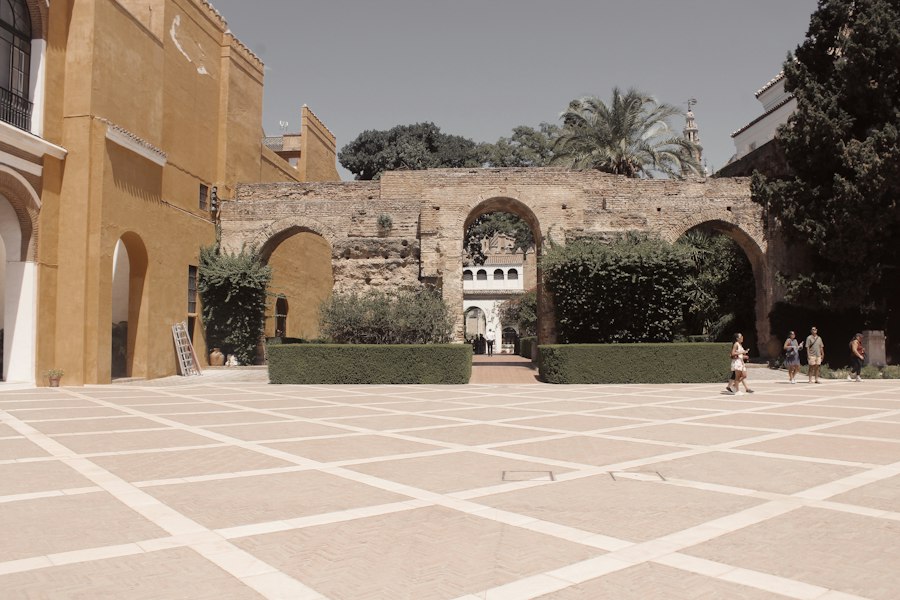
While technically a narrow public alleyway rather than an enclosed private residential courtyard, this legendary passage is arguably one of the most famous Cordoba patio photography spots in the entire city. The narrow, winding stone path is flanked on both sides by pristine white walls adorned with dozens of blue flower pots, culminating in a spectacular, perfectly framed view of the Mezquita's bell tower in the background.
Framing and Composition Strategies
To get the iconic shot, walk all the way to the tiny plaza at the end of the alley, turn around, and look back toward the entrance. Use a telephoto lens (70-200mm) to compress the perspective, which brings the distant bell tower closer and makes it appear much larger and more dominant in your frame. Align the blue flower pots on the left and right walls to act as natural leading lines directing the viewer's eye straight toward the historical tower.
Mastering the Golden Hour Lighting
Because this alleyway is incredibly narrow, it receives direct sunlight for only a brief period during the middle of the day, which creates harsh, unflattering shadows. The best time to shoot here is during the early morning golden hour, just as the sun begins to rise. At this time, the light is soft, warm, and evenly distributed, allowing you to capture the delicate textures of the petals and the stucco walls without any distracting high-contrast shadows.
4. The Hidden Courtyards of the Juderia
The old Jewish Quarter, or Juderia, is a labyrinth of cobblestone streets, whitewashed arches, and hidden doorways that open up into secret, sun-drenched courtyards. Exploring this area feels like stepping back in time, and it offers endless creative opportunities for photographers who enjoy the thrill of discovery and candid street photography.
As you wander through the Juderia, look for open heavy wooden gates that offer a peek into private residential life. Many homeowners are incredibly proud of their botanical displays and will happily invite you in to take a few photos if you ask politely. The framing opportunities here are endless, with wrought-iron grates and stone archways providing the perfect natural borders for your compositions.
Pro Photography Tips: When shooting in the tight quarters of the Juderia, use a fast prime lens with a wide aperture (such as a 35mm f/1.4 or f/1.8). This allows you to shoot wide open, creating a beautiful, creamy background blur (bokeh) that isolates the vibrant flower pots from the busy architectural elements behind them, adding depth and a professional touch to your images.
5. Essential Gear and Camera Settings for Patio Photography
Capturing the perfect shot in these unique architectural spaces requires a thoughtful approach to your gear selection and camera configurations. Because you will be transitioning constantly between bright, sunlit outdoor areas and dark, shaded corridors, your camera settings need to be highly adaptable.
- Aperture Priority Mode: Use this mode to maintain complete control over your depth of field. Keep it around f/8 for sharp, detailed landscape and architectural shots, and drop it down to f/2.8 or lower for detailed close-ups of flowers.
- Circular Polarizer Filter: This is an essential tool for reducing glare on shiny green leaves and ceramic pots, while simultaneously boosting the natural saturation of the colors and making the blue skies pop.
- High Dynamic Range (HDR): The high contrast between deep shade and bright white stucco walls can be challenging. Bracket your exposures (taking three to five shots at different shutter speeds) and merge them later in post-processing to preserve detail in both the shadows and the highlights.
6. Planning Your Photography Route and Timing
To make the absolute most of your photographic journey through these stunning locations, timing is everything. While the city is beautiful year-round, the absolute peak season for capturing these floral masterpieces is during the spring, specifically during the first two weeks of May when the annual patio festival takes place and the blooms are at their most spectacular.
For more detailed travel planning, crowd updates, and seasonal festival schedules, you can check out resources on Lonely Planet and read reviews of specific local experiences and guided walking tours on TripAdvisor. To beat the crowds and secure clean, empty shots of the most popular Cordoba patio photography spots, plan to start your walking tour at the crack of dawn. Begin with the Calleja de las Flores to capture the morning light on the bell tower, then move on to the San Basilio neighborhood just as the residential gates begin to open, and finish your afternoon in the shaded, cool pathways of the Palacio de Viana.
Frequently Asked Questions
What are the best Cordoba patio photography spots in 2026?
The top spots include the Alcázar de los Reyes Cristianos, Palacio de Viana, and the iconic patios of San Basilio. These locations offer diverse floral displays and historic architecture.
When is the best time to photograph Cordoba's patios?
The Festival of Patios in May offers peak blooms and festive atmosphere, but spring mornings in April provide softer light with fewer crowds. Avoid harsh midday sun for the best results.
Do I need a ticket to photograph the patios in Cordoba?
Many private patios require a small entry fee or are only open during the festival, while public spots like the Alcázar need standard admission tickets. Check individual schedules as they vary by season.
What camera settings work best for Cordoba patio photography?
Use a wide-angle lens to capture narrow courtyards, and set a low ISO with a small aperture (f/8–f/11) for sharp details in bright daylight. A polarizing filter helps reduce glare from white walls.
Are there any restrictions on photography in Cordoba's patios?
Yes, some private patios prohibit tripods or commercial shoots to preserve the ambiance, so always ask permission first. Respect signage and avoid blocking pathways for other visitors.

Oliver Janssen scouts the best photography spots in every destination, from sunrise viewpoints to overlooked angles on famous landmarks. He shares exactly where to stand and when to be there for the shot.
💬 Comments (0)
No comments yet. Be the first!