Jeju Island nature photography spots Guide
Capture South Korea's wild beauty in 2026 with our guide to the most stunning Jeju Island nature photography spots.
Jeju Island Nature Photography Spots Guide
If you are searching for the ultimate Jeju Island nature photography spots, you have come to the right place to plan your next visual adventure. Jeju Island, a volcanic paradise off the coast of South Korea, is a dream destination for photographers seeking dramatic coastlines, lush forests, and mysterious volcanic craters. The island offers a diverse palette of colors and textures that change dramatically with the seasons. Whether you are a professional landscape photographer with a tripod and a bag of filters or an enthusiastic traveler capturing memories on your smartphone, these breathtaking locations will elevate your portfolio and leave you in awe.
1. Seongsan Ilchulbong (Sunrise Peak)
Rising majestically out of the deep blue ocean, Seongsan Ilchulbong is perhaps the most iconic landmark on Jeju Island. Formed by hydrovolcanic eruptions thousands of years ago, this massive tuff cone resembles a giant ancient castle. The bowl-shaped crater is bordered by sharp, jagged rocks that look like a crown, making it a masterpiece of natural architecture and one of the premier Jeju Island nature photography spots you cannot miss.
The Golden Hour Composition
To capture the true essence of Seongsan Ilchulbong, you must wake up early. The best composition is achieved from the black sand beaches of Gwangchigi, located just south of the peak. From this perspective, you can use the mossy green volcanic rocks in the foreground to create a powerful leading line pointing toward the rising sun and the peak. Set your tripod low to the ground to emphasize the texture of the wet rocks and the reflection of the sky in the tide pools.
Camera Settings and Gear
For the perfect sunrise shot, use a wide-angle lens (16-35mm) to capture the vastness of the sea and the sky. A graduated neutral density filter is essential to balance the bright sky with the darker foreground rocks. Set your camera to ISO 100 to ensure maximum image clarity, and use an aperture of f/11 or f/16 to keep the entire frame sharp from the foreground moss to the distant peak.
Pro Photography Tips: Watch the tide schedules closely. A low tide at sunrise reveals the vibrant green moss on the black volcanic rocks at Gwangchigi Beach, offering an incredible contrast of colors that makes your images pop.
2. Hallasan National Park
Dominating the center of the island is Hallasan, a shield volcano that is also the highest mountain in South Korea. This UNESCO World Heritage site is home to a unique ecosystem featuring thousands of species of plants and animals. The mountain is a paradise for hikers and photographers alike, offering dramatic snowy landscapes in the winter, pink azaleas in the spring, and a rich canopy of autumn colors.
Framing the Snowy Wonderland
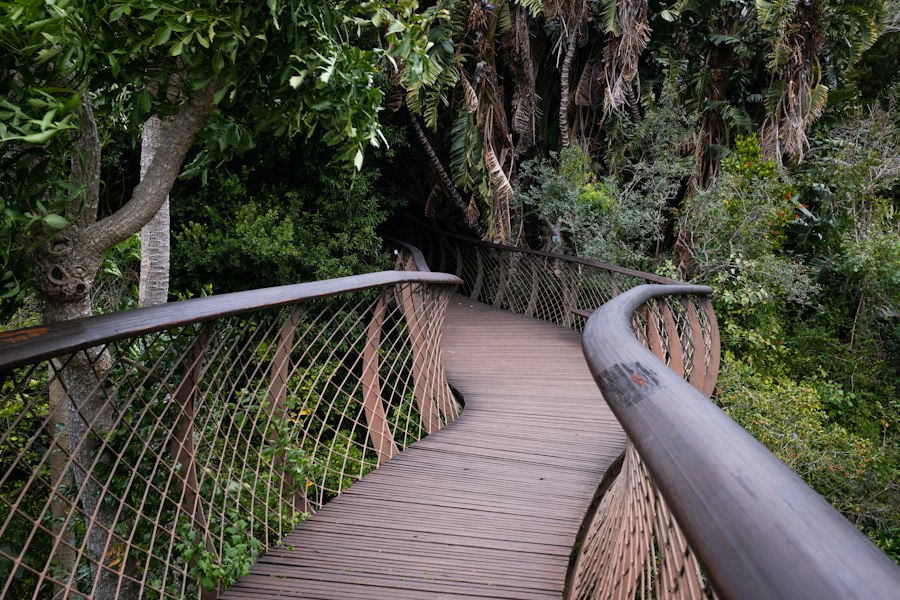
If you hike the Yeongsil Trail during the winter months, you will be rewarded with a surreal landscape of snow-covered fir trees, often referred to as "snow monsters." Use the winding wooden stairs as a compositional element to guide the viewer's eye through the frame. The contrast between the dark wooden path and the pristine white snow creates a clean, minimalist vibe that is highly artistic.
- Best Trail for Photography: Yeongsil Trail (for dramatic rock formations and easy access to high elevations).
- Key Visual Elements: Snow-covered trees, volcanic cliffs, and distant views of the Jeju coastline.
- Ideal Time: Mid-morning when the sun illuminates the frost but before it starts to melt.
For more detailed hiking trails and park regulations, you can plan your visit using resources like the Lonely Planet guide to South Korea.
3. Bijarim Forest
For a completely different mood, head to Bijarim Forest, home to more than 2,800 nutmeg trees that are between 500 and 800 years old. This is the largest single-species forest of nutmeg trees in the world. Walking along the red clay paths of this ancient woodland feels like stepping into a fantasy realm, making it one of the most enchanting Jeju Island nature photography spots for capturing intimate landscape details.
Capturing the Forest Vibe
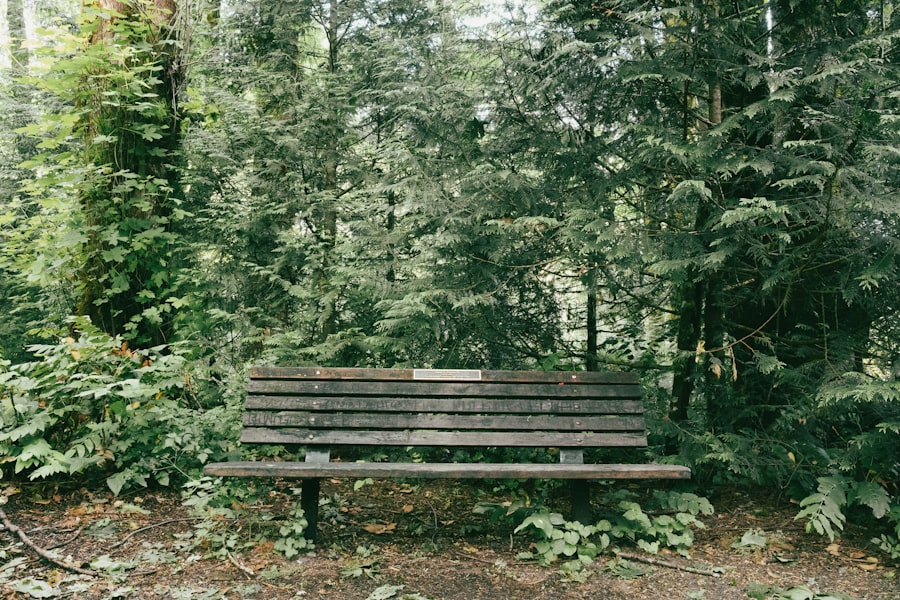
The lighting in Bijarim Forest is spectacular when it rain or right after a heavy shower. The moisture intensifies the deep green of the moss and leaves, while the red volcanic scoria path provides a beautiful, contrasting warm tone. Use a medium telephoto lens (50mm or 85mm) to compress the scene, creating a sense of depth and mystery among the twisted, ancient trunks.
Angles and Depth of Field
Shoot from a low angle to make the towering trees look even more imposing. Use a wide aperture like f/2.8 or f/4 to create a shallow depth of field, which softens the background and makes the intricate patterns of the tree bark and moss stand out as your main subject.
4. Daepo Jusangjeolli Cliff
The Daepo Jusangjeolli Cliffs are spectacular stone pillars carved along the coast by the cooling of lava from Hallasan. These hexagonal and pentagonal basalt columns look like they were chiseled by hand, stacking up like giant black stairs against the crashing waves of the blue ocean. This location showcases the raw power of nature and is a favorite among landscape photographers.
Composition and Motion Blur
To capture the energy of this location, position your camera on a sturdy tripod on the wooden viewing platform. Frame your shot to include the geometric columns in the lower third of the frame, leaving the rest for the dynamic ocean waves. A high-angle shot looking straight down highlights the repeating patterns of the hexagonal columns, creating an abstract, graphic composition.
Pro Photography Tips: Use a Neutral Density (ND) filter to slow down your shutter speed to 1 or 2 seconds. This turns the crashing white waves into a smooth, misty fog around the sharp, dark basalt columns, creating a beautiful contrast in textures.
5. Jeongbang Waterfall
Jeongbang Waterfall is unique because it is the only waterfall in Asia that falls directly into the ocean. The two streams of water plunge from a high cliff into a black-rock basin right on the edge of the sea. The sound of the rushing water combined with the crashing waves of the ocean creates an exhilarating sensory experience that you can easily capture in your photographs.
Finding the Perfect Perspective
The wet, slippery boulders at the base of the waterfall offer a challenging but rewarding vantage point. Carefully navigate the rocks to find a safe spot where you can frame the waterfall with dark volcanic rocks in the foreground. Be mindful of the spray from the waterfall, which can quickly coat your lens element; keep a microfiber cloth handy to wipe down your glass between shots.
- Camera Settings: Shutter speed of 1/4 second for a silky water effect, f/8 for sharpness, and ISO 100.
- Best Lighting: Overcast days or late afternoon when the sun is behind the cliffs, avoiding harsh highlights.
- Vibe: Powerful, refreshing, and untamed.
To read traveler reviews on the best times to visit and safety tips for navigating the wet rocks, check out TripAdvisor before you go.
6. Cheonjiyeon Waterfall
Conclude your photographic journey of the best Jeju Island nature photography spots at Cheonjiyeon Waterfall, which translates to "pond of the emperor of heaven." This peaceful waterfall is nestled deep within a lush valley filled with rare, subtropical plants. The waterfall cascades into a deep, serene pool of emerald-green water, creating a tranquil and romantic atmosphere.
Night and Long Exposure Photography
Unlike many natural attractions, Cheonjiyeon is beautifully illuminated at night, making it an excellent spot for night photography. The artificial lights highlight the white water against the dark, dense foliage of the valley. Use a tripod and a remote shutter release to prevent camera shake during long exposures. A shutter speed of 5 to 10 seconds will render the pool of water completely smooth and glassy, reflecting the illuminated trees and rock faces beautifully.
Framing with Nature
Use the hanging branches of the surrounding trees to frame the top of your shot, adding layers and depth to your image. This natural framing technique draws the viewer's eye directly to the center of the waterfall, emphasizing the harmony between the water and the surrounding forest.
Frequently Asked Questions
What are the best times of day to photograph Jeju Island's natural landscapes?
Golden hour around sunrise and sunset offers the softest light for Jeju's coasts and volcanic cones. Midday is best avoided due to harsh shadows.
Which Jeju spot is most iconic for photographing volcanic rock formations?
Jusangjeolli Cliff in Seogwipo features dramatic hexagonal basalt columns meeting the sea. It is a must-visit for geology and seascape shots.
Where can I capture the famous Jeju canola flower fields in spring?
The fields around Sanbangsan Mountain and Gapeado Islet bloom bright yellow from March to April. Arrive early to avoid crowds and get clean compositions.
Is Hallasan Mountain worth photographing for nature shots, and which trails are best?
Yes, Hallasan offers misty forests, alpine plants, and crater lakes perfect for nature photography. The Yeongsil and Gwaneumsa trails provide the most scenic vantage points.
What gear and safety tips matter most for shooting Jeju's coastal and volcanic spots?
Bring a polarizing filter for sea glare and a sturdy tripod for wind-exposed cliffs. Wear grippy shoes and avoid wet rocks near the shoreline, especially during high tide.

Oliver Janssen scouts the best photography spots in every destination, from sunrise viewpoints to overlooked angles on famous landmarks. He shares exactly where to stand and when to be there for the shot.
💬 Comments (0)
No comments yet. Be the first!