8 Girona Historic Photo Spots
Plan your 2026 trip with our guide to the top Girona historic photo spots, featuring medieval walls and colorful riversides.
8 Girona Historic Photo Spots
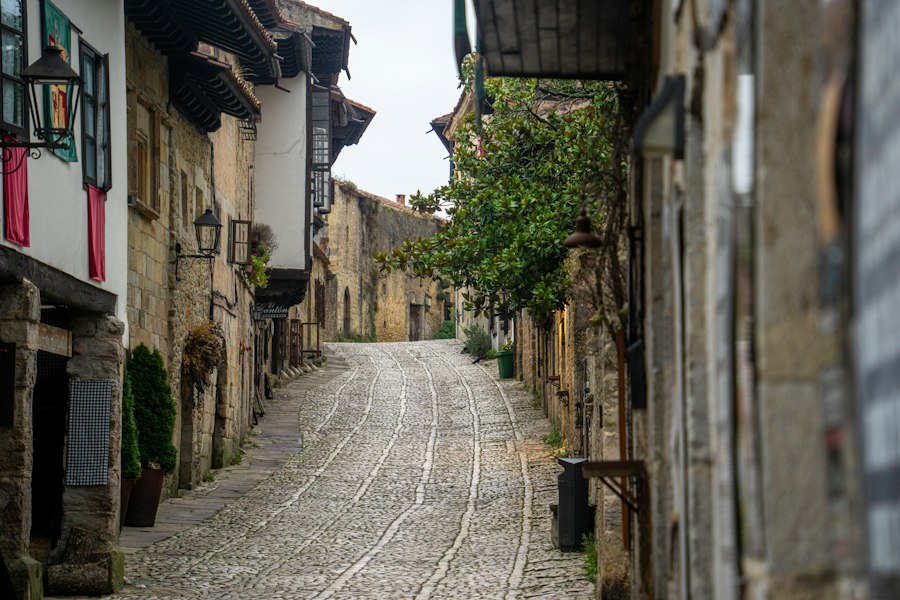
If you are searching for the ultimate medieval backdrop for your travel photography, look no further than the enchanting city of Girona, Spain. Discovering the best Girona historic photo spots will transport you back in time, offering a visual playground filled with winding cobblestone alleys, ancient stone walls, and colorful riverside facades. This Catalan jewel is a dream for photographers, where every corner tells a story of Roman empires, medieval sieges, and Jewish heritage. Whether you are aiming to capture dramatic shadows, vibrant colors, or sweeping landscapes, this guide will show you exactly how to frame the perfect shot.
1. The Majestic Girona Cathedral (Catedral de Girona)
Dominating the city skyline, the Cathedral of Saint Mary of Girona is an absolute masterpiece of Gothic and Baroque architecture. Boasting the widest Gothic nave in the world, this monumental structure is famous for its grand baroque staircase leading up to the main portal.
Best Angle and Composition
To capture the sheer scale of the cathedral, stand at the very bottom of the 90-stone steps. Use a wide-angle lens (16mm to 24mm) and position your camera low to the ground. This perspective exaggerates the height of the staircase and makes the cathedral facade look incredibly imposing. Frame your shot to include the stone balustrades on either side to lead the viewer's eye directly to the main doors.
Lighting and Vibe
The best time to shoot here is during the late afternoon. As the sun begins to set, the warm, golden light hits the limestone facade, turning the stone into a rich honey color. The vibe is grand, historic, and highly dramatic.
Pro Photography Tip: To avoid crowds on the famous steps, arrive just after sunrise. The light will be softer, and you will have the entire staircase to yourself for clean, minimalist compositions.
2. The Iconic Onyar River and Eiffel Bridge
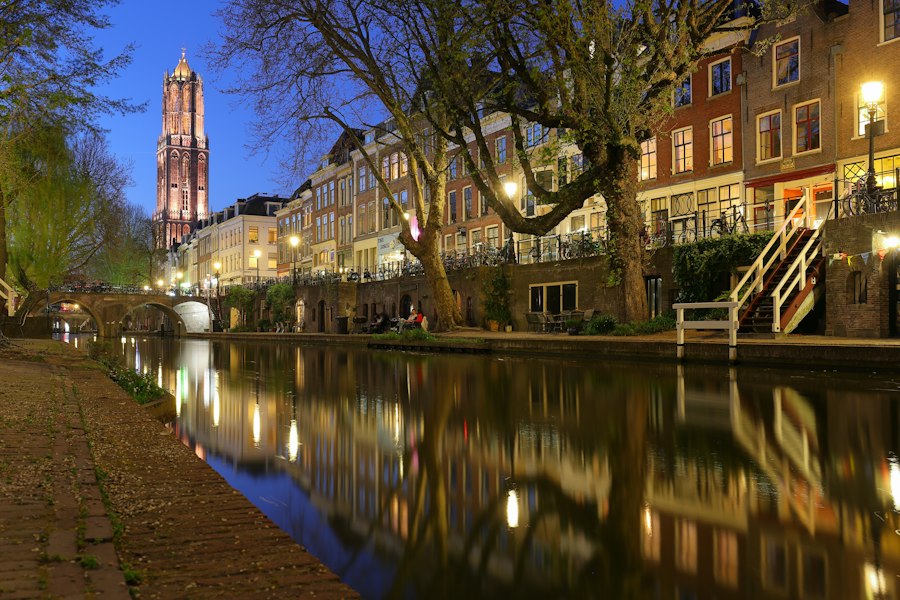
You cannot visit Girona without photographing the hanging houses along the Onyar River. These brightly painted buildings in shades of ochre, red, and orange reflect beautifully in the water. To get the absolute best view of this scene, you must walk onto the Pont de les Peixateries Velles, also known as the Eiffel Bridge, which was constructed by Gustave Eiffel’s company just before the famous Parisian tower.
Framing and Camera Settings
Use the red iron latticework of the Eiffel Bridge as a natural frame. By standing inside the bridge and shooting outward, you can create a geometric contrast between the industrial red metal and the soft, colorful historic houses. Keep your aperture around f/8 to f/11 to ensure both the bridge details and the distant houses remain sharp.
For more detailed visitor information on this iconic bridge, you can check out reviews and user photos on TripAdvisor.
3. The Enchanting Jewish Quarter (El Call)
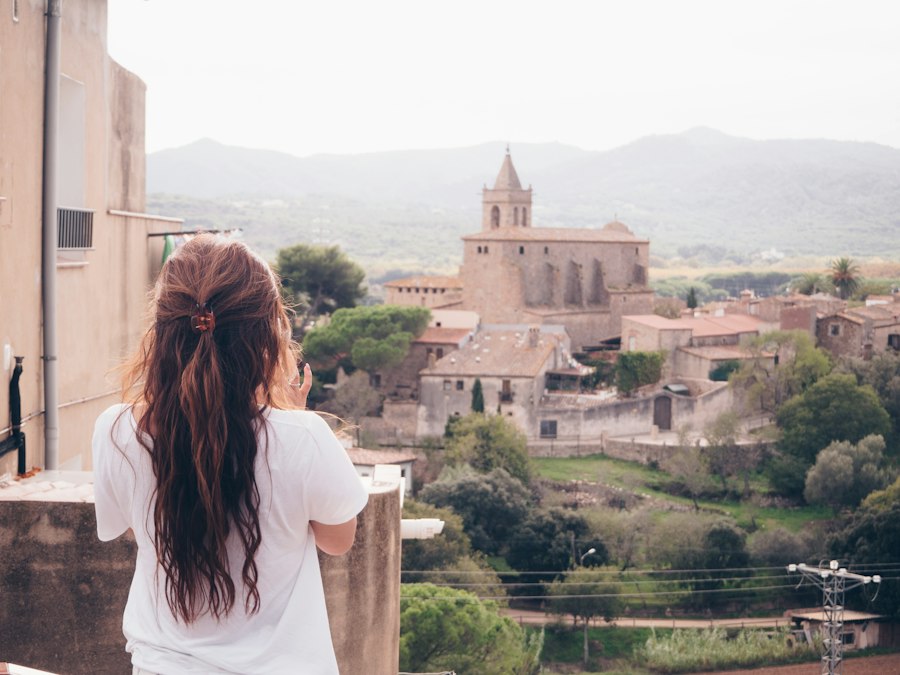
As one of the best-preserved Jewish quarters in Europe, El Call is a labyrinth of narrow, steep alleyways and hidden courtyards. This area is one of the most atmospheric Girona historic photo spots, offering endless opportunities for street photography and architectural close-ups.
- Pujada de Sant Domenec: A beautiful stepped street featuring a baroque church archway and a romantic restaurant terrace.
- Carrers de la Forca: The main artery of the quarter, perfect for capturing long perspective shots of high stone walls.
- Sant Llorenc Courtyard: A quiet, hidden courtyard with beautiful stone archways and climbing ivy.
How to Capture the Mood
This area is all about capturing shadows and mystery. The high stone walls block out most direct sunlight, creating high-contrast patches of light. Look for pockets of sunlight illuminating a single stone arch or a lone traveler walking through the alley. Set your camera to a wider aperture (such as f/2.8) to create a shallow depth of field, making your subject pop against the softly blurred ancient stones.
4. The Ancient Arab Baths (Banys Arabs)
Dating back to the 12th century, these Romanesque-style baths are inspired by Moorish designs. The most photogenic room is the apodyterium (changing room), which features a central octagonal pool surrounded by slender columns supporting a beautiful cupola.
Mastering the Lighting
The lighting in the Arab Baths is a photographer's dream. Natural light filters down through a central skylight in the dome, casting soft, ethereal beams onto the pool below. To capture this delicate light without blowing out the highlights, use spot metering on your camera and expose for the brightest part of the room. A tripod is highly recommended here, as the interior can be quite dark.
Composition and Reflections
Position yourself at a low angle near the edge of the octagonal pool. Use the still water to capture a perfect reflection of the columns and the dome above. This symmetrical framing creates a sense of peace and timelessness.
Pro Photography Tip: Use a polarizing filter to control the reflections on the water surface, allowing you to choose between a mirror-like reflection or showing the stone floor beneath the water.
5. The Passeig de la Muralla (Ancient City Walls)
For the best panoramic views of the city, head up to the Passeig de la Muralla. These restored Carolingian city walls allow you to walk along the eastern ridge of the old town, offering breathtaking vistas of the cathedral, the rooftops, and the Pyrenees mountains in the distance.
Walking Directions and Best Spots
Access the walls from the gardens behind the Girona Cathedral or near the Placa de Catalunya. As you walk along the ramparts, you will encounter several watchtowers that you can climb.
- The Northern Tower: Offers a perfect straight-on view of the cathedral dome and the old town rooftops.
- The Southern Bastions: Great for capturing the sweeping curves of the wall itself as it snakes along the hillside.
- The Stone Arches: Perfect for framing the distant mountains through the ancient defensive slits.
To plan your route along the walls and discover more historical context, consult the travel guides on Lonely Planet.
Golden Hour Settings
The Muralla is one of the premier Girona historic photo spots for golden hour and sunset. As the sun dips below the horizon, the entire city is bathed in a warm orange glow. Set your camera to a small aperture like f/16 to create a beautiful sunburst effect as the sun goes behind the cathedral spire.
6. The Peaceful Sant Pere de Galligants
This 12th-century Benedictine abbey is a stunning example of Catalan Romanesque architecture. Today, it houses the Archaeological Museum of Catalonia, but the exterior and the cloister remain the main draw for photographers looking to capture historic medieval vibes.
Angles and Details
The rose window on the front facade is exceptionally beautiful. Position yourself across the small plaza to capture the entire front of the abbey, using the surrounding green trees to frame the stone structure. Inside, the quiet cloister features intricately carved capitals on the double columns, depicting mythical beasts and biblical scenes. Use a macro lens or a tight zoom to capture the fine details of these ancient carvings.
7. Placa de la Independencia
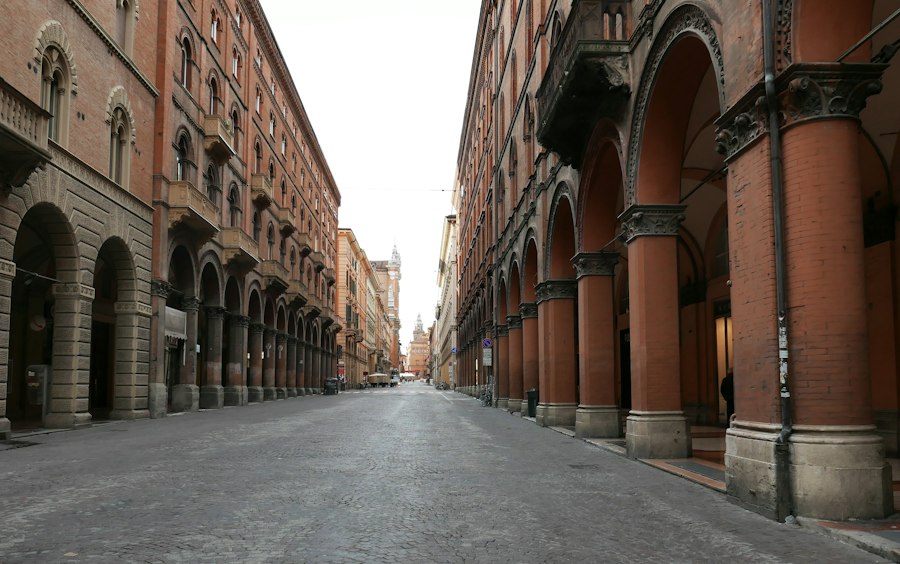
While most of our Girona historic photo spots focus on medieval stone, this 19th-century neoclassical square offers a completely different aesthetic. Surrounded by symmetrical arched porticoes and bustling outdoor cafes, it is the perfect spot to capture local life and historic architecture in one frame.
Symmetry and Framing
The covered arcades running around the perimeter of the square are perfect for leading-line compositions. Stand inside the porticoes and shoot down the long corridor of arches. The repeating pillars create a powerful sense of depth. This spot is also great for rainy days, as the wet pavement outside reflects the warm lights of the cafes under the arches.
8. Pujada de Sant Marti
This quiet, romantic street features a dramatic stone staircase leading up to the Church of Sant Marti Sacosta. With its overhead archway, ancient stone walls, and hanging green ivy, it feels like a scene straight out of a fantasy movie.
Composition and Vibe
To capture the moody, historic vibe of this spot, shoot from the bottom of the steps looking up toward the church door. The stone archway at the top of the stairs acts as a perfect framing device. This spot works exceptionally well on overcast days, as the soft, diffused light brings out the rich textures of the weathered stone and the vibrant greens of the ivy. Keep your composition vertical to emphasize the steep climb and the towering historic buildings on either side.
Frequently Asked Questions
What are the most iconic historic photo spots in Girona?
The Girona Cathedral and the Basilica of Sant Feliu are must-visit spots. The Arab Baths and the colorful houses along the Onyar River also offer historic backdrops.
Where can I get the best panoramic view of Girona's historic old town?
The city walls, especially the section near the Girona Cathedral, provide a stunning panoramic view. The bell tower of Sant Feliu also offers a unique perspective.
Do I need special equipment to photograph Girona's historic sites?
A standard camera or smartphone works well for most spots. A wide-angle lens is helpful for capturing the narrow streets and architecture.
Which historic photo spot in Girona is best for sunset?
The bridges over the Onyar River, such as the Eiffel Bridge, are perfect for sunset photos. The light reflecting on the colorful facades creates a magical scene.
Are there any lesser-known historic photo spots in Girona?
The Passeig Arqueològic and the gardens of the Arab Baths are often overlooked. The narrow alleys of the Jewish Quarter also offer quiet, historic charm.

Sophie Lefebvre writes about the most photogenic places to visit, pairing stunning locations with the practical details of getting there. She helps travellers find the views worth planning a whole trip around.
💬 Comments (0)
No comments yet. Be the first!