Faroe Islands Waterfall Photography Spots
Capture dramatic cliffs and oceanside flows with this guide to the best Faroe Islands waterfall photography spots.
Faroe Islands Waterfall Photography Spots
If you are planning an epic journey to the North Atlantic, capturing Faroe Islands waterfall photography spots should be at the very top of your bucket list. These rugged, volcanic islands are a landscape photographer's dream, offering a dramatic blend of emerald-green cliffs, moody skies, and cascades that fall directly into the churning ocean. Whether you are a professional seeking the perfect long exposure or an enthusiast looking to capture the raw power of nature, the archipelago provides endless inspiration. From the famous Mulasfossur to the hidden gems tucked away in mountain crevices, let us explore how to photograph these natural wonders.
Mulasfossur: The Iconic Gásadalur Cascade
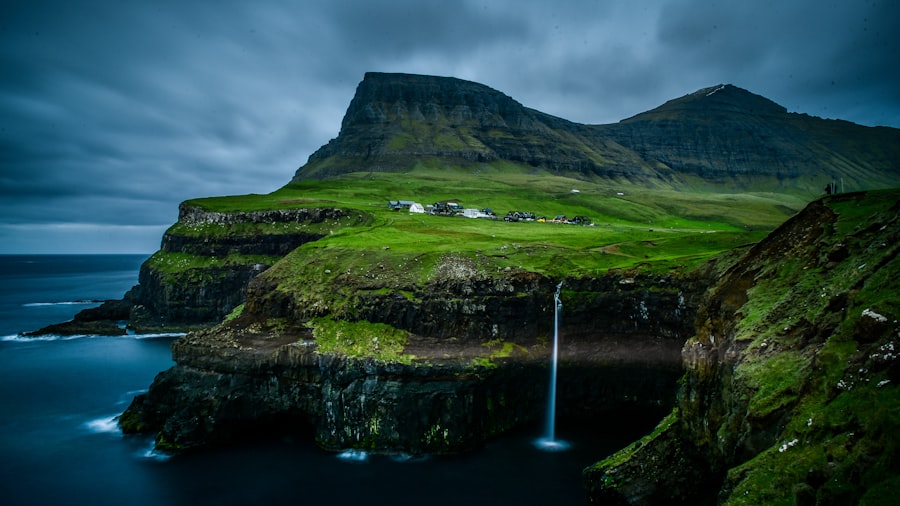
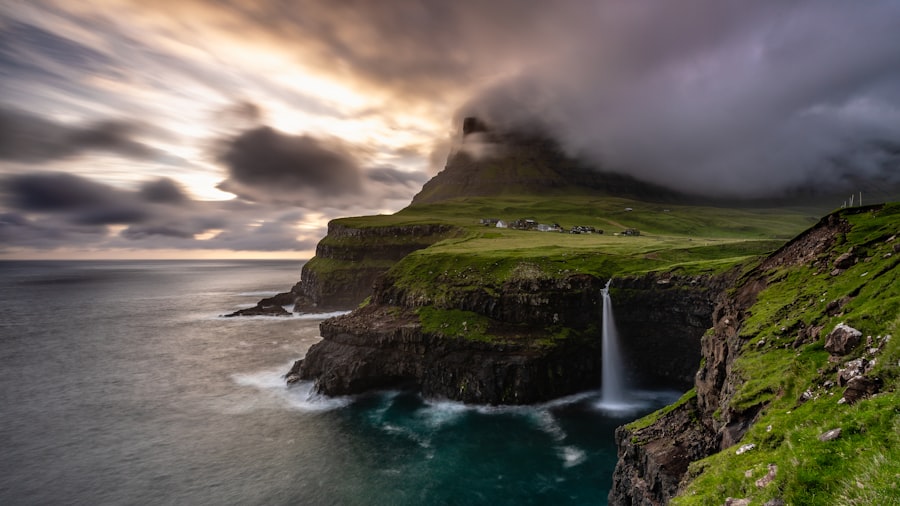
Mulasfossur is perhaps the most famous image associated with the Faroe Islands. Located in the tiny village of Gasadalur, this waterfall drops dramatically over a cliff into the Atlantic Ocean, with the sharp peaks of the island of Mykines visible in the distance. Historically, this village was completely isolated until a tunnel was blasted through the mountain in 2004, preserving its pristine, timeless atmosphere.
Finding the Perfect Angle
When you arrive, walk along the well-maintained gravel path leading toward the viewpoint. For the best composition, position your tripod low to the ground to include the foreground rocks or the lush grass in your framing. You want the waterfall to look like it is pouring out of the village itself. If you visit during the golden hour, the lighting hits the cliffside, creating a soft glow that makes the water appear ethereal.
Pro Photography Tips: To achieve that silky, smooth effect on the water, use a neutral density (ND) filter. A shutter speed of 0.5 to 2 seconds is usually perfect for capturing the movement while keeping the surrounding cliffs sharp and defined.
Fossá: The Giant of the Islands
Fossá is the tallest waterfall in the country, and it demands respect. Located on the island of Streymoy, it is a two-tiered cascade that plunges from a staggering height right next to the main coastal road. It is impossible to miss, and its sheer scale creates a misty, majestic vibe that can be felt from hundreds of meters away.
Capturing Scale and Perspective
Because Fossá is so large, it is difficult to convey its size without a point of reference. I recommend having a friend stand at the base of the falls to provide scale. Use a wide-angle lens to capture both tiers, but be prepared for heavy spray. Keep a microfiber cloth handy to wipe your lens every few minutes.
- Bring a waterproof cover for your camera body and lens.
- Use a circular polarizer to cut down the glare on the wet rocks.
- Focus on the texture of the mossy rocks in the foreground to create depth.
The Hidden Cascades of Saksun
Saksun is a village that feels like it belongs in a fantasy novel. Situated at the end of a long, winding road, it features a tidal lagoon surrounded by towering mountains. While the village itself is breathtaking, the streams and smaller waterfalls feeding into the lagoon offer incredible opportunities for intimate landscape shots.
Composing Your Shot
The vibe here is quiet and reflective. Look for small, unnamed waterfalls running down the mountain slopes. These are perfect for tighter, more abstract compositions. Focus on the way the water carves through the mossy green cliffs. Use a faster shutter speed if you want to freeze the droplets as they hit the dark, volcanic stones.
Waterfall Photography Tips for Harsh Weather
The Faroe Islands are known for their unpredictable weather. One minute you have bright, dramatic sun, and the next, you are in the middle of a thick, swirling mist. Embracing this is key to mastering Faroe Islands waterfall photography spots.
Essential Gear Checklist
- Sturdy tripod: The wind can be intense, so do not use a flimsy travel tripod.
- Weather-sealed camera and lens: Moisture is everywhere.
- Spare batteries: Cold weather drains battery life much faster than usual.
- Lens cleaning kit: You will be cleaning your glass constantly due to the mist.
The Enchanting Waterfalls of Kalsoy
Kalsoy is a long, slender island that requires a ferry ride to access. Known for its steep cliffs and the famous Kallur Lighthouse, it is also home to several seasonal waterfalls that appear during rain. Because these falls are not always present, finding them feels like a special reward for your trekking efforts.
Hiking and Scouting
When hiking toward the lighthouse, keep your eyes on the cliffs to the west. If there has been recent rain, you will see dozens of thin, veil-like waterfalls cascading into the sea. Framing these against the jagged, dark rock faces provides a high-contrast aesthetic that is very moody and distinctly Faroese.
Pro Photography Tips: If the lighting is flat and grey, don't despair. Flat light is actually excellent for waterfall photography because it prevents harsh highlights on the water and keeps the greens of the landscape deep and saturated.
Tips for Your Trip
Planning your visit requires careful consideration of the ferry schedules and the "hiking fees" that some landowners now charge to access certain areas. Always check local guides before setting off. If you are looking for more travel inspiration or logistical advice on where to stay, reputable platforms like TripAdvisor or Lonely Planet offer great insights into local guesthouses that cater to outdoor enthusiasts.
Final Thoughts on Composition
Ultimately, the best Faroe Islands waterfall photography spots are the ones where you take the time to observe the light. Do not just rush to the "famous" viewpoint and snap a photo. Move your tripod five feet to the left or right, look for a different foreground interest, and experiment with your focal length. By playing with different angles, you will ensure that your portfolio stands out from the thousands of other images taken at these iconic locations. Enjoy the mist, the wind, and the incredible, untamed beauty of these islands.
Frequently Asked Questions
What is the best time of year for waterfall photography in the Faroe Islands?
Late spring to early autumn (May-September) offers greener landscapes and milder weather, but winter provides dramatic, icy scenes with fewer tourists.
Which is the most accessible waterfall for photography?
Mulafossur Waterfall in Gásadalur is easily reached via a short walk from the village car park and is often pictured with iconic grass-topped houses.
Are there any waterfalls that require hiking to reach?
Fossá in Streymoy and Bøsdalafossur in Tórshavn require moderate hiking but reward you with stunning views and fewer crowds.
What camera equipment is recommended for waterfall shots?
A tripod is essential for long exposures to soften water. A wide-angle lens works best, and ND filters help balance light in bright conditions.
Can I capture the Northern Lights behind waterfalls in the Faroe Islands?
Yes, but only during winter months (September-March) with clear skies, a new moon, and remote locations away from light pollution. Fossá or waterfalls near Sørvágur are good spots.

Oliver Janssen scouts the best photography spots in every destination, from sunrise viewpoints to overlooked angles on famous landmarks. He shares exactly where to stand and when to be there for the shot.
💬 Comments (0)
No comments yet. Be the first!