Zagreb Travel Guide 2026: The Ultimate Guide
Explore Croatia's capital like a local with our Zagreb Travel Guide 2026. Discover top sights, food, and culture.
If you are planning your next European adventure, this Zagreb Travel Guide 2026 is the only resource you need to unlock the secrets of Croatia's captivating capital city.
Often bypassed by travelers rushing straight to the sunny Adriatic coast, Zagreb is a destination that deserves your full attention. In 2026, the city has truly come into its own, blending its historical Austro-Hungarian charm with a buzzing, modern lifestyle. From secret courtyard cafes to world-class street art, Zagreb offers an affordable, culturally rich getaway without the overwhelming crowds of other European capitals. Let us dive into everything you need to know to plan the perfect trip.
Is Zagreb Worth Visiting in 2026?
If you are wondering about whether to include this inland gem on your itinerary, the answer is a resounding yes. According to recent data from the Zagreb Tourism Board, the city has seen a significant rise in international visitors who are looking for authentic cultural experiences, rich culinary scenes, and walkable historic centers.
Zagreb is a city divided into two main parts: the historic Upper Town (Gornji Grad) and the bustling Lower Town (Donji Grad). The Upper Town takes you back in time with its gas-lit lanterns, red-tiled roofs, and cobblestone alleys. Meanwhile, the Lower Town keeps you grounded in the present with its grand 19th-century parks, vibrant outdoor markets, and trendy boutiques. It is a city of contrasts that works in perfect harmony, making any journey here feel like a discovery.
Money-Saving Secret: Do not buy individual transit tickets if you plan to visit multiple museums. The Zagreb Card offers unlimited rides on public transport and free entry to major attractions like the Museum of Broken Relationships. You can purchase it online or at the visitor center in Ban Jelacic Square, saving you up to 40 percent on your daily sightseeing expenses.
Top Things to Do in Zagreb
To help you structure your days, this Zagreb Travel Guide 2026 highlights the absolute best sights that you cannot miss. Whether you are a history buff, an art lover, or an outdoor enthusiast, the capital has something special for you.
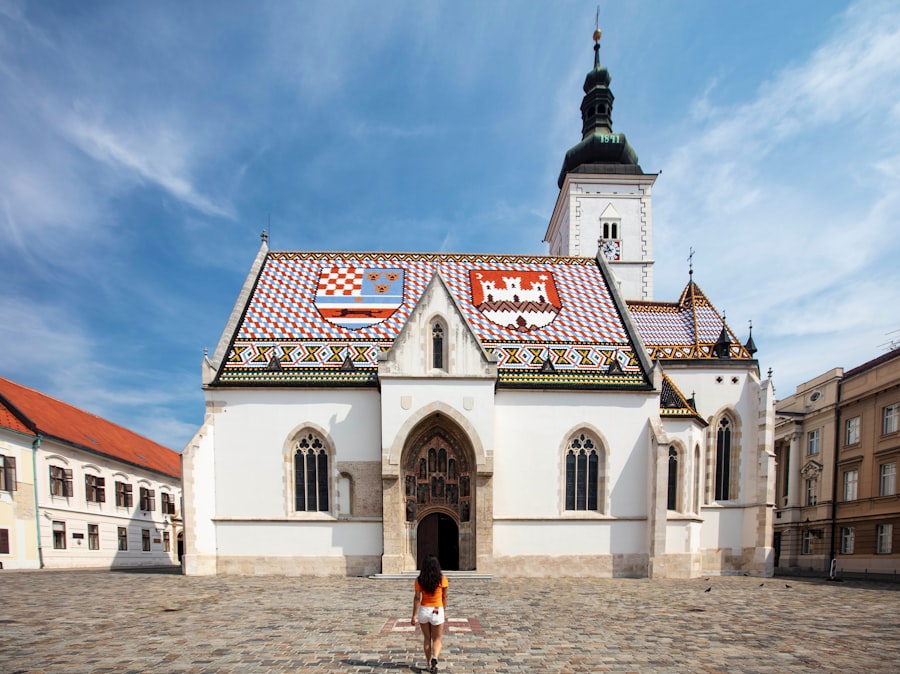
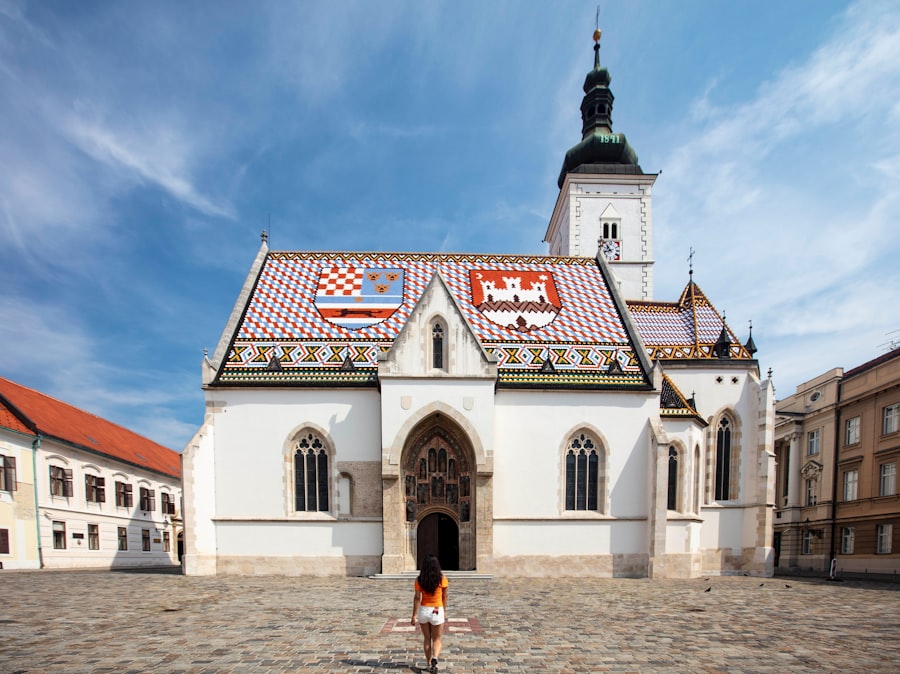
- Explore St Marks Church: Famous for its colorful tiled roof depicting the coats of arms of Croatia, Dalmatia, and Slavonia, this is the most iconic photo spot in the city.
- Visit the Museum of Broken Relationships: Located in the Upper Town, this unique museum houses personal items donated by people from all over the world, each accompanied by a story of a failed romance. It is poignant, funny, and unforgettable.
- Stroll through Dolac Market: Known as the belly of Zagreb, this open-air market is a riot of red umbrellas, fresh local produce, cheeses, and flowers. It is the perfect place to experience local life.
- Ride the Zagreb Funicular: Connecting the Upper and Lower towns, this is one of the shortest and oldest public cable railways in the world, operating since 1890.
- Relax in the Green Horseshoe: A beautiful U-shaped network of seven parks and squares in the Lower Town, featuring the Botanical Garden and grand buildings like the Art Pavilion.
Moving on to the logistical side of your trip, you will find that navigating the city is incredibly straightforward once you understand the layout and the transport system.
How to Get Around Zagreb
Zagreb is an exceptionally walkable city, and your own two feet will be your best asset when exploring the historic core. However, for longer distances, the public transportation network is highly efficient, clean, and cheap.
Mastering the Blue Trams
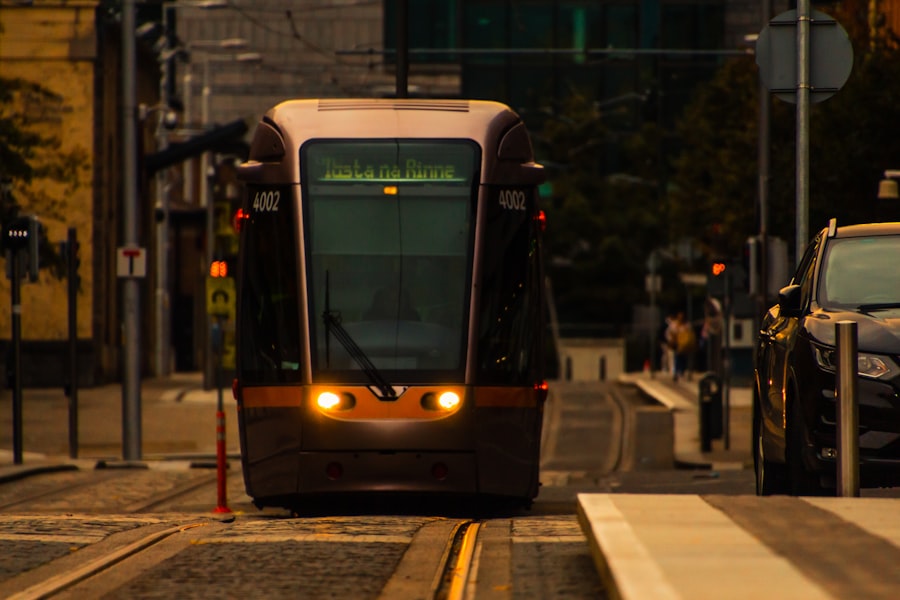
The blue tram system is the heartbeat of Zagreb. Operated by the local transport company ZET, these trams run frequently and cover almost every corner of the city. To get from the main railway station (Glavni Kolodvor) to the central square (Ban Jelacic Square), you can hop on Tram Line 6 or 13. If you are staying further out, Tram Line 11 or 12 will quickly bring you back to the center.
Using Taxis and Rideshares
If you prefer a direct ride, ridesharing apps like Bolt and Uber operate extensively throughout the city. A typical ride within the city center costs between 4 and 7 EUR. I recommend you take rideshares over unmarked street taxis to ensure transparent, flat-rate pricing.
- Tram Single Ticket (30 mins): 0.53 EUR (bought at Tisak newsstands) or 0.80 EUR (bought directly from the driver).
- Tram Daily Ticket: 3.98 EUR for unlimited rides within the central zone.
- Walking: Free, safe, and highly recommended for the Upper Town where cars are restricted.
Where to Eat and Drink in Zagreb
Now let's talk about the food. Zagreb has a thriving culinary scene that respects traditional Croatian recipes while embracing modern international trends. From hearty meat dishes to delicate pastries, your taste buds are in for a treat.
You must try Strukli, a traditional northern Croatian dish made of dough filled with cottage cheese, sour cream, and eggs. It can be baked or boiled, sweet or savory. For the best Strukli in town, head to La Struk, a cozy eatery tucked away in a quiet alley near the cathedral.
- La Struk: Specialized in traditional baked Strukli. Expect to pay around 6 to 9 EUR per portion. Highly rated on TripAdvisor with over 4,000 positive reviews.
- Pri Zvonu: A fantastic tavern located slightly outside the immediate center, offering massive portions of grilled meats, veal under the bell, and local wines.
- Heritage - Croatian Street Food: A tiny deli offering artisanal Croatian tapas, local cheeses, olive oils, and cured meats. Perfect for a quick, high-quality lunch.
- Melt: A trendy spot in the city center offering specialty coffee, healthy brunch bowls, and artisanal gelato.
Pro tip for you: Always carry a small amount of cash. While most restaurants and larger shops accept credit cards, smaller cafes, market stalls at Dolac, and bakeries often only accept cash in Euros.
Where to Stay: Best Neighborhoods
Choosing the right area to base yourself can make or break your trip. According to Booking.com availability trends for 2026, boutique hotels and renovated apartments in the city center are booking out months in advance, so early planning is highly recommended.
Donji Grad (Lower Town)
This is the best area for first-time visitors who want to be close to museums, parks, shopping, and the main train station. You will be within walking distance of Ban Jelacic Square and the beautiful Zrinjevac Park. The streets here are wide, grand, and easy to navigate.
Gornji Grad (Upper Town)
If you prefer historic charm, quiet evenings, and romantic cobblestone streets, the Upper Town is ideal. Keep in mind that this area is hilly, so you will be walking uphill or taking the funicular to get back to your accommodation after a day of sightseeing.
Kaptol
Located right next to the Upper Town, Kaptol is home to the majestic Zagreb Cathedral. It is a peaceful neighborhood with plenty of local cafes and boutique apartments, offering a slightly quieter alternative to the bustling Lower Town.
An Expert Zagreb Travel Guide 2026 Itinerary
To help you maximize your time, here is a suggested two-day itinerary designed to show you the very best of the city without rushing.
Day 1: Historic Upper Town and Culinary Delights
Start your morning at Ban Jelacic Square, the main meeting point for locals. Walk north into Dolac Market to see the bustling trade and grab some fresh fruit for breakfast. From there, head up the stone steps to Kaptol to admire the Gothic architecture of the Zagreb Cathedral.
Next, walk through the Stone Gate, the only surviving medieval gate of the old town, which now serves as an open-air shrine. Say a quiet wish, light a candle, and continue to St Marks Square to photograph the famous tiled roof. Grab lunch at La Struk, then spend your afternoon exploring the fascinating exhibits at the Museum of Broken Relationships. End your day with a scenic sunset walk along the Strossmayer Promenade, followed by dinner on Tkalciceva Street, the city's primary dining and nightlife hub.
Day 2: Lower Town Parks and Modern Culture
Begin your second day exploring the Green Horseshoe. Start at Zrinjevac Park, admiring the beautiful music pavilion and plane trees. Walk south past the Strossmayer Gallery of Old Masters down to King Tomislav Square, where the grand Art Pavilion stands.
For lunch, head to Heritage for some local tapas. In the afternoon, take a short tram ride to the Museum of Contemporary Art (MSU) in Novi Zagreb, which showcases cutting-edge Croatian and international art. If you prefer nature, take Bus 228 or 203 to Maksimir Park, a massive 18th-century English-style park featuring peaceful lakes, shaded pathways, and the Zagreb Zoo.
Essential Tips for Your 2026 Visit
Before you pack your bags, here are a few final practical details to ensure your trip runs smoothly. Our Zagreb Travel Guide 2026 recommends visiting during the spring (April to June) or autumn (September to October). During these shoulder seasons, the weather is mild, the parks are colorful, and the outdoor cafe culture is in full swing.
If you visit in December, however, you will experience Advent in Zagreb, which has repeatedly been voted one of the best Christmas markets in Europe. The entire city transforms into a winter wonderland with ice rinks, live music, and wooden huts selling mulled wine and sausages.
With its unbeatable mix of history, culture, affordable dining, and friendly locals, Zagreb is set to be one of Europe's top city break destinations in 2026. Use this Zagreb Travel Guide 2026 to plan your journey, step off the beaten path, and discover a capital city that will truly capture your heart.
Frequently Asked Questions
What is the best time to visit Zagreb in 2026?
The best time is from late spring to early autumn (May to September), when the weather is warm and festivals like the Advent in Zagreb (December) are world-famous. For 2026, expect mild summers and vibrant outdoor events.
How many days should I spend in Zagreb?
Plan for 2 to 3 days to explore the historic Upper Town (Gornji Grad), museums, and local cafes. A packed itinerary lets you see the main sights without rushing.
What are the must-see attractions in Zagreb?
Don't miss the Cathedral, St. Mark's Church with its colorful roof, and the funicular ride up to Gornji Grad. Also, explore the vibrant Tkalčićeva Street for dining and nightlife.
Is Zagreb a budget-friendly destination for travelers?
Yes, Zagreb is more affordable than many Western European capitals, with reasonably priced food, accommodation, and public transport. Street food and local pubs offer great value.
What is the best way to get around Zagreb?
The city center is walkable, but trams and buses are efficient and ticket passes are cheap. A Zagreb Card provides unlimited transport and discounts on attractions.

Isabella Conti writes in-depth travel guides that turn a new destination into familiar ground. She covers what to see, when to go and how to make the most of your time, with practical detail you can actually use.
💬 Comments (0)
No comments yet. Be the first!