Luxembourg Travel Guide 2026: Local Tips
Our complete Luxembourg Travel Guide 2026 covers free public transport, stunning valley views, and the best historic castles.
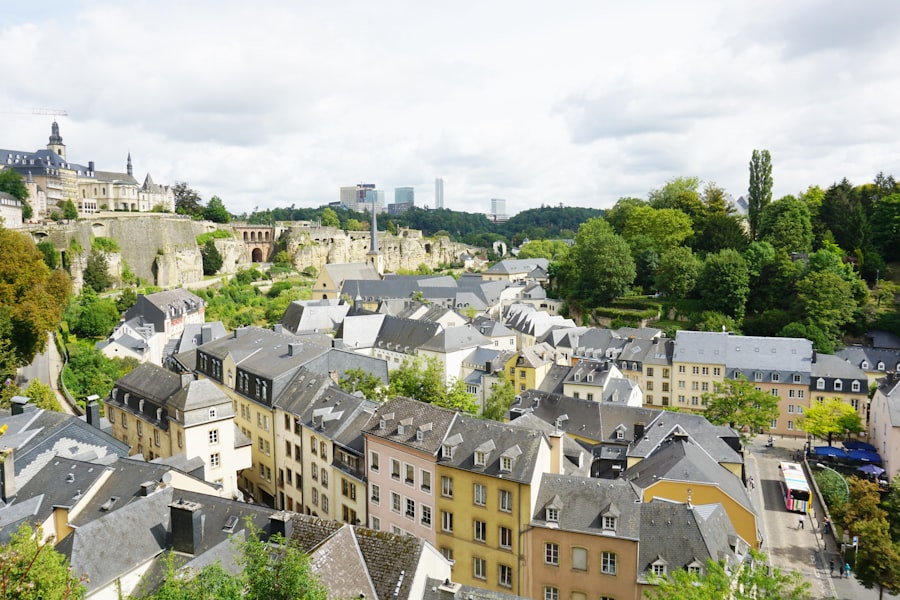
If you are planning an unforgettable European getaway, this comprehensive Luxembourg Travel Guide 2026 is your ultimate companion to navigating one of Europe's most underrated gems. Nestled quietly between Belgium, France, and Germany, this tiny grand duchy packs a massive punch when it comes to dramatic landscapes, fairytale castles, and cutting-edge modernity. In 2026, Luxembourg is cleaner, faster, and more accessible than ever before, making it the perfect destination for solo travelers, couples, and families alike.
As a travel expert who has roamed the winding cobblestone streets of this historic nation, I am thrilled to share my insider knowledge with you. From the dramatic cliffs of the capital city to the wine-growing valleys of the Moselle River, this guide will help you maximize every moment and every euro. Let us dive into everything you need to know for your upcoming adventure.
Why You Must Visit Luxembourg in 2026
Luxembourg is a fascinating study in contrasts. On one hand, it is a powerhouse of global finance and European politics, hosting major institutions of the European Union. On the other hand, it boasts pristine national parks, medieval ruins, and a rich cultural heritage that feels centuries away from the bustle of modern life.
According to the latest visitor statistics from the Luxembourg National Tourist Board, the country has seen a significant rise in sustainable tourism. Travelers are increasingly drawn to its eco-friendly initiatives, preservation of green spaces, and world-class infrastructure. Whether you want to explore ancient fortifications, hike through dense forests, or sip award-winning white wines, you will find it all here in 2026. This Luxembourg Travel Guide 2026 will ensure you do not miss a single highlight.
Where to Stay: The Best Neighborhoods
Choosing the right base can make or break your trip. Despite its compact size, Luxembourg City offers distinct neighborhoods, each with its own unique vibe and charm. If you check Booking.com availability for 2026, you will find a fantastic mix of historic boutique hotels and sleek, modern apartments.
Ville Haute (The Old Town)
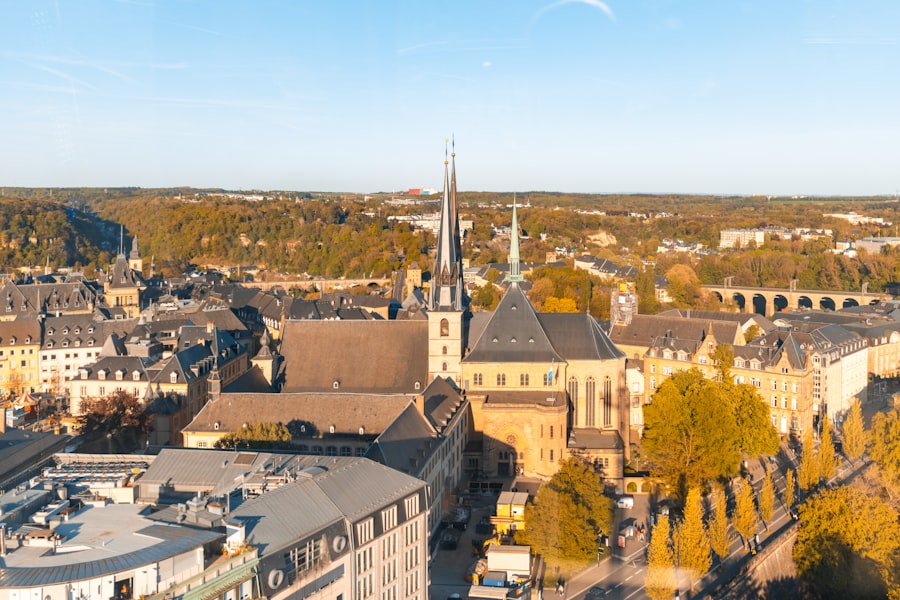
If you want to step out of your hotel and immediately find yourself surrounded by historic charm, Ville Haute is the place to be. This UNESCO World Heritage-listed area is filled with historic squares, high-end shopping streets, and iconic landmarks like the Palais Grand-Ducal. Expect to pay premium rates here, with boutique hotels ranging from 180 to 350 euros per night, but the sheer convenience of walking to everything is unmatched.
Grund and Clausen
For a more picturesque and bohemian vibe, head down into the valley to the Grund or Clausen neighborhoods. Situated along the Alzette River, these areas feature winding stone paths, historic bridges, and some of the best nightlife in the city. It is quieter during the day but comes alive at night with cozy pubs and riverside restaurants.
Kirchberg
Now let's talk about the modern side of the city. Kirchberg is the banking and European Union district. It is home to striking modern architecture, including the Philharmonie Luxembourg and the Mudam (Museum of Modern Art). While it can feel a bit quiet on weekends, hotel prices here often drop significantly on Saturdays and Sundays, making it a great budget-friendly option for smart travelers.
Money-Saving Secret: You do not need to pay for public transport anywhere in the country! Since 2020, Luxembourg has made all standard public transit completely free. This includes all trains, trams, and buses nationwide. You do not need a ticket, pass, or card; you simply hop on and hop off. This will save you a fortune as you explore!
How to Get Around the Grand Duchy
If you're wondering about the logistics of moving around, you can set your worries aside. Luxembourg has one of the most efficient, clean, and integrated transport networks in the world, and it is completely free of charge. To help you navigate like a local, I have put together this essential transit guide.
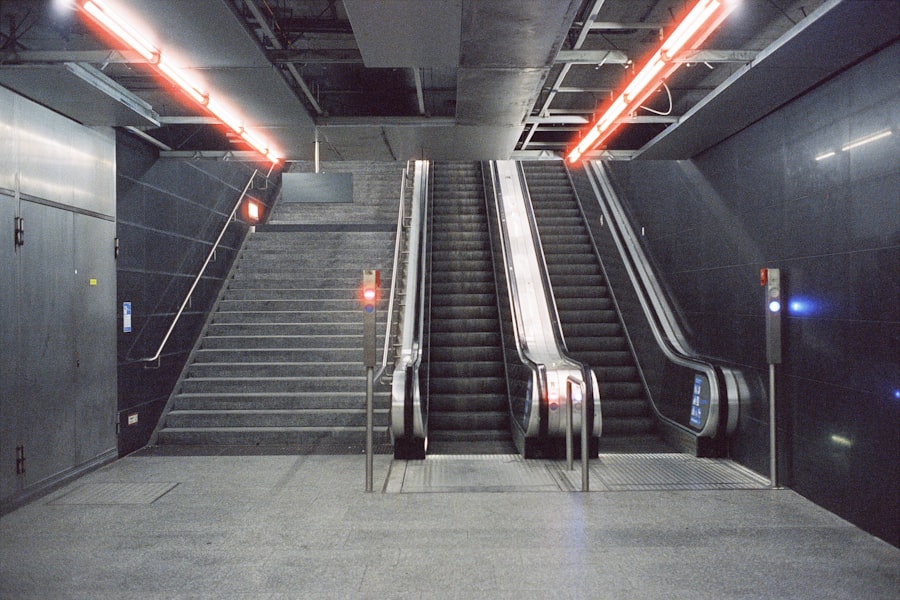
- The Tramway (T1 Line): This ultra-modern tram connects the main train station (Gare Centrale) through the historic center (Hamilius) all the way to the Kirchberg district and the Luxexpo exhibition center. Trams run every few minutes.
- National Trains (CFL): The national railway network connects Luxembourg City to charming northern towns like Clervaux and Vianden in under an hour. Trains are modern, quiet, and equipped with free Wi-Fi.
- Regional Buses: For destinations not reached by train, such as the Mullerthal region, the regional bus network is incredibly reliable. Use the Mobiliteit.lu app to plan your journeys in real-time.
Top Things to Do: Your Essential Itinerary
No Luxembourg Travel Guide 2026 would be complete without a curated list of must-see attractions. Whether you have two days or a full week, make sure these incredible spots are on your travel itinerary.
- Explore the Bock Casemates: These extraordinary underground fortifications date back to 1644. Carved directly into the solid rock cliffs, this subterranean network offers stunning views over the Alzette valley and holds a TripAdvisor rating of 4.5 stars.
- Hike the Mullerthal Trail: Often called Luxembourg's Little Switzerland, this region features dramatic rock formations, mossy forests, and roaring waterfalls. The full trail is 112 kilometers long, but you can easily do shorter day hikes.
- Visit Vianden Castle: Perched high above the Our River, this is one of the most beautiful feudal castles in Europe. Take the scenic chairlift up the mountain for a panoramic view before exploring the restored medieval rooms. Entrance fees are very reasonable at around 10 euros for adults.
- Walk the Chemin de la Corniche: Often described as "Europe's most beautiful balcony," this pedestrian promenade runs along the historic city ramparts, offering breathtaking views of the Grund valley below.
Pro tip for you: If you plan to visit Vianden Castle, take the direct train from Luxembourg Central Station to Ettelbruck, and then transfer to Bus 570. The entire journey takes just over an hour, costs absolutely nothing in transit fees, and treats you to gorgeous countryside views along the way.
Where to Eat: A Culinary Journey
Moving on to the food scene, Luxembourg is a paradise for foodies. The local cuisine is heavily influenced by French culinary finesse and hearty German portions. In 2026, you will find everything from Michelin-starred establishments to cozy, traditional taverns serving up comforting local dishes.
- Charel (Luxembourg City): Located in the heart of the city, this cozy spot is perfect for trying traditional Judd mat Gaardebounen (smoked pork collar with broad beans) or Kniddelen (soft flour dumplings served with bacon and cream). Expect to pay 20 to 30 euros for a main course.
- Chocolate House Nathalie Bonn: Situated directly opposite the Grand Ducal Palace, this is a legendary spot for dessert. Choose a chocolate spoon from dozens of flavors, dip it into hot milk, and watch the guards march past outside.
- La Distillerie (Bourglinster): If you want to splurge on a world-class dining experience, this Michelin-starred restaurant located inside an old castle is famous for its creative, plant-based tasting menus. Reservations must be booked months in advance on Booking.com or directly on their site.
Practical Tips for Your 2026 Trip
To wrap up this Luxembourg Travel Guide 2026, let us cover a few practical details to ensure your trip runs smoothly. The official languages of Luxembourg are Luxembourgish, French, and German. However, English is widely spoken by almost everyone in the tourism, retail, and hospitality industries, so you will have no trouble communicating.
The currency is the Euro. Card payments are accepted almost everywhere, from high-end restaurants to local market stalls. However, it is always a good idea to keep a few small coins on hand for public restrooms or small bakery purchases. When it comes to safety, Luxembourg is consistently ranked as one of the safest countries in the world, making it an excellent choice for solo travelers.
Whether you are admiring the medieval architecture, hiking through pristine nature, or enjoying a glass of sparkling Cremant wine, this tiny nation is bound to capture your heart. Keep this Luxembourg Travel Guide 2026 handy, pack your walking shoes, and get ready to experience one of Europe's best-kept secrets!
Frequently Asked Questions
What is the best time of year to visit Luxembourg in 2026?
May to September offers the mildest weather and vibrant outdoor festivals, though June and July bring the most crowds. For a quieter trip with scenic autumn colors, consider September or early October.
Do locals in Luxembourg speak English, or should I learn French or German?
English is widely understood in tourist areas, but locals primarily speak Luxembourgish, French, and German. Learning a few polite French or Luxembourgish phrases will greatly enhance your interaction with residents.
Is Luxembourg City easy to explore on foot, or is public transport necessary?
The old quarters and main attractions are pedestrian-friendly, but the city's steep valleys require comfortable shoes. Use the free nationwide public transport—buses, trams, and trains—for quicker connections and reaching outskirts.
What are some hidden local gems outside the capital that are worth visiting in 2026?
Don't miss the cliff-top village of Clervaux and the dramatic slate heaths at the Kochberg, often overshadowed by the city. Also, explore the serene Echternach Abbey and its mushroom-shaped cliffs in the Mullerthal region.
What local food and drink should I seek out during my trip?
Try 'Judd mat Gaardebounen' (cured pork with beans) at a rustic tavern, and wash it down with a locally made 'Henri' or 'Bofferding' beer. For dessert, sample 'Butterbrez'—a sweet pretzel from the local bakery.

Isabella Conti writes in-depth travel guides that turn a new destination into familiar ground. She covers what to see, when to go and how to make the most of your time, with practical detail you can actually use.
💬 Comments (0)
No comments yet. Be the first!