Madeira Travel Guide 2026: The Ultimate Tips
Our ultimate Madeira Travel Guide 2026 helps you discover scenic hikes, natural pools, and historic villages.
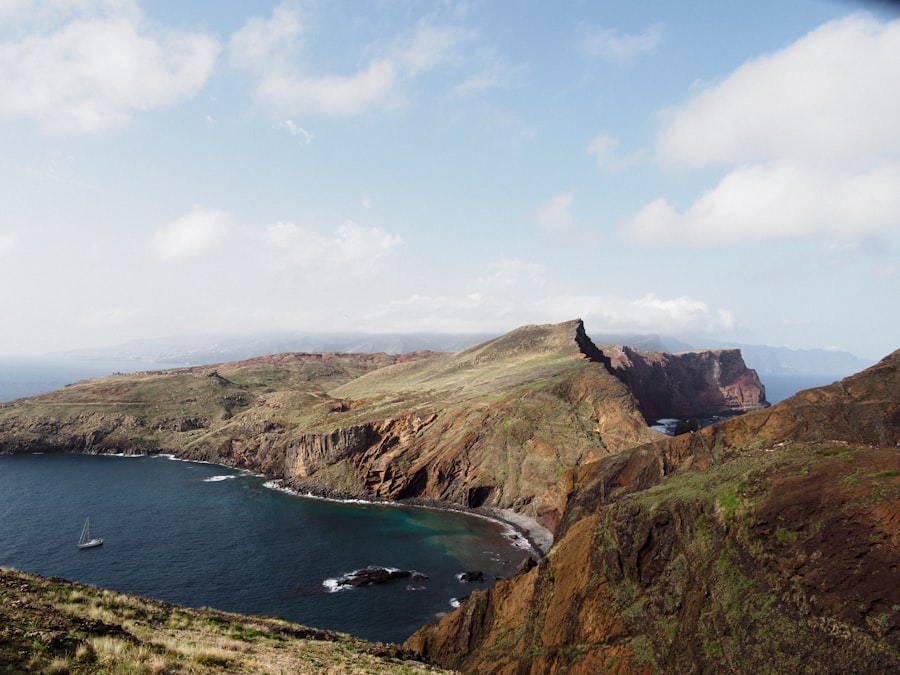
If you are planning an unforgettable island escape, this Madeira Travel Guide 2026 is your ultimate companion to navigating Portugal's breathtaking subtropical paradise. Rising dramatically from the Atlantic Ocean, this volcanic island has quickly evolved into one of Europe's most sought-after destinations. Whether you are looking to hike along historic water channels, taste world-class wine, or swim in natural volcanic pools, Madeira offers an unparalleled mix of adventure and relaxation. In this comprehensive guide, I will share the exact strategies, local secrets, and practical budgets you need to plan the perfect trip in 2026.
Why Madeira Should Be Your Top Destination in 2026
Madeira is no longer just a sleepy retirement haven. Over the last few years, it has transformed into a vibrant hub for outdoor adventurers, digital nomads, and luxury travelers alike. The island offers a unique microclimate that guarantees mild temperatures year-round, making it a perfect destination no matter which month you choose to visit.
If you check the latest traveler sentiments on TripAdvisor, you will find that Madeira consistently ranks at the top for European island destinations, particularly praised for its safety, hospitality, and dramatic hiking infrastructure. Now let's talk about how to get there and make the most of your adventure.
Where to Stay: The Best Neighborhoods in Madeira
Choosing the right base is crucial because Madeira’s microclimates mean the weather can vary drastically from one side of the island to the other. Here are the top areas to consider when searching for accommodation availability on Booking.com.
Funchal: The Vibrant Capital
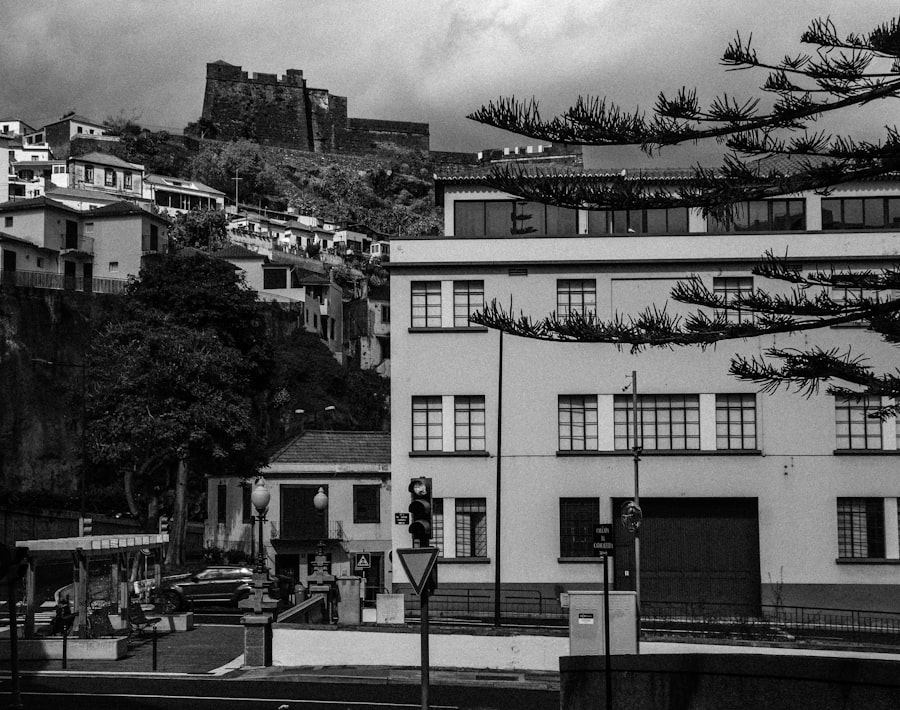
For first-time visitors, I highly recommend staying in Funchal. It is the heart of the island, offering incredible restaurants, historic architecture, and easy access to public transport. Within Funchal, the Santa Maria neighborhood (the Old Town) is perfect for those who want to walk to dinner, while the Lido area offers modern hotels with direct sea access.
Ponta do Sol: The Sunniest Escape
If your goal is to maximize your sunshine hours and enjoy a laid-back coastal vibe, Ponta do Sol is your best bet. Located on the southwest coast, this colorful village is tucked into a steep valley and is widely regarded as the sunniest spot on the island. It has become incredibly popular with digital nomads and slow travelers.
Porto Moniz: Wild and Untamed
For those who want to wake up to the sound of crashing waves and dramatic volcanic cliffs, the northwestern town of Porto Moniz is spectacular. While it is quieter in the evenings, staying here allows you to experience the famous natural swimming pools before the day-tripping tour buses arrive.
How to Get Around the Island
Navigating Madeira requires a bit of planning. While the island has built an impressive network of modern tunnels (called tunis) and expressways, the local mountain roads remain incredibly steep and winding.
To help you navigate, here is a breakdown of the best transport options to include in your Madeira Travel Guide 2026 itinerary:
- Car Rental: This is the absolute best way to see the island. To tackle the steep hills, I recommend renting a car with at least 120 horsepower or choosing an automatic transmission. Prices generally range from 35 to 70 EUR per day depending on the season.
- Horarios do Funchal (Urban Bus): Excellent for getting around the capital. A single ride costs about 1.95 EUR, or you can buy a multi-day pass for better value.
- Rodoeste and SAM (Interurban Buses): These lines connect Funchal to the rest of the island. For example, the Rodoeste Bus 80 will take you from Funchal to Porto Moniz for roughly 6 EUR, though the journey takes about 2.5 hours.
- Bolt and Taxis: Ride-sharing is highly active in Funchal and is incredibly affordable for short trips, usually costing between 5 and 10 EUR.
Traveler’s Warning: Avoid renting the cheapest, lowest-horsepower manual cars. Madeira’s terrain includes roads with gradients exceeding 30 percent. If you are not highly confident with hill starts and clutch control, paying an extra 15 EUR per day for an automatic vehicle will save you immense stress on the mountain passes.
Top Things to Do in Madeira
No Madeira Travel Guide 2026 would be complete without highlighting the absolute bucket-list experiences you must prioritize. The island offers a diverse landscape that transitions from dense, prehistoric laurel forests to dramatic, dry coastal peninsulas within a 40-minute drive.
Here are the top experiences you cannot miss during your 2026 trip:
- Hike the Pico do Arieiro to Pico Ruivo Trail: This challenging 11-kilometer hike connects the island's highest peaks. You will literally walk above the clouds. Plan to start at sunrise for the most breathtaking views.
- Explore the Levada Walks: These historic irrigation channels crisscross the island. The Levada das 25 Fontes and Levada do Caldeirao Verde offer relatively flat but stunning hikes through lush green valleys and past roaring waterfalls.
- Swim in the Porto Moniz Volcanic Pools: Formed by cooling lava, these natural saltwater pools are filled by the ocean tide. Entry is highly affordable at just 3 EUR per person.
- Ride the Funchal Cable Car to Monte: Enjoy panoramic views of the bay as you ascend to Monte, then take the traditional wicker toboggan sled run back down to the city.
- Watch the Sunset at Cabo Girao: Stand on one of the highest cliff skywalks in Europe, featuring a glass floor suspended 589 meters above the ocean.
Moving on to another essential aspect of your trip planning, let's look at the financial side of visiting this Portuguese gem. According to data from the official Madeira Tourism Board, tourism infrastructure has expanded significantly for 2026, meaning you will find excellent value for money compared to mainland European hotspots.
Where and What to Eat: Madeira’s Culinary Highlights
Madeiran cuisine is simple, fresh, and incredibly flavorful. Because it is an island, seafood dominates the menus, but meat lovers will also find iconic traditional dishes to enjoy.
When dining out, make sure to seek out these traditional specialties at local taverns:
- Espetada Madeirense: Tender chunks of beef seasoned with garlic and salt, skewered on bay leaf branches, and grilled over open wood fires. Expect to pay 12 to 18 EUR at a traditional steakhouse.
- Filete de Espada (Scabbard Fish): A deep-sea fish with a delicate white texture, traditionally served fried with sweet local bananas and passion fruit sauce.
- Bolo do Caco: A warm, circular flatbread made with sweet potato flour, served dripping with garlic butter and parsley. It is the perfect appetizer and usually costs under 3.50 EUR.
- Poncha: The island’s signature alcoholic drink, freshly mixed using sugar cane aguardente, honey, and fresh lemon or passion fruit juice. A glass at a local bar should only cost 2.50 to 4 EUR.
Pro tip for you: If you are looking for the absolute best poncha on the island, skip the touristy bars in central Funchal. Instead, head to the small village of Serra de Agua and visit Taberna da Poncha. They prepare the drink traditionally right in front of you, served alongside local peanuts and lupin beans.
Smart Budgeting Tips for Your 2026 Trip
If you're wondering about how much to budget for your adventure, Madeira remains highly accessible. A budget traveler can easily get by on 60 EUR per day by utilizing public buses and eating at local snack bars (called tascas). A mid-range budget of 130 to 180 EUR per day will cover a comfortable rental car, a charming boutique hotel, and wonderful dinners with wine.
To get the best value, I highly recommend booking your flights and accommodation at least four to six months in advance, especially if you plan to visit during the famous Flower Festival in May or the world-renowned New Year's Eve fireworks display in Funchal.
Final Thoughts on Planning Your Adventure
As you wrap up your planning with this Madeira Travel Guide 2026, remember that the true magic of this island lies in its slow pace of life. Do not rush your itinerary. Leave room to stop at roadside viewpoints (miradouros), sip espresso at quiet village cafes, and simply watch the clouds roll over the green peaks.
With its modern road network, safe environment, and unparalleled natural beauty, Madeira is guaranteed to be one of the highlight destinations of your travels. Pack your sturdiest hiking boots, a waterproof jacket, and your sense of adventure—the island of eternal spring is waiting for you.
Frequently Asked Questions
What is the best time to visit Madeira in 2026?
The best time is between April and June or September and October, when weather is mild and crowds are thinner. Summer (July-August) is warmer but busiest, while winter is cooler but still pleasant.
Do I need a rental car to explore Madeira?
Yes, a rental car is highly recommended for accessing remote trails and viewpoints, though public buses serve main towns. Roads are winding, so consider a small car for easier navigation.
What are the must-see attractions in Madeira for 2026?
Top sights include Pico do Arieiro for sunrise views, the Laurisilva Forest's levada hikes, and the cable car to Monte for toboggan rides. Also don't miss the cliffs at Cabo Girão and the volcanic pools of Porto Moniz.
Is Madeira expensive for travelers?
Madeira is relatively affordable compared to mainland Portugal, with moderate costs for food and lodging. Expect to pay around €50-80 per night for mid-range hotels, and about €10-15 for a typical meal.
What should I pack for a trip to Madeira in 2026?
Pack layers, waterproof jackets, and sturdy walking shoes for changeable weather and hikes. Also bring sunscreen, a hat, and a reusable water bottle for sunny days and trail exploration.
Isabella Conti writes in-depth travel guides that turn a new destination into familiar ground. She covers what to see, when to go and how to make the most of your time, with practical detail you can actually use.
💬 Comments (0)
No comments yet. Be the first!