Trieste Travel Guide 2026: Ultimate Tips
Plan a perfect trip to Italy's border city with our Trieste Travel Guide 2026, featuring top spots and local tips.
If you are planning an unforgettable Italian getaway, this Trieste Travel Guide 2026 is your ultimate companion to exploring one of Europe's most underrated coastal destinations.
Often bypassed by tourists rushing toward Venice or neighboring Croatia, Trieste is a magnificent border city that blends grand Austrian architecture, Italian coffee culture, and Slovenian maritime history. In 2026, the city is more vibrant than ever, offering a unique crossroads of cultures that you will not find anywhere else in Italy. Let us dive into everything you need to plan your perfect trip this year.
Why You Must Visit Trieste in 2026
Trieste occupies a narrow strip of land between the Adriatic Sea and the rugged Karst plateau. For centuries, it served as the main seaport for the Austro-Hungarian Empire. This historic legacy has left the city with majestic neoclassical buildings, sweeping plazas, and a distinct central European atmosphere.
According to recent visitor statistics from the Friuli Venezia Giulia official tourism board, Trieste has seen a steady rise in sustainable tourism initiatives. In 2026, the city has expanded its pedestrian zones and upgraded its public transit systems, making it incredibly easy and eco-friendly to navigate. Whether you are a history buff, a coffee lover, or an outdoor adventurer, this city will captivate your senses.
Top Things to Do in Trieste
If you are wondering about how to spend your days in this coastal gem, there is no shortage of incredible sights. I recommend you take at least three days to fully absorb the relaxed pace of life here.
Here is my curated list of the absolute top things to do:
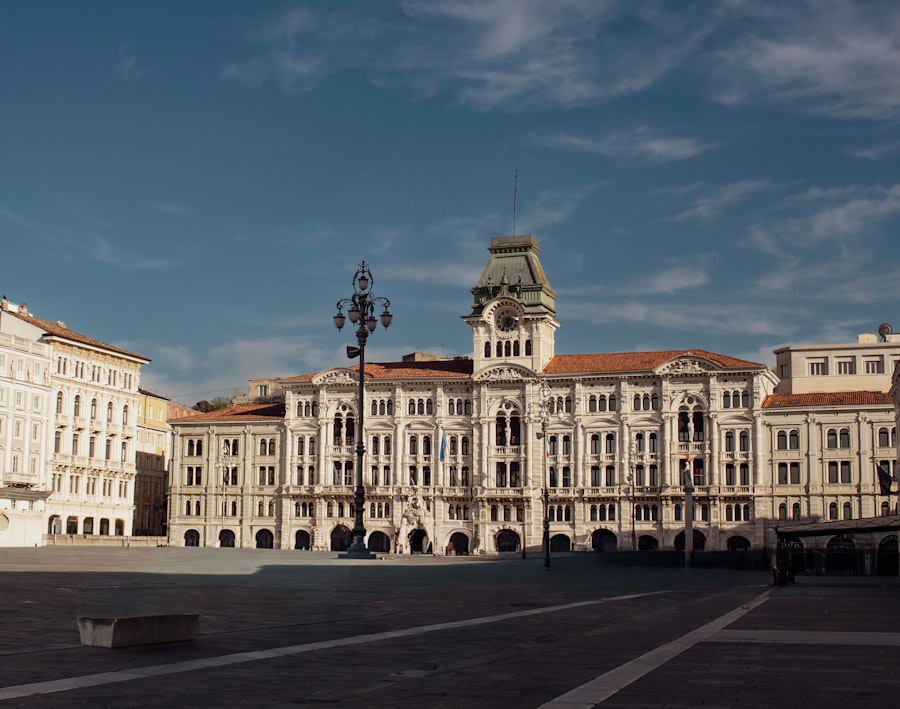
- Piazza Unita d Italia: This is Europe's largest sea-facing public square. Stand in the center and admire the grand government palaces, which light up beautifully after sunset.
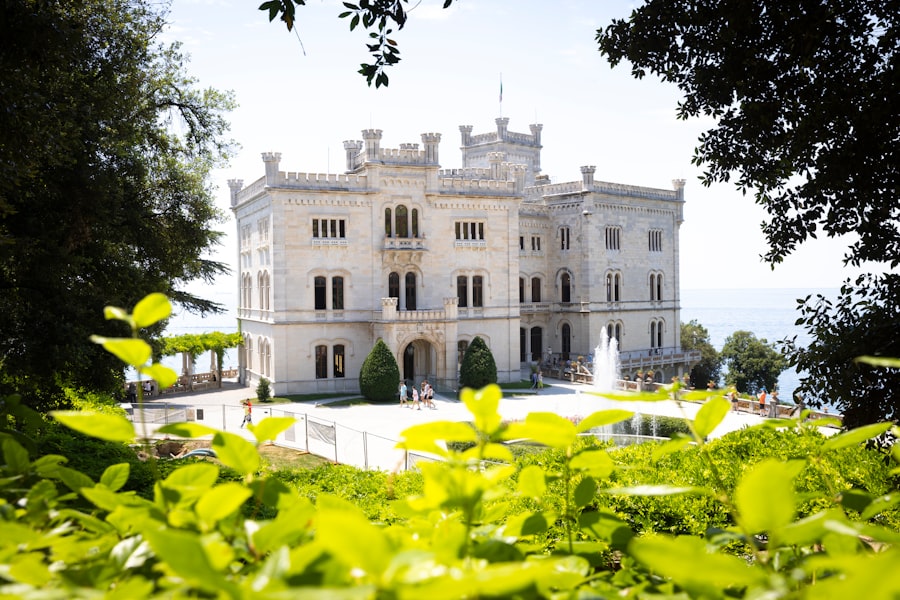
- Miramare Castle: Located just north of the city, this 19th-century white cliffside castle was built for Archduke Maximilian of Austria. The surrounding botanical park is free to enter.
- San Giusto Cathedral and Castle: Climb the hill of San Giusto for panoramic views of the entire gulf of Trieste, the ancient Roman theater ruins, and the historic fortress.
- The Historic Cafes: Spend an afternoon sipping espresso at Caffe San Marco or Caffe degli Specchi, historic hubs where famous writers like James Joyce once wrote their masterpieces.
- The Giant Cave (Grotta Gigante): Take a short bus ride out of the city center to explore one of the largest tourist caves in the world, a massive underground cavern.
Money-Saving Secret: Do not buy individual tickets if you plan on visiting multiple museums. Purchase the FVGcard (the official regional tourism pass) for 2026. It costs around 30 Euros for a 48-hour pass and grants you free entry to Miramare Castle, the San Giusto museum, and even provides discounts on local public transport lines.
How to Get Around the City
Now let us talk about navigating your way through Trieste. The city center is highly walkable, but you will need to rely on public transit or local ferries to reach some of the outlying castles and hilltop viewpoints.
Here are the best ways to get around:
- The Local Bus Network (TPL FVG): This is the most reliable way to travel. Bus Line 6 will take you directly from the central train station to the beach area of Barcola and Miramare Castle. Single tickets cost 1.45 Euros and must be purchased at newsstands or via the local transit app before boarding.
- The Delfino Verde Ferry: This local passenger boat connects the main harbor (Molo Audace) with the charming coastal town of Muggia and the rocky beaches of Sistiana. It operates heavily during the spring and summer of 2026, with tickets costing around 5 to 8 Euros round-trip.
- Walking: Most historic neighborhoods, including the old Jewish Ghetto and the Borgo Teresiano canal area, are entirely pedestrianized. Pack comfortable walking shoes because the historic stone streets can be slippery.
Pro tip for you: If you want an authentic local experience, try to take the historic Opicina Tramway if it is operating. If maintenance is ongoing during your 2026 visit, take Bus Line 2 or 4 up to the Obelisco stop instead. From there, you can walk the scenic Strada Napoleonica, a flat clifftop trail offering breathtaking views of the blue Adriatic below.
Where to Eat: A Culinary Crossroads
Trieste's cuisine is completely different from what you will find in Rome or Florence. Here, Italian pasta shares the menu with Austrian goulash, Central European sauerkraut, and fresh Adriatic seafood. This Trieste Travel Guide 2026 would not be complete without highlighting where to satisfy your appetite.
I highly recommend you try these local dining spots and traditional dishes:
- Buffet Da Pepi: This legendary local eatery has been serving traditional boiled pork meats, sauerkraut, and hot mustard since 1897. It is a meat lover's paradise where a hearty plate costs around 12 to 18 Euros.
- Osteria Salvagente: Located near the waterfront, this cozy osteria is the perfect spot for affordable, fresh seafood. Try the sardoni barcolani (fried anchovies) and the black cuttlefish risotto.
- Gelateria Zampolli: For dessert, head to this local favorite. It is famous for its massive selection of creamy gelato flavors, usually costing under 3 Euros for a generous double scoop.
- Chimera di Bacco: If you are looking for an upscale, romantic dinner, this restaurant in the historic Ghetto neighborhood offers modern interpretations of classic regional seafood dishes.
Where to Stay: Neighborhood Guide
Moving on to accommodation, choosing the right neighborhood is key to enjoying your stay. Before booking, check Booking.com availability early, especially if you plan to visit during the famous Barcolana regatta in October, when hotel rooms sell out months in advance.
Borgo Teresiano
Built by Empress Maria Theresa of Austria, this neighborhood features a grid-like layout centered around the beautiful Canal Grande. It is highly convenient, located just a five-minute walk from the central train station. You will find plenty of modern boutique hotels and trendy cocktail bars here.
San Giusto and Cavana
If you prefer historic charm, narrow cobblestone alleys, and medieval architecture, search for apartments in the Cavana district. This area is mostly pedestrian-only, filled with artisan shops, organic wine bars, and cozy cafes. It is highly recommended for couples and solo travelers.
Barcola
For those visiting in the warm summer months of 2026, Barcola is the place to be. This seaside promenade neighborhood lies just north of the city center. While there are fewer hotels here, staying in a local guesthouse allows you to wake up, cross the street, and dive straight into the clear waters of the Adriatic Sea.
Essential Tips for Your 2026 Visit
If you are wondering about the local customs, there are a few quirks you should know. When ordering coffee in Trieste, do not use standard Italian terms. If you want an espresso in a small glass, ask for a "capo in b." If you want a regular espresso, ask for a "nero."
Additionally, be prepared for the Bora wind. This powerful, cold katabatic wind can blow at speeds exceeding 120 kilometers per hour, particularly in the autumn and winter months. The city has handrails installed along some steep streets to help pedestrians stay upright during extreme gusts!
According to excellent TripAdvisor ratings, the city has maintained its reputation as one of the safest urban areas in Italy, making it perfect for night walks along the illuminated Molo Audace pier.
Conclusion
Trieste is a city that rewards slow exploration. It does not shout for attention, but rather whispers its rich history, literary romance, and maritime beauty to those who take the time to visit. I hope this Trieste Travel Guide 2026 helps you navigate the historic streets, taste the incredible
Visit in May-June or September-October when temperatures are mild (15-25°C) and tourist numbers drop, avoiding the packed July-August peak. Basic Italian helps, but many locals in the city center speak English or German, and signage is often bilingual, so you'll manage fine with English. Don't miss Piazza Unità d'Italia, the Miramare Castle by the sea, and a coffee ritual at one of the historic cafes like Caffè San Marco. The historic center is compact and easily walkable, but for Miramare Castle or the Karst plateau, use frequent buses or the local train. Try 'brodeto' (fish stew) and 'jota' (bean and sauerkraut soup), but don't skip trio-style coffee and the iconic 'presnitz' pastry for dessert.Frequently Asked Questions
What is the best time to visit Trieste in 2026 for good weather and fewer crowds?
Do I need to speak Italian to get around Trieste as a tourist?
What are the must-see attractions not to miss in Trieste for a first-time visitor?
Is Trieste a walkable city, or should I rely on public transport?
What local dish or food specialty should I try when dining in Trieste in 2026?

Isabella Conti writes in-depth travel guides that turn a new destination into familiar ground. She covers what to see, when to go and how to make the most of your time, with practical detail you can actually use.
💬 Comments (0)
No comments yet. Be the first!