Verona Travel Guide 2026: Local Tips
Our comprehensive Verona Travel Guide 2026 helps you discover the best local sights, ancient ruins, and romantic spots.
If you are planning an unforgettable Italian getaway, this Verona Travel Guide 2026 is your ultimate companion to navigating one of the most romantic cities in the world. Often overshadowed by its neighbor Venice, Verona offers an enchanting mix of Roman history, medieval architecture, and vibrant culinary scenes without the overwhelming canal crowds. In 2026, the city is more accessible and exciting than ever, especially as it prepares to host major events for the Milano-Cortina Winter Olympics. Whether you are a solo backpacker, a couple on a romantic weekend, or a family exploring the Veneto region, this guide will help you navigate the city like a local.
Why You Must Visit Verona in 2026
Verona has always been famous as the setting for Shakespeare’s Romeo and Juliet, but there is so much more to this UNESCO World Heritage site. From the colossal Roman Arena to the winding Adige River, every corner of this city tells a story. In 2026, Verona is upgrading its infrastructure, making it easier than ever to explore. According to recent data from the official Verona Tourism Board, the city has expanded its pedestrian zones and introduced eco-friendly public transit options to accommodate the influx of global travelers. You will find that the city successfully balances its ancient charm with modern, sustainable travel conveniences.
Top Things to Do in Verona
To make the most of your trip, you should plan your itinerary around a mix of iconic historical sites and lesser-known local neighborhoods. There is a wealth of culture waiting for you here, and having a structured plan will save you both time and money.
If you're wondering about the absolute must-see attractions, here is a curated list to get you started:
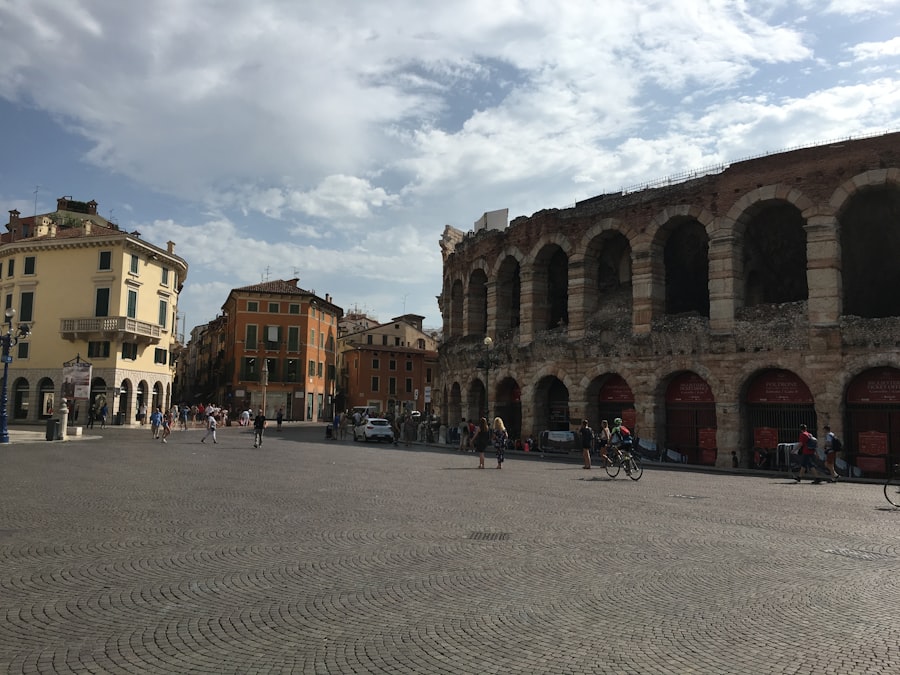
- The Verona Arena (Arena di Verona): This first-century Roman amphitheater is older than the Colosseum in Rome and is still used today. If you visit between June and September, I recommend you take the time to book an opera ticket. It is an unmatched sensory experience.
- Juliet’s House (Casa di Giulietta): While the connection to Shakespeare's fictional character is symbolic, the thirteenth-century gothic palace is a sight to behold. To avoid the massive crowds, try to visit before 9:00 AM or after 6:00 PM.
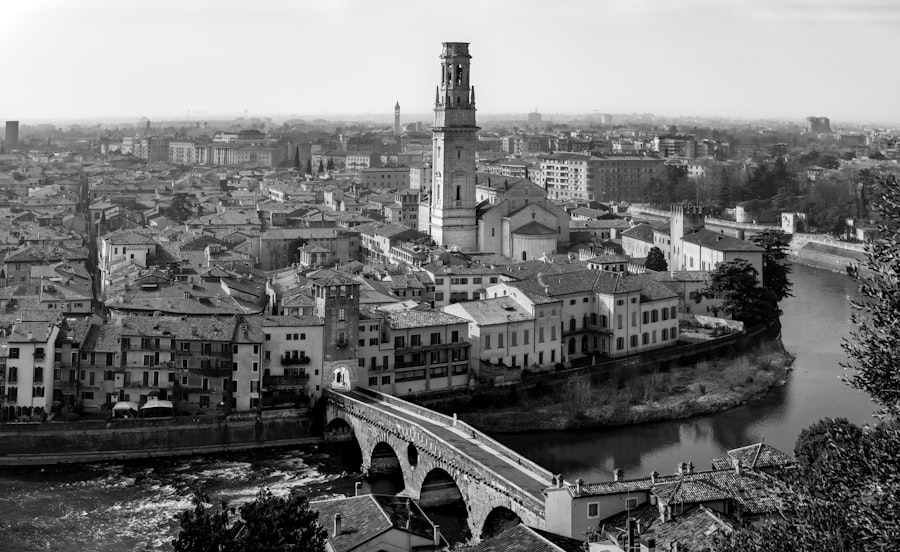
- Castelvecchio and Ponte Scaligero: This red-brick fortress offers a dramatic look into Verona's medieval military history. Walk across the fortified bridge at sunset for some of the best photo opportunities in the city.
- Piazza delle Erbe and Piazza dei Signori: These adjacent squares are the beating heart of Verona. Piazza delle Erbe hosts a daily market surrounded by historic frescoed buildings, while Piazza dei Signori offers a quieter, more aristocratic atmosphere featuring a statue of Dante Alighieri.
- Giardino Giusti: Located across the river, these late-Renaissance gardens offer peaceful manicured terraces, maze-like hedges, and a stunning panoramic view of the city skyline.
Traveler's Warning: Do not buy your Verona Arena opera tickets from unauthorized street vendors or unofficial secondary ticket websites. Always use the official Arena di Verona ticket portal or verified platforms with high TripAdvisor ratings to avoid counterfeit tickets and highly inflated prices.
Where to Eat: From Osterias to Fine Dining
Now let's talk about the incredible food scene in Verona. Veronese cuisine is hearty, rich, and deeply tied to the agricultural traditions of the Veneto region. You will find that local menus feature unique dishes like Pastissada de Caval (horse meat stew), Risotto all'Amarone (risotto cooked with the region's famous red wine), and Bigoli (thick, fresh pasta served with a variety of rich sauces).
To help you navigate the culinary landscape, here are some highly recommended dining spots that locals love:
- Osteria al Duomo: Located near the Verona Cathedral, this traditional spot offers authentic local dishes at reasonable prices. Expect to pay around 12 to 18 Euros for a hearty main course. It is highly rated on TripAdvisor for its warm service and traditional live music nights.
- Trattoria Pane e Vino: Tucked away in a quiet alley, this cozy restaurant is famous for its hand-rolled bigoli pasta and an extensive list of Valpolicella and Amarone wines. Dinner for two usually ranges from 50 to 80 Euros.
- Antica Bottega del Vino: A historic institution in Verona. While it is on the pricier side, with mains starting around 25 Euros, the historic wine cellar and upscale atmosphere make it a must-visit for wine enthusiasts. Booking.com hotel listings in the city center often recommend this spot to travelers seeking a premium local dining experience.
- Gelateria Ponte Pietra: After a long day of walking, grab a scoop of artisanal gelato here. Take your cone and sit on the ancient stone bridge for a perfect afternoon break. Expect to pay 3 to 5 Euros for a generous serving.
How to Get Around Verona Effortlessly
Moving on to logistics, navigating Verona is incredibly straightforward. The city center is compact and highly pedestrianized, meaning your own two feet will be your best mode of transport. However, you will need to understand the transit system when arriving or departing.
Here is a practical breakdown of how to navigate the city's transport network:
- ATV City Buses: The Azienda Trasporti Verona (ATV) operates an efficient bus network. Bus Lines 11, 12, and 13 run directly from the main train station, Verona Porta Nuova, to the historic center (Piazza Bra) in about 10 minutes. A single ticket costs 1.50 Euros if purchased at a tobacconist (Tabaccheria) or 2.00 Euros if bought directly on the bus.
- The Verona Card: This is a massive money-saver. Available in 24-hour (20 Euros) or 48-hour (25 Euros) options, this card grants you free access to the Arena, Juliet's House, Castelvecchio, and several historic churches, while also allowing unlimited free travel on all ATV city bus lines.
- Biking and Bike Sharing: Verona features a fantastic bike-sharing service called Verona Bike. With numerous stations across the city, you can easily rent a traditional or electric bike for a few Euros per hour using their official mobile application.
- Walking: Most major attractions are within a 15-minute walk of each other. Just ensure you wear comfortable, flat shoes, as the historic streets are paved with historic, uneven cobblestones.
Arriving in Verona
If you are flying in, the Verona Villafranca Airport (VRN) is located just 10 kilometers southwest of the city. You can take the Aerobus shuttle, which runs every 20 minutes directly to the Verona Porta Nuova railway station for 6.00 Euros. Alternatively, a taxi ride will cost you a flat rate of approximately 25 to 30 Euros depending on the time of day.
Finding the Right Neighborhood to Stay
If you're wondering about where to book your accommodation, your choice will depend on your budget and travel style. For first-time visitors reading this Verona Travel Guide 2026, staying in the Centro Storico (Historic Center) is ideal because you will be steps away from the Arena and major plazas. However, if you want a quieter, more bohemian vibe, look for hotels or apartments in Veronetta, located just across the Adige River. This student-friendly neighborhood offers trendy bars, budget-friendly eateries, and excellent Booking.com availability for boutique guesthouses.
Pro Tips for an Unforgettable Veronese Experience
Pro tip for you: To truly experience Verona like a local, you must participate in the ritual of the evening "Aperitivo." Around 6:00 PM, head to the Piazza delle Erbe, find an outdoor table, and order a classic Aperol Spritz or a glass of local Soave white wine. The drink will usually be served with a small plate of olives, potato chips, and local cheeses. It is the perfect way to unwind, people-watch, and soak in the vibrant Italian atmosphere before heading out for a late dinner.
Another insider secret is to skip the crowded climb up the Lamberti Tower if you are on a budget. Instead, take a scenic 15-minute walk up the steps behind the Roman Theater to Castel San Pietro. The climb is completely free, and the hilltop terrace offers the most breathtaking, panoramic view of Verona, especially as the sun sets over the red-tiled roofs of the historic center.
Verona Travel Guide 2026: Your Final Checklist
As you finalize your travel plans, keep in mind that Verona is a year-round destination, but spring (April to June) and autumn (September to October) offer the most pleasant weather for exploring. Summer brings high temperatures and peak tourist crowds due to the famous opera festival, while winter offers a peaceful, romantic atmosphere with charming Christmas markets filling the main squares in December.
By following this Verona Travel Guide 2026, you are fully equipped to navigate the transport systems, enjoy the best local dishes, and discover the hidden gems of this historic Italian jewel. Pack your comfortable walking shoes, secure your Verona Card, and get ready to fall in love with one of Italy's most captivating destinations.
Frequently Asked Questions
What is the best time to visit Verona in 2026?
Visit in April-May or September-October for mild weather and fewer crowds. Summer is hot but Opera season adds magic.
How can I skip long lines at Verona's must-see landmarks?
Purchase skip-the-line tickets for Juliet's House and the Arena in advance. Use early morning or arvo slots to dodge peak crowds.
What regional foods should I not miss in Verona?
Try Bigoli pasta, pastissada de caval, and risotto with Amarone wine. End with pearà sauce on boiled meat for a local twist.
Is Verona easy to explore without a car?
Absolutely, the historic center is very walkable and public buses reach key sights. For Valpolicella wine towns, hire a bike or take local wine tours.
What are local gems beyond the usual tourist trail in Verona?
Visit the hidden botanical garden Giardino Giusti's terrace for city panoramas. Also, peek into the San Zeno Basilica crypt for artistry away from tourist buzz.

Isabella Conti writes in-depth travel guides that turn a new destination into familiar ground. She covers what to see, when to go and how to make the most of your time, with practical detail you can actually use.
💬 Comments (0)
No comments yet. Be the first!