Cologne Travel Guide 2026: Local Tips
Plan your ultimate German getaway using our expert Cologne Travel Guide 2026, packed with local tips and sights.
If you are planning an unforgettable European getaway this year, this Cologne Travel Guide 2026 is your ultimate roadmap to exploring Germany's oldest and most vibrant major city. Cologne, or Koln as the locals call it, is a destination where ancient Roman history blends seamlessly with a modern, bohemian lifestyle. Situated on the banks of the mighty Rhine River, this city is famous for its towering cathedral, its unique beer culture, and a local population that is incredibly welcoming to international visitors. Whether you are a history buff, an art lover, or a foodie, Cologne has something spectacular waiting for you in 2026.
In this comprehensive guide, we will unpack everything you need to know to navigate the city like a local. We will cover the best neighborhoods to base yourself in, how to master the public transit system, where to find the absolute best local food, and how to avoid the typical tourist traps. Let us dive into the magic of Cologne so you can start planning your dream itinerary.
Why Cologne is the Ultimate 2026 Destination
Cologne has undergone an exciting cultural renaissance over the last few years, making 2026 the absolute perfect time to visit. While cities like Munich and Berlin often steal the spotlight, Cologne offers a much more intimate and authentic German experience. According to recent data from the official Cologne Tourism Board, the city has seen a significant rise in eco-friendly boutique accommodations and pedestrian-friendly zones, making it easier than ever to explore on foot or by bicycle.
Moving on to the cultural calendar, 2026 brings an array of restored museum exhibits, upgraded river cruises, and vibrant street festivals. The city is alive with energy, yet it retains its laid-back, welcoming charm. You will find that the locals, known for their "Kolsch" attitude, are incredibly helpful and always down for a friendly chat over a cold glass of local brew.
How to Get Around Cologne
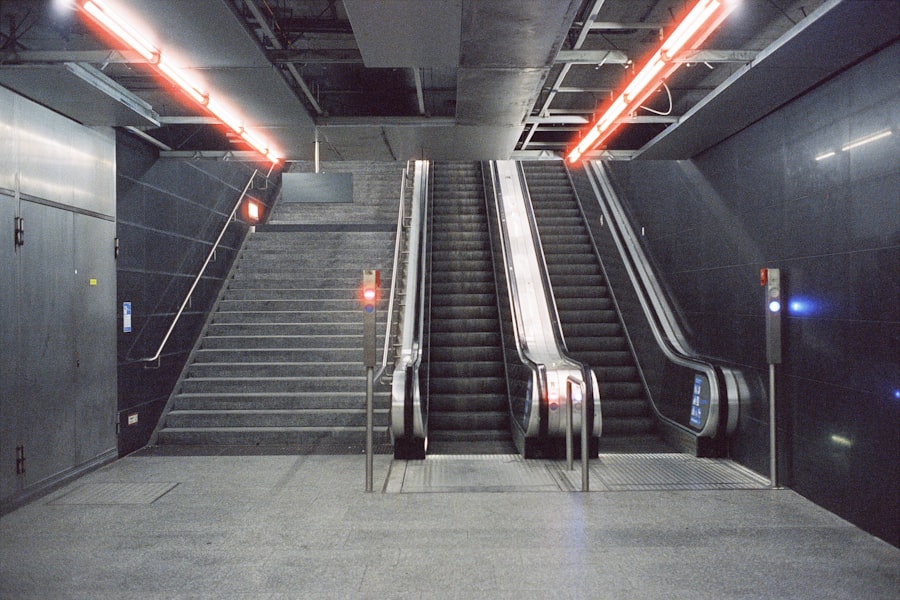
If you are wondering about getting from point A to point B, you can rest easy. Cologne boasts one of the most efficient and straightforward public transportation networks in Europe. The system is run by the KVB and consists of U-Bahn (underground subways), S-Bahn (suburban trains), and buses. You will rarely need to rely on expensive taxis during your stay.
To help you navigate like a pro, here is a quick breakdown of how to get around the city:
- The S-Bahn Line S19: This is your direct link from the Cologne Bonn Airport (CGN) to the Cologne Central Station (Koln Hauptbahnhof). The journey takes just 15 minutes and costs around 4.50 Euros for a single ticket.
- U-Bahn Lines 1, 7, and 9: These lines are highly useful for tourists, connecting the central shopping districts to the trendy Belgian Quarter and the Deutz area across the river.
- The KolnCard: I highly recommend you purchase a KolnCard from the official tourism office or via your smartphone. It costs under 15 Euros for 24 hours and gives you unlimited travel on all public transit, plus up to 50 percent off at major museums and attractions.
- Biking with KVB Rad: Cologne is highly bike-friendly. You can rent a city bike using the KVB app for just 1 Euro per 15 minutes, which is perfect for riding along the scenic Rhine promenade.
Traveler’s Warning: Never board a train or U-Bahn without validating your ticket first. Plainclothes transit officers frequently patrol the lines, and they will fine you 60 Euros on the spot with absolutely zero leniency for tourists who claim they did not know the rules.
Top Things to Do in Cologne
Now let us talk about the incredible sights that await you. While it is easy to get distracted by the beautiful streets, there are several absolute must-see landmarks that deserve a spot on your itinerary. This Cologne Travel Guide 2026 highlights the perfect mix of historic icons and modern hotspots.
The Majestic Cologne Cathedral (Kolner Dom)
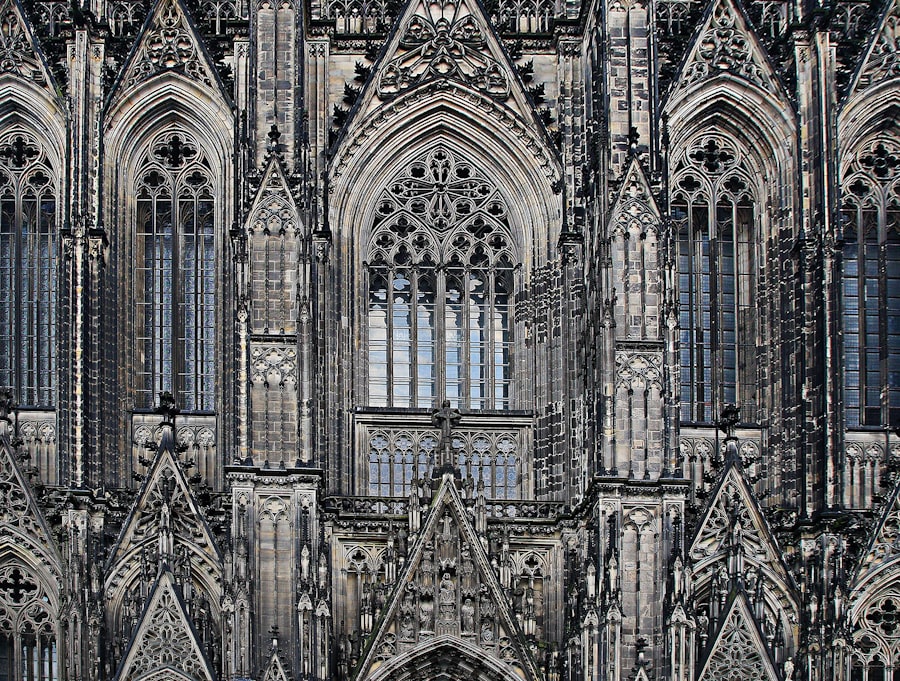
You cannot miss this architectural masterpiece, quite literally, as its twin spires dominate the city skyline. Located right next to the central train station, this Gothic cathedral is a UNESCO World Heritage site and Germany's most visited landmark. It is free to enter the main chapel, but I recommend paying the small 6 Euro fee to climb the 533 steps of the South Tower. The panoramic view of the Rhine and the city below is worth every single drop of sweat.
The Romantic Hohenzollern Bridge
Just a short walk from the cathedral is the famous Hohenzollern Bridge, covered in hundreds of thousands of colorful padlocks left by couples from all over the world. Walking across this bridge at sunset offers one of the most photogenic views in Germany. If you look at high-rated itineraries on TripAdvisor, a stroll across this bridge to the Deutz viewpoint is consistently ranked as a top free activity in the city.
The Historic Altstadt (Old Town)
Cologne's Old Town is a charming maze of cobblestone streets, colorful historic houses, and bustling squares like the Alter Markt and Heumarkt. While much of the city was rebuilt after World War II, the Altstadt retains its historic charm. It is the perfect place to sit outside, people-watch, and enjoy the unique local atmosphere.
To help you organize your sightseeing days, here is a quick list of top experiences to tick off your list:
- Climb the South Tower of the Cathedral: Get your daily workout and capture stunning panoramic photos of the skyline.
- Visit the Chocolate Museum (Schokoladenmuseum): Located on the harbor, this museum offers an interactive look at the history of cocoa, complete with a massive chocolate fountain you can taste from.
- Take a Rhine River Cruise: Board a one-hour panoramic boat tour near the Old Town to see the city's landmarks from a completely different perspective.
- Explore the Museum Ludwig: A world-class modern art museum housing one of the largest Picasso collections in Europe, located just behind the cathedral.
Where to Eat and Drink: Cologne Food Culture
If you're wondering about the local culinary scene, prepare yourself for hearty, comforting German dishes and a very specific beer culture. In Cologne, beer is not just a drink; it is a way of life. The local brew is called Kolsch, a light, crisp, top-fermented beer served in traditional, narrow 0.2-liter glasses called "Stangen."
Pro tip for you: When you sit down in a traditional brauhaus (brewery), the waiters, known as "Kobess," will keep bringing you fresh glasses of Kolsch without you asking. Every time they place a new glass down, they will draw a pencil mark on your coaster. If you want them to stop bringing beer, simply place your coaster on top of your empty glass. Otherwise, the Kolsch will keep flowing indefinitely!
To experience the best of Cologne's food scene, make sure to visit these traditional spots and try these local dishes:
- Peters Brauhaus: Located in the heart of the Old Town, this lively brewery offers excellent local atmosphere and fantastic, traditional service.
- Lommerzheim: Across the river in Deutz, this legendary, rustic pub is famous for its massive pork cutlets (Kotelett) and historic, untouched interior.
- Himmel un Aad (Heaven and Earth): A classic Cologne dish consisting of mashed potatoes, applesauce, and pan-fried black pudding.
- Halve Hahn: Do not be fooled by the translation (which sounds like "half a rooster"). This is actually a rye roll served with a thick slice of medium-old Gouda cheese, mustard, and onions.
Neighborhoods to Explore and Where to Stay
Choosing the right base for your trip is crucial. According to current Booking.com accommodation trends, central Cologne hotels fill up quickly during the summer months and the winter Christmas market season, so booking early is highly recommended. Let us break down the best areas to stay and explore during your 2026 visit.
The Belgian Quarter (Belgisches Viertel)
If you prefer trendy boutiques, indie cafes, and a hipster vibe, this is the neighborhood for you. Streets here are named after Belgian cities like Brussels and Liege. By day, you can browse unique fashion stores; by night, the Brusseler Platz square becomes a lively outdoor meeting spot where locals gather to drink beer from nearby kiosks.
Ehrenfeld
For an alternative, artsy experience, head west to Ehrenfeld. This multicultural neighborhood is famous for its colorful street art, independent theaters, and cozy vegan cafes. It is also the epicenter of Cologne's nightlife, boasting several underground clubs and live music venues located in old industrial warehouses.
Suedstadt
If you want a more laid-back, residential feel, the Suedstadt (South Quarter) is perfect. It is filled with beautiful Art Nouveau buildings, leafy green parks, and family-run bistros. It is highly popular among young professionals and offers a peaceful escape from the tourist-heavy city center.
Final Tips for an Unforgettable Trip
As we wrap up this Cologne Travel Guide 2026, remember that the best way to experience this city is to slow down and enjoy the local rhythm. Do not rush from monument to monument. Instead, take time to sit by the Rhine, enjoy a freshly poured Kolsch, and chat with the friendly locals who make this destination so incredibly special.
Whether you are visiting for the world-famous Cologne Carnival in February, the warm summer festivals, or the magical Christmas markets in December, Cologne is guaranteed to leave a lasting impression. Keep this Cologne Travel Guide 2026 handy, pack your most comfortable walking shoes, and get ready to experience one of Germany's true cultural gems.
Frequently Asked Questions
What are the best times to visit Cologne in 2026?
Visit from May to September for warm weather and outdoor events, though expect crowds in summer. For a quieter trip, go in early June or late September when festivals balance the pace.
How can I get around Cologne like a local?
Use the KVB tram and U-Bahn network; it's fast and affordable, with single tickets valid for 90 minutes. Biking is also great along the Rhine if the weather cooperates.
What local food specialties should I not miss in Cologne?
Try 'kosemilch' (beer cheese spread) with half a dozen 'Kölsch' from a brewery tap like on Brauhaus tours. Don't skip Himmel un Äd, a comforting black pudding-rice dish.
Are there any local tips for avoiding tourist traps near the Cathedral?
Ask for 'old small eateries' in the Südstadt instead of fixed-menu spots by the Dom. Also, 'durften' locals love the Alter Markt's evening vibe—peak hours still mean inflated prices.
What's a hidden gem that locals love in Cologne?
Explore the Ehrenfeld district's indie breweries and urban gardens, or relax at the Poller Wiesen meadow across the river—away from crowds and perfect for sunset picnics.

Lars Lindgren puts together detailed guides to cities and regions, drawing on his own travels to flag the things worth your time. He focuses on clear, honest advice that holds up once you are actually on the ground.
💬 Comments (0)
No comments yet. Be the first!