Valletta Travel Guide 2026: Local Tips
Master your trip with this essential Valletta Travel Guide 2026. Learn where to dine, stay, and photograph historic streets.
If you are planning a trip to Malta, this ultimate Valletta Travel Guide 2026 is your essential companion to exploring Europe’s smallest capital city. Packed with history, honey-colored limestone architecture, and a culinary scene that is currently exploding, Valletta is a masterpiece of Baroque planning. Walking through its grid-like streets feels like stepping into an open-air museum, yet the city has never felt more alive. In this comprehensive guide, I will share the local secrets, practical transportation routes, and updated budget estimates you need to make your journey absolutely perfect.
Why You Need to Visit Valletta in 2026
Valletta is experiencing a spectacular renaissance. Once a quiet city that emptied out after dark, it has transformed into a vibrant cultural hub filled with boutique hotels, jazz bars, and world-class dining. According to recent data from the official Visit Malta tourism board, visitor satisfaction rates have reached an all-time high, driven by the restoration of historic palaces and the pedestrianization of core streets.
The city was built by the Knights of Saint John in the 16th century, and every corner tells a story of sieges, crusaders, and artistic triumph. Whether you are a history buff, a photography enthusiast, or a foodie looking for Mediterranean flavors, Valletta delivers an unforgettable experience.
Top Things to Do in Valletta
There is an overwhelming amount of history packed into this peninsula, which measures just one kilometer by 600 meters. To help you prioritize your itinerary, I have compiled the ultimate bucket list for your trip. When booking your activities, you can easily check current availability and secure your entry tickets on Booking.com to avoid the long midday queues.
Here are the absolute must-visit attractions in the capital:
- St. Johns Co-Cathedral: Do not let the plain facade fool you. The interior is a breathtaking explosion of gold leaf, carved stone, and jaw-dropping ceiling frescoes. It also houses Caravaggio’s masterpiece, "The Beheading of Saint John the Baptist." Entry is approximately 15 Euros.
- The Upper Barrakka Gardens: This is the best vantage point in Malta. Head here at noon or 4:00 PM to watch the historic saluting battery fire its cannons across the Grand Harbour. The views of the Three Cities across the water are legendary.
- The Grandmaster's Palace and Armoury: Newly restored for travelers, this palace showcases the opulent lifestyle of the Knights. The armoury contains thousands of authentic suits of armor and weapons.
- Republic Street and Merchants Street: These are the main arteries of the city, perfect for shopping, people-watching, and grabbing a pastizz (a traditional flaky pastry) from a local street vendor.
- Fort Saint Elmo: Guarding the tip of the peninsula, this star-shaped fort houses the National War Museum, covering Malta's heroic role in World War II.
Traveler’s Warning: Valletta is famous for its extremely steep hills and slippery limestone stairs. Even on dry days, the polished stone can be incredibly slick. I highly recommend wearing sturdy walking shoes with good grip, and avoid wearing smooth-soled sandals while exploring the historic side streets.
How to Get Around the Capital
Now let's talk about transportation. Valletta is almost entirely pedestrianized, which makes walking the primary way to get around. However, getting to and from the city requires a bit of planning. The public transport system in Malta is efficient, cheap, and centered right at the gates of Valletta.
Here is how you can easily navigate the transport network:
- The Valletta Bus Terminus: Located just outside the City Gate, this is the main hub for the entire island. Routes like Bus 13 and 13A run frequently to Sliema and St. Julians, costing just 2.50 Euros for a single cash ticket.
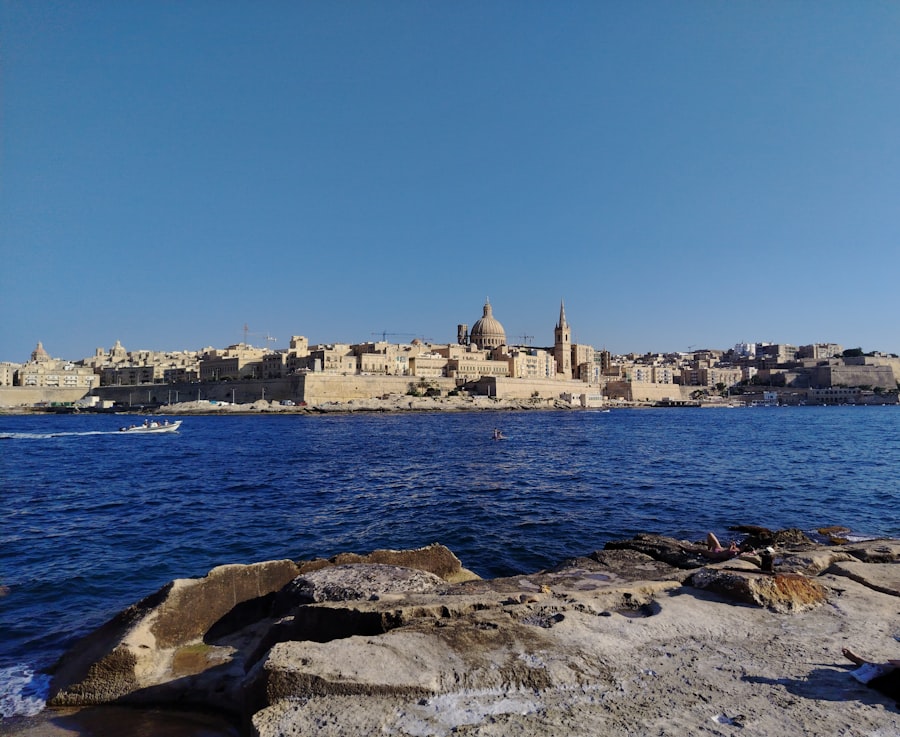
- The Sliema Ferry: Instead of taking a crowded bus, I recommend you take the ferry from the Marsamxett side of Valletta to Sliema. It costs about 2.80 Euros for a round trip and offers stunning skyline views.
- The Three Cities Ferry: Departing from the Lascaris Wharf (below the Upper Barrakka Gardens), this scenic ferry takes you across the Grand Harbour to Vittoriosa, Cospicua, and Senglea.
- The Barrakka Lift: Connecting the Grand Harbour shoreline to the Upper Barrakka Gardens, this massive lift costs 1 Euro to go up (free to come down or if you hold a ferry ticket).
- Traditional Dghajsa Boats: These are Malta's equivalent of gondolas. For about 3 Euros per person, local watermen will row you across the harbor in these colorful wooden boats.
Moving on to your accommodation options, deciding where to base yourself is crucial. If you want to be in the heart of the action, staying within the city walls is highly recommended. You can find highly-rated boutique guesthouses on TripAdvisor that offer rooftop terraces overlooking the harbor dome.
Where to Eat: Valletta's Culinary Scene
If you're wondering about the food, you are in for an absolute treat. Valletta's culinary scene blends Sicilian, British, and North African influences into a unique Maltese fusion. From cheap street eats to Michelin-starred establishments, there is something for every budget. This Valletta Travel Guide 2026 would not be complete without pointing you toward the finest local flavors.
Here are the best places to eat in the city:
- Rubino: A historic Michelin-guide restaurant serving traditional Maltese dishes like fenek (rabbit stew) and aljotta (fish soup). Reservations are mandatory.
- Nenu the Artisan Baker: The absolute best place to try ftira, a traditional Maltese sourdough pizza topped with fresh local ingredients like potatoes, capers, olives, and Gbejna (sheep's milk cheese).
- Cafe Cordina: Operating since 1837 on Republic Street, this iconic cafe is perfect for a morning espresso and a kwarezimal (traditional spiced Lenten sweet).
- Suq tal-Belt: An indoor food market located in a restored Victorian hall, offering diverse stalls ranging from fresh pasta to Asian street food.
- Legligin: A cozy wine cellar offering a fantastic tasting menu of traditional Maltese tapas, perfect for a romantic evening.
Pro Tip for Your Valletta Adventure
Pro tip for you: Most tourists crowd the Upper Barrakka Gardens at noon for the cannon firing, which makes getting a good photo quite difficult. Instead, head to the Lower Barrakka Gardens. It is much quieter, features a beautiful neoclassical temple, and offers a closer, uninterrupted view of the monumental Siege Bell War Memorial and the harbor entrance.
Where to Stay: Neighborhood Guide
Choosing the right neighborhood can make or break your experience. While Valletta itself is small, different pockets offer very different vibes. Let us look at the best areas to base your stay.
The Historic Center
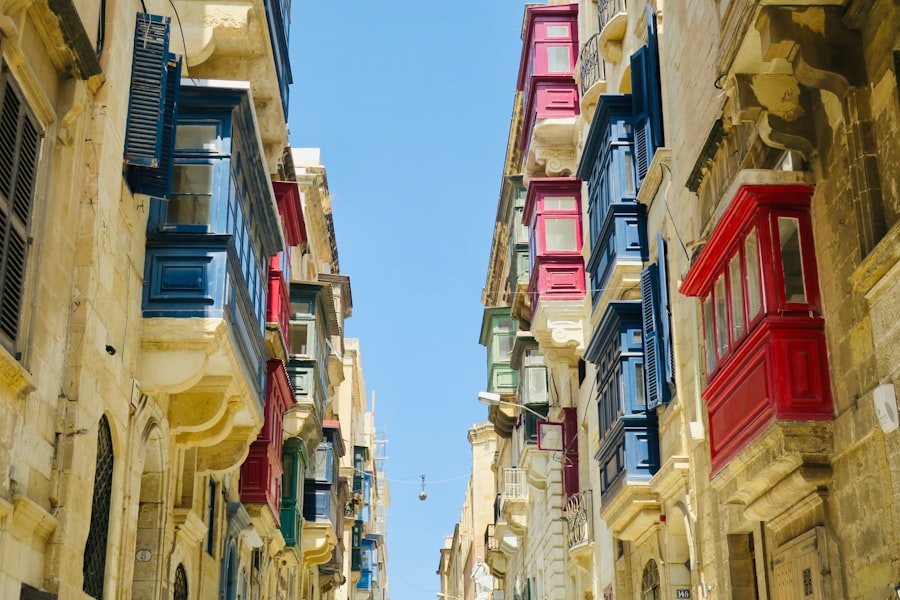
Staying near Republic Street puts you steps away from major landmarks, museums, and cafes. It is lively during the day, though it can get a bit noisy. Look for boutique hotels housed in converted palazzo buildings. These properties often feature traditional closed wooden balconies, painted in vibrant shades of red, green, or blue.
The East Side (Grand Harbour Views)
If you prefer dramatic morning views, look for accommodation along Barbara Bastion or near the Lower Barrakka Gardens. This area is quieter, more residential, and offers breathtaking sunrises over the historic Fort Saint Angelo. It is the perfect spot for travelers seeking a peaceful retreat after a long day of walking.
The West Side (Marsamxett Harbour)
This side of the city faces Sliema and the rising towers of Gzira. It is highly convenient if you plan to take the ferry frequently or want easy access to the seaside promenade. It tends to be slightly less steep than the Grand Harbour side, making your daily walks a bit easier on your legs.
Essential Practical Tips for Your 2026 Trip
Before you pack your bags, here are a few essential tips to keep in mind. This Valletta Travel Guide 2026 aims to prepare you for the realities of Maltese travel. The local currency is the Euro, and English is an official language, meaning you will have absolutely no trouble communicating with locals, reading signs, or ordering food.
When it comes to weather, Valletta enjoys a Mediterranean climate. Summers can be intensely hot, with temperatures regularly soaring past 35 degrees Celsius in July and August. If you prefer milder weather, the shoulder seasons of April to May and September to October are ideal for exploring. During these months, the sea is still warm enough for swimming, but the historic streets are much more comfortable to walk.
To get the most out of your holiday, I recommend allocating at least two full days to Valletta itself, and using it as a base to explore the rest of the island. With its central bus station and ferry terminals, you can easily take day trips to the ancient silent city of Mdina, the sandy beaches of Mellieha, or the fishing village of Marsaxlokk.
With this comprehensive Valletta Travel Guide 2026 in hand, you are now fully prepared to navigate the cobblestone steps, feast on local delicacies, and immerse yourself in the rich tapestry of Malta's historic capital. Have a wonderful journey!
Frequently Asked Questions
What is the best time to visit Valletta in 2026?
Visit in spring (April-May) or autumn (September-October) for pleasant weather and fewer crowds, with major events like the Valletta Film Festival in June.
How many days should I spend in Valletta?
Two to three days is ideal to explore the city's main sights, museums, and hidden gems without rushing.
What are some local tips for getting around Valletta?
Use the elevators and escalators to navigate the steep streets, and consider the Valletta Ferry for quick trips to Sliema or the Three Cities.
What local dishes should I try in Valletta?
Sample pastizzi, rabbit stew, and fresh seafood at local eateries like the Upper Barrakka Gardens café for authentic Maltese flavors.
Are there any hidden gems or off-the-beaten-path spots in Valletta?
Visit the quiet St. Barbara's Bastion for panoramic views, or explore the underground tunnels at the Lascaris War Rooms for a unique historical experience.

Isabella Conti writes in-depth travel guides that turn a new destination into familiar ground. She covers what to see, when to go and how to make the most of your time, with practical detail you can actually use.
💬 Comments (0)
No comments yet. Be the first!