Strasbourg Travel Guide 2026: Local Tips
Discover the best of Alsace with our comprehensive Strasbourg Travel Guide 2026. Get ready to plan an amazing trip!
If you are planning a trip to one of Europe’s most enchanting destinations, this Strasbourg Travel Guide 2026 is your ultimate companion to navigating the capital of the Alsace region. Situated right on the border of France and Germany, this city blends the best of both cultures, offering you fairy-tale timbered houses, world-class white wines, and a majestic cathedral that once stood as the tallest building in the world. Whether you are visiting for the world-famous Christmas markets or a sunny summer canal cruise, my local insights will help you maximize your time and budget in this European gem.
Why Strasbourg is the Perfect 2026 Getaway
Strasbourg is a city that feels both incredibly historic and vibrantly modern. As one of the formal capitals of the European Union, it hosts major international institutions while retaining the cozy, slow-paced charm of a medieval village. Walking through its cobblestone streets, you will feel like you have stepped directly into a storybook. The city is highly accessible, incredibly green, and offers a culinary scene that is unlike anywhere else in France.
According to official data from the Strasbourg Tourism Board, the city has expanded its eco-friendly pedestrian zones for 2026, making it easier than ever to explore the historic center without the noise of car traffic. If you want to experience French elegance combined with German efficiency, this is the destination for you.
The Best Neighborhoods to Explore and Where to Stay
Before you pack your bags, it is essential to understand the layout of the city. The heart of Strasbourg is the Grande Ile, a UNESCO World Heritage site surrounded by the River Ill. This is where you will find the most famous landmarks, but there are other fantastic neighborhoods you should explore during your stay.
Grande Ile: The Historic Heart
This is the center of everything. If you want to step out of your hotel and immediately see medieval architecture, this is where you should book your stay. According to current Booking.com availability for 2026, hotels here fill up months in advance, especially for the winter and summer seasons. It is home to the cathedral, historic plazas, and endless shopping streets.
La Petite France: Photogenic and Romantic
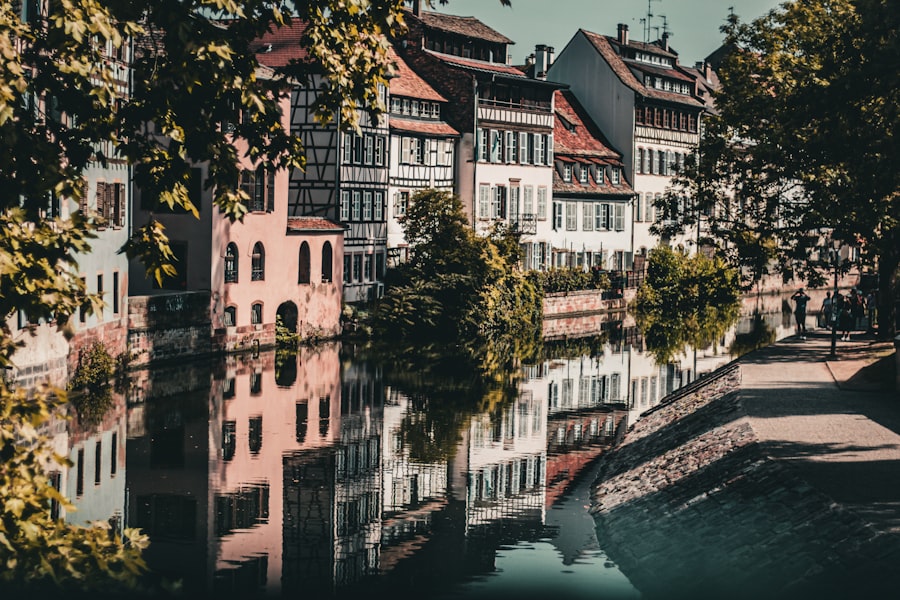
Moving on to the most picturesque corner of the city, La Petite France is a historic quarter where tanners, millers, and fishermen once lived. Today, the half-timbered buildings dating back to the 16th and 17th centuries are filled with boutique hotels and traditional restaurants. The reflections of the black-and-white houses in the calm canal waters make this a dream spot for photographers.
The European Quarter: Modern and Political
If you want to see a completely different side of the city, I recommend you take a short tram ride northeast to the European Quarter. Here, you will find the futuristic glass buildings of the European Parliament and the Council of Europe. It is a striking contrast to the medieval center and shows how Strasbourg shapes modern history.
Traveler’s Warning: If you plan to visit during the famous Christkindelsmarik in December 2026, you must book your accommodation at least six to eight months in advance. Room rates on Booking.com can double, and municipal security measures mean that access to the Grande Ile is highly restricted during this festive period.
Top Things to Do: Your Curated Itinerary
There is no shortage of incredible sights in this Alsatian capital. To help you plan your days, here is a list of activities that you absolutely cannot miss when using this Strasbourg Travel Guide 2026 to design your trip.
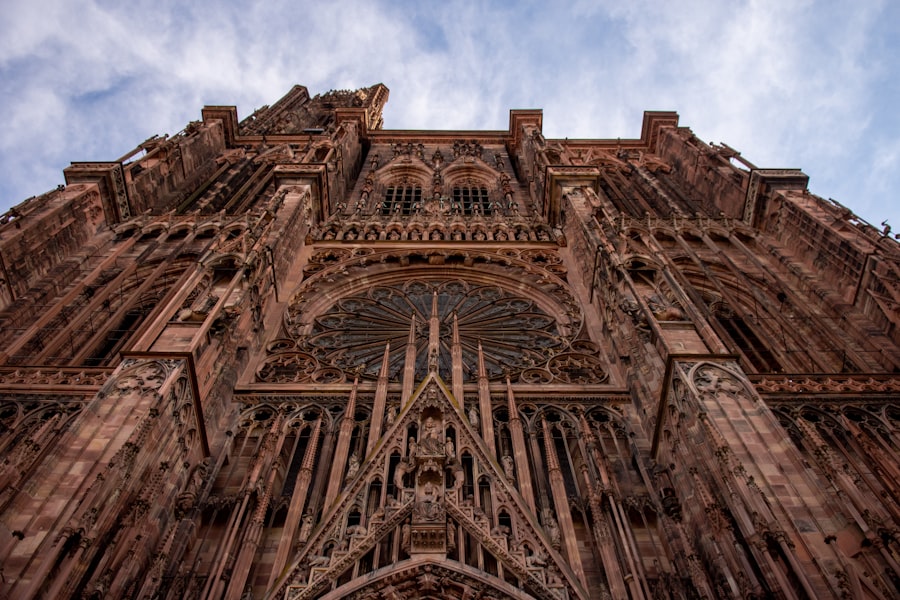
- Marvel at the Strasbourg Cathedral (Notre-Dame): This pink sandstone masterpiece dominates the city skyline. Climb the 330 steps to the viewing platform for panoramic views, and make sure to watch the astronomical clock strike at 12:30 PM daily.
- Take a Batorama Boat Tour: This covered glass boat cruise is the best way to see the city from the water. The 70-minute tour takes you through the locks of La Petite France all the way to the European Parliament. Tickets cost around 15 to 18 Euros.
- Walk Across the Barrage Vauban: This 17th-century defensive bridge and dam offers an incredible view of the Covered Bridges (Ponts Couverts) and the towers that once guarded the medieval city.
- Explore the Palais Rohan: This stunning 18th-century palace houses three different museums, including the Museum of Fine Arts and the Archaeological Museum. It is a must-visit for history and art lovers.
- Relax in the Parc de l'Orangerie: Located near the European Quarter, this is the city's oldest park. You can see the famous local storks nesting in the trees, rent a rowboat on the lake, or enjoy a quiet picnic.
How to Get Around the City Effortlessly
Now let's talk about the logistics of getting from point A to point B. Strasbourg has one of the most efficient, clean, and comprehensive public transportation networks in France. You will find that you do not need a car at all; in fact, having a car inside the historic center is more of a headache than a help due to the extensive pedestrian-only zones.
The local transit network is run by the CTS (Compagnie des Transports Strasbourgeois). It consists of six tram lines (Lines A, B, C, D, E, and F) and dozens of bus routes that connect every corner of the city.
- Tram Line A & D: These are the most useful lines for tourists, connecting the central train station (Gare Centrale) directly to the Grande Ile and the historic center.
- Tram Line D (International Travel): Incredibly, Tram Line D crosses the Rhine River and takes you directly into Kehl, Germany. You can travel to another country for the price of a standard local tram ticket!
- Velhop Bike Sharing: Strasbourg is the most cycle-friendly city in France. You can rent a Velhop bike from various stations around the city for around 10 Euros per day.
- The Strasbourg Pass: I highly recommend purchasing the Strasbourg Pass from the local tourism board. It offers free entry to your first museum, a half-price ticket for the Batorama boat tour, and discounts on various other attractions.
Pro tip for you: Never buy single tram tickets one by one. If you are traveling with a partner or group, purchase the "24h Trio" ticket. This ticket costs around 10.50 Euros and allows up to three people to travel unlimitedly on all trams and buses for a full 24 hours.
Where to Eat: Savoring Alsatian Gastronomy
If you're wondering about the food, you are in for a treat. Alsatian cuisine is hearty, comforting, and deeply satisfying. Traditional restaurants here are called Winstubs. These are cozy, wood-paneled taverns where you can enjoy local specialties alongside regional wines like Riesling and Gewurztraminer.
When looking for places to eat, make sure to check TripAdvisor ratings, as local recommendations change. In 2026, many of the top-rated spots are still the historic family-run establishments that have survived for generations.
- Maison Kammerzell: Located right next to the cathedral, this is one of the most famous ornate timbered buildings in the world. It is highly rated on TripAdvisor for its legendary three-fish choucroute (sauerkraut). Expect to spend 35 to 50 Euros per person.
- Le Clou: A classic, bustling Winstub in the center of the city. This is the place to try traditional Choucroute Garnie (sauerkraut with various meats) or Waedele (braised pork knuckle).
- La Binchstub: For a modern twist on the local classic, head here to try Flammekueche (Tarte Flambee). This is a thin-crust dough topped with creme fraiche, onions, and lardons. It is cheap, delicious, and perfect for sharing.
- Au Pont Corbeau: Situated just across the bridge from the Grande Ile, this Winstub is highly praised by locals for its authentic atmosphere and incredible selection of regional white wines.
Fascinating Day Trips from Strasbourg
While there is plenty to keep you busy in the city, no Strasbourg Travel Guide 2026 would be complete without encouraging you to explore the surrounding Alsace countryside. The region is famous for its Wine Route, which winds through rolling vineyards and picture-perfect medieval villages.
You can easily take a 30-minute train ride from the Strasbourg central station to Colmar, another breathtaking town that looks like it belongs in a Disney movie. From Colmar, local buses can take you to smaller villages like Riquewihr and Eguisheim. If you are feeling adventurous, you can also take the train to Selestat and catch the shuttle bus up to the magnificent Haut-Koenigsbourg Castle, a fully restored medieval fortress perched high on a rocky hill.
Practical Tips for Your 2026 Trip
To wrap up this Strasbourg Travel Guide 2026, let's go over a few quick practical tips to ensure your vacation goes smoothly. The local currency is the Euro, and credit cards are widely accepted everywhere, though it is always smart to carry a little cash for small purchases at bakeries. Most locals speak excellent English due to the international presence in the city, but starting your conversation with a polite "Bonjour" (hello) or "Merci" (thank you) will always be appreciated.
Whether you find yourself wandering the romantic canals of La Petite France, sipping a cold local beer on a sunny terrace, or looking up in awe at the cathedral, Strasbourg is guaranteed to capture your heart in 2026. Pack comfortable walking shoes, bring a big appetite, and get ready for an unforgettable European adventure!
Frequently Asked Questions
What are the top local experiences to try in Strasbourg in 2026?
Don't miss the covered bridges and Petite France district, but also venture to the Marché de Noël if you visit in December. Locals often enjoy picnics along the Ill River and wine tastings in the surrounding vineyards.
What is the best way to get around Strasbourg?
The city is very bike-friendly, with free rental trams and inexpensive city bikes. Most sights are walkable, especially within the Great Island.
Which unexpected local dish should tourists try?
Besides the famous tarte flambée, sample the andouillette sausage and the local choucroute served with spaetzle. Every restaurant puts a unique twist on them.
When is the ideal time to visit to avoid crowds?
Visit in May–June or September; the weather is pleasant but peak season is avoided. Christmas is magical but central is packed, so arrive early if you go.
Any money-saving tips local travelers often share?
Use the Strasbourg Pass for museums and discounts, and eat lunch at local boulangeries for cheap, satisfying sandwiches. Also, every first Sunday some museums are free.

Isabella Conti writes in-depth travel guides that turn a new destination into familiar ground. She covers what to see, when to go and how to make the most of your time, with practical detail you can actually use.
💬 Comments (0)
No comments yet. Be the first!