Turin Travel Guide 2026: Local Tips
Plan your perfect Italian getaway with our Turin Travel Guide 2026, featuring local tips on dining, history, and royal sights.
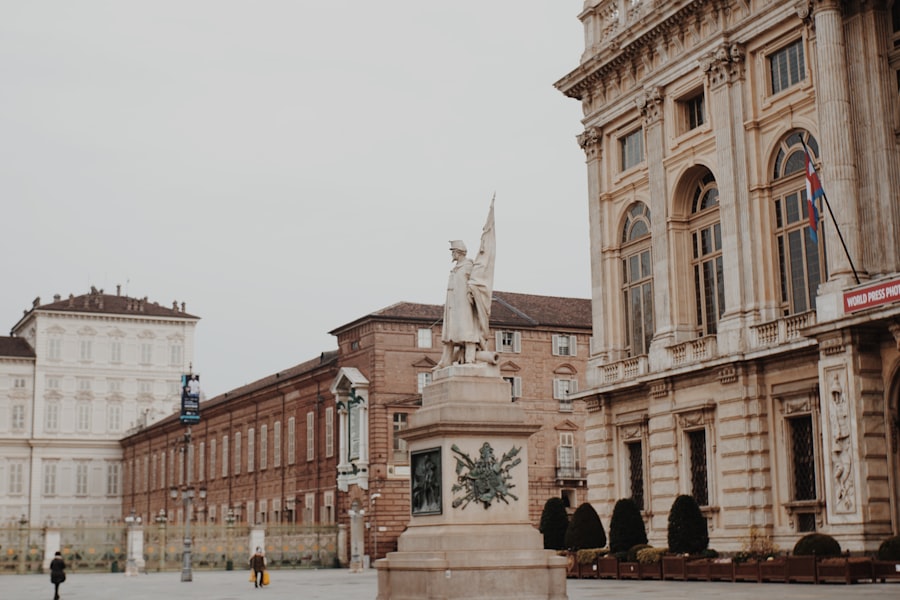
If you are planning a trip to Northern Italy, this Turin Travel Guide 2026 is your ultimate companion to discovering a city that beautifully balances royal history with a modern, industrial soul. Often overshadowed by Milan or Rome, Turin (known locally as Torino) is a treasure trove of grand baroque architecture, world-class museums, and an unparalleled culinary scene. As we step into 2026, the city is more vibrant than ever, offering visitors a rich cultural experience without the overwhelming crowds of other Italian hotspots. I recommend you take at least three days to fully absorb everything this Piedmontese capital has to offer.
Why You Need to Visit Turin in 2026
Turin is a city of elegant surprises. Once the first capital of a unified Italy, it boasts wide, Parisian-style boulevards, grand royal palaces, and historic cafes that have been serving rich hot chocolate for centuries. Moving on to the cultural side, the city has evolved into a major European hub for contemporary art, cinema, and sustainable gastronomy. In 2026, Turin is easier to navigate than ever, with upgraded public transit options and a calendar packed with international cultural festivals.
If you check current traveler sentiment on TripAdvisor, you will find that Turin consistently ranks as one of Italy's most underrated destinations, especially for food lovers and history buffs. According to recent data from the official Piedmont Tourism Board, the city has seen a steady rise in international visitors who are looking for an authentic Italian experience away from overtourism. Booking.com listings also show a fantastic range of boutique hotels and historic apartments available for 2026, making it the perfect time to secure your stay.
Top Things to Do in Turin
To help you structure your itinerary, this section of the Turin Travel Guide 2026 highlights the absolute must-see attractions in the city. From royal residences to futuristic museums, here is what you cannot afford to miss:
- The Egyptian Museum (Museo Egizio): This is the oldest museum in the world dedicated entirely to ancient Egyptian culture. It houses a collection second only to the Cairo Museum. I recommend you book your tickets online weeks in advance to secure your entry slot.
- Mole Antonelliana and the National Cinema Museum: The Mole is the architectural symbol of Turin. Inside, you will find a unique museum dedicated to the history of filmmaking. Take the glass elevator to the top for a breathtaking 360-degree view of the city and the surrounding Alps.
- The Royal Palace (Palazzo Reale): Located in the heart of Piazza Castello, this UNESCO World Heritage site offers a glimpse into the lavish lifestyle of the House of Savoy. Explore the royal apartments, the armory, and the stunning royal gardens.
- The Shroud of Turin (Duomo di San Giovanni Battista): While the actual shroud is rarely on public display, the cathedral dedicated to Saint John the Baptist is a beautiful place of quiet reflection and houses a fascinating replica and museum dedicated to the relic.
- Basilica of Superga: Perched on a hill overlooking the city, this masterpiece of baroque architecture offers stunning panoramic views. You can reach it by taking the historic tramway for a nostalgic journey.
Money-Saving Secret: If you plan to visit at least three major museums, buy the Torino plus Piemonte Card. For a flat rate starting around 38 Euros for a 24-hour pass, you get free admission to almost all major cultural sites, including the Egyptian Museum and the Royal Palace, saving you a significant amount of money.
Exploring Turin by Neighborhood
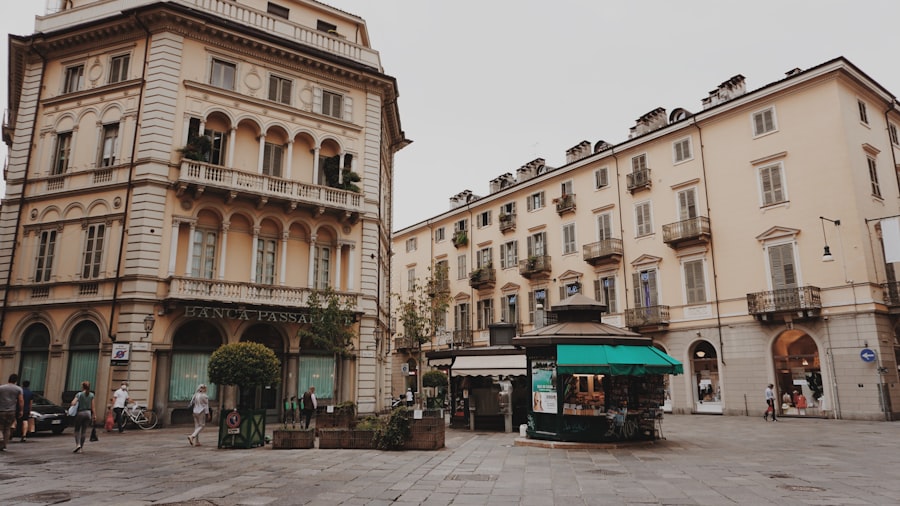
Now let's talk about where you should spend your time. Turin is a highly walkable city, and each neighborhood, or "quartiere," has its own distinct personality. Understanding the layout will help you maximize your daily adventures.
Centro Storico (Historic Center)
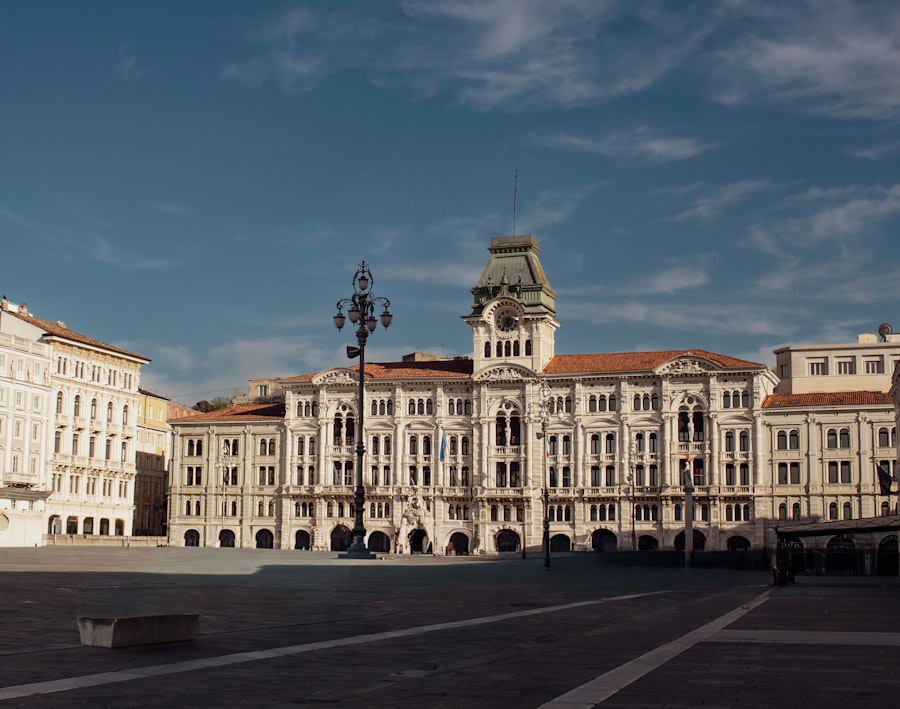
This is where your journey will likely begin. Characterized by grand plazas like Piazza Castello and Piazza San Carlo, this area is framed by 18 kilometers of elegant arcaded walkways. These arcades were originally built so the royal family could walk through the city without getting wet in the rain. Today, they house high-end boutiques and historic cafes like Caffe Torino and Caffe San Carlo.
San Salvario
If you are wondering about the local nightlife and trendy dining spots, San Salvario is the place to be. Located just south of the Porta Nuova train station, this multicultural neighborhood transforms in the evening. It is packed with artisanal cocktail bars, hipster cafes, and diverse restaurants. During the day, it is a quiet residential area bordered by the beautiful Parco del Valentino, which runs along the Po River.
Quadrilatero Romano
This is the oldest part of Turin, featuring a maze of narrow, cobblestone streets that date back to Roman times. Today, Quadrilatero Romano is a trendy enclave filled with wine bars, tiny fashion boutiques, and excellent traditional trattorias. It is the perfect area to get lost in during the late afternoon before stopping for an aperitivo.
Where to Eat: A Culinary Journey in Piedmont
No Turin Travel Guide 2026 would be complete without diving into the local cuisine. Turin is the capital of the Piedmont region, famous for truffles, rich pasta, hazelnuts, and world-class wines like Barolo and Barbaresco. It is also the birthplace of the Slow Food movement.
Pro tip for you: when dining in Turin, always start your meal with a traditional glass of Vermouth, which was invented here in 1786. For dessert, you must try Bicerin, a warm local drink made of espresso, drinking chocolate, and whole milk layered carefully in a small glass.
- Porto di Savona (Piazza Vittorio Veneto 2): A historic restaurant operating since 1863. It is the perfect place to try traditional dishes like Agnolotti del Plin (stuffed pasta) and Brasato al Barolo (beef braised in Barolo wine). Expect to spend 25 to 40 Euros per person.
- Consorzio (Via Antonio Giuseppe Ronco 2): For an elevated culinary experience, this restaurant modernizes traditional Piedmontese recipes, focusing on high-quality, locally sourced ingredients. Booking in advance is essential. Prices range from 40 to 70 Euros.
- Scannabue (Largo Saluzzo 25/H): Located in the heart of San Salvario, this chic bistro serves exceptional local meat dishes and fresh pasta accompanied by an extensive wine list. Meal prices average around 35 to 50 Euros.
- Caffe Al Bicerin (Piazza della Consolata 5): The historic home of the famous Bicerin drink. This tiny, wood-paneled cafe has been serving customers since 1763. A cup of Bicerin here costs about 7 Euros and is worth every cent.
How to Get Around the City
If you are wondering about navigating the urban landscape, Turin has a highly efficient and affordable public transport network managed by GTT. Most of the tourist sights are concentrated in the center, but public transit is excellent for reaching outlying attractions like the Rivoli Castle or the Palace of Venaria.
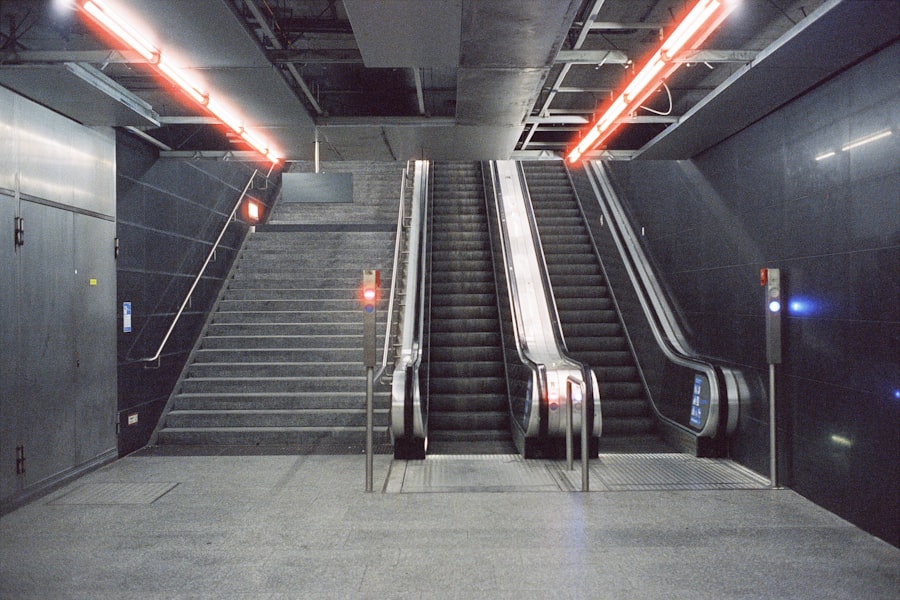
- The Metro: Turin has a single, modern, driverless metro line that connects the main train stations, Porta Nuova and Porta Susa, making arrivals and departures incredibly simple. A single ticket costs 2.00 Euros and is valid for 100 minutes.
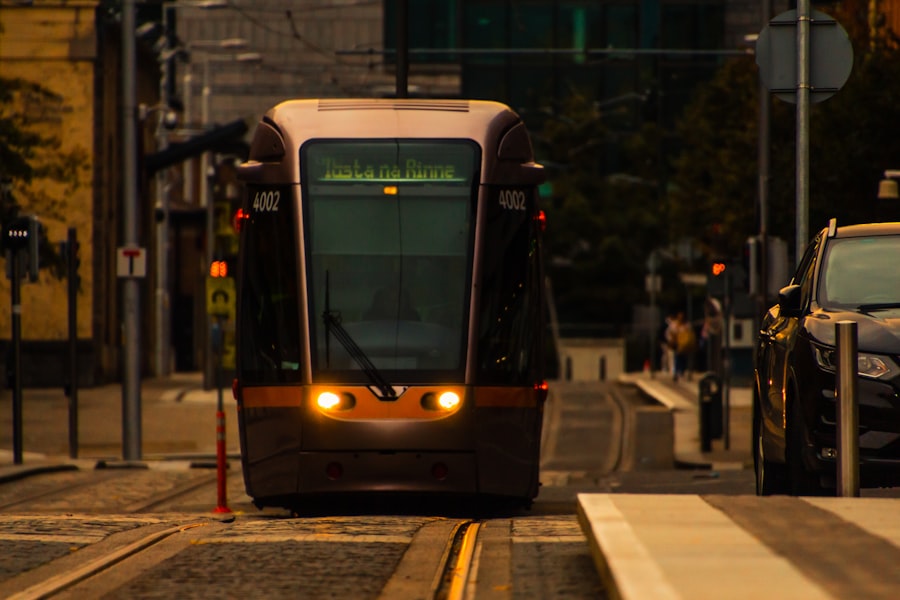
- Trams and Buses: The city is crisscrossed by an extensive network of trams and buses. Look out for the historic Tram Line 7, which uses beautifully restored vintage tram cars from the 1930s to take you on a circular tour of the historic center.
- Bike and Scooter Sharing: Turin is highly bike-friendly, with flat terrain and dedicated cycle paths along the river. You can easily rent a bike or an electric scooter using apps like Lime, Dott, or Bird, which are widely available across the city in 2026.
Moving on to your arrival options, if you fly into Turin Airport (TRN), also known as Caselle, you can take the direct train link that connects the airport directly to the city center stations in about 30 minutes, costing around 3.60 Euros. Taxis are also readily available at a fixed rate of approximately 36 Euros to the city center.
Practical Tips for Your 2026 Visit
To wrap up this Turin Travel Guide 2026, let us cover a few practical details that will ensure your trip runs smoothly. The best times to visit Turin are during the spring (April to June) and autumn (September to November), when the weather is mild, and the surrounding Alps are beautifully visible. Summer can get quite hot, while winter brings a cozy, festive atmosphere with the famous Luci d'Artista light installations illuminating the streets.
When booking your accommodation, check Booking.com early to find historic guesthouses in the Centro Storico or modern apartments in the trendy San Salvario district. Most locals speak a bit of English, especially in the hospitality sector, but learning a few basic Italian phrases will always be appreciated.
By using this comprehensive Turin Travel Guide 2026, you are now fully prepared to experience one of Italy's most sophisticated and culturally rich cities. Pack your walking shoes, bring a healthy appetite, and get ready to fall in love with the royal charm of Turin.
Frequently Asked Questions
What is the best time to visit Turin in 2026?
Visit from April to June or September to October for mild weather, with 2026's key events like the Winter Olympics anniversary happening in February but drawing big crowds.
How can I get around Turin efficiently as a local?
Use the metro and trams for faster travel, but walking is best for the compact historic center; the city offers a bike-share system that locals love.
What are some authentic local dishes I must try in Turin?
Don't miss agnolotti del plin or a classic bagna cauda, and finish with a Gianduiotto chocolate—Turin's signature sweet.
Which neighborhoods should I stay in to feel like a local?
Select San Salvario for trendy cafes and nightlife, or Crocetta for a quieter, residential vibe near the city's elegant shops.
Are there any hidden gems visitors often overlook in Turin?
Check out the Mole Antonelliana's panoramic elevator for unlikely rooftop views, or stroll through the hidden courtyards of Palazzo Reale for a serene break.

Isabella Conti writes in-depth travel guides that turn a new destination into familiar ground. She covers what to see, when to go and how to make the most of your time, with practical detail you can actually use.
💬 Comments (0)
No comments yet. Be the first!