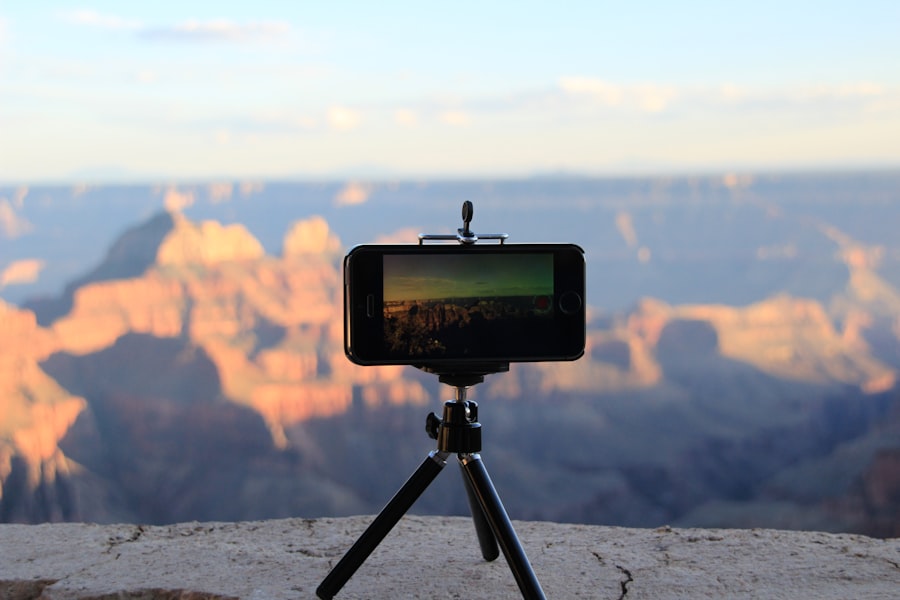
Seascape Photography in Cornwall: 2026 Guide
Master the rugged Atlantic coastline. This 2026 guide covers the best gear and techniques for seascape photography in Cornwall.
Mastering Seascape Photography in Cornwall: The 2026 Ultimate Guide
Capturing the perfect shot of seascape photography in Cornwall is an experience that will define your 2026 travel portfolio. With its rugged cliffs, turquoise Atlantic waters, and dramatic light shifts, this southwestern tip of England remains the premier destination for landscape enthusiasts. Whether you are chasing the golden hour at Bedruthan Steps or waiting for the tide to recede at St. Michaels Mount, this region offers a visual playground that is unmatched in the British Isles.
If you are planning your trip, you will find that the coastal light changes rapidly. I recommend you pack a sturdy tripod and neutral density filters to manage the high contrast of the Atlantic swell. As we move through this guide, I will help you navigate the best locations, logistics, and techniques to ensure your gallery is filled with professional-grade imagery.
Essential Logistics and Transport
Getting to this remote corner of England requires a bit of planning. You will likely arrive via the Great Western Railway, which connects London Paddington to Penzance. If you are flying, Newquay Airport is your best hub for accessing the northern coast, with car rental prices averaging 50 to 80 pounds per day during the summer season.
How to Get Around
- Car Rental: The most flexible option for hauling camera gear to remote coves.
- First Bus Cornwall: A reliable network connecting major towns like St. Ives and Penzance.
- Coastal Paths: Many of the best shooting spots are only accessible by foot along the South West Coast Path.
- Taxis: Local firms are available but can be expensive; expect to pay 20 to 40 pounds for a short cross-country trip.
Now let's talk about where to base yourself. St. Ives is a favorite for its artistic history and proximity to Porthmeor Beach. Alternatively, if you prefer the dramatic cliffs of the north, look at accommodations in Padstow or Newquay. According to Booking.com availability data for 2026, these areas maintain a high volume of guest houses, though I strongly suggest booking at least four months in advance for the peak July and August season.
Top Locations for Seascape Photography in Cornwall
Your journey should start at Kynance Cove on the Lizard Peninsula. The serpentine rock formations and white sand create a stunning contrast that defines high-quality seascape photography in Cornwall. When the tide is low, you can walk among the sea caves, providing unique foreground elements for your wide-angle compositions.
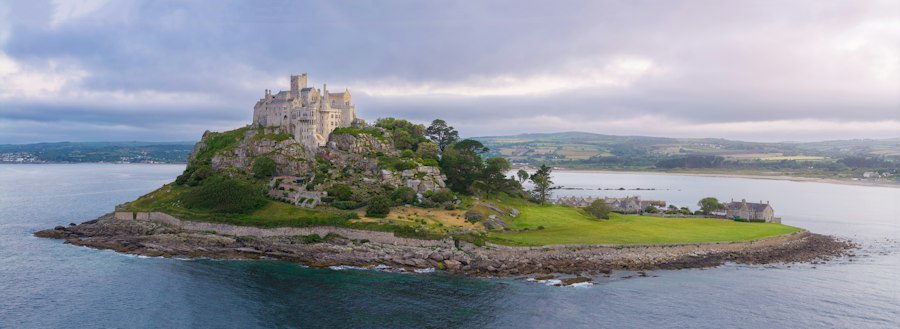
If you are looking for that classic lighthouse shot, head to Trevose Head. The lighthouse perched on the cliff edge acts as a perfect focal point against the crashing waves. For those interested in historical context, St. Michaels Mount offers a castle on an island that is only accessible via a stone causeway at low tide. It is truly a must-visit for any travel photographer.
Top Things to Do
- Capture the sunset at Bedruthan Steps for iconic jagged rock compositions.
- Explore the sub-tropical gardens at Trebah to capture macro detail against the coastal backdrop.
- Visit the Minack Theatre, an open-air amphitheater carved into the granite cliffside.
- Take a boat trip from Padstow to capture the coastline from the perspective of the ocean.
Traveler’s Warning: The weather in the southwest is famously unpredictable. Even in the height of summer, high winds can ruin long-exposure shots. Always check the Met Office local marine forecast before venturing onto exposed cliff edges, and keep your equipment protected with a waterproof cover at all times.
Dining Options for the Traveling Photographer
You will need plenty of sustenance during your long days of waiting for the perfect light. Cornwall offers an incredible array of local seafood and the famous Cornish pasty. Prices for a mid-range dinner typically fall between 25 and 45 pounds per person, depending on the establishment.
Where to Eat
- The Seafood Restaurant in Padstow: Famous for fresh catches and a perfect view of the harbor.
- Porthmeor Beach Cafe: Offers excellent breakfast options right on the sand in St. Ives.
- The Tinners Arms in Zennor: A historic pub perfect for a post-shoot pint.
- Local Bakeries: Look for any shop displaying the Cornish Pasty Association mark for an authentic quick lunch.
Advanced Tips for Your 2026 Portfolio
When practicing seascape photography in Cornwall, you must prioritize your shutter speed. Using a neutral density filter allows you to blur the movement of the tide, creating that ethereal, silky look on the water. If you are wondering about the best time of year, September is often preferred by professionals. The crowds have thinned, the light is soft, and the weather remains relatively stable compared to the winter months.
Pro tip for you: Invest in a pair of high-quality, waterproof hiking boots with excellent grip. Many of the best vantage points for seascape photography in Cornwall require scrambling over wet, slippery rocks or trekking through muddy paths. If your boots are not up to the task, you will end up focusing more on your footing than on your frame composition.
If you check TripAdvisor ratings for coastal tours, you will find that many guided photography workshops are now available. These local experts can take you to hidden spots that are not marked on standard tourist maps. While these workshops can cost upwards of 150 pounds for a half-day, the local knowledge you gain is well worth the investment for the unique shots you will capture.
Safety and Preservation
The beauty of this region is fragile. As you pursue your interest in seascape photography in Cornwall, please be mindful of the environment. Stick to marked paths to prevent cliff erosion, which is a major issue in the region according to local conservation boards. Do not disturb the local wildlife, particularly the seals that frequent the smaller, secluded coves.
Finally, remember that the best images often come from patience. Do not feel rushed to move from one location to the next. Sometimes, staying in one spot for three hours allows you to observe how the light interacts with the shifting tides, providing you with a series of images rather than just one snapshot. By the end of 2026, you will have a collection of work that reflects the true, rugged spirit of the Cornish coast.
Whether you are a professional looking to build a new series or a hobbyist hoping to capture the perfect souvenir, the opportunities here are endless. Keep your gear clean, your batteries charged, and your eyes on the horizon. Your next great image is waiting just around the bend of the next cliff.
Frequently Asked Questions
What is the best time of day for seascape photography in Cornwall?
The golden hours around sunrise and sunset offer the most dramatic light and color. Specifically, Porthcurno and Godrevy are famous for capturing stunning sunsets.
What camera gear should I bring for Cornish seascapes?
A wide-angle lens, a sturdy tripod, and ND filters are essential for long exposures and sharp images. Also pack a rain cover, as coastal weather changes rapidly.
Are there any dangerous tides to watch out for?
Yes, Cornwall has some of the fastest tides in the UK, so always check local tide tables before heading out. Never turn your back on the sea while shooting.
Which iconic Cornish locations are ideal for seascape photography?
Land's End, Bedruthan Steps, Kynance Cove, and St Michael's Mount are top spots. Each offers unique rock formations and dramatic coastal backdrops.
How can I achieve long-exposure effects on moving waves?
Use a 10-stop ND filter to slow your shutter speed to several seconds for a creamy, misty water effect. A tripod and remote shutter release are vital to avoid camera shake.

Lars Lindgren puts together detailed guides to cities and regions, drawing on his own travels to flag the things worth your time. He focuses on clear, honest advice that holds up once you are actually on the ground.
💬 Comments (0)
No comments yet. Be the first!