Ubud Wildlife Photography Guide 2026
Capture the island's unique fauna with this expert Ubud wildlife photography guide for 2026, focusing on ethical encounters.
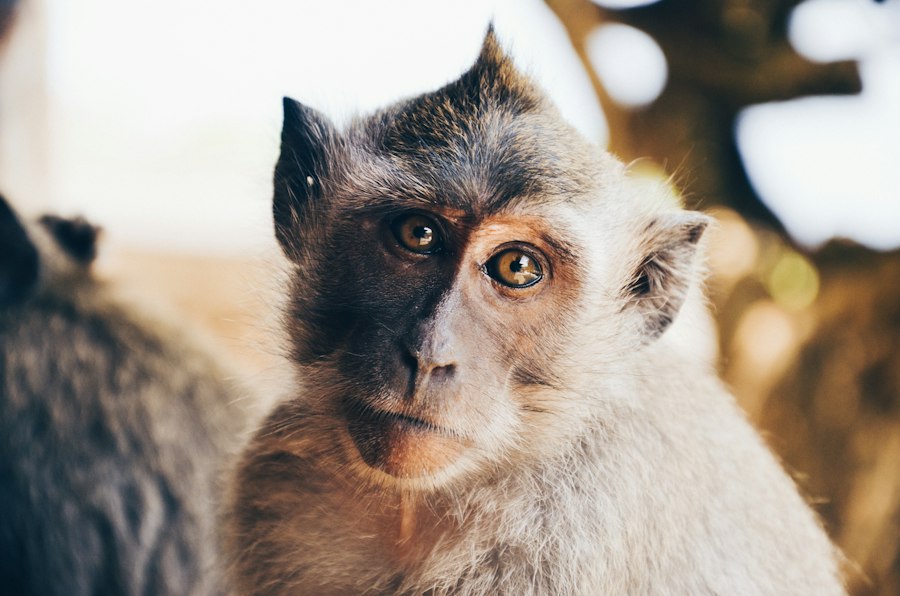
Executing a successful Ubud wildlife photography trip requires a mix of patience, local knowledge, and the right gear choices for rainforest conditions. Nestled in the lush central highlands of Bali, this cultural heartland offers an extraordinary tapestry of biodiversity, ranging from mischievous primates to rare tropical birds. Whether you are aiming to capture high-resolution portraits of macaques or long-exposure macro shots of exotic insects, this guide will help you navigate every detail of your photographic journey.
Why Ubud is a Wildlife Photography Hotspot in 2026
In 2026, the region has cemented its reputation as a premier eco-tourism destination. The unique geography of deep river valleys, dense canopy covers, and ancient terraced rice fields creates hyper-localized microclimates. These distinct environments support a wide array of fauna right on the edge of urban convenience. Moving on to the practical appeal, the town allows you to venture into raw jungle environments at dawn and return to world-class comforts by noon.
Data from official Bali tourism board surveys highlights that nature-focused travel in the central highlands has grown by twenty percent over the past two years. Photography enthusiasts are increasingly drawn to the region because conservation efforts have stabilized local habitats. You will find that early morning light filtering through the damp rainforest mist creates dramatic, atmospheric conditions that are impossible to replicate in drier climate zones.
Essential Equipment and Camera Settings for Jungle Conditions
Jungle photography presents extreme environmental challenges. Humidity levels routinely exceed eighty percent, and the dense canopy restricts ambient light significantly. You should pack a weather-sealed camera body along with a fast telephoto zoom lens, such as a 70-200mm f/2.8 or a 100-400mm lens paired with a wide aperture prime for low-light macro work.
Managing Low Light under the Rainforest Canopy
Now let's talk about camera settings. Under the thick tree canopy, your light levels drop drastically. You will need to push your ISO settings up to 1600 or 3200 while maintaining a shutter speed of at least 1/500th of a second to freeze rapid animal movements. Always keep silica gel packets in your sealed camera bag to absorb moisture when transitioning between air-conditioned transport and humid jungle trails.
Protecting Your Gear from Moisture and Rain
Tropical rainstorms develop rapidly in the highlands. I recommend you take a dedicated, heavy-duty rain cover for your camera setup, alongside a micro-fiber cloth kept in an accessible pocket. Moisture on your front lens element can ruin sharpness faster than incorrect focus settings.
Top Locations for Ubud Wildlife Photography
Finding the best vantage points requires knowing where wildlife naturally gathers away from heavy foot traffic. Here are the top locations you must include on your shooting schedule.
Top Things to Do for Wildlife Photographers
- Explore Sacred Monkey Forest Sanctuary: Located in the Padangtegal neighborhood, this sanctuary is ideal for capturing long-tailed macaques interacting within ancient temple ruins.
- Photograph the Herons at Petulu Village: Located ten minutes north of the town center, thousands of white egrets and javani herons roost here every afternoon at dusk.
- Macro Trekking in Campuhan Ridge: Walk this famous ridge line during the early morning hours to photograph colorful dragonflies, praying mantises, and endemic orb-weaver spiders.
- Birdwatching in Penestanan Rice Fields: Explore the quiet boardwalks in Penestanan to capture Kingfishers and Java Sparrows hunting along the irrigation canals.
If you're wondering about timing at the Sacred Monkey Forest, aim to arrive right when the gates open at eight in the morning. Early entry allows you to beat the tourist crowds and photograph the primates when they are most active. High ratings on TripAdvisor consistently praise the park for its well-maintained walking paths, though gear vigilance is always required.
Traveler’s Warning: Keep your camera strap securely wrapped around your wrist or neck at all times near the macaques. Brightly colored lens caps, loose straps, and small tripod accessories look like food toys to young monkeys, and they will pull gear straight out of an unzipped backpack.
Logistics: How to Get Around Ubud Efficiently
Navigating the central highlands with heavy camera bags demands efficient planning. While traffic along main roads like Jalan Raya Ubud can become congested by mid-day, several reliable transport options exist to get you to remote spots quickly.
How to Get Around
- Scooter Rental: Costs between 80,000 to 120,000 IDR per day (approx 5 to 8 USD). Excellent for dodging traffic jams, though you must secure your gear in a padded, waterproof backpack.
- Private Driver Hire: Expect to pay between 600,000 and 800,000 IDR per day (approx 40 to 52 USD) for a full eight-hour session. This is the safest way to transport delicate lenses and heavy tripods.
- Ride-Hailing Apps (Grab/Gojek): Readily available throughout central neighborhoods like Nyuh Kuning and Hanoman, offering affordable motorbike and car transport for short trips.
- Public Kura-Kura Shuttle Bus: Operates select routes connecting major hotels to popular sights for roughly 20,000 to 50,000 IDR per trip.
Pro tip for you: On my last expedition through the deep ravines near Tirta Empul, I discovered that hiring a local motorbike driver for the entire morning gave me access to private farmland tracks off-limits to standard cars. The driver carried my secondary bag while guiding me directly to hidden kingfisher nesting areas along the riverbank.
Accommodations and Where to Stay for Early Morning Shoots
Selecting the right base area can significantly reduce your morning travel time. Booking.com availability data indicates high demand for eco-lodges situated along the outer limits of the town center in neighborhoods such as Sambahan, Penestanan, and Nyuh Kuning.
If your priority is Ubud wildlife photography, look for boutique stays bordering active rice fields or jungle ravines. Staying in these areas allows you to start taking photos directly from your private balcony at first light, capturing nesting birds before breakfast.
Dining Fuel for Long Shooting Days
Photographers need early-morning meal options and late-night spots to edit photos while enjoying reliable internet and good food.
Where to Eat
- Clear Cafe (Hanoman Street): Offers fresh fruit juices, healthy grain bowls, and early breakfast hours ideal for fueling up before a sunrise shoot.
- Sayan House (Sayan Neighborhood): A great dinner spot providing panoramic views over the Ayung River Valley, ideal for spotting roosting birds at sunset while enjoying food.
- Sage (Nyuh Kuning): A quiet vegan eatery featuring high-speed Wi-Fi, comfortable seating, and plenty of power outlets for offloading memory cards over coffee.
- Naughty Nuri’s (Sanggingan): Famous for its lively atmosphere and grilled dishes, perfect for a hearty meal after a long day hiking humid trails.
Ethical Guidelines for Wildlife Photography in Bali
As photographers, our primary responsibility is maintaining the safety and well-being of the species we document. Never use live bait or audio calls to lure wild birds or mammals out of their dense natural cover. Pay close attention to animal body language; if a monkey bared its teeth or flattens its ears, you are standing too close and need to back away slowly.
Mastering Ubud wildlife photography requires balancing technical skills with respect for the local ecosystem. By using proper low-light techniques, securing reliable local transport, and respecting private farmland, you will return home with stunning images from your 2026 Balinese adventure.

Lars Lindgren puts together detailed guides to cities and regions, drawing on his own travels to flag the things worth your time. He focuses on clear, honest advice that holds up once you are actually on the ground.
💬 Comments (0)
No comments yet. Be the first!