Macro Photography in Singapore: 2026 Guide
Capture the tiny details of Singapore with our expert macro photography guide, featuring the best botanical spots for 2026.
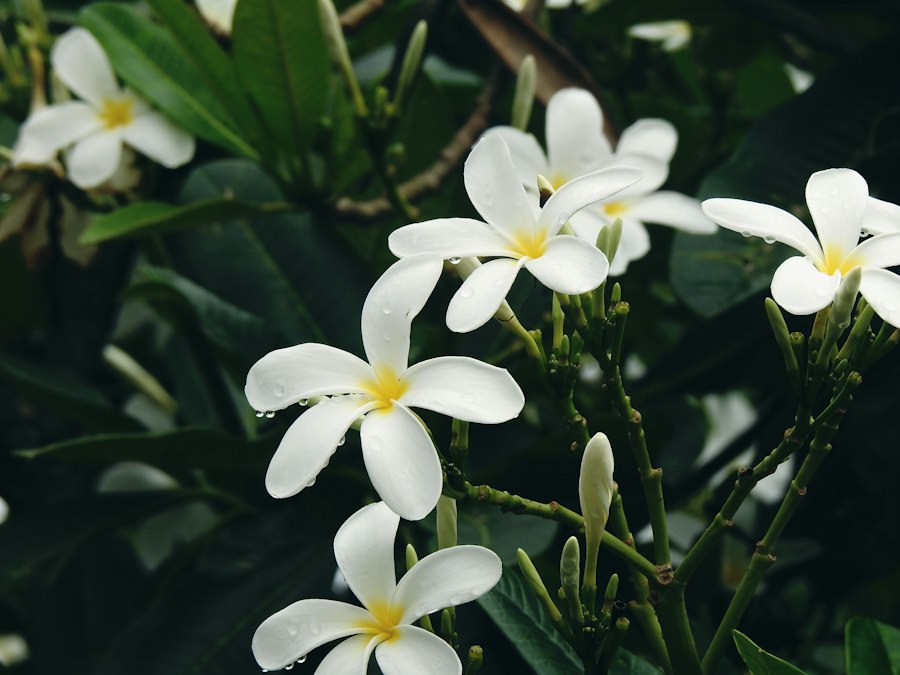
For photographers fascinated by the hidden universe of tiny creatures and intricate floral details, macro photography in Singapore offers an unparalleled tropical playground in 2026. Despite being a sprawling modern metropolis, the island nation has carefully cultivated vast biodiversity reserves that make it a premier global destination for close up imaging. From rare neon jumping spiders to iridescent beetles and exotic orchids, you will discover a dense wildlife haven hidden within the city state borders.
Why Singapore is a Premier Destination for Macro Photography in 2026
Singapore has successfully transformed itself into a city in nature. The tropical climate keeps temperatures consistently warm, hovering around 26 to 32 degrees Celsius year round, which creates ideal breeding conditions for insects, amphibians, and unique plant species. Official city tourism board data highlights that over three hundred butterfly species and more than one hundred species of dragonflies call this compact island home in 2026.
If you are wondering about accessibility, Singapore stands out as one of the safest and most convenient places in Asia to shoot small wildlife. The national parks are exceptionally well maintained, featuring paved boardwalks, detailed signage, and reliable mobile connectivity even deep within the jungle canopy. You can easily spend your morning capturing macro photography in Singapore inside a lush rain forest and return to a world class urban restaurant by lunch time.
Top Spots for Macro Photography in Singapore
Now let's talk about the specific nature reserves and parks where you should gear up for your shooting trips. Each location provides a unique ecosystem filled with distinct insect populations and lush botanical specimens.
1. Pasir Ris Park and Mangrove Boardwalk
Located in the eastern district of Pasir Ris, this coastal park features an accessible boardwalk that weaves directly through a thriving mangrove swamp. It is an extraordinary location for shooting mudskippers, tree climbing crabs, weaver ants, and sleeping dragonflies. Early mornings are best here before the tropical humidity peaks. To get here, take the East West MRT Line to Pasir Ris MRT Station and take a short ten minute walk toward the coastline.
2. Windsor Nature Park and Venus Drive
Ask any local enthusiast, and they will tell you that Venus Drive at Windsor Nature Park is the absolute holy grail for macro photography in Singapore. The dense canopy keeps the trail shaded, creating perfect ambient conditions for finding orb weaver spiders, lanternbugs, stick insects, and target beetles. I recommend you take the Thomson East Coast MRT Line to Upper Thomson MRT Station and grab a quick bus or five minute taxi to the park entrance.
3. Singapore Botanic Gardens
As a UNESCO World Heritage site, the Botanic Gardens offer manicured landscapes full of vibrant flora and tiny fauna. The National Orchid Garden within the park grounds presents endless opportunities to capture soft, creative close ups of rare tropical orchids and pollinators. You can reach this green oasis directly by taking either the Downtown MRT Line or the Circle MRT Line straight to the Botanic Gardens MRT Station. Entrance to the main park is free, while the orchid section costs about fifteen Singapore dollars for international visitors in 2026.
Top Things to Do for Macro Photographers
To maximize your creative output during your trip, plan your itinerary around these specialized photographic activities:
- Embark on a Guided Night Macro Walk: Many tropical insects only emerge after dark. Joining a guided night safari through Central Catchment Nature Reserve allows you to safely find bioluminescent fungi, glowing scorpions, and sleeping lizards.
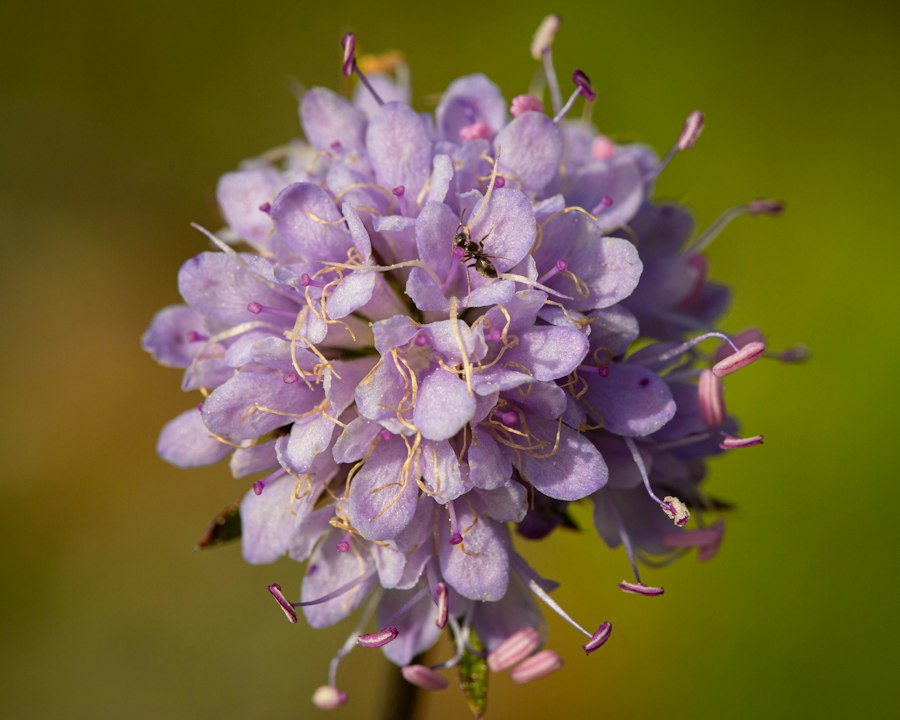
- Explore the World of Orchids: Practice creative focus stacking at the National Orchid Garden, utilizing natural backlight to highlight delicate petal textures and water droplets.
- Hunt for Jumping Spiders at Bishan Ang Mo Kio Park: The landscaped garden beds along the river banks are teeming with hyper active jumping spiders, perfect for testing your high speed flash techniques.
- Document Mangrove Biodiversity: Visit Sungei Buloh Wetland Reserve on the North Red MRT Line to photograph specialized coastal insects and amphibious creatures up close.
Traveler's Warning: Tropical humidity in Singapore frequently reaches over ninety percent. When moving from your air conditioned hotel room into the warm outdoor air, your camera lens will fog up completely. Leave your gear inside its closed camera bag for twenty minutes after stepping outdoors to let it gradually acclimate to the temperature, preventing internal condensation that could ruin your glass.
Essential Camera Gear and Technical Tips
Succeeding at macro photography in Singapore requires the right balance of gear and technique to handle tropical conditions. A dedicated macro lens with a one to one reproduction ratio is essential. A focal length between ninety millimeter and one hundred and five millimeter gives you a comfortable working distance so you do not startle skittish subjects like wild bees or butterflies.
Because the rainforest canopy blocks a significant amount of natural light, bring a lightweight speedlight paired with a custom flash diffuser. A good diffuser softens hard shadows, making the colors of small insects pop while preserving delicate details. Pro tip for you: carry several silica gel packs in your camera bag at all times to absorb excess moisture and protect your sensitive gear from tropical mold.
How to Get Around Singapore
Navigating the city with heavy camera gear is efficient and affordable thanks to the world class public transport network.
- Mass Rapid Transit (MRT): The subway system connects every major neighborhood and nature reserve entrance. Trains run every two to five minutes, and you can simply tap your contactless credit card at the gantries. Expect to pay between one and three Singapore dollars per ride.
- Public Buses: Extensive bus routes fill the gaps where trains do not reach, dropping you right at the gates of spots like Venus Drive. Like the MRT, you can pay using contactless mobile payments.
- Ride Hailing Apps: Services like Grab and Gojek are hugely popular in 2026. A twenty minute ride from the city center to outer nature parks generally costs between fifteen and twenty five Singapore dollars, which is ideal when carrying heavy tripods and lighting rigs.
Where to Stay and Where to Eat
When selecting your accommodation, search for places near major MRT interchange stations like Bishan, Paya Lebar, or Bugis. According to recent Booking.com availability for 2026, staying in mid range boutique hotels in the Bugis or Katong neighborhoods offers the best balance of central transport access and authentic local culture, with room rates averaging one hundred and eighty to two hundred and fifty Singapore dollars per night.
After a demanding morning shooting macro photography in Singapore, you will definitely want to refuel at local dining spots:
- Old Airport Road Food Centre: Located near the Circle Line MRT, this famous hawker market offers legendary fried kway teow and pork rib noodles for under eight Singapore dollars. High TripAdvisor ratings continuously place this market among the top culinary stops in the country.
- Maxwell Food Centre: Situated near Chinatown, this bustling hub is the place to try iconic Hainanese chicken rice served with spicy chili garlic dip.
- Changi Village Hawker Centre: Perfect after a morning shoot at Pasir Ris, this eastern spot is renowned for coconut aromatic nasi lemak and fresh sugar cane juice.
Final Thoughts for Your 2026 Adventure
Planning a dedicated trip for macro photography in Singapore promises an unforgettable blend of wild biodiversity and smooth urban convenience. By packing light, preparing for high humidity, and exploring the rich green corridors scattered across the island, you will capture extraordinary images of small wild creatures that most travelers completely overlook.
Frequently Asked Questions
What are the best locations for macro photography in Singapore?
Singapore Botanic Gardens, MacRitchie Reservoir, and Pulau Ubin offer diverse macro subjects like insects and flowers.
What equipment do I need to start macro photography in Singapore?
A macro lens or extension tubes, a flash, and a diffuser are essential to handle Singapore's bright and humid conditions.
When is the best time of day for macro photography in Singapore?
Early morning or after rain is ideal, as insects are active and soft light reduces harsh shadows.
Are there any restrictions on macro photography in Singapore's nature reserves?
Yes, you must stay on designated trails and cannot handle or disturb wildlife without a permit.
How can I protect my gear from Singapore's humidity during macro shoots?
Use silica gel packs, a dry cabinet for storage, and bring a microfiber cloth to wipe condensation.

Isabella Conti writes in-depth travel guides that turn a new destination into familiar ground. She covers what to see, when to go and how to make the most of your time, with practical detail you can actually use.
💬 Comments (0)
No comments yet. Be the first!