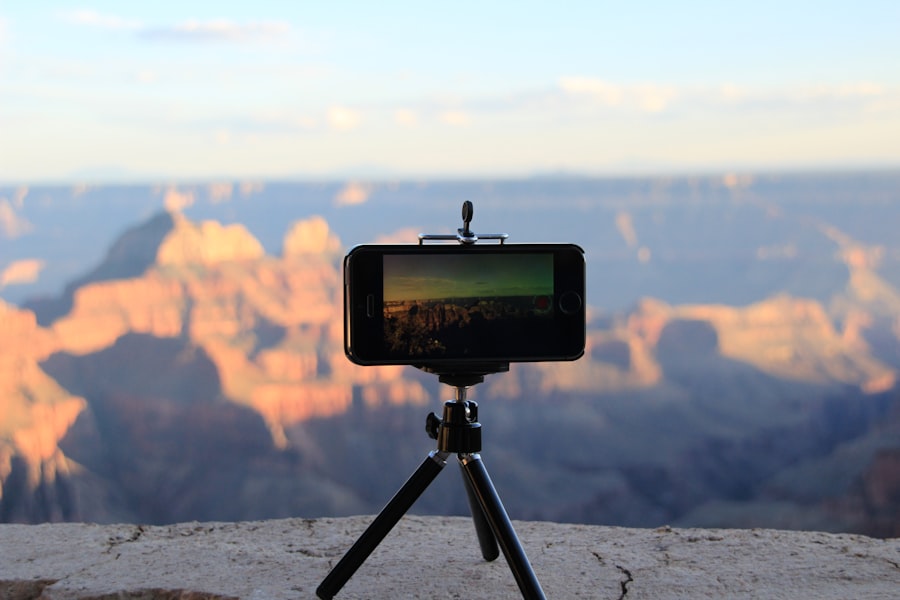
Portrait Photography in Kyoto: 2026 Guide
Capture authentic portrait photography in Kyoto with these expert tips on finding locations, lighting, and cultural etiquette.
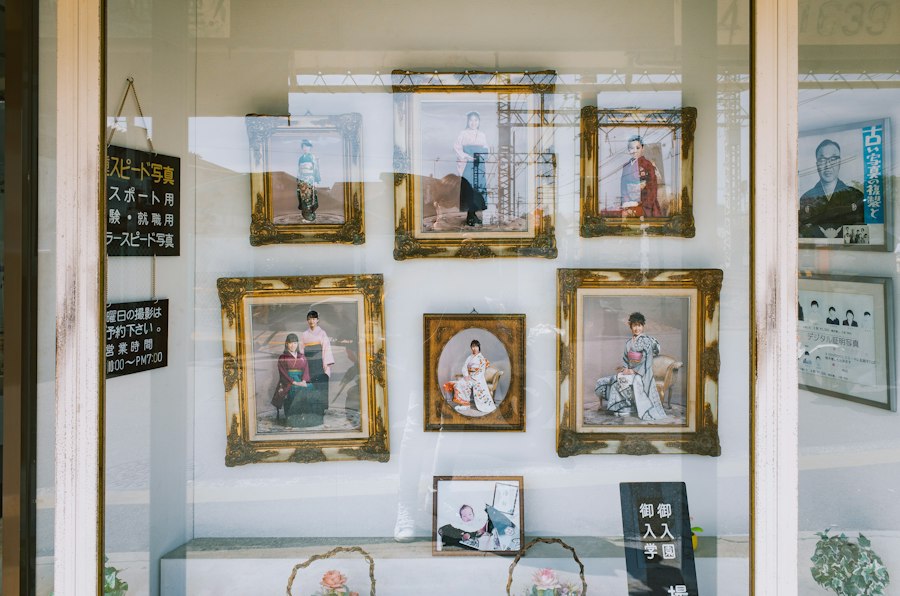
Mastering Portrait Photography in Kyoto: 2026 Guide
Capturing the perfect portrait photography in Kyoto requires more than just a camera; it demands an appreciation for the subtle intersection of timeless tradition and modern light. As you prepare for your 2026 trip, you will find that this city offers a unique canvas where the aesthetic of the Edo period meets the crisp clarity of contemporary equipment. Whether you are aiming for intimate street shots in Gion or grand, stylized portraits against the backdrop of ancient shrines, Kyoto remains the premier destination for visual storytellers.
Choosing the Right Season for Your Session
When planning your portrait photography in Kyoto, timing is everything. In 2026, the city remains highly popular, meaning peak seasons can be crowded. If you want those clean, undisturbed shots, I recommend visiting during the shoulder seasons. Late February offers a chance to photograph early plum blossoms, which are often overlooked in favor of the more famous cherry blossoms in early April. If you prefer the fiery colors of the maples, mid-November provides the most dramatic lighting for your subject. Avoid the humidity of August if you want your models to remain composed and comfortable throughout the day.

Essential Gear and Technical Settings
For high-quality portrait photography in Kyoto, you need to balance portability with power. Because you will be walking significant distances through districts like Higashiyama, a heavy tripod is often more of a burden than a benefit. I suggest a fast 85mm prime lens for that creamy bokeh that separates your subject from the busy background. You will find that the light in Kyoto can be tricky due to the high contrast between shadows in narrow wooden alleys and the bright sunlight hitting temple roofs. Always shoot in RAW format to ensure you have the dynamic range needed to pull details from the dark corners of a tea house.
Recommended Photography Hotspots
- Fushimi Inari Taisha: Best at sunrise to avoid the crowds.
- Philosophers Path: Perfect for natural, candid portraits under the trees.
- Gion District: Ideal for evening shots, but respect local privacy laws.
- Arashiyama Bamboo Grove: Stunning vertical lines for structured portrait work.
- Nanzen-ji Temple: Massive wooden architecture that adds scale to your portraits.
How to Get Around
Navigating the city efficiently is vital to maximizing your shooting time. Kyoto is best accessed by a combination of rail and bus, but the subway is your most reliable friend when you are carrying expensive gear.
- Kyoto City Subway: Use the Karasuma and Tozai lines for rapid transit between major districts.
- City Bus: Best for reaching temples, though it can get crowded during peak hours.
- Rental Bicycles: The most flexible way to move between smaller shrines in the northern areas.
- Walking: Essential for the narrow alleys of Gion where vehicles cannot enter.
- Taxi: Recommended for early morning sessions when public transport is not yet running.
Traveler's Warning: While local authorities in 2026 have become stricter about photography in private alleyways in Gion, do not be tempted to trespass. Filming or photographing on private property without permission can result in heavy fines and local hostility, which will quickly end your day of portrait photography in Kyoto.
Where to Eat During Your Shoot
Maintaining energy is key when you are spending ten hours on your feet. You will find that the food scene in Kyoto is as photogenic as the architecture.
- Nishiki Market: Grab quick, authentic skewers and fresh tofu snacks.
- Pontocho Alley: Perfect for a sophisticated dinner after your evening shoot.
- Kyoto Station Area: Offers dozens of affordable options for a quick lunch before heading back out.
- Local Coffee Houses: Stop in for a matcha latte to keep your subject energized.
The Legal and Ethical Landscape in 2026
As you engage in portrait photography in Kyoto, you must remain mindful of the evolving local regulations. In 2026, the city has implemented clear signage regarding where tripods are permitted. Many temples now explicitly forbid the use of professional lighting equipment and tripods to protect the delicate wooden flooring and to maintain a peaceful atmosphere for worshipers. Always check the official website of the site you intend to visit before setting up your gear. If you are shooting with a model in traditional kimono, ensure that you have booked the rental well in advance, as the most authentic studios fill up months ahead of time.
Pro Tip: The Hidden Golden Hour
Pro tip for you: Everyone talks about the sunset, but the most magical light for portrait photography in Kyoto happens right after the sun dips below the western mountains. The sky turns a soft, muted indigo, which perfectly complements the warm glow of the paper lanterns that begin to light up the streets of Pontocho. Use a wider aperture during this time and embrace the slight grain in your photos; it adds a cinematic, authentic quality that perfectly captures the mood of a Kyoto evening.
Budgeting for Your Photography Trip
Professional photography in Kyoto does not have to break the bank if you plan correctly. A typical day of independent shooting will cost you roughly 5,000 to 8,000 yen for transport and snacks. If you plan to hire a local guide or a studio assistant, expect to pay between 20,000 and 40,000 yen for a half-day session. Check platforms like Booking.com for centrally located guesthouses, as staying in the downtown area will save you significant time and taxi fares. According to recent city tourism data, mid-week stays in 2026 are significantly cheaper than weekend trips, so adjust your schedule to keep costs low.
Refining Your Artistic Vision
Now let's talk about the artistic side of your work. You are not just capturing a face; you are capturing a narrative. When focusing on portrait photography in Kyoto, look for the details that speak to the history of the city. A weathered wooden pillar, a mossy stone lantern, or the soft texture of a silk obi—these are the elements that elevate a standard portrait into a piece of art. If you feel like your images are becoming too static, try using a slower shutter speed to capture the movement of locals walking through the frame. This creates a sense of place and energy that brings your still images to life.
Ultimately, the secret to success is patience. Spend time observing the light, wait for the crowds to thin out, and always treat your subjects and the city with deep respect. By following these guidelines, you will return home from your 2026 adventure with a collection of images that perfectly encapsulate the beauty of this ancient capital.

Isabella Conti writes in-depth travel guides that turn a new destination into familiar ground. She covers what to see, when to go and how to make the most of your time, with practical detail you can actually use.
💬 Comments (0)
No comments yet. Be the first!