Astrophotography in Death Valley: 2026 Guide
Master the desert night sky with our expert guide to astrophotography in Death Valley 2026, featuring the best dark sky spots.
Mastering Astrophotography in Death Valley: Your Ultimate Night Sky Manual
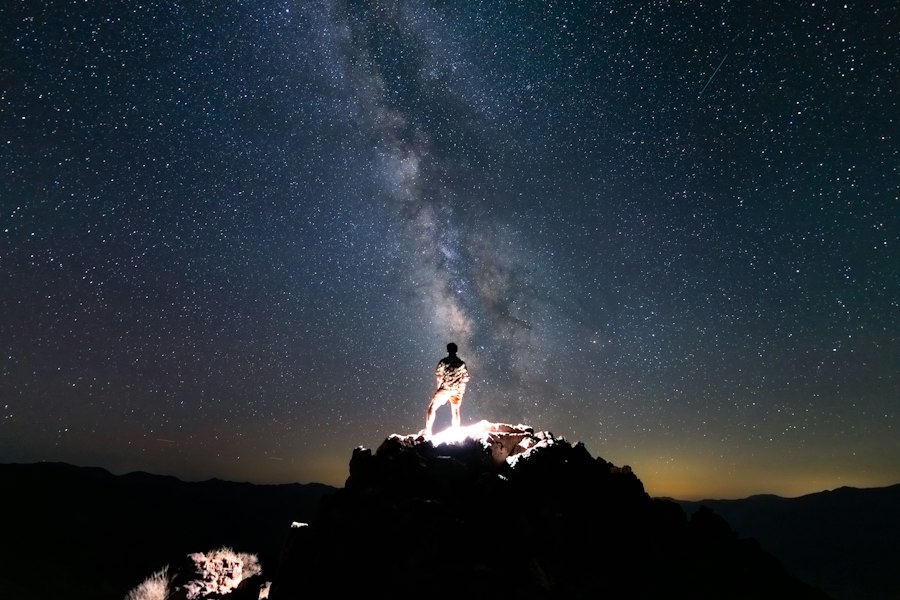
If you are planning a trip for astrophotography in Death Valley, you are preparing to visit one of the premier dark sky destinations on Earth. Designated as a Gold Tier International Dark Sky Park, this vast desert sanctuary offers virtually zero light pollution, giving you a crystal clear view of the Milky Way core, meteors, and distant galaxies. In this comprehensive guide, I will walk you through everything you need to know to capture breathtaking night sky images in 2026, from ideal gear setups to exact shooting locations and local logistics.
The vast topography of this national park creates dynamic foregrounds that elevate night imagery from simple star fields to dramatic works of art. Whether you are aiming your lens over cracked salt flats or towering sand dunes, astrophotography in Death Valley provides endless composition possibilities. The air here is exceptionally dry, which prevents moisture haze from dulling the brightness of distant stars. To make the most of your adventure in 2026, proper planning is essential because the environment is extreme and remote.
When to Plan Your Night Sky Expedition
Timing is everything when you want to shoot the night sky. For capturing the radiant galactic core of the Milky Way, plan your trip between March and October 2026. During the early spring months, the core rises in the early morning hours before twilight, while in late summer and early autumn, it stands tall right after sunset. To get the darkest skies possible, always schedule your photography sessions during the new moon phase or when the moon sets early in the evening.
If you're wondering about winter shooting conditions, November through February offers fantastic opportunities for deep sky tracker shots and long exposure star trails, even though the bright galactic core rests below the horizon. Winter daytime temperatures are remarkably pleasant, making sceneries easier to scout. However, night temperatures in the desert drop rapidly, so packing heavy insulation gear is mandatory regardless of the month you select.
Top Shooting Spots for Astrophotography in Death Valley
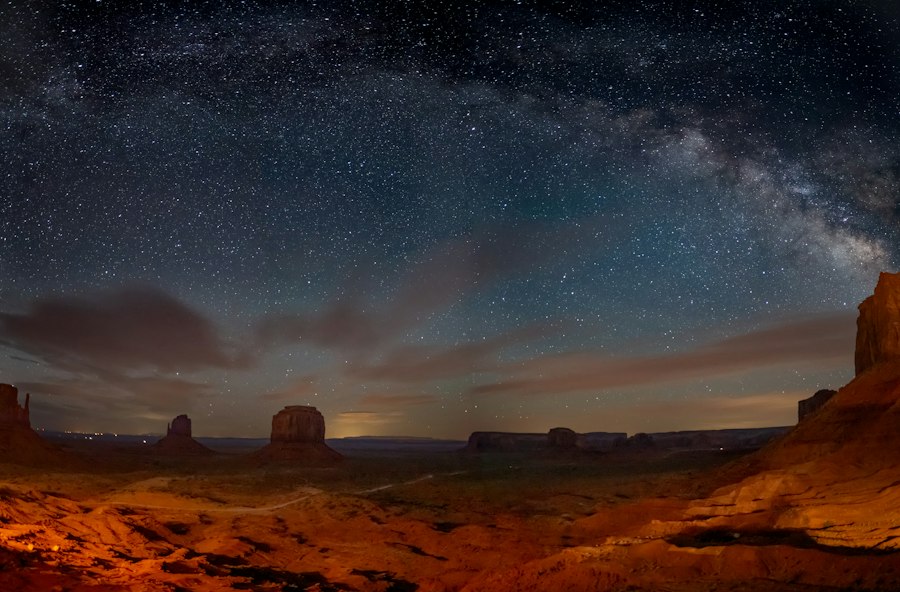
Selecting the right foreground is the secret to unforgettable night compositions. The desert floor offers distinct geological zones, each providing a unique perspective under the stars.
Badwater Basin
Located roughly 18 miles south of the Furnace Creek resort area along Badwater Road, this salt flat sits at 282 feet below sea level. The geometric, cracked salt crust creates an otherworldly foreground that leads the viewer's eye straight up into the shimmering Milky Way. Walk about twenty minutes out onto the salt flats to escape any stray footprints and ambient vehicle light from the parking lot.
Mesquite Flat Sand Dunes
Positioned right near Stovepipe Wells, these famous rolling sand hills present organic curves and sharp ridges. Shooting astrophotography in Death Valley at this spot lets you frame stars directly above sweeping desert shadows. Aim your camera southeast for the best galactic alignment during spring and summer nights. Make sure to track your footsteps carefully so you do not get disoriented on the path back.
Zabriskie Point and Badlands
Zabriskie Point delivers a panoramic elevated view over golden, eroded badlands. It is located just off Highway 190, a quick ten minute drive east from Furnace Creek. The high perspective allows you to shoot downward into dark, sweeping gulches while capturing a massive sky overhead. It is easily accessible, making it ideal if you prefer not to hike far in total darkness.
Traveler's Warning: GPS systems regularly fail in low elevation desert canyons. Always download offline maps before entering the park, and carry a physical topo map. Never trek into remote flats like Badwater Basin without a dedicated headlamp and extra backup batteries, as navigating dark salt pans looks completely different at night than in daytime.
How to Get Around the Desert Safely
Navigating this massive landscape requires reliable transport and careful preparation. The distances between light free shooting zones can span fifty miles or more, so keeping your gas tank topped off is critical.
Now let's talk about the practical transit options you will use during your stay in 2026:
- Rental Vehicles: Renting a standard SUV or sedan from Las Vegas Harry Reid International Airport, located roughly 120 miles east, is the most common route. Car rental rates average between 45 USD and 85 USD per day.
- Four Wheel Drive Options: If you plan to reach rugged locations like the Racetrack Playa or Titus Canyon, you must rent a high clearance four wheel drive vehicle from specialized outfits in Las Vegas or Ridgecrest, which typically cost 180 USD to 250 USD per day.
- Park Transit and Shuttles: There are no public bus transit lines operating inside the park boundaries. You must rely on a private car or book guided photo tours originating from major surrounding cities.
Where to Stay and Eat During Your Trip
When you are out shooting late into the night, staying near your scouted locations saves precious sleep. The main accommodation hubs inside the park center around Furnace Creek and Stovepipe Wells. According to Booking.com availability for 2026, rooms at The Ranch at Death Valley run around 220 USD to 340 USD per night, placing you right at the geographical heart of the valley floor.
For budget travelers, National Park Service campgrounds such as Furnace Creek Campground or Texas Springs charge between 16 USD and 30 USD per night, offering basic facilities close to top photographic vantage points. If you seek luxury, The Inn at Death Valley offers top tier amenities starting around 480 USD per night.
If you're wondering about dining choices between dusk and dawn photo runs, here are the primary places to refuel:
- Last Kind Words Saloon (Furnace Creek): Serves robust American fare, steaks, and burgers. Entrees range from 18 USD to 42 USD. Highly rated on TripAdvisor for its western historic decor.
- Tollday Cafe (Stovepipe Wells): Great for quick breakfasts, coffee, sandwiches, and gear supplies before hitting the dunes. Expect to spend 10 USD to 20 USD per person.
- Seventy Six Fuel Station Grab and Go: Perfect for midnight snacks, extra gallons of drinking water, and hot coffee during long exposure sessions.
Pro tip for you: On my last midnight shoot at Badwater Basin, I brought a thermal thermos filled with hot coffee and extra hand warmers. Even when the daytime temperature hits 90 degrees Fahrenheit, night winds on the open salt flats in early spring drop fast toward 40 degrees Fahrenheit. Keeping your core warm keeps your hands steady while adjusting fine manual focus rings on your wide angle lenses.
Essential Camera Gear and Settings
To successfully capture astrophotography in Death Valley, you need full manual control over your camera gear. Modern mirrorless or DSLR cameras with strong high ISO performance are ideal. Pair your camera body with a fast, wide angle lens featuring a maximum aperture of f/2.8 or wider, such as 14mm to 24mm focal lengths.
Follow these base camera settings for your initial test shots:
- Aperture: Set your lens to its widest setting, such as f/1.8, f/2.8, or f/2.8.
- ISO: Start between ISO 3200 and ISO 6400, depending on sensor capabilities.
- Shutter Speed: Calculate using the 500 Rule (500 divided by focal length) to prevent star trailing. For a 20mm lens, keep exposures around 15 to 20 seconds.
- Focus: Switch to manual focus, activate live view zoom, and align focus precisely on a bright star until it appears as a pinpoint of light.
Top Things to Do Between Night Shoots
While your primary objective is capturing the night sky, daytime exploration offers incredible opportunities to scout compositions, gather location data, and enjoy iconic geological wonders.
Here are the top activities to add to your daytime itinerary:
- Scout Night Shots at Artist's Palette: Drive along the scenic one way loop off Badwater Road to locate colorful volcanic mineral formations that make stunning silhouettes after sunset.
- Explore Golden Canyon: Hike the two mile trail through narrow yellow rock walls to stretch your legs and study lighting patterns for low light blue hour photography.
- Visit Dante's View: Drive up to this 5,500 foot mountain vantage point for panoramic views over the salt flat basin below, perfect for sunset shooting before the stars emerge.
Official data from the National Park Service highlights that visiting during 2026 requires an entrance fee of 30 USD per vehicle, valid for seven days. Purchasing an America the Beautiful Interagency Pass for 80 USD is highly recommended if you plan to visit multiple national parks across the region. With its endless dark horizons, dramatic topography, and world renowned clarity, taking on an adventure for astrophotography in Death Valley will reward you with extraordinary photographs to add to your visual portfolio for years to come.
Lars Lindgren puts together detailed guides to cities and regions, drawing on his own travels to flag the things worth your time. He focuses on clear, honest advice that holds up once you are actually on the ground.
💬 Comments (0)
No comments yet. Be the first!