Night Cityscape Photography in Singapore 2026
Capture the iconic glowing skyline of Singapore 2026 with this expert guide to the best night cityscape photography locations.
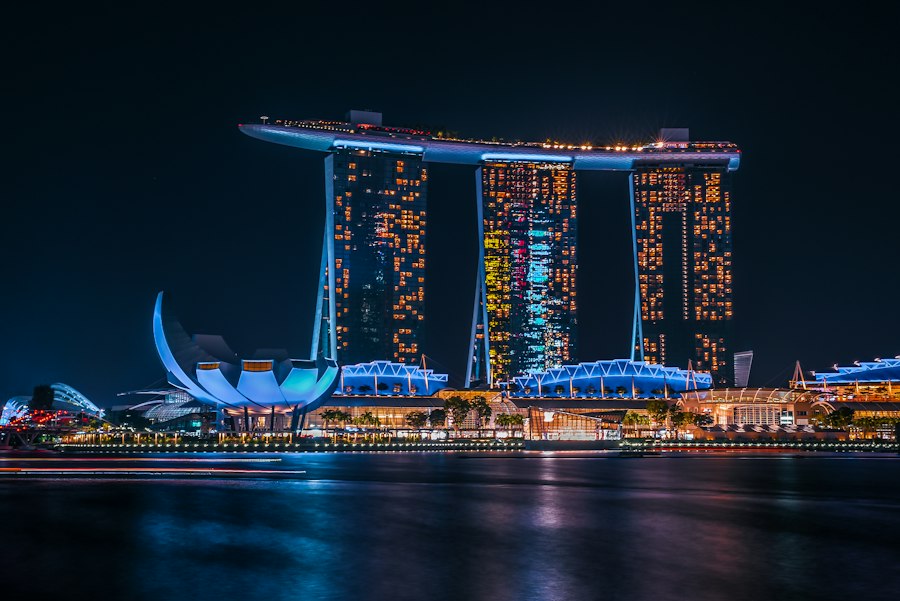
Mastering night cityscape photography in Singapore 2026 is one of the most rewarding creative endeavors you can undertake in Southeast Asia. The island nation transforms after dusk into a glowing, futuristic wonderland where ultra-modern skyscrapers stand alongside tranquil waterways and lush green spaces. Whether you want to capture the famous Marina Bay skyline or hunt for architectural angles in heritage neighborhoods, Singapore offers endless possibilities for photographers of all skill levels. In this guide, I will walk you through the top photography locations, essential camera settings, practical transport advice, and dining spots to fuel your nocturnal shoots.
The Ultimate Shooting Spots for Night Cityscape Photography in Singapore 2026
To capture the dynamic light of the city, you need to know exactly where to set up your tripod. The urban layout here is dense, meaning a short walk can give you a completely different perspective on the skyline.
1. Marina Bay Waterfront Promenade
Marina Bay remains the crown jewel for any photographer visiting the city. Walking along the wooden boardwalk gives you an unobstructed view of the Financial District towers, the lotus-shaped ArtScience Museum, and the iconic Marina Bay Sands hotel. If you're wondering about timing, aim to arrive around 7:00 PM to catch the blue hour transition when the deep sky contrasts perfectly with the golden building lights. Now let's talk about the Light and Water Show, Spectra, which runs nightly at 8:00 PM and 9:00 PM. Capturing the laser beams firing over the bay requires a wide-angle lens and a shutter speed of around 2 to 5 seconds to blur the water while keeping the beam light crisp. According to official Singapore Tourism Board data, this promenade continues to be the most visited nighttime vantage point in the country.
2. The Helix Bridge and Youth Olympic Park
Moving on to another nearby favorite, the double-helix structure of the Helix Bridge offers brilliant leading lines. You can use the illuminated steel spirals to frame Marina Bay Sands in the background. Position yourself at one of the extended viewing pods over the water to minimize vibration from pedestrians. A focal length between 16mm and 24mm works best here to capture the curvature of the bridge alongside the distant architectural lights.
3. Supertree Grove at Gardens by the Bay
Just a short stroll over the connecting bridge takes you to the futuristic Supertree Grove. These towering vertical gardens light up in vibrant shades of magenta, blue, and green. For effective night cityscape photography in Singapore 2026, bring a ultra-wide lens, such as a 12-24mm, and shoot from a low angle near the base of the trees. This perspective makes the structures look grand and otherworldly. The nightly Garden Rhapsody light show at 7:45 PM and 8:45 PM provides fantastic dynamic lighting opportunities.
Traveler's Warning: Security guards strictly enforce tripod policies in certain private plazas around the Financial District, such as One Raffles Place and Ocean Financial Centre. Always keep your setup unobtrusive, avoid blocking pedestrian pathways, and be prepared to move if asked politely by building personnel.
Essential Equipment and Camera Settings
Achieving clean, sharp images during night cityscape photography in Singapore 2026 requires specific gear management and technique. The tropical climate introduces unique environmental factors that every photographer must manage.
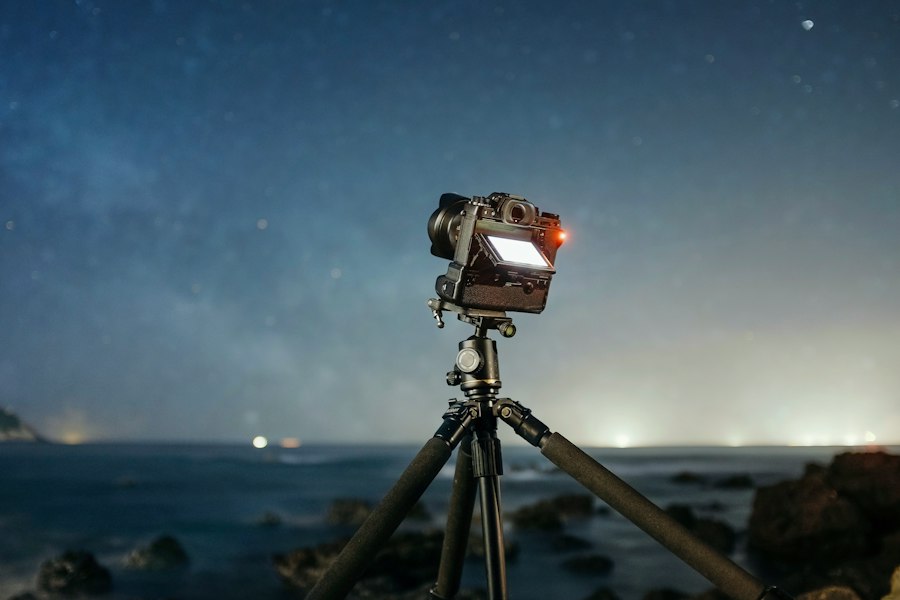
- Sturdy Travel Tripod: Wind gusts near the bay and subtle vibrations on timber boardwalks can ruin long exposures. Choose a carbon fiber tripod that weighs under 1.5 kg for easy carrying.
- Remote Shutter Release: Touching your camera to trigger the shutter causes tiny vibrations. Use a cable release or set a 2-second internal timer.
- Lens Care Supplies: Moving from air-conditioned hotel rooms or train stations into the humid Singapore night air instantly fogs up lens glass. Allow your equipment 15 minutes to adjust to ambient temperatures before shooting.
For your baseline camera settings, set your camera to Manual mode. Keep your ISO low, preferably between 100 and 400, to ensure your images are free of digital noise. Set your aperture to f/8 or f/11 to achieve a deep depth of field and turn specular lights into attractive starburst effects. Your shutter speed will typically range between 5 and 20 seconds, depending on the available ambient street lighting.
Pro tip for you: During my last trip, I discovered that the upper deck of the Marina Barrage offers an incredible view of the entire skyline reflected across the calm reservoir water. I recommend you take a micro-fiber cloth and lens heater strip with you because the coastal humidity builds up fast on glass surfaces during long 15-second exposures.
Top Things to Do for Night Photography Enthusiasts
Beyond the typical bay views, Singapore offers unique structural and cultural perspectives for your night shoot itinerary. Exploring these areas will give your portfolio a distinct edge.
Top Things to Do
- Capture Heritage Shophouses in Chinatown: Head to Keong Saik Road to photograph classic 1920s shophouses set against the backdrop of modern residential skyscrapers like Pinnacle at Duxton.
- Shoot the Bridges of Clarke Quay: Walk along the Singapore River to capture the colorful reflections on the water and the illuminated arches of the historic Cavenagh and Coleman Bridges.
- Photograph the Skyline from Mount Faber: Take the cable car or walk up to Mount Faber Peak for an elevated panoramic view of the Keppel Harbour and the glowing city grid.
- Explore the Future at Jewel Changi: Before heading to the airport, shoot the indoor HSBC Rain Vortex, which features dynamic light shows inside a glass dome structure.
How to Get Around Singapore at Night
Navigating the city after dark is efficient, clean, and extremely safe. The public transit system runs late into the night, allowing you to move smoothly between shooting locations without spending excessive money on private transport.
If you're wondering about transit options, the Mass Rapid Transit train network is your best option. The Downtown Line Blue and North South Line Red cover virtually every major photography zone in the central area. Trains run from 5:30 AM until around midnight daily. You can tap in and out of station gantries using your contactless credit card, with average fares ranging from 1.20 SGD to 2.50 SGD per trip.
How to Get Around
- MRT Train System: The most affordable way to travel. Use Bayfront Station for Marina Bay Sands and Promenade Station for the Singapore Flyer.
- Public Buses: Excellent for scenic transfers between Chinatown, Boat Quay, and Civic District. Fares are under 2.00 SGD using contactless payment.
- Ride-Hailing Apps: Use apps like Grab, Gojek, or Tada for late-night transfers after midnight when trains stop running. A ride across the city center costs between 12.00 SGD and 22.00 SGD.
- Walking: Singapore is exceptionally pedestrian-friendly with paved, well-lit walkways connecting Marina Bay, Raffles Place, and Bugis.
Where to Eat After a Late Night Photo Session
Night cityscape photography in Singapore 2026 burns plenty of calories, and luckily, the local food scene stays open late. You do not need to settle for fast food when you can enjoy world-class hawker dishes just steps away from your shooting locations.
Lau Pa Sat is a prime example. Located right in the heart of the Financial District, this 19th-century cast-iron market converts its adjacent street into an open-air satay market every evening from 7:00 PM until late. You can sit under the stars surrounded by illuminated skyscrapers while enjoying grilled chicken and beef skewers with peanut sauce. High ratings on TripAdvisor consistently rank Lau Pa Sat among the best late-night dining experiences for international visitors.
Where to Eat
- Lau Pa Sat Satay Street: Located at 18 Raffles Quay. Famous for charcoal-grilled satay skewers and cold local beer under the towers. Average cost: 10.00 to 20.00 SGD per person.
- Makansutra Gluttons Bay: Situated near Esplanade Theatre. Offers spicy sambal stingray, fried carrot cake, and crisp chicken wings right on the waterfront. Average cost: 12.00 to 25.00 SGD per person.
- Zion Riverside Food Centre: A short walk from Havelock MRT station. Great for late-night char kway teow fried rice noodles and prawn soup. Average cost: 6.00 to 12.00 SGD per person.
- Newton Food Centre: Open until 2:00 AM. Popularized for its seafood dishes like chili crab and black pepper crab. Average cost: 25.00 to 50.00 SGD per person.
Where to Stay for Easy Night Access
To maximize your time doing night cityscape photography in Singapore 2026, choose accommodations located along the Marina Bay or Civic District corridors. Checking current Booking.com availability early is highly recommended, as prime rooms with balcony skyline views book out months in advance.
For mid-range budgets between 180.00 SGD and 280.00 SGD per night, look into properties around Bugis, Clarke Quay, or Tanjong Pagar. Hotels like Carlton Hotel or Riverside Hotel Robertson Quay put you within walking distance of river views and MRT stations. Luxury options like The Fullelton Hotel or Marina Bay Sands cost upwards of 600.00 SGD per night, but they provide private balconies that serve as private shooting platforms overlooking the illuminated harbor.
Final Tips for Success
Executing successful night cityscape photography in Singapore 2026 comes down to preparation and patience. Check the local weather forecast daily using real-time radar apps, as quick tropical rain showers can pass through rapidly. These light rains are actually a hidden benefit; they clear humidity out of the air and leave wet pavement surfaces that reflect the neon signs and architectural lights brilliantly. Pack your camera bag, charge your batteries, and step out into one of the most visually stunning urban environments in the modern world.
Lars Lindgren puts together detailed guides to cities and regions, drawing on his own travels to flag the things worth your time. He focuses on clear, honest advice that holds up once you are actually on the ground.
💬 Comments (0)
No comments yet. Be the first!