Lausanne Travel Guide 2026: The Ultimate Tips
Our Lausanne Travel Guide 2026 offers expert tips on exploring this scenic Swiss city, from Lake Geneva to medieval streets.
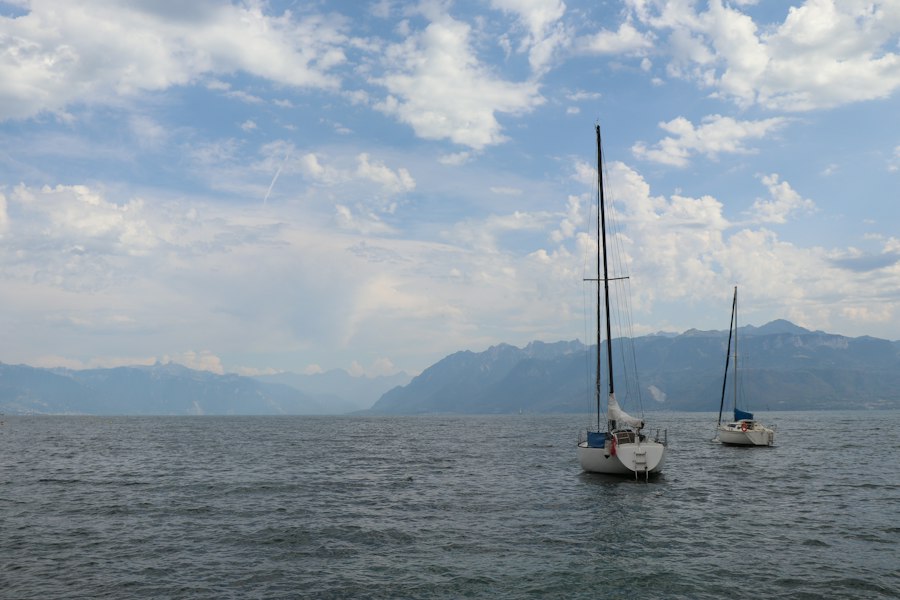
If you are planning a trip to Switzerland this year, this Lausanne Travel Guide 2026 is your ultimate companion to navigating one of the most picturesque cities on Lake Geneva. Built on three hills and surrounded by vineyards, this French-speaking gem combines a vibrant student energy with a rich history, world-class museums, and breathtaking Alpine views. Whether you want to explore medieval streets or stroll along the sunny lakeside promenades, you will find that Lausanne offers the perfect mix of urban culture and natural beauty.
As a seasoned travel expert, I have compiled everything you need to know to make the most of your trip. From navigating the steep medieval hills to finding the best fondue in town, this comprehensive guide will ensure you experience the city like a local. Let us dive into how you can plan the perfect itinerary for 2026.
Why Lausanne Should Be on Your 2026 Travel Radar
Lausanne is often overshadowed by its larger neighbor, Geneva, but it holds a unique charm that makes it a must-visit destination. As the headquarters of the International Olympic Committee, it is officially designated as the Olympic Capital. This status has infused the city with a dynamic, sporty, and forward-thinking atmosphere that you will feel the moment you arrive.
According to recent visitor data from the official Lausanne Tourism board, the city has seen a significant rise in sustainable travel initiatives for 2026, making it easier than ever to explore the region eco-friendly. The city seamlessly blends its historic roots with modern innovations, particularly in the arts district of Plateforme 10. Moving on to the practical side of your journey, let us look at how you can get to and around this hillside metropolis.
How to Get Around Lausanne
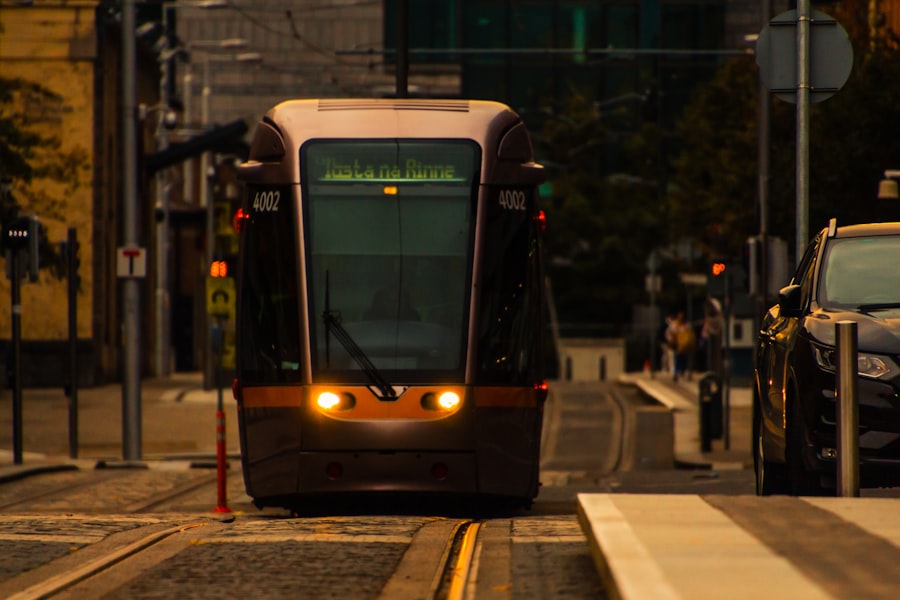
If you are wondering about the geography of the city, you should know that Lausanne is famously steep. Walking up and down the hills can be a serious workout. Fortunately, the public transport system is incredibly efficient, clean, and easy to use. In fact, Lausanne is the smallest city in the world to have a rapid transit metro system.
When you check into any official accommodation, such as those booked through top-rated platforms like Booking.com, you will receive the Lausanne Transport Card for free. This card gives you unlimited free travel on all local public transport (bus, metro, and suburban trains) in the second-class category for the duration of your stay. Here is a quick breakdown of how to navigate the city transport network:
- The Metro (M1 and M2 Lines): The M2 line is the most important for tourists. It is an automated, rubber-tired metro that climbs the steep slope from Ouchy on the lakeside, through the main train station (Gare CFF), up to the historic Flon district and the Old Town (Riponne or Bessieres).
- Local Buses: The TL (Transports Publics de la Region Lausannoise) bus network covers every corner of the city. Bus 21, for example, is highly useful for traveling from the main station to the lakeside areas.
- CGN Passenger Ferries: If you want to cross Lake Geneva to visit the French town of Evian-les-Bains, you can take the regular CGN passenger ferries departing from the Ouchy docks. The crossing takes only 35 minutes and costs around 36 CHF for a round-trip ticket.
Money-Saving Secret: Do not buy individual transport tickets if you are staying overnight. Always ask your hotel, hostel, or guesthouse host for your free Lausanne Transport Card immediately upon arrival. This card also grants you excellent discounts on entry fees for major museums and boat cruises, saving you up to 50 CHF per day on sightseeing.
Top Things to Do and See in Lausanne
Now let us talk about the incredible sights that await you in this Swiss paradise. This Lausanne Travel Guide 2026 highlights the absolute best spots you cannot afford to miss, whether you are a history buff, an art lover, or an outdoor enthusiast.
Explore the Historic Cite and Lausanne Cathedral
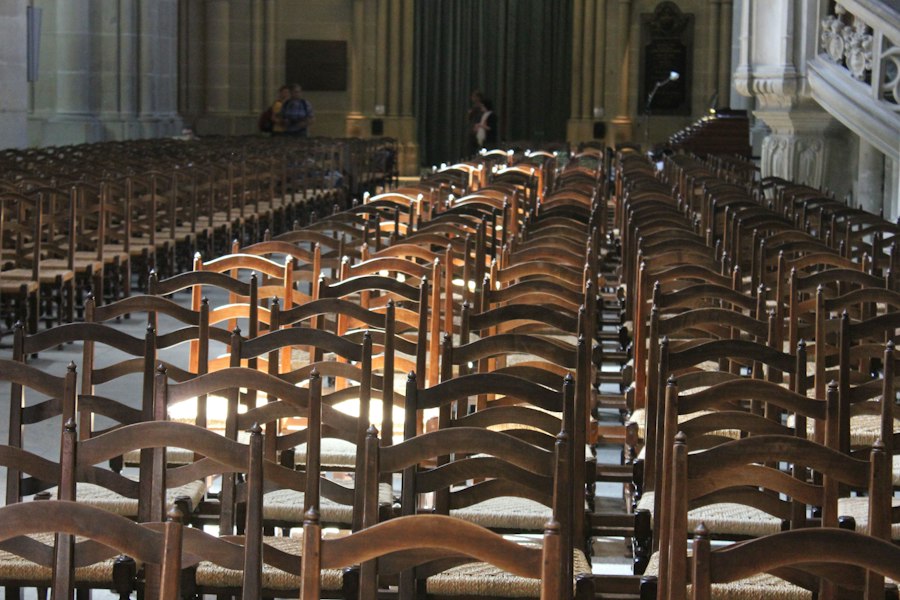
The historic heart of Lausanne, known as the Cite, is dominated by the majestic Cathedral of Notre-Dame. Built in the 12th and 13th centuries, it is widely considered one of the finest examples of Gothic architecture in Europe. You can climb the 224 steps of the cathedral tower for a spectacular panoramic view of the red-tiled roofs, the lake, and the French Alps in the distance. Entry to the cathedral is free, but climbing the tower costs about 5 CHF.
Stroll Through the Ouchy Lakeside Promenade
For a more relaxed vibe, head down to Ouchy, the city lakeside resort area. Here, you will find beautifully landscaped parks, grand Belle Epoque hotels, and lively cafes. It is the perfect place to rent a pedal boat, enjoy a local Swiss gelato, or simply sit on a bench and watch the sailboats glide across Lake Geneva. You will also find the world-famous Olympic Museum situated in a stunning park overlooking the lake just a short walk from the docks.
Discover the Plateforme 10 Arts District
If you are looking for modern culture, Plateforme 10 is the place to be. This innovative arts district, located right next to the main railway station, brings together three major museums: the Cantonal Museum of Fine Arts (MCBA), the Museum of Contemporary Design and Applied Arts (MUDAC), and Photo Elysee. It is a stunning architectural masterpiece that has quickly become a hub for creative minds from all over the world.
To help you organize your daily sightseeing, here is a curated list of the absolute best activities to add to your itinerary:
- Visit the Olympic Museum: Explore three floors of interactive exhibits, historical artifacts, and Olympic torches. Tickets cost 20 CHF for adults, and TripAdvisor ratings consistently rank this as the number-one attraction in Lausanne.
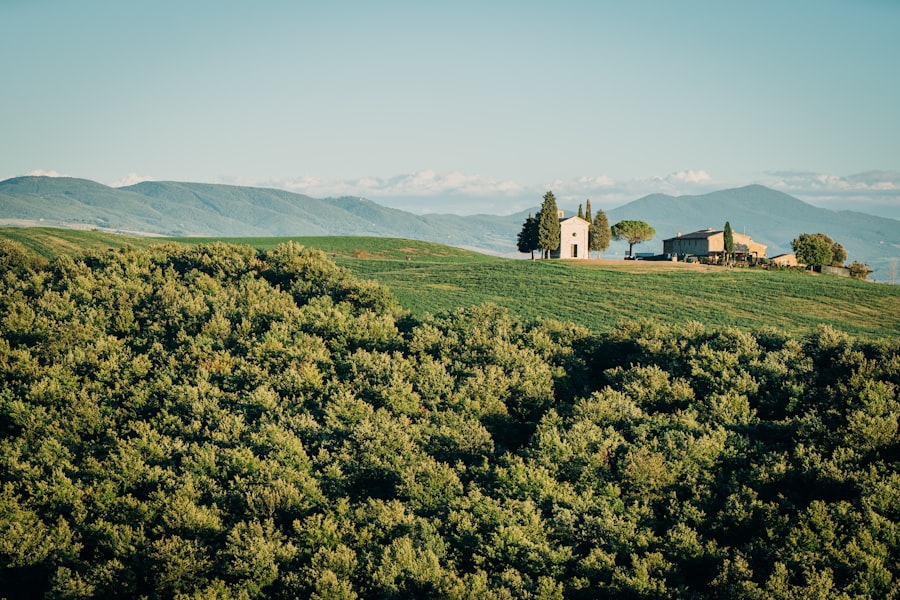
- Wander the Lavaux Vineyards: Just a 10-minute train ride from Lausanne on the S2 or S5 lines, this UNESCO World Heritage site features stunning terraced vineyards overlooking the lake. I recommend taking a scenic walk from Cully to Lutry and stopping at local cellars for wine tasting.
- Shop at the Saturday Open-Air Market: If you are in town on a Wednesday or Saturday morning, head to the pedestrian streets of the Old Town (Rue de Bourg and Place de la Palud) to experience the lively local market filled with fresh cheeses, flowers, and local pastries.
Where to Eat: The Best Culinary Spots in Lausanne
No Lausanne Travel Guide 2026 would be complete without diving into the local culinary scene. Lausanne offers a fantastic array of dining options, from traditional Swiss taverns serving bubbling pots of cheese fondue to Michelin-starred establishments and trendy international cafes.
Because of its proximity to the lake, you will find plenty of restaurants serving fresh perch fillets (filets de perche) caught directly from Lake Geneva, usually served with a rich lemon-butter sauce and French fries. Here is a quick list of recommended places to eat during your visit:
- Cafe du Gruetli: Located in the Old Town, this historic establishment is the ultimate place to try traditional Swiss cheese fondue or raclette. Expect to pay around 30 to 35 CHF per person for a classic fondue.
- Le Pointu: A trendy cafe near the cathedral, perfect for a delicious weekend brunch, fresh salads, and artisanal coffee. It has a fantastic, friendly atmosphere and is highly popular among young locals.
- Great Escape: If you are looking for a lively outdoor terrace, excellent burgers, and a wide selection of local craft beers, this student-friendly pub near Place de la Riponne is the place to go.
Pro tip for you: If you want to experience authentic Swiss dining without breaking the bank, look for the daily lunch special, known as the "plat du jour," which most local restaurants offer on weekdays. These hearty meals usually cost between 18 and 25 CHF and often include a starter, saving you a significant amount of money compared to ordering a la carte for dinner.
Neighborhoods to Explore in Lausanne
If you're wondering about where to base yourself during your stay, Lausanne has several distinct neighborhoods, each offering a unique atmosphere. Booking your accommodation through trusted sites like Booking.com ahead of time is highly recommended, as the best spots fill up quickly, especially during the summer festival season.
Flon: The Trendy and Modern Hub
Once an industrial warehouse district, Flon has been completely transformed into the trendiest neighborhood in Lausanne. Today, it is filled with modern architecture, art galleries, cinemas, trendy boutiques, and some of the best nightlife spots in the city. It is a fantastic area to explore in the evening if you want to enjoy a cocktail or dance the night away.
Sous-Gare and Ouchy: Lakeside Elegance
Located below the main train station, this area is much quieter and offers a relaxed, resort-like feel. It is perfect for families and couples who want to stay close to the lake and enjoy scenic morning walks. The historic M2 metro line connects this peaceful neighborhood to the bustling city center in just five minutes.
Essential Tips for Planning Your 2026 Trip
To conclude this Lausanne Travel Guide 2026, let us cover some practical tips to ensure your trip runs smoothly. Switzerland is known for its high standard of living, which also means it can be expensive. Planning ahead and budgeting carefully will help you enjoy your trip without any financial stress.
First, keep in mind that Switzerland uses the Swiss Franc (CHF), not the Euro. While many places accept Euros, you will usually receive your change in Swiss Francs at a less-than-favorable exchange rate. Card payments are widely accepted everywhere, from high-end boutiques to local market stalls, so you do not need to carry a large amount of cash.
Second, remember that shops in Switzerland are generally closed on Sundays. If you need to buy groceries or essentials on a Sunday, your best option is to head to the shopping center inside the Lausanne CFF train station, where grocery stores and pharmacies remain open all day.
With its stunning natural scenery, rich history, and dynamic cultural scene, Lausanne is truly a highlight of any Swiss itinerary. By using the tips in this Lausanne Travel Guide 2026, you are fully prepared to navigate the steep hills, enjoy the best local foods, and create memories that will last a lifetime. Pack your walking shoes and get ready to experience the very best of Lake Geneva!
Frequently Asked Questions
When is the best time to visit Lausanne in 2026?
Visit between May and September for warm weather and lakefront festivals. Spring and early autumn offer fewer crowds and lower prices.
How do I get around Lausanne without a car?
Lausanne has an efficient metro, bus, and trolley network, plus a scenic funicular. A Mobilis day pass covers all public transport zones.
What are the must-see attractions in Lausanne?
Don't miss the Olympic Museum, Lausanne Cathedral, and the charming Old Town. The lakeside Ouchy promenade is perfect for a relaxed stroll.
Is Lausanne expensive for travelers on a budget?
Switzerland is costly, but Lausanne offers free walking tours, affordable picnic spots, and budget hostels. Consider a Lausanne Transport Card from your hotel for free transit.
What local food should I try in Lausanne?
Try papet vaudois, a leek and potato dish with sausage, and Swiss cheese fondue. Lake Geneva fish like filets de perche are also a local specialty.

Lars Lindgren puts together detailed guides to cities and regions, drawing on his own travels to flag the things worth your time. He focuses on clear, honest advice that holds up once you are actually on the ground.
💬 Comments (0)
No comments yet. Be the first!