Interlaken Mountain Photography Guide 2026
Capture the dramatic peaks of Switzerland with this expert Interlaken mountain photography guide, perfect for 2026 travelers.
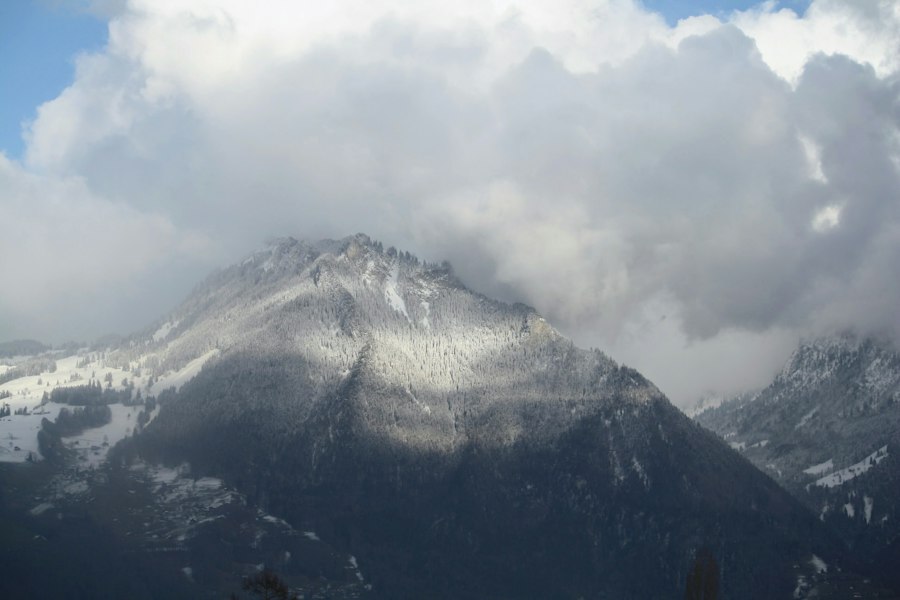
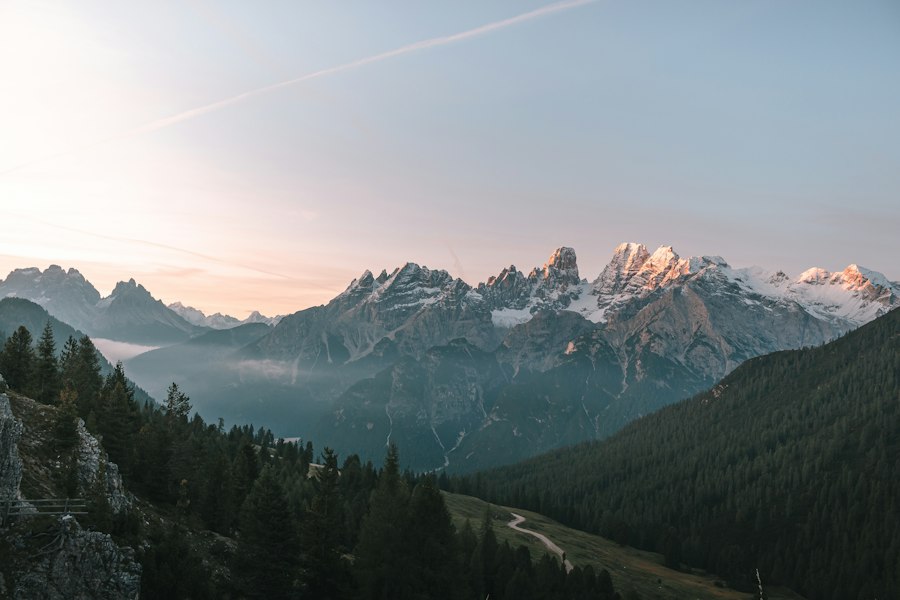
If you are planning the ultimate alpine photography trip, this comprehensive Interlaken mountain photography guide for 2026 will help you capture the most breathtaking vistas in the Swiss Alps. Nestled snugly between Lake Thun and Lake Brienz, Interlaken serves as the golden gateway to the Bernese Oberland. Photographers from all over the world gather here to capture the iconic trio of the Eiger, Monch, and Jungfrau peaks. But finding the exact spots, managing the tricky alpine light, and navigating the mountain transport systems can be challenging. In this guide, I will share the exact locations, transit routes, and local secrets to ensure your memory cards are filled with masterclass shots.
Choosing Your Base: Best Neighborhoods for Photographers
Where you sleep determines how easily you can catch that perfect golden hour light. For quick departures, staying near the Interlaken Ost railway station is your best bet. This area keeps you connected to the mountain trains heading up to Lauterbrunnen and Grindelwald. According to current Booking.com availability for the 2026 season, hotels near Interlaken Ost fill up six to nine months in advance, so booking early is highly recommended. Expect to pay around 150 to 300 Swiss Francs (CHF) per night for a mid-range hotel in this area.
If you prefer a quieter, more traditional Swiss atmosphere, look for accommodations in the Unterseen neighborhood. Located just across the Aare River, Unterseen offers historic wooden chalets, cobblestone streets, and a peaceful backdrop. It is ideal for capturing reflection shots of the mountains in the calm river waters during sunrise. Moving on to our next topic, let us look at how you can navigate this stunning region without breaking the bank.
How to Get Around the Bernese Oberland
Navigating the Swiss transport system is incredibly easy, but it can get expensive if you do not plan ahead. The entire region is connected by an efficient network of trains, cable cars, and funiculars. To get the most out of your Interlaken mountain photography adventures, you must understand your transit options.
- The Swiss Travel Pass: Offers unlimited travel on consecutive days across the entire Swiss travel network, including free entry to over 500 museums and up to 50 percent discount on mountain railways. Prices start around 240 CHF for a 3-day second-class pass.
- The Jungfrau Travel Pass: Highly recommended if you plan to spend 3 to 8 days solely in the Jungfrau region. It covers transit to Harder Kulm, Grindelwald First, and Schynige Platte.
- Local Buses: If you stay in an official hotel in Interlaken, you will receive a free Interlaken Guest Card, which grants you free travel on local buses (Zone 80) and discounts on regional attractions.
- The Berner Oberland Pass: An excellent regional pass that covers a wider area than the Jungfrau Pass, including steam boats on Lake Thun and Lake Brienz.
Money-Saving Secret: Do not buy individual tickets for high-altitude trains like the Jungfraujoch. Instead, purchase a half-fare card for 120 CHF, which immediately slashes the price of all mountain transport by 50 percent. If you plan on taking more than two major cable cars during your 2026 trip, this card pays for itself on day two!
Top Things to Do for Epic Mountain Shots
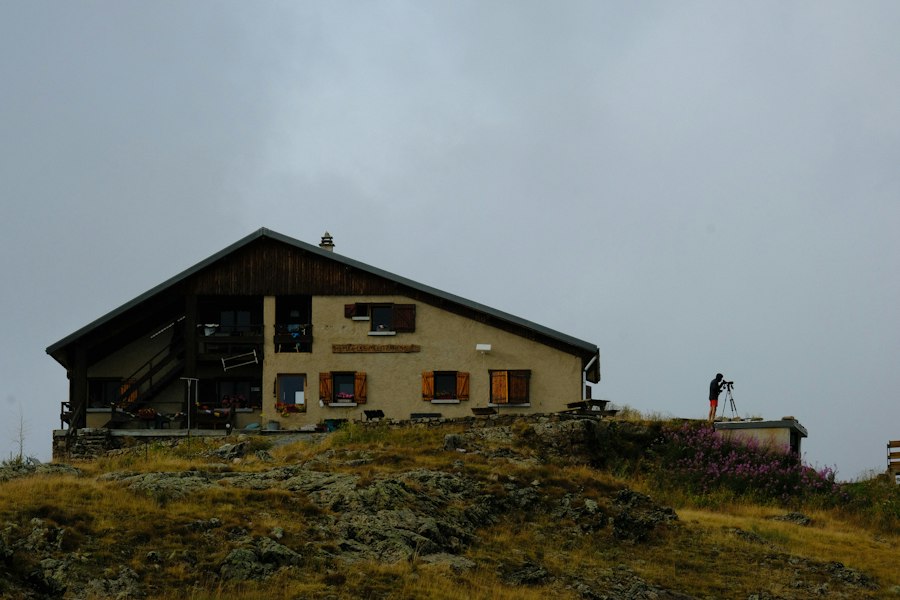
To capture truly iconic images, you need to know where to point your lens. The region offers a mix of dramatic cliffs, calm alpine lakes, and historic trains. Here are the top experiences you should add to your photography itinerary.
- Shoot the Sunrise at Harder Kulm: Take the funicular railway up to Interlaken's local mountain. The viewing platform offers an unobstructed panoramic view of both lakes and the big three peaks.
- Capture the Reflections at Bachalpsee: Take the gondola from Grindelwald to First, then hike 50 minutes to this pristine alpine lake. On a windless day, the Schreckhorn mountain reflects perfectly in the water.
- Chasing Waterfalls in Lauterbrunnen: Photograph the dramatic Staubbach Falls as it plunges nearly 300 meters from the overhanging cliffs right into the valley village.
- Ride the Historic Schynige Platte Railway: Board the 19th-century cogwheel train for a slow, scenic journey that offers classic compositions of vintage red trains against massive limestone walls.
Mastering the Light: Golden Hour Locations
Now let us talk about the specific spots where your Interlaken mountain photography will truly shine. Understanding how the sun hits these valley walls
Golden hour just after sunrise and before sunset offers the warmest light on the peaks. Early morning also gives clearer skies and fewer crowds. A versatile zoom like 24-70mm handles most landscapes and village scenes. Pack a 70-200mm for compressing distant peaks or isolating details. Yes, Harder Kulm and the shores of Lake Brienz provide accessible, iconic views. The Schynige Platte railway also delivers panoramic alpine shots without a long hike. Bracket your shots or use a graduated neutral density filter to balance the high contrast. Exposing for the highlights and lifting shadows in post usually works best. Clearing storms and low-hanging clouds add mood and depth to the peaks. Check local webcams and forecast apps to catch these fleeting conditions.Frequently Asked Questions
What is the best time of day to photograph the Interlaken mountains?
Which lens should I bring for Interlaken mountain photography?
Are there easy viewpoints for mountain photos near Interlaken?
How do I handle exposure when photographing bright snow and dark forests?
What weather conditions create the most dramatic mountain photos?

Lars Lindgren puts together detailed guides to cities and regions, drawing on his own travels to flag the things worth your time. He focuses on clear, honest advice that holds up once you are actually on the ground.
💬 Comments (0)
No comments yet. Be the first!