Innsbruck Travel Guide 2026: Alpine Tips
Use this Innsbruck Travel Guide 2026 to explore the stunning Nordkette mountains, historic streets, and top alpine spots.
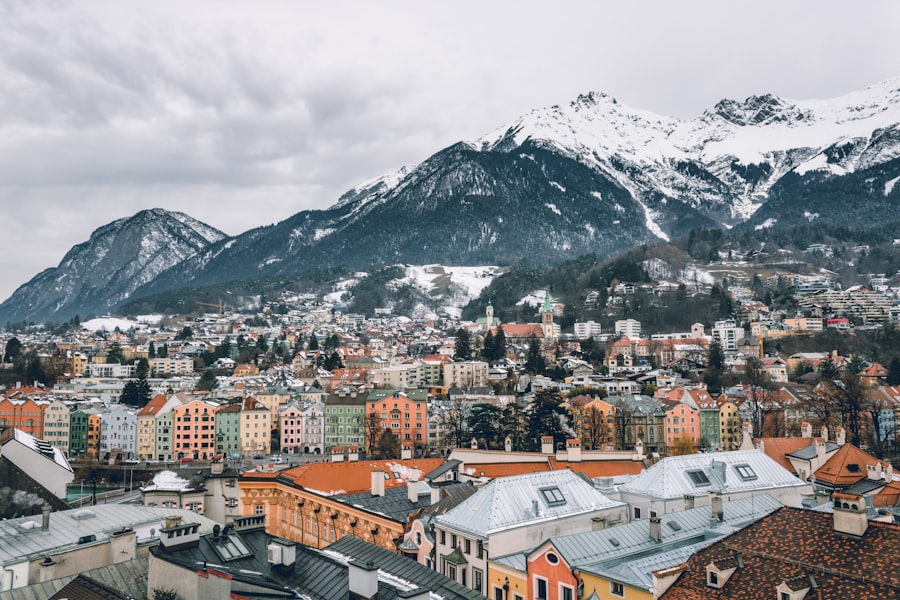
Welcome to your ultimate Innsbruck Travel Guide 2026, your ticket to planning the perfect alpine escape in the heart of the Austrian Tyrol.
Nestled deep in the Inn Valley and surrounded by dramatic, jagged peaks that seem to rise directly from the city streets, Innsbruck is a rare destination where urban culture meets rugged outdoor adventure. Whether you are planning to carve through fresh powder on world-class ski slopes, explore imperial Habsburg palaces, or simply sip a rich Viennese coffee while staring up at the snow-capped Nordkette range, this guide has you covered. In 2026, the city is more vibrant than ever, offering sustainable travel infrastructure, updated mountain lifts, and a culinary scene that beautifully blends traditional Tyrolean heritage with modern culinary innovations.
Why You Need to Visit Innsbruck in 2026
If you are wondering about what makes this year so special for a visit, the answer lies in the perfect harmony of nature and accessibility. According to recent data from the official Innsbruck Tourism Board, the region has expanded its green transit initiatives, making it easier than ever to transition from the historic old town to an alpine peak at 2,000 meters in under twenty minutes.
Unlike massive, sprawling metropolises, Innsbruck is delightfully compact. You can spend your morning admiring the Gothic architecture of the Golden Roof and your afternoon hiking or skiing in the clouds. It is this unique dual identity as both a historic imperial capital and an Olympic winter sports hub that makes the city a bucket-list destination for 2026.
Where to Stay: The Best Neighborhoods
Before booking your accommodation, it helps to understand the layout of the city. While Innsbruck is highly walkable, choosing the right base can change the entire tone of your trip.
Altstadt (Old Town)
For first-time visitors, there is no better place to stay than the Altstadt. This medieval pedestrian zone is home to the city’s most famous landmarks, including the Golden Roof and the Imperial Palace. Staying here means you are steps away from cozy cafes and traditional restaurants. Because of its popularity, hotels here fill up quickly. Booking.com availability for historic boutique hotels in the Altstadt during peak winter and summer seasons often tightens months in advance, so plan ahead.
Anpruggen (Mariahilf)
Located just across the Inn River, Anpruggen is one of the oldest neighborhoods in Innsbruck. It is famous for its row of colorful houses painted in pastel shades of pink, yellow, and blue against the mountain backdrop. It offers a quieter, more bohemian vibe, with excellent local craft shops and independent cafes, while still being a mere five-minute walk to the historic center.
Wilten
If you prefer a hip, student-friendly atmosphere with plenty of green spaces, head south to Wilten. This neighborhood is known for its beautiful basilica, independent boutiques, and the Wiltener Platzl, a square that hosts a fantastic weekly farmers market. It is also highly convenient if you plan to take the scenic Stubaitalbahn tram into the nearby mountains.
Top Things to Do: Your 2026 Itinerary
Now let us talk about the absolute must-see attractions that you need to add to your itinerary. To help you plan your days, here is a curated list of top experiences, as recommended by this comprehensive Innsbruck Travel Guide 2026.
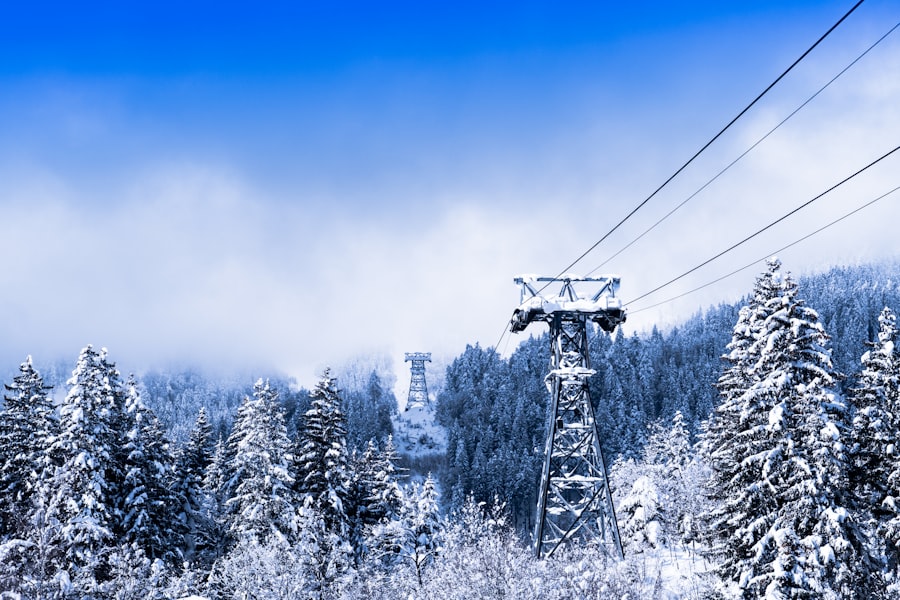
- Ride the Nordkette Cable Car: Designed by the famous architect Zaha Hadid, the Hungerburgbahn funicular starts in the city center and whisks you up to the Nordkette Cable Car. Within twenty minutes, you will reach the Hafelekar station at 2,256 meters for breathtaking 360-degree views of the Alps and the city below.
- Marvel at the Golden Roof (Goldenes Dachl): Decorated with 2,657 fire-gilded copper shingles, this late-Gothic balcony was built for Emperor Maximilian I to watch tournaments in the square below. The museum inside offers a great look into medieval Tyrolean history.
- Explore Ambras Castle: Located on the hills overlooking the southern edge of the city, this Renaissance palace features the incredible Spanish Hall, an extensive armory, and beautiful manicured gardens.
- Visit the Imperial Palace (Hofburg): Discover the lavish state rooms of the Habsburg dynasty, particularly the giant Giant Hall (Riesensaal), which showcases the opulence of Empress Maria Theresa’s reign.
- Walk Across the Highline179: If you are up for a short day trip, head out to this thrilling pedestrian suspension bridge hanging 114 meters above the ground, offering views of castle ruins.
Money-Saving Secret: Buy the official Innsbruck Card. Available for 24, 48, or 72 hours, this card includes free admission to almost all major museums, a round-trip ride on the Nordkette Cable Car, and free public transport. It pays for itself even if you only do the cable car ride and visit two museums!
How to Get Around the City
Moving on to transportation, navigating Innsbruck is incredibly straightforward. The city has optimized its transit network to be highly efficient, punctual, and environmentally friendly.
- Walking: The absolute best way to experience the Altstadt and Mariahilf is on foot. The historic core is completely pedestrianized, making it safe and enjoyable to stroll.
- The Tram Network (IVB): Innsbruck has an excellent tram system. Tram Line 1 and Tram Line 3 are highly useful for tourists, connecting the main train station (Hauptbahnhof) with the historic center and Wilten. Expect to pay around 3.00 to 3.50 Euros for a single ticket, or use your Innsbruck Card for free rides.
- The Sightseer Bus (TS Line): This hop-on, hop-off bus route is specifically designed for visitors, connecting major sights like Ambras Castle and the Bergisel Ski Jump to the city center.
- Bicycles: Innsbruck is a bike-friendly city with dedicated lanes. You can easily rent a city bike using the local smart-bike sharing system for just a few Euros per hour.
Where to Eat: Tyrolean Flavors and Modern Dining
If you are wondering about the local food scene, prepare your appetite. Tyrolean cuisine is hearty, comforting, and perfect for refueling after a long day of outdoor exploration. Here are the top dining spots and dishes to try, highly rated across TripAdvisor ratings and local culinary guides.
- Gasthaus Anich: A legendary local tavern in the city center serving massive portions of traditional Tyrolean dishes like Groestl (a delicious pan-fry of potatoes, beef, onions, and topped with a fried egg) and Kaesespaetzle (local cheese noodles). Expect to spend 12 to 20 Euros for a main dish.
- Lichtblick: Located on the top floor of the Rathaus Galerien, this restaurant offers modern Austrian-Mediterranean fusion alongside stunning 360-degree views of the city skyline. It is perfect for a romantic evening out.
- Cafe Munding: Operating since 1803, this is the oldest pastry shop in Tyrol. Stop here for a slice of traditional Apfelstrudel (apple strudel) or a rich Sacher Torte paired with a hot Melange coffee.
- Markthalle (Market Hall): For a casual lunch, head to this indoor market by the river. It features local farmers selling Tyrolean speck, alpine cheeses, fresh bread, and international street food stalls.
Pro tip for you: If you are looking for a unique dining experience, take the Hungerburgbahn up to the Alpenzoo station and have lunch at a hillside cafe overlooking the valley. The view of the rushing Inn River below is unforgettable.
Practical Tips for Your 2026 Adventure
To wrap up this Innsbruck Travel Guide 2026, let us cover a few practical details to ensure your trip runs smoothly. The local currency is the Euro. While credit cards are widely accepted in most hotels, modern restaurants, and cable car stations, it is always wise to keep some cash on hand, especially when dining at smaller mountain huts or shopping at local farmers markets.
When packing for your trip, remember that mountain weather can change in an instant, regardless of the season. Even in the middle of summer, temperatures at the top of the Nordkette can drop significantly compared to the valley floor. Always pack layers, including a windproof jacket and sturdy walking shoes with good grip. With these essential tips, you are fully prepared to experience the absolute best of this alpine gem. Happy travels!
Frequently Asked Questions
What is the best time to visit Innsbruck in 2026?
December to April for skiing, or June to September for hiking and outdoor festivals.
How can I get from Innsbruck Airport to the city center?
Take the tram line F or a bus from the airport to the city center; the journey is under 20 minutes.
Is Innsbruck expensive for travelers in 2026?
Innsbruck is moderately priced; expect budget-friendly hostels starting at €30 and sit-down meals for €15–20.
What are unmissable attractions in Innsbruck?
Visit the Golden Roof, Imperial Palace, and ride the Nordkette cable car for alpine views.
Does the Innsbruck Card offer good value for tourists?
Yes, it covers free public transport, discount entry to museums, and cable cars, costing around €50 for 48 hours.

Lars Lindgren puts together detailed guides to cities and regions, drawing on his own travels to flag the things worth your time. He focuses on clear, honest advice that holds up once you are actually on the ground.
💬 Comments (0)
No comments yet. Be the first!