Bruges Travel Guide 2026: Local Tips
Plan your dream trip to Belgium with our Bruges Travel Guide 2026, featuring top sights, photo spots, and local secrets.
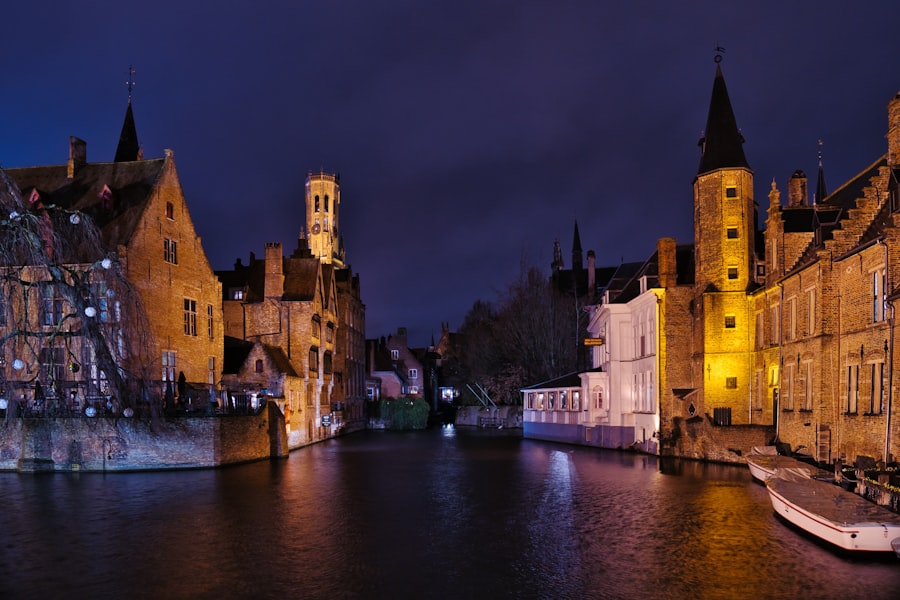
Welcome to the ultimate Bruges Travel Guide 2026, your definitive companion to navigating one of Europe most enchanting medieval cities. Often called the Venice of the North, this Belgian gem preserves its thirteenth-century charm with breathtaking accuracy. In 2026, the city successfully balances its rich historical heritage with forward-thinking sustainable tourism initiatives, making it an absolute must-visit destination. Whether you are planning a romantic weekend getaway or a solo adventure through Flanders, this guide will provide you with the most up-to-date, practical insights to make your journey seamless and unforgettable.
Why You Must Visit Bruges in 2026
If you are wondering about what makes this year so special for travel, the answer lies in the city cultural revival. This year, local authorities have expanded pedestrian-only zones, meaning you can wander the cobbled streets without the constant worry of traffic. The canals are cleaner than ever, and a new wave of boutique guesthouses has opened across the historic center, offering cozy, authentic stays. According to recent data from the official Bruges Tourism Board, Visit Bruges, the city has introduced digital crowd-monitoring systems to help visitors avoid peak times at major landmarks, ensuring a much more relaxed experience.
When planning your trip, you will find that booking your accommodation well in advance is essential. A quick search of Booking.com availability for 2026 reveals that historic central hotels fill up months ahead, particularly for the spring and summer seasons. By planning early, you secure the best rates and get to experience the city just as the locals do, long after the day-trippers have departed.
How to Get to and Around the City
Now let's talk about the logistics of your journey. Getting to Flanders is remarkably easy from anywhere in Western Europe. Most international travelers fly into Brussels Airport (BRU) or Brussels South Charleroi Airport (CRL). From Brussels Airport, you can take a direct NMBS/SNCB train straight to Bruges main station, which runs twice every hour. The journey takes about ninety minutes and costs approximately twenty-two Euros for a one-way ticket.
Once you arrive at the main station, getting to the historic center is highly straightforward. You can easily walk, take a local bus, or grab a licensed taxi. Here is a handy breakdown of how to navigate the city streets efficiently:
Mastering Local Transport
- Walking: The absolute best way to experience the historic center. The entire UNESCO World Heritage zone is highly compact, measuring just about four kilometers across.
- De Lijn Buses: Line 1 and Line 2 run frequently from the main train station directly to the historic Markt square. A single ticket costs around two Euros and fifty cents when purchased via their mobile application.
- Bicycle Rentals: You can rent a bicycle from shops near the station or in the center, such as Fietspunt, for about fifteen Euros per day. This is the preferred local method for exploring the quieter outer ramparts.
Money-Saving Secret: Do not buy individual bus tickets from the driver. Always purchase a ten-ride digital ticket on the De Lijn mobile app before boarding, or simply use contactless payment at the onboard terminals. This will save you up to forty percent on every single journey you take through the city.
Top Things to Do: Your 2026 Itinerary
To help you structure your days, this Bruges Travel Guide 2026 highlights the absolute best attractions you cannot afford to miss. While it is tempting to simply wander aimlessly, having a solid plan ensures you beat the crowds at the most popular historic sites.
Your first stop should undoubtedly be the Markt, the historic beating heart of the city. Here, you will find the towering Belfry of Bruges. If you are feeling energetic, climb the three hundred and sixty-six winding stone steps to the top of the tower. The panoramic views of the red-tiled roofs below are worth every ounce of effort. Moving on to other essential experiences, you must set aside time for a classic canal cruise. These open-air boats operate daily from March through November, costing about twelve Euros per person for a delightful thirty-minute guided tour.
Must-See Attractions Checklist
- The Belfry and Markt: Climb the medieval tower and admire the neoclassical Provincial Court building.
- The Church of Our Lady: Home to the stunning white marble sculpture, Madonna and Child, created by Michelangelo around 1504.
- The Lake of Love (Minnewater): A tranquil park area located at the southern edge of the city, perfect for quiet morning strolls among the resident swans.
- The Basilica of the Holy Blood: A beautiful double chapel on the Burg square that houses a venerated relic.
If you want to dive deeper into the local art scene, head to the Groeningemuseum. This gallery houses an incredible collection of early Flemish Primitive paintings, including masterpieces by Jan van Eyck and Gerard David. It is highly rated on TripAdvisor, with travelers consistently praising the clear English audio guides and the uncrowded exhibition rooms.
Where to Eat: From Waffles to Michelin Stars
If you're wondering about where to find the best culinary delights, you are in for an incredible treat. Belgian cuisine is famous worldwide, and this city boasts an exceptional dining scene that ranges from casual street food stands to world-class Michelin-starred establishments. In 2026, the local food movement is stronger than ever, with chefs focusing heavily on seasonal ingredients sourced directly from West Flanders farms.
For a quick, delicious treat, you must try a fresh, warm Liege waffle. Unlike Brussels waffles, these are dense, chewy, and caramelized with pearl sugar. For lunch or dinner, look for traditional taverns serving Flemish beef stew, known locally as Stoofvlees, which is slow-cooked in rich dark beer and served with crispy, golden Belgian fries.
Top Dining Spots to Try
- Chez Albert: Located just off the main Markt, this is widely considered the best spot in town for a take-away caramelized waffle topped with fresh strawberries and whipped cream (Price range: four to eight Euros).
- Bistro Den Amand: A cozy, family-run bistro offering highly rated traditional Flemish dishes with a modern, healthy twist (Price range: twenty to thirty-five Euros for a main course).
- De Halve Maan Brewery: The home of Bruges Zot beer. Enjoy a hearty lunch of beef stew in their courtyard, and take a guided tour of the active brewery afterward.
Pro tip for you: Avoid eating at the restaurants located directly on the Markt or Burg squares. These venues are notoriously overpriced and often cater strictly to tourists. Instead, walk just two or three blocks down the quiet side streets, such as Sint-Amandsstraat or Wollestraat, where you will find authentic local eateries serving superior food at a fraction of the cost.
Neighborhoods to Explore and Where to Stay
To get the most out of your stay, this Bruges Travel Guide 2026 recommends choosing your base neighborhood carefully. Each district has its own distinct personality, and where you sleep will shape your overall experience of the city.
Choosing Your Perfect Base
The Historical Center is ideal for first-time visitors who want to be steps away from the Belfry and the main canal docks. However, if you prefer a quieter, more romantic atmosphere, I recommend you look at the Sint-Anna quarter. This peaceful residential neighborhood in the northeast is famous for its quiet canals, historic lace shops, and seventeenth-century windmills lining the old city ramparts. It feels a world away from the bustling tourist crowds, yet it is only a fifteen-minute walk from the main square.
Another fantastic option is the West-Brugge area, located near the modern Concertgebouw. This neighborhood offers excellent value for budget-conscious travelers, with modern boutique hotels and hip trendy cafes. It also provides highly convenient access to the main train station, making day trips to nearby Ghent or Antwerp incredibly simple.
Practical Tips for a Perfect 2026 Visit
To conclude this comprehensive Bruges Travel Guide 2026, let us review some highly useful, practical tips to ensure your Belgian vacation runs perfectly smoothly. First, always carry a small amount of cash. While contactless card payments are widely accepted throughout Belgium, some smaller chocolate shops and market stalls still prefer coins for purchases under ten Euros.
Second, remember that the weather in Flanders can be highly unpredictable. A bright, sunny morning can quickly turn into a rainy afternoon, regardless of the season. I highly recommend you pack a compact travel umbrella and dress in layers. Wearing sturdy, comfortable walking shoes is absolutely mandatory; those historic, uneven cobblestones are beautiful to look at, but they can be incredibly tough on your feet after a long day of sightseeing.
Finally, make sure to download the useful offline maps on your smartphone before arriving. The winding, medieval street layout is incredibly easy to get lost in, and while getting lost is part of the city charm, you will want a reliable way to find your way back to your hotel after dark. Enjoy your magical journey to one of Europe most beautiful historic cities!
Frequently Asked Questions
What is the best time to visit Bruges in 2026?
The best time is April to October for pleasant weather, but avoid July and August peak crowds for a more local experience.
Is Bruges expensive for travelers?
Bruges can be pricey, especially in the city center, but you can save by eating at local markets or staying just outside the main tourist areas.
How many days should I spend in Bruges?
Two to three days is enough to explore the historic center, canals, and a local brewery or chocolate shop.
What is a local tip for getting around Bruges?
Rent a bike instead of walking—locals use dedicated bike lanes and it's the quickest way to see hidden gems.
What unique local experience should I try in 2026?
Visit a traditional 'poaterie' (farm cheese shop outside the ring) for artisan cheeses only locals know about.

Lars Lindgren puts together detailed guides to cities and regions, drawing on his own travels to flag the things worth your time. He focuses on clear, honest advice that holds up once you are actually on the ground.
💬 Comments (0)
No comments yet. Be the first!